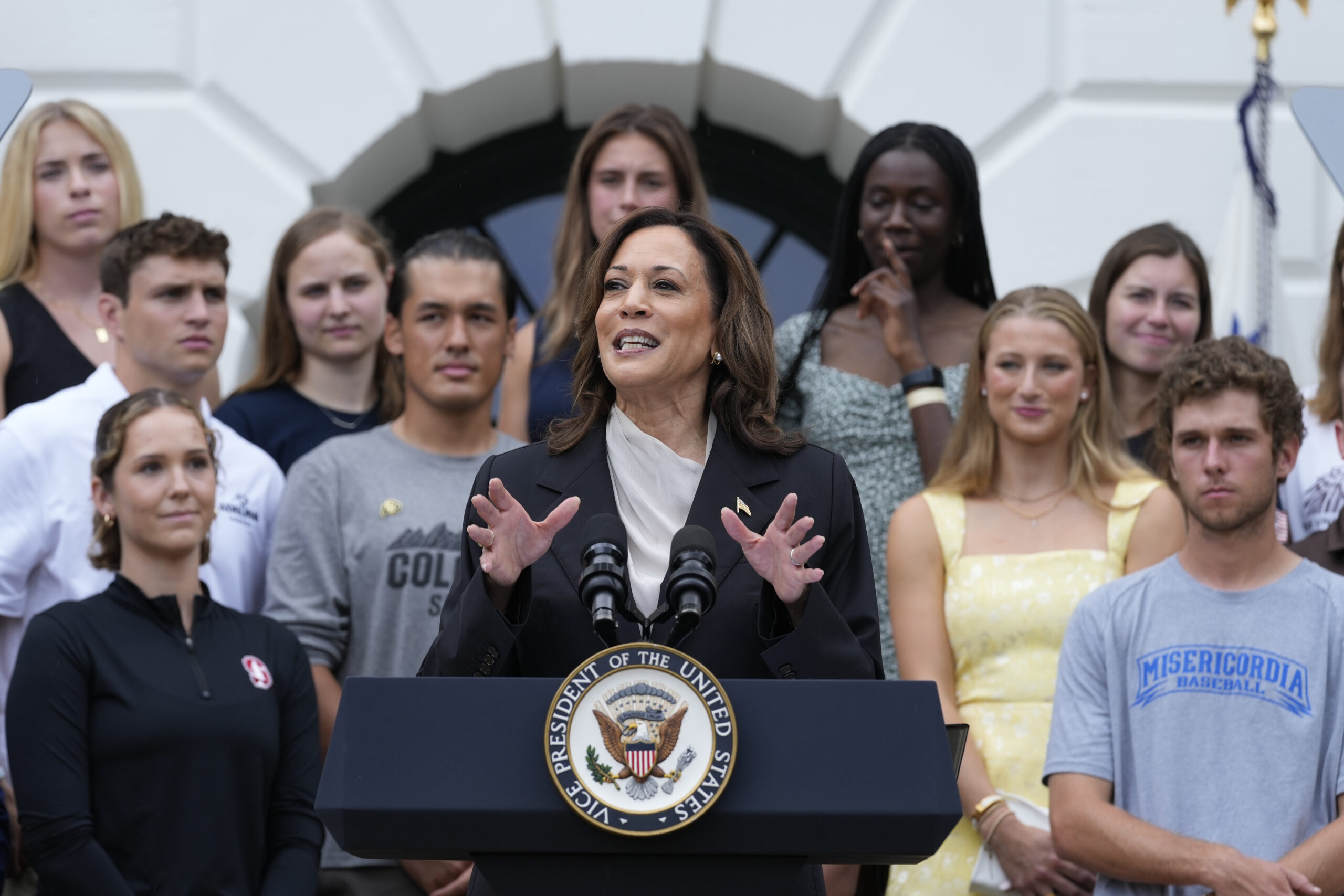
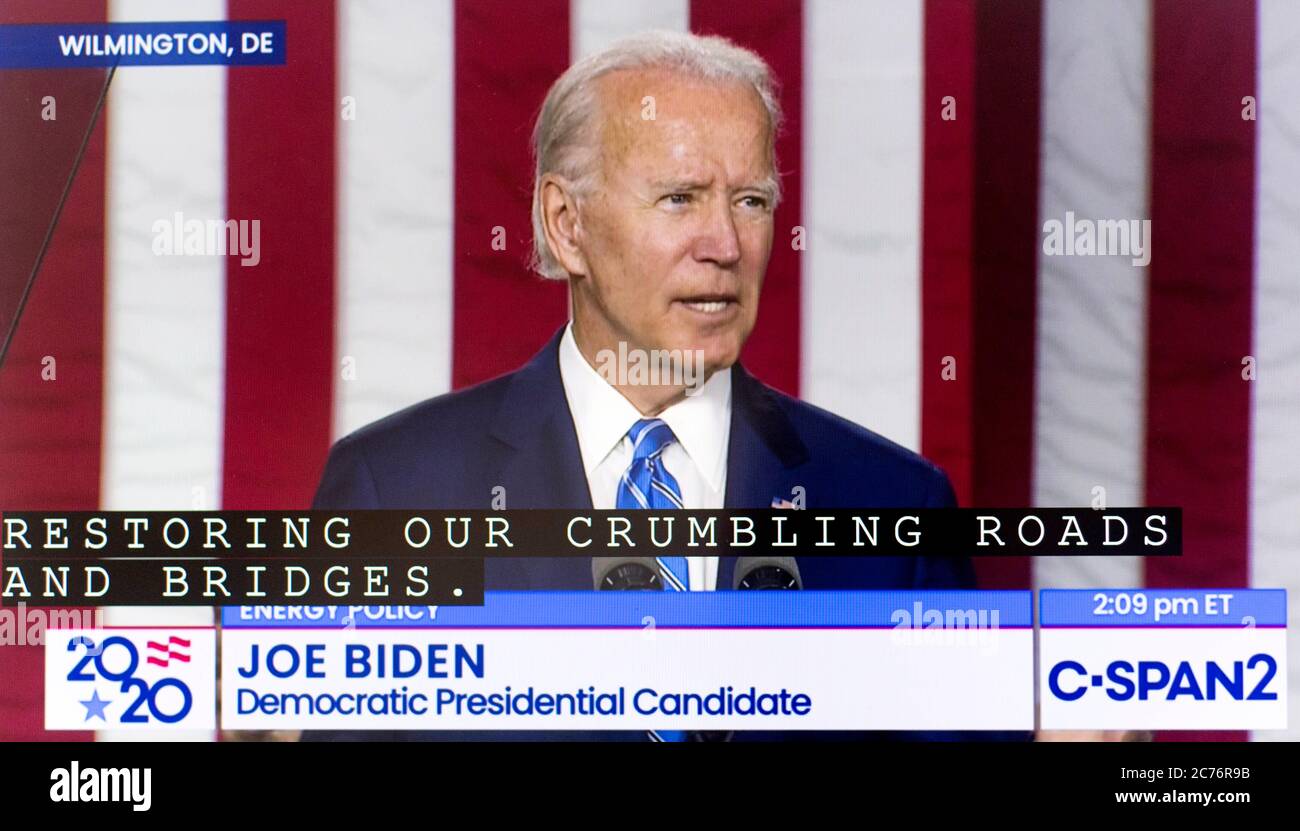
The 2020 United States vice presidential election concluded a high-stakes campaign cycle featuring Democratic nominee Kamala Harris and Republican incumbent Mike Pence, alongside notable third-party and independent contenders. This historic matchup shaped the executive branch during a period of profound national challenge, bringing distinct political philosophies, regional balance strategies, and policy priorities to the national stage.
Historical Context and Selection Framework
The process of selecting a vice presidential running mate in American politics is designed to complement the presidential nominee's strengths, shore up perceived weaknesses in specific demographics or geographic regions, and reassure the electorate of the candidate's executive readiness. The 2020 election cycle unfolded against the backdrop of the global COVID-19 pandemic, severe economic disruption, and widespread social justice protests following the murder of George Floyd. These concurrent crises heavily influenced how both major parties vetted, selected, and presented their 2020 vice presidential candidates to the public.
For major party nominees, the vice-presidential selection involves rigorous background vetting, financial disclosures, and strategic calculation. In 2020, both campaigns faced unique structural constraints. Campaigns operated with limited traditional in-person rallies, relying heavily on virtual announcements, digital organizing, and socially distanced campaign stops. The resulting political environment placed an unprecedented premium on digital media capability, debate performance, and disciplined message delivery.
The Democratic Ticket: Kamala Harris and Joe Biden
When former Vice President Joe Biden secured the Democratic presidential nomination, he committed publicly to selecting a woman as his running mate. Following an extensive vetting process managed by a campaign committee, Biden selected United States Senator Kamala Harris of California on August 11, 2020.
Background and Political Profile of Kamala Harris
Kamala Harris brought a multifaceted resume to the 2020 ticket, having served as a prosecutor, District Attorney of San Francisco, Attorney General of California, and a U.S. Senator representing California since 2017. As the first African American and first South Asian American woman to appear on a major party's presidential ticket, her selection marked a historic milestone in American political history.
Harris's legislative record in the Senate focused on criminal justice reform, environmental protection, and healthcare expansion. During the 2020 campaign, her background as a seasoned prosecutor served a dual purpose: it allowed her to prosecute the case against the Trump administration's record on various fronts, while also drawing scrutiny from progressive wings of the Democratic Party regarding her past prosecutorial record.
Strategic Impact on the Democratic Campaign
The addition of Harris to the ticket was designed to achieve several strategic objectives:
- Base Energy: Energizing Black voters, women, and younger demographics who were vital components of the Democratic coalition.
- Geographic and Demographic Balance: While California is a reliably Democratic state, Harris’s identity brought national representation to historically underrepresented communities at the highest level of executive politics.
- Debate Preparation and National Exposure: Harris brought sharp debate skills, famously demonstrated during the Democratic primary debates and later in her sole vice presidential debate against Mike Pence.
The Republican Ticket: Mike Pence and Donald Trump
Incumbent President Donald Trump and Vice President Mike Pence ran for re-election as the Republican nominees, securing their renomination at the 2020 Republican National Convention without facing significant primary opposition.
Background and Political Profile of Mike Pence
Mike Pence entered the 2020 election cycle with four years of executive experience as the 48th Vice President of the United States. Prior to his tenure in the White House, Pence served as the Governor of Indiana and as a member of the U.S. House of Representatives, where he chaired the House Republican Conference.
Pence's role within the administration was multifaceted. He served as the head of the White House Coronavirus Task Force during the initial response to the COVID-19 pandemic and acted as a crucial bridge to evangelical Christians and fiscal conservatives, who formed a cornerstone of the Trump-Pence electoral coalition.
Strategic Impact on the Republican Campaign
The decision to retain Mike Pence on the 2020 ticket provided continuity and reinforced key alliance bonds within the conservative movement:
- Evangelical Alignment: Pence maintained strong, trusted relationships with conservative religious leaders and voters, reassuring a constituency that had backed Trump in 2016.
- Legislative and Party Liaison: Leveraging his extensive congressional background, Pence served as a primary emissary to Capitol Hill lawmakers and state party leaders.
- Policy Steadiness: Within the campaign apparatus, Pence was positioned to appeal to traditional suburban and conservative voters who favored the administration's judicial appointments, tax cuts, and deregulation agenda.
Third-Party and Independent Vice Presidential Contenders
While the national media spotlight focused heavily on the major party tickets, several third-party and independent campaigns offered voters alternative vice presidential choices in 2020. These candidates faced significant ballot access hurdles, limited funding, and exclusion from the official debate stages overseen by the Commission on Presidential Debates.
| Ticket / Party | Presidential Candidate | Vice Presidential Candidate | Core Platform / Focus |
|---|---|---|---|
| Libertarian Party | Jo Jorgensen | Spike Cohen | Fiscal conservatism, deregulation, non-interventionist foreign policy |
| Green Party | Howie Hawkins | Angela Walker | Ecosocialism, Green New Deal, Medicare for All |
| Alliance Party | Roque "Rocky" De La Fuente | Darcy Richardson | Fiscal responsibility, electoral reform, pragmatic governance |
| Independence / Birthday Party | Kanye West | Michelle Tidball | Economic empowerment, faith-based governance, education reform |
The Libertarian Ticket: Jo Jorgensen and Spike Cohen
The Libertarian Party nominated psychologist Jo Jorgensen for president and entrepreneur Spike Cohen for vice president. The ticket campaigned on a platform emphasizing radical reduction of the federal government, withdrawal of U.S. military forces from overseas commitments, legalization of personal and economic freedoms, and the elimination of federal agencies such as the Department of Education and the Internal Revenue Service. Although they did not achieve the vote totals of the 2016 Libertarian ticket, they secured ballot access in all 50 states and garnered over 1.8 million popular votes.
The Green Party Ticket: Howie Hawkins and Angela Walker
The Green Party selected veteran activist Howie Hawkins for president and union organizer Angela Walker for vice president. Their campaign centered on an ecosocialist platform, advocating for a legally binding ecosocialist Green New Deal, a transition to 100% renewable energy, public ownership of key industries, a federal jobs guarantee, and deep cuts to the military budget. The Hawkins-Walker ticket appeared on the ballot in 30 states and secured write-in status in several others.
Campaign Dynamics and the 2020 Vice Presidential Debate
The sole official vice presidential debate between Mike Pence and Kamala Harris took place on October 7, 2020, at the University of Utah in Salt Lake City. Moderated by Susan Page of USA Today, the event took place under strict health protocols due to the COVID-19 pandemic, including the installation of clear plexiglass barriers between the candidates.
The debate covered a wide array of topics, most notably the federal government's response to the COVID-19 pandemic, economic recovery, climate change, racial justice, and foreign policy. Unlike the turbulent first presidential debate between Donald Trump and Joe Biden held weeks earlier, the vice presidential debate was characterized by a more orderly demeanor, though pointed policy disagreements and interruptions occurred. The debate drew tens of millions of television viewers and solidified the respective national narratives for both campaigns regarding administrative competence, pandemic management, and executive leadership.
Frequently Asked Questions
Who won the 2020 vice presidential election?
Kamala Harris won the 2020 vice presidential election alongside presidential nominee Joe Biden. The ticket defeated incumbent President Donald Trump and Vice President Mike Pence, securing 306 electoral votes and over 81 million popular votes.
What are the constitutional requirements to run for Vice President of the United States?
According to the Twelfth Amendment and Article II of the U.S. Constitution, a vice presidential candidate must be a natural-born citizen of the United States, at least 35 years old, and a resident of the United States for 14 years. Additionally, the Twelfth Amendment specifies that no person constitutionally ineligible to the office of President shall be eligible to that of Vice-President of the United States.
How are vice presidential running mates chosen in modern U.S. elections?
Presidential nominees typically select their running mates during the spring or summer preceding the national nominating conventions. The selection process involves private vetting committees that examine candidates' personal finances, public records, tax histories, voting records, and potential legal or ethical vulnerabilities to ensure campaign viability and executive readiness.
Did third-party vice presidential candidates participate in the 2020 debates?
No. The Commission on Presidential Debates requires third-party candidates to meet specific polling thresholds (averaging at least 15% support in five selected national public opinion polls) and ballot access criteria to participate. In 2020, neither the Libertarian nor the Green Party candidates met these thresholds, meaning only Mike Pence and Kamala Harris appeared on the official debate stage.
What role does the Vice President play under the U.S. Constitution?
Aside from stepping in should the president become unable to discharge their duties, the Vice President serves as the President of the Senate, holding the constitutional power to cast tie-breaking votes in the event of an evenly divided legislative chamber.
Practical Next Steps and Further Reading
For researchers, students, and citizens seeking a deeper understanding of the 2020 election cycle, examining primary source materials offers valuable insight. Consult the archived campaign platforms of both major and minor parties, official Federal Election Commission (FEC) financial and vote-tallies reports, and transcripts of the vice presidential debate provided by historical archives and the Commission on Presidential Debates.