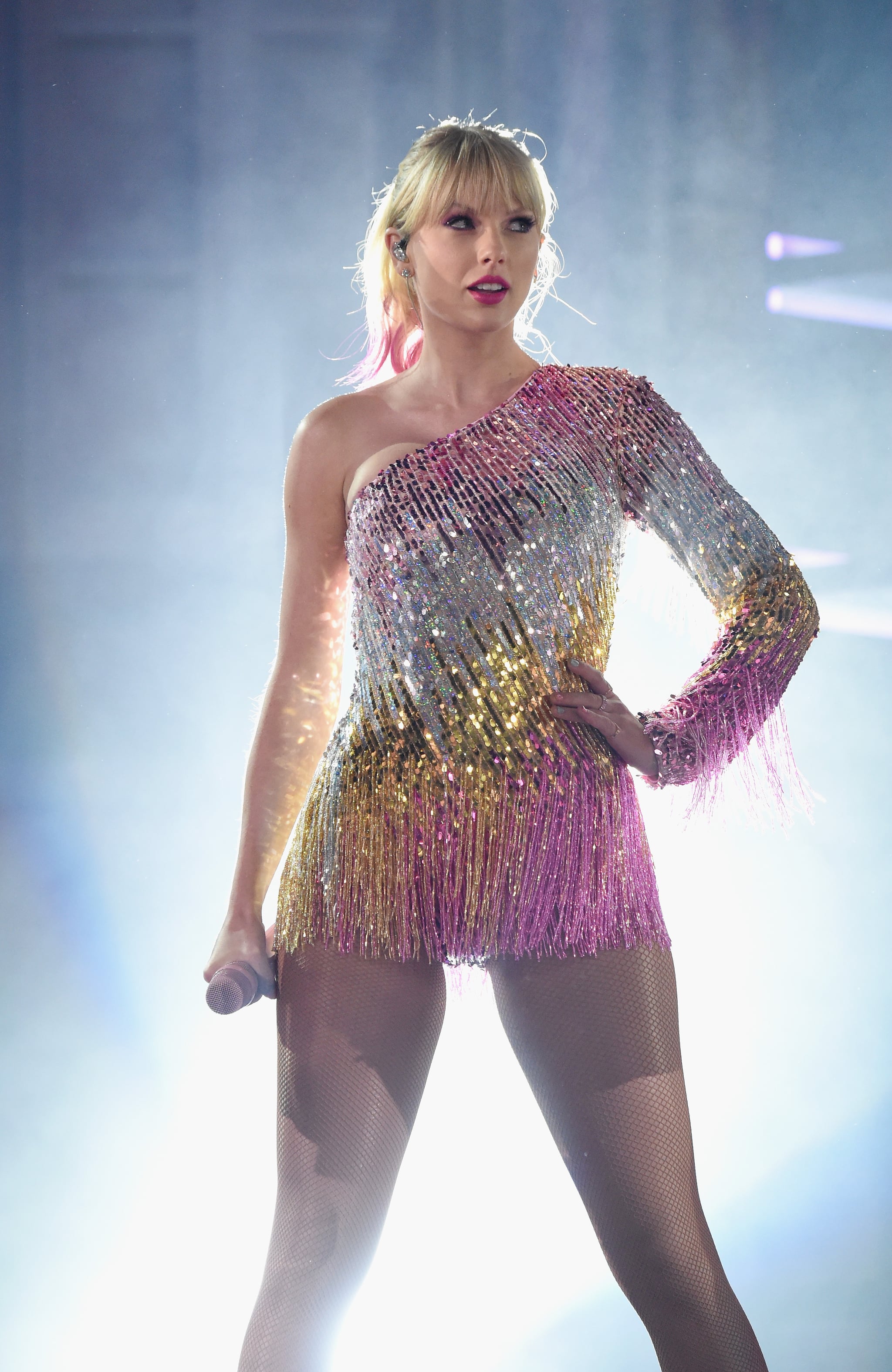
The financial landscape of the music industry shifted significantly by 2019, as top-tier female artists moved beyond traditional recording royalties to build multifaceted business empires. By the end of that year, leading women musicians secured their positions through strategic investments in cosmetics, fashion, high-profile touring circuits, and catalog acquisitions, creating a new benchmark for wealth accumulation in the entertainment sector.
The Financial Landscape of 2019 in Music
In 2019, the definition of a "musician’s income" evolved drastically. While radio play and streaming remain staples of the industry, the most successful women in music were characterized by their transition into billionaire-status entrepreneurs. The fiscal year 2019 represented a tipping point where global touring revenues reached peak levels, and celebrity-led product lines—most notably in the beauty sector—began to eclipse standard music revenue streams.
For observers tracking the industry, 2019 serves as an essential historical anchor. It captures the momentum of brands like Fenty Beauty and the peak of major stadium tours that occurred just before the global economic shifts and touring halts that would arrive in 2020. Understanding these figures requires looking at a combination of performance data, private business valuations, and the capitalization of personal brand equity.
Key Drivers of Wealth for Leading Women
Wealth for these artists is rarely derived from a single source. In 2019, the disparity between artists who relied on touring and those who built long-term equity in corporations became highly visible.
- Entrepreneurial Ventures: This was the most significant factor. Partnerships in beauty, fashion, and lifestyle brands allowed artists to capture value far beyond the percentage-based royalties common in music contracts.
- Global Touring Power: Stadium-scale tours, which peaked in attendance numbers in 2019, provided massive cash injections for top-tier performers.
- Music Publishing and Rights: The strategic retention and acquisition of master recording rights and music publishing catalogs became a core strategy for long-term asset growth.
- Endorsement Deals: High-value, multi-year contracts with luxury houses and technology firms provided consistent, high-margin income that diversified their portfolios against fluctuations in album sales.
Comparative Data: Financial Positioning of Leading Figures
The following table provides a snapshot of the estimated net worth for several of the most prominent women in music as of the conclusion of 2019. These estimates are based on aggregated financial reporting from industry analysts and public business disclosures available at the time.
| Artist | Estimated Net Worth (2019) | Primary Wealth Drivers |
|---|---|---|
| Rihanna | ~$600 Million | Fenty Beauty, Savage X Fenty, Music |
| Madonna | ~$570 Million | Touring, Catalog, Real Estate, Art |
| Céline Dion | ~$450 Million | Las Vegas Residency, Touring |
| Beyoncé | ~$400 Million | Parkwood Entertainment, Touring, Ivy Park |
| Taylor Swift | ~$360 Million | Songwriting/Publishing, Stadium Tours |
| Barbra Streisand | ~$400 Million | Iconic Catalog, Film, Real Estate |
| Jennifer Lopez | ~$400 Million | Acting, Producing, Music, Endorsements |
Note: The figures represent estimated net assets and valuation of business interests as reported during the 2019 calendar year. Variations in these figures across sources often stem from differing valuations of private companies and real estate holdings.
Strategic Asset Management and Valuation
The methodology for calculating the net worth of a musical artist is complex. Unlike corporate CEOs, whose wealth is often tied to a single publicly traded ticker, artists manage wealth across several illiquid assets.
The Rise of the "Beauty Mogul"
Rihanna’s financial standing in 2019 was largely accelerated by her partnership with LVMH to create Fenty Beauty. By 2019, the valuation of this company had become a central pillar of her wealth, moving her significantly ahead of peers who were dependent primarily on music sales. This model—where the artist acts as a founder and majority or significant stakeholder—set the standard for modern music wealth.
The Power of Live Performance
Artists like Céline Dion and Beyoncé utilized highly lucrative residency models and record-breaking stadium tours. In 2019, the live music market was at its most saturated and profitable point in history. The operational costs were high, but the gross receipts generated during these tours allowed for significant reinvestment into the artists' private holding companies.
Catalog and Intellectual Property
For legacy artists like Madonna and Barbra Streisand, wealth in 2019 was anchored in the long-term value of their music catalogs. Throughout the 2010s, and culminating in a more aggressive market by 2019, these artists benefited from the steady income of royalties and the rising value of song rights as streaming services increased the demand for licensed content.
Challenges in Assessing Artist Wealth
When researching these figures, it is crucial to recognize that "net worth" is an estimate rather than a bank balance. Several factors contribute to the difficulty in securing precise, real-time data for 2019:
- Private vs. Public Assets: Many artists hold assets in private LLCs or trust structures that do not require public reporting.
- Valuation Fluctuations: The valuation of a private fashion line or cosmetics brand is subjective and can vary wildly based on the method of accounting, often involving future projected earnings rather than current cash on hand.
- Debt and Liabilities: Publicly available reports often focus on total assets. Information regarding mortgages, production loans, or the operational debt associated with massive touring crews is rarely disclosed publicly.
- Taxation and Management Fees: Figures often represent gross assets. The "take-home" value is drastically reduced by tax liabilities, management commissions (often 10–20%), and legal fees.
Economic Impact of 2019 Industry Trends
The trends established in 2019 significantly changed how the music industry operates today. The shift away from pure music revenue toward a "lifestyle conglomerate" model has become the benchmark for new artists. In 2026, we see the results of this shift: artists are now expected to be brand creators, social media influencers, and business owners from the very beginning of their careers.
This transition has led to a consolidation of wealth among the top 1% of musicians, while the "middle class" of the music industry has struggled to replicate these business models due to the massive capital requirements needed to launch competing brands.
Frequently Asked Questions
1. Why did the net worth of these musicians increase so rapidly in 2019? The increase was primarily driven by the success of non-music business ventures. In 2019, artists moved beyond licensing their names to products and began taking equity positions as founders, allowing them to capture the explosive growth of the direct-to-consumer beauty and apparel markets.
2. Is the 2019 net worth of these artists considered public record? No. Net worth is an estimate based on business filings, market research, and asset valuations. Unless an artist releases a public financial statement, these numbers are curated by analysts and journalists using verifiable public data to create a reasonable estimate of the artist’s total wealth.
3. Did touring contribute more to net worth than music streaming in 2019? For the leading women musicians on this list, touring provided much larger immediate cash flow. While streaming generated steady, long-term royalties, the sheer scale of stadium touring in 2019 made it the single most profitable component of their active music careers.
4. How does the 2019 market differ from current market conditions? In 2019, the market was defined by the peak of live touring and the early-to-mid growth phase of celebrity-owned beauty brands. Since 2019, the market has seen a greater focus on the sale of music publishing catalogs to private equity firms, a trend that has provided artists with significant liquidity but has changed the long-term ownership of their intellectual property.
5. What should investors or students of the industry learn from 2019? The core lesson is the necessity of diversification. The most resilient artists in 2019 were those who did not rely exclusively on one revenue stream. By diversifying into business, real estate, and equity stakes in companies they help build, they insulated themselves against the volatility inherent in the music business.
Final Recommendation for Further Research
To gain a clearer understanding of the evolution of artist wealth, prioritize reading annual reports from major industry trade publications that focus on the intersection of business and entertainment. When looking at historical figures from 2019, always check the source’s methodology to see if they are measuring liquid cash, gross assets, or valuation of business holdings, as these terms are not interchangeable. For those studying financial growth, focus on the timeline of private company acquisitions and the launch dates of celebrity-led product lines, as these are the primary triggers for the wealth jumps observed during this period.