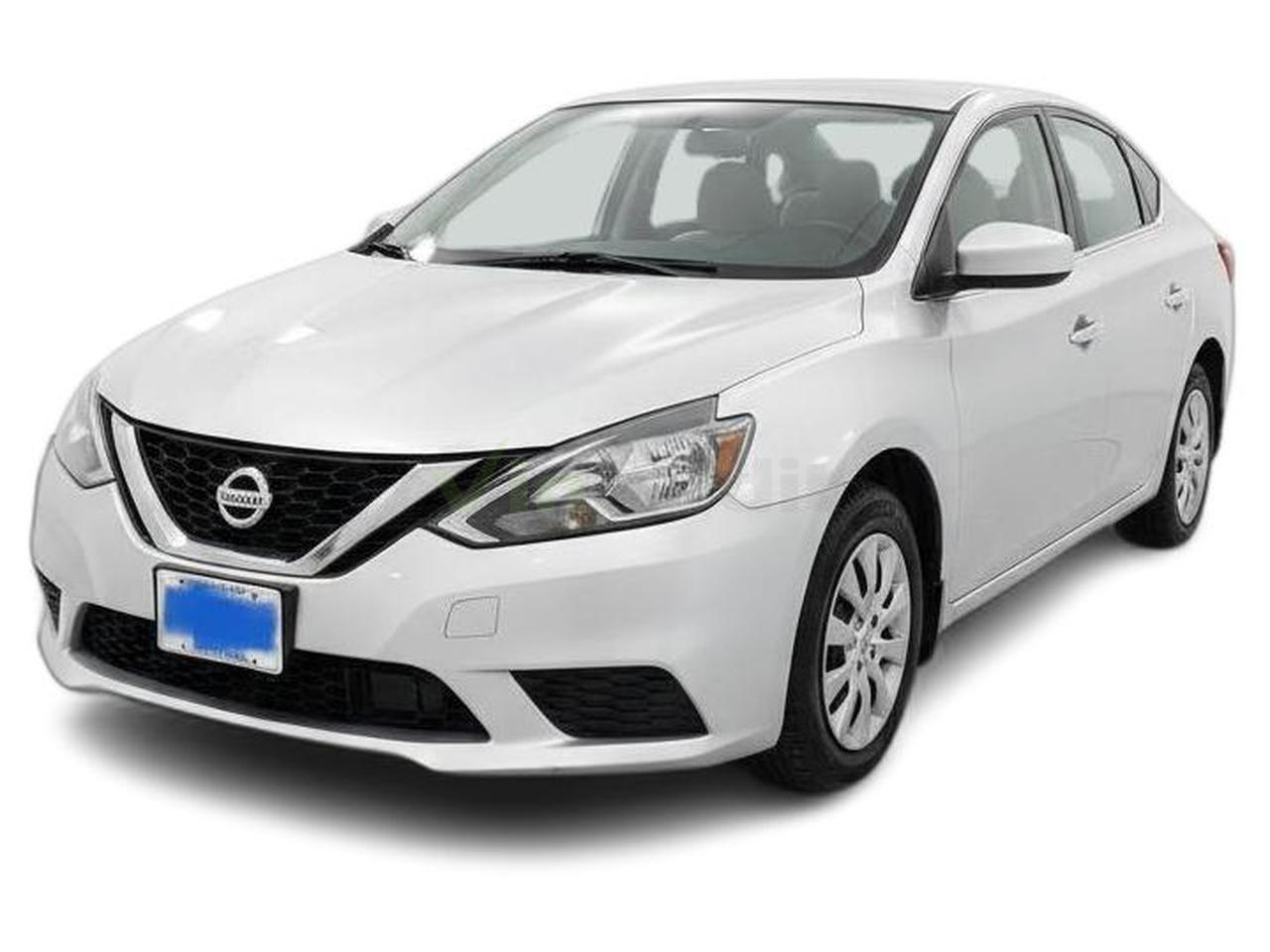
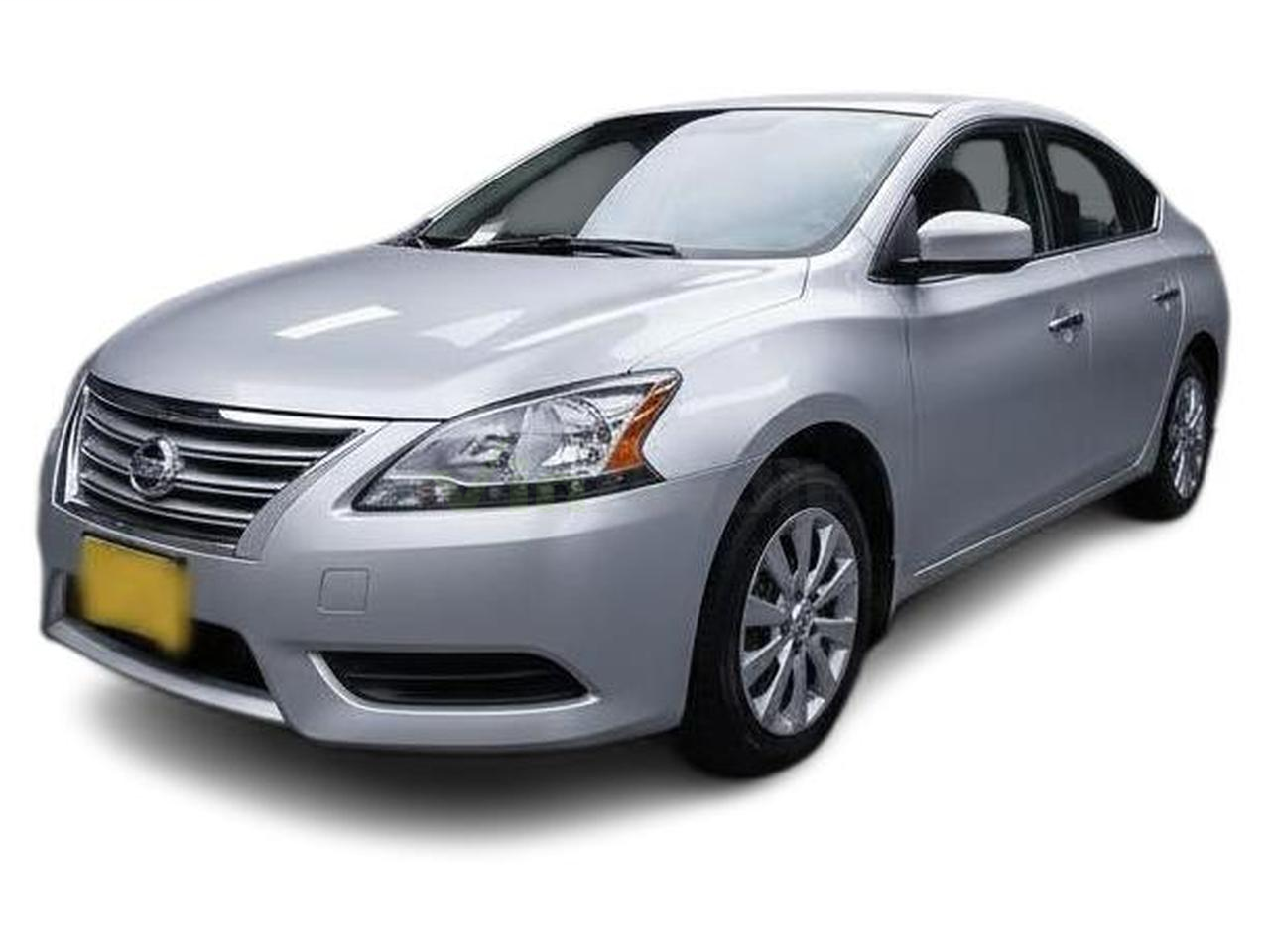
The 2016 Nissan Sentra maintains a mixed reliability profile, largely defined by its polarizing Xtronic Continuously Variable Transmission (CVT) and a series of significant safety recalls. While the vehicle offers a comfortable ride and impressive fuel economy for its class, long-term dependability is frequently compromised by high-cost mechanical failures and electronic sensor issues that potential owners must evaluate carefully.
Understanding the 2016 Nissan Sentra Context
The 2016 model year represented a significant mid-cycle refresh for the seventh-generation Nissan Sentra (B17). Nissan updated nearly 20% of the vehicle’s components, aiming to improve cabin quietness, modernize the exterior styling to match the Maxima and Altima, and enhance safety features. In the context of 2026, these vehicles are now a decade old, and their reliability history has been well-documented through millions of road miles and extensive consumer reporting.
When assessing the reliability of a ten-year-old compact car, the focus shifts from initial build quality to the durability of the powertrain and the cost of maintaining aging systems. For the 2016 Sentra, this means looking closely at how the 1.8-liter engine and the CVT have aged, as well as how the vehicle’s structural integrity and safety systems have held up over time.
The Xtronic CVT: The Core Reliability Concern
The most significant factor in 2016 Nissan Sentra reliability is the Continuously Variable Transmission (CVT). Developed by JATCO (a subsidiary of Nissan), the Xtronic CVT was designed to optimize fuel efficiency by eliminating traditional gear shifts. However, this specific iteration has faced substantial criticism and was the subject of various technical service bulletins and consumer litigation.
Common CVT Failure Symptoms
As these vehicles reach higher mileage in 2026, owners frequently report several "red flag" symptoms that indicate imminent transmission failure:
- Juddering and Shuddering: Often felt during light acceleration, this sensation mimics driving over rumble strips. It is typically caused by a slipping steel belt or damaged pulleys within the transmission case.
- "Limp Mode" Activation: To protect itself from overheating, the CVT may limit engine RPM and vehicle speed. This often happens during long highway drives or in high-ambient temperatures.
- Delayed Engagement: A noticeable pause when shifting from Park to Drive or Reverse is a common sign of internal hydraulic pressure loss.
- Whining Noises: A high-pitched whine that increases with engine speed often points to a failing bearing or a struggling fluid pump.
The Cost of Replacement
Unlike traditional automatic transmissions, which can often be rebuilt by specialized shops, the JATCO CVT in the 2016 Sentra is frequently treated as a "black box" component. Most dealerships and independent mechanics recommend a full replacement rather than a repair. In 2026, the cost for a remanufactured CVT unit installed typically ranges between $3,500 and $5,000, which may represent a significant portion of the vehicle's total market value.
Engine Performance and Longevity: The 1.8L MRA8DE
While the transmission is a point of contention, the 2016 Sentra’s engine, the 1.8-liter MRA8DE four-cylinder, is generally considered the "stronger" half of the powertrain. Producing 130 horsepower and 128 lb-ft of torque, it was never designed for performance, but it was engineered for thermal efficiency and longevity.
Known Engine Issues
Despite its general durability, the MRA8DE is not without minor faults. Long-term owners should monitor for:
- Mass Air Flow (MAF) Sensor Failure: Symptoms include rough idling or stalling. This is a relatively inexpensive fix but can be frustrating if not diagnosed correctly.
- Ignition Coil Packs: Like many small displacement engines, the Sentra may experience premature coil pack failure around the 100,000-mile mark, leading to engine misfires.
- Cooling System Plastic: By 2026, the plastic components of the cooling system, including the radiator tanks and heater hose connectors, may become brittle. Preventing overheating is critical, as the aluminum cylinder head is prone to warping if the engine runs hot.
For those who prioritize reliability above all else, the rare 6-speed manual transmission (available on the base S trim) completely bypasses the CVT issues, making the manual-equipped 2016 Sentra one of the most reliable budget cars of its era.
Critical Recalls and Safety Reliability
Reliability isn't just about whether a car starts; it is also about whether its safety systems function as intended. The 2016 Nissan Sentra was involved in several major recalls that owners must verify have been completed.
The OCS (Occupant Classification System) Recall
One of the most significant recalls affected the front passenger airbag. The OCS was designed to detect if an adult or a child was in the seat; however, software and hardware issues caused the system to incorrectly classify adults as "empty seats," potentially deactivating the airbag in a crash. This was part of a massive multi-model recall by Nissan.
The Brake Light Switch Issue
Another common problem involves a faulty brake light switch. If the switch fails, the brake lights may not illuminate when the pedal is pressed, increasing the risk of a rear-end collision. Furthermore, because the CVT requires a "brake-on" signal to shift out of Park, a failed switch can leave the driver stranded, unable to move the gear selector.
Engine Stalling Concerns
Certain units were recalled for an engine harness connector that could loosen over time due to vibration. This loss of electrical connection can cause the engine to stall while driving, posing a significant safety risk.
Prospective buyers should use the NHTSA Recall Lookup tool to ensure all safety campaigns have been addressed for a specific VIN.
Interior Quality and Electronic Dependability
The 2016 refresh improved the interior materials, but after a decade of use, certain wear patterns have emerged.
- Infotainment and Bluetooth: The NissanConnect system was adequate for 2016 but is often slow by modern standards. Users report occasional "freezing" of the screen and difficulty maintaining stable Bluetooth connections with newer smartphones.
- HVAC Actuators: A common "click-click-click" sound behind the dashboard usually indicates a failing blend door actuator. This part controls the airflow between vents; when it fails, you may lose the ability to switch from defrost to floor vents.
- Interior Trim: While the "Zero Gravity" seats hold up well structurally, the silver-painted plastics on the center console and door handles are prone to scratching and peeling.
Comparative Reliability: Sentra vs. Competitors
To understand the 2016 Sentra's value, it must be compared to its contemporaries. In the compact car segment, the Sentra typically sits below the Toyota Corolla and Honda Civic in terms of long-term reliability ratings.
| Feature | 2016 Nissan Sentra | 2016 Toyota Corolla | 2016 Honda Civic |
|---|---|---|---|
| Primary Engine | 1.8L 4-Cylinder | 1.8L 4-Cylinder | 2.0L or 1.5L Turbo |
| Transmission Type | Xtronic CVT / 6-Speed Manual | CVT / 6-Speed Manual | CVT / 6-Speed Manual |
| Major Known Issue | High CVT Failure Rate | Minor Infotainment Glitches | Early 1.5L Oil Dilution |
| Safety Rating (IIHS) | Top Safety Pick+ | Top Safety Pick+ | Top Safety Pick+ |
| Maintenance Cost | Average (until CVT fail) | Low | Average |
| Fuel Economy (MPG) | 29 City / 38 Highway | 30 City / 38 Highway | 31 City / 41 Highway |
While the Sentra often had a lower purchase price when new (and remains more affordable on the used market in 2026), the potential "hidden cost" of a transmission replacement makes the Corolla a more fiscally conservative choice for long-term ownership.
Maintenance Requirements for Maximum Reliability
If you own or are considering a 2016 Sentra, strict adherence to a specific maintenance schedule is the only way to mitigate the known CVT risks.
- CVT Fluid Changes (Every 30,000 Miles): While Nissan's original service manual suggested much longer intervals (or "lifetime" fluid under certain conditions), transmission experts and long-term owners agree that changing the Nissan NS-3 CVT fluid every 30,000 miles is the single most important action to prevent failure.
- Use Only OEM Fluid: The Xtronic CVT is highly sensitive to fluid chemistry. Using "universal" CVT fluids can lead to premature belt slippage and overheating. Always use genuine Nissan NS-3 fluid.
- Monitor the Cooling System: As mentioned, avoid overheating at all costs. Flush the coolant every 5 years or 60,000 miles to prevent internal corrosion of the radiator.
- Suspension Inspection: The Sentra uses a simple torsion beam rear suspension. However, the front strut mounts are known to wear out, leading to "clunking" noises over bumps. Replacing these can restore the original ride quality.
Who Should Buy a 2016 Nissan Sentra?
In 2026, the 2016 Nissan Sentra is best suited for specific types of buyers:
- The Budget-Conscious Commuter: If you can find a high-trim "SL" model with a documented history of CVT fluid changes at a price significantly lower than a Corolla, it can be a comfortable, fuel-efficient daily driver.
- The Manual Transmission Enthusiast: A Sentra S with a 6-speed manual is a hidden gem. It offers the same spacious cabin and efficiency without the ticking time bomb of the CVT.
- Short-Term Owners: If you only need a car for 12-24 months and the vehicle currently shifts smoothly, the Sentra’s lower entry price can be attractive.
However, for those seeking a "buy it and forget it" vehicle that will last another 100,000 miles without major intervention, the 2016 Sentra with a CVT requires a higher level of caution and financial contingency planning.
Frequently Asked Questions (FAQ)
How many miles will a 2016 Nissan Sentra last?
With meticulous maintenance, specifically CVT fluid changes every 30,000 miles, a 2016 Nissan Sentra can last 150,000 to 200,000 miles. However, many units without a strict maintenance history see transmission failure between 80,000 and 120,000 miles. The engine itself is capable of 200,000+ miles, but the transmission is usually the limiting factor for the vehicle's lifespan.
Is there a class action lawsuit for the 2016 Nissan Sentra transmission?
Yes, there have been multiple class-action lawsuits regarding Nissan’s Xtronic CVT. While many of these resulted in warranty extensions (often up to 84 months or 84,000 miles), by 2026, most 2016 Sentras will be well beyond the limits of these extended warranties. Buyers should assume they are responsible for all transmission repair costs moving forward.
Does the 2016 Nissan Sentra have a timing belt or chain?
The 1.8-liter engine in the 2016 Nissan Sentra uses a timing chain, not a timing belt. Timing chains are generally designed to last the life of the engine and do not require periodic replacement, provided that oil changes are performed regularly to keep the chain tensioners lubricated and functional.
Is the 2016 Nissan Sentra a good car for a teenager?
It is a "good" car in terms of safety ratings and fuel economy, but a "risky" car in terms of financial reliability. Because many teenagers are on a tight budget, an unexpected $4,000 transmission failure can be devastating. If choosing a Sentra for a young driver, prioritize one with the lowest possible mileage or a manual transmission.
What are the most common mechanical problems?
Beyond the CVT issues, the most common mechanical problems include failed mass air flow sensors, leaking valve cover gaskets, prematurely worn front strut mounts, and faulty brake light switches. These are relatively standard for a compact car of this age, except for the transmission failure.
Final Recommendation
The reliability of the 2016 Nissan Sentra is a tale of two components. The engine and chassis provide a solid, safe, and efficient foundation that rivals most in its class. However, the Xtronic CVT remains a significant liability. For a successful ownership experience in 2026, prospective buyers must demand service records proving regular transmission fluid exchanges or budget for a potential replacement. If these conditions cannot be met, looking toward a manual transmission version or a contemporary competitor like the Toyota Corolla is the safer path to long-term dependability.