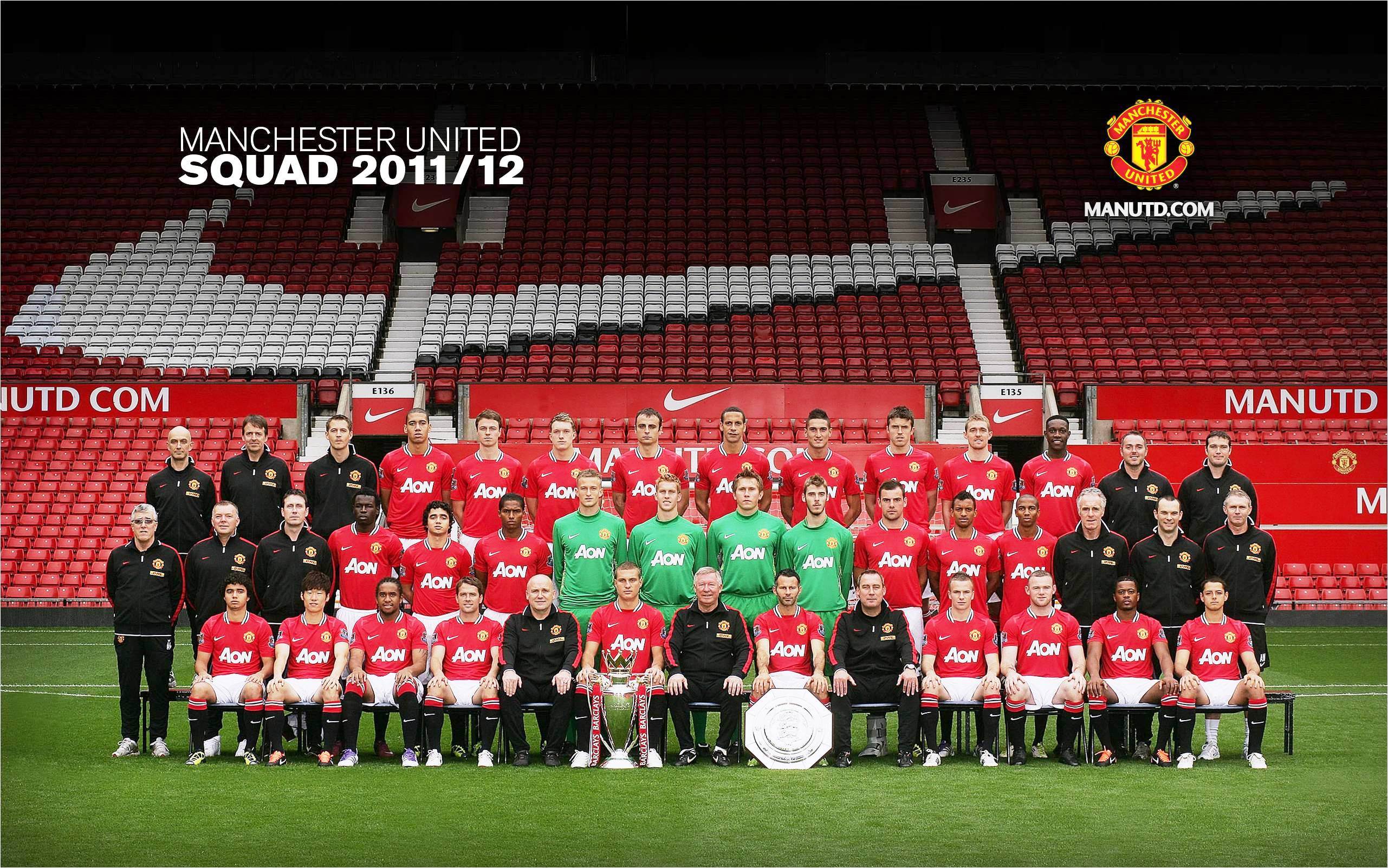
The 2014 Manchester United squad represents a fascinating transitional period in the club's modern history, following the retirement of Sir Alex Ferguson and the turbulent tenure of David Louis Moyes, which ultimately led to the appointment of Louis van Gaal ahead of the 2014–15 season. This squad bridged the gap between an aging championship-winning core and a modern, high-spending rebuilding phase characterized by tactical experimentation, major international arrivals, and a renewed focus on restructuring the team’s identity.
Historical Context and the Post-Ferguson Landscape
To understand the Manchester United squad of 2014, one must examine the monumental structural changes that occurred at the club following the conclusion of the 2012–13 campaign. Sir Alex Ferguson, who had managed the club for over 26 years, stepped down from his position, leaving behind a squad that had won the Premier League title largely through sheer experience, tactical discipline, and the individual brilliance of players like Robin van Persie. David Moyes inherited this group for the 2013–14 season, but a disastrous campaign saw United finish seventh in the Premier League, missing out on UEFA Champions League qualification for the first time in nearly two decades.
By the time the calendar year 2014 progressed into the summer transfer window and the subsequent 2014–15 season, the squad required major surgery. Veteran stalwarts such as Nemanja Vidic, Rio Ferdinand, and Patrice Evra—the defensive bedrock of the club for nearly a decade—all departed. Their exits marked the end of an era, forcing the club's hierarchy and incoming manager Louis van Gaal to inject fresh blood into the team. The 2014 squad overview is therefore defined by a dramatic shift in personnel, tactical systems, and expectations as the club attempted to reclaim its elite status.
Goalkeeping Department: The Last Line of Defense
The goalkeeping position during the 2014 calendar year was anchored by David de Gea, who transitioned from a promising, occasionally error-prone young keeper into one of the undisputed best shot-stoppers in world football. De Gea’s performances during the difficult 2013–14 season and the subsequent Louis van Gaal era were vital in saving Manchester United from deeper defensive embarrassment. His agility, positional awareness, and exceptional shot-stopping ability earned him the Sir Matt Busby Player of the Year award consecutively, cementing his status as a fan favorite.
Backing up De Gea was the experienced Danish international Anders Lindegaard, a reliable professional who provided competent cover when called upon, though his opportunities became increasingly limited as De Gea cemented his status as the undisputed number one. Additionally, the goalkeeping union included veteran Sam Johnstone and other academy products who gained valuable experience training alongside the first team. The stability in goal stood in stark contrast to the turbulence occurring outfield, providing a reassuring presence as the team adjusted to new tactical demands.
Defensive Transition: Out with the Old, In with the New
The defensive department underwent the most radical overhaul in the club's recent history during 2014. The departures of Rio Ferdinand and Nemanja Vidic left a massive leadership and tactical void at the heart of the defense. To compensate, the club relied on a mix of existing squad members like Chris Smalling, Phil Jones, and Jonny Evans, while also dipping heavily into the transfer market.
In the summer of 2014, Manchester United secured the services of Argentine international Marcos Rojo from Sporting CP and marquee signing Daley Blind from Ajax, both of whom played pivotal roles under Louis van Gaal due to their versatility and comfort on the ball. Furthermore, the club pulled off a stunning deadline-day coup by signing Spanish playmaker and midfielder-turned-sweeper Daley Blind's compatriot, although the defensive lynchpin of the future arrived later in the form of world-class additions. Van Gaal frequently experimented with a 3-5-2 formation, requiring his defenders to not only win duels but also initiate attacking plays from deep areas.
| Player Name | Primary Position | Role in 2014 Squad | Key Characteristics |
|---|---|---|---|
| David de Gea | Goalkeeper | Undisputed Starter | Exceptional reflexes, shot-stopping, two-time Player of the Year. |
| Phil Jones | Central Defender | Regular Contributor | Aggressive, physical, capable of playing in a back-three or back-four. |
| Chris Smalling | Central Defender | Squad Regular | Athletic, strong in the air, tasked with leading the backline. |
| Jonny Evans | Central Defender | Rotation Option | Composed passer, academy graduate with deep club experience. |
| Marcos Rojo | Centre-Back / Left-Back | Summer 2014 Signing | Tenacious tackler, energetic, added left-footed balance. |
| Rafael da Silva | Right-Back | First-Choice Right-Back | Dynamic, attacking fullback, struggled periodically with injuries. |
| Luke Shaw | Left-Back | Summer 2014 Signing | Highly rated young English fullback signed from Southampton. |
Midfield Reconstruction: Creativity, Balance, and Power
Midfield stability had been a long-standing concern for Manchester United even prior to Ferguson’s retirement. During 2014, the club sought to completely revamp this sector of the pitch. Michael Carrick remained the tactical metronome of the team, though injuries limited his appearances. To inject creativity and star power, Manchester United broke their transfer record in January 2014 to sign Juan Mata from Chelsea, a player whose technical elegance and vision offered a new dimension between the lines.
The summer of 2014 brought even more transformative changes to the midfield. The club secured the sensational loan signing of Colombian superstar Radamel Falcao and, most importantly, orchestrated a British-record transfer for Real Madrid’s Argentine maestro, Ángel Di María. Di María initially dazzled under Van Gaal with his blistering pace, direct running, and creative output. Alongside these marquee arrivals, homegrown talents like Tom Cleverley and Darren Fletcher provided depth, while younger midfielders such as Ander Herrera were brought in from Athletic Bilbao to add high-intensity pressing and passing intelligence to the center of the pitch.
Forward Line and Goalscoring Dynamics
The attacking department of the 2014 Manchester United squad featured a lethal combination of seasoned goalscorers and rising stars. Robin van Persie, despite battling persistent fitness issues following his phenomenal 2012–13 season, remained a focal point of the attack. His lethal left foot and intelligent movement were complemented by Wayne Rooney, who assumed the captaincy under Louis van Gaal and frequently dropped deeper to orchestrate play while still contributing heavily to the goalscoring tally.
The arrival of Radamel Falcao added world-class pedigree to the frontline, although injuries severely hampered his ability to replicate his peak Monaco or Atletico Madrid form in the Premier League. Meanwhile, young English striker Danny Welbeck was sold to Arsenal in the summer of 2014, a decision that sparked considerable debate among supporters. Off the bench and from the flanks, players like Ashley Young experienced a tactical rebirth under Van Gaal as wing-backs or wide forwards, while Adnan Januzaj continued to showcase the immense promise that had made him the shining light of the previous difficult campaign.
Tactical Evolution Under Louis Van Gaal
The overarching narrative of the 2014 Manchester United squad was the intense tactical shift implemented by Louis van Gaal. Known for his meticulousness, tactical rigidity, and preference for positional play (Juego de Posición), the Dutch manager demanded absolute compliance from his players. Transitioning from traditional British 4-4-2 or 4-2-3-1 formations, Van Gaal initially tested a 3-5-2 system, which caused initial confusion and defensive instability as players adapted to new spatial and tactical responsibilities.
By the winter of the 2014–15 season, Van Gaal gradually pivoted toward a 4-3-3 or 4-2-3-1 framework that better accommodated the individual strengths of players like Rooney, Mata, De Gea, and the newly integrated Carrick. This tactical evolution required intense physical conditioning and mental adaptation. While results fluctuated heavily during the transitional months of 2014, the tactical foundation laid during this period ultimately helped guide the club back to a fourth-place finish in the Premier League by May 2015, securing a return to elite European competition.
Frequently Asked Questions
Who managed Manchester United during the majority of 2014?
Manchester United was managed by David Moyes until April 2014, when he was dismissed and replaced on an interim basis by Ryan Giggs for the remainder of the 2013–14 season. Following the conclusion of the 2014 FIFA World Cup in July, Dutch manager Louis van Gaal permanently took charge of the squad for the 2014–15 campaign.
Which major players joined Manchester United in the summer of 2014?
The summer 2014 transfer window saw significant investment. Major arrivals included Ángel Di María from Real Madrid, Radamel Falcao on loan from Monaco, Ander Herrera from Athletic Bilbao, Luke Shaw from Southampton, Marcos Rojo from Sporting CP, and Daley Blind from Ajax.
Why was the 2014 squad considered transitional?
The squad was labeled transitional because it bridged the departure of Sir Alex Ferguson’s championship-winning core (such as Ferdinand, Vidic, and Evra) with a modern, high-spending rebuilding phase. It required massive structural adjustments to meet the distinct tactical philosophy of Louis van Gaal.
How did David de Gea perform in the 2014 squad?
David de Gea enjoyed a breakthrough calendar year in 2014, establishing himself as one of the premier goalkeepers in world football. His exceptional shot-stopping ability repeatedly rescued points for a fragile Manchester United side, earning him consecutive Sir Matt Busby Player of the Year awards.
What formation did Louis van Gaal initially implement with this squad?
Upon taking charge in the summer of 2014, Louis van Gaal initially implemented a 3-5-2 formation. This tactical choice was designed to utilize wing-backs and dominate possession, though it required a challenging adjustment period for defenders and midfielders alike before later shifting into a 4-3-3 shape.
Final Recommendations for Assessing the Era
When evaluating the 2014 Manchester United squad, analysts and supporters should view the roster not through the lens of immediate trophy success, but as a necessary, turbulent bridge between two completely different eras of club management. The heavy investment made during this period set the financial and structural precedent for subsequent transfer windows. For researchers studying modern football management, examining this squad provides valuable insight into the complexities of squad turnover, tactical adaptation, and the immense pressure of replacing a legendary manager.