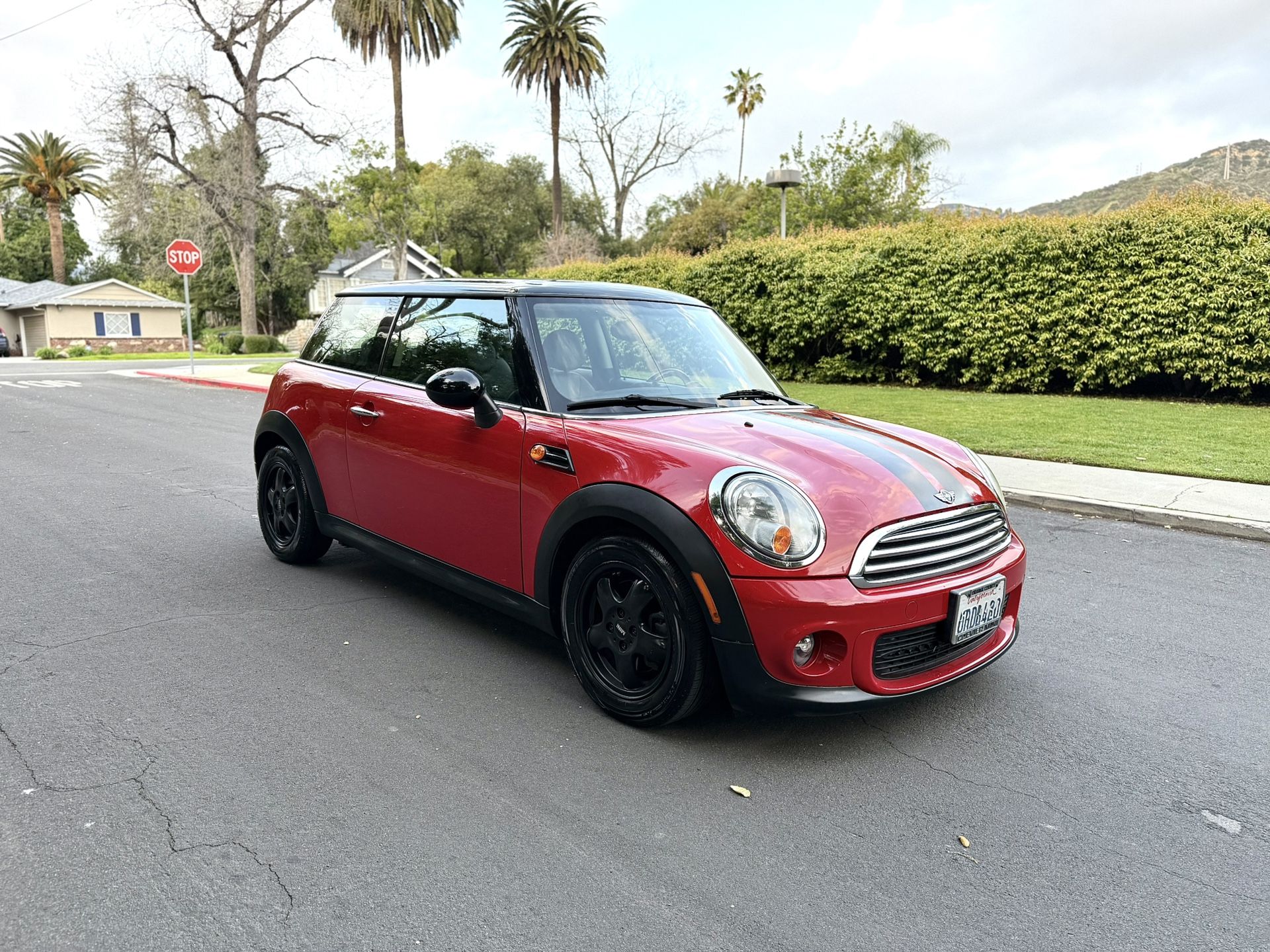
The 2011 Mini Cooper represents a significant high point for the second-generation "New Mini" era. This model year introduced the "Life Cycle Impulse" (LCI) refresh, which replaced the problematic early N14 engines with the more robust N18 powerplants, improved interior ergonomics, and marked the debut of the versatile Countryman crossover.
For drivers in 2026 looking at the used market, the 2011 Mini Cooper remains a stylish, engaging, and relatively affordable entry into the world of European enthusiast cars. While it retains the iconic "bulldog" stance and go-kart handling that defined the brand’s revival, the 2011 updates addressed many of the mechanical shortcomings found in the 2007–2010 models. However, owning one requires a clear understanding of its specific maintenance needs, particularly regarding the turbocharged variants.
The 2011 Refresh: What Changed?
In the automotive world, mid-cycle refreshes are often superficial, consisting of a new bumper or updated wheel designs. For the 2011 Mini Cooper, the changes were much deeper. This was the year Mini moved to the N16 (Naturally Aspirated) and N18 (Turbocharged) engines. These engines featured BMW’s Valvetronic technology, which improved throttle response and fuel efficiency while significantly reducing the frequency of the catastrophic timing chain failures that plagued earlier R56 models.
Visually, the 2011 model received subtle but effective exterior tweaks. The front bumpers were redesigned to better accommodate pedestrian safety regulations, and the air intakes became more pronounced on the "S" models. Inside, the largest improvement was the shift from silver to black buttons on the center console. This seemingly minor change drastically improved the cabin's perceived quality and resolved the "peeling paint" issues common on earlier silver-finished switches.
Performance and Trim Levels
The 2011 Mini Cooper was offered in four primary body styles: the classic Hardtop (R56), the Convertible (R57), the elongated Clubman (R55), and the then-new, four-door Countryman (R60). Choosing the right trim level is the most critical decision for any prospective buyer.
The Base Cooper
The base model features a 1.6-liter four-cylinder engine producing 121 horsepower. While it lacks the punch of the turbocharged variants, it is often considered the most reliable version of the 2011 lineup. Because it is naturally aspirated, it avoids the carbon buildup and turbo-related heat issues found in the Cooper S. It is a perfect city car—zippy, easy to park, and capable of achieving nearly 37 MPG on the highway.
The Cooper S
The Cooper S is the enthusiast's choice, featuring a twin-scroll turbocharged version of the 1.6-liter engine producing 181 horsepower. The 2011 Cooper S introduced the N18 engine, which added Valvetronic to the intake side. This provided a much wider torque curve, making the car feel significantly faster in real-world driving. The "S" model also includes a sport-tuned suspension and the iconic hood scoop (though, on the R56, this scoop is non-functional and purely aesthetic).
The John Cooper Works (JCW)
For those who demand maximum performance, the JCW trim pushed the output to 208 horsepower. It featured an upgraded turbocharger, a high-flow exhaust, and beefier Brembo brakes. In 2011, the JCW was the pinnacle of Mini performance, though it did retain the older N14 engine architecture for a short transition period in some markets, making it a more temperamental choice for long-term reliability compared to the standard 2011 Cooper S.
Driving Dynamics: The Go-Kart Feel
The 2011 Mini Cooper continues to be praised for its "go-kart" handling. This is not just marketing jargon; the car utilizes a sophisticated multi-link rear suspension—a rarity in the subcompact segment—and a very quick steering rack.
When you turn the wheel in a 2011 Mini, the response is immediate. There is virtually no body roll in the Hardtop models, and the short wheelbase makes it incredibly agile on twisty backroads. However, this agility comes at a cost: ride quality. The suspension is stiff, and when paired with the factory-standard run-flat tires, the ride can feel jarring over potholes or uneven pavement. Many owners in 2026 opt to switch to traditional pneumatic tires to improve daily comfort and reduce cabin rattles.
| Feature | 2011 Cooper (Base) | 2011 Cooper S | 2011 Cooper JCW |
|---|---|---|---|
| Engine | 1.6L Naturally Aspirated | 1.6L Turbocharged (N18) | 1.6L Turbocharged (N14/N18) |
| Horsepower | 121 hp | 181 hp | 208 hp |
| Torque | 114 lb-ft | 177 lb-ft (192 w/ Overboost) | 192 lb-ft (207 w/ Overboost) |
| 0-60 MPH | 8.4 Seconds | 6.6 Seconds | 6.2 Seconds |
| Fuel Economy (Hwy) | ~37 MPG | ~35 MPG | ~33 MPG |
| Drivetrain | FWD | FWD | FWD |
Interior Design and Practicality
The interior of the 2011 Mini Cooper is a polarizing mix of retro charm and ergonomic eccentricity. The most prominent feature is the massive, dinner-plate-sized speedometer located in the center of the dashboard. While it pays homage to the original 1959 Mini, it is difficult to read while driving. Most drivers rely on the digital speedometer housed within the tachometer directly behind the steering wheel.
Tech and Infotainment
2011 saw the introduction of Mini Connected, an early smartphone integration system. By 2026 standards, the system feels dated, but it was revolutionary at the time, offering integrated maps and web radio. Most used models today will have a basic radio setup with orange-on-black text, which is actually preferred by many enthusiasts for its simplicity and lower failure rate compared to the early navigation screens.
Space and Comfort
Space is at a premium in the R56 Hardtop. The front seats are surprisingly spacious even for tall drivers, offering excellent bolstering and legroom. The rear seats, however, are essentially "emergency-only" or best used as a parcel shelf. If you need to transport adults in the rear, the 2011 Mini Countryman or the Clubman are the only viable options. The Clubman features a unique "Clubdoor" on the passenger side—a small, rear-hinged door that eases access to the back row.
Reliability and Common Issues
Buying a 2011 Mini Cooper in 2026 requires a "pre-purchase inspection" (PPI) by a specialist. While the 2011 model is more reliable than the 2007–2010 versions, it is still a complex European car that does not tolerate deferred maintenance.
- Oil Consumption: Both the N16 and N18 engines are known to consume oil. Owners should check oil levels every two weeks. Running these engines low on oil is the primary cause of timing chain wear.
- High-Pressure Fuel Pump (HPFP): The Cooper S is prone to HPFP failure. Symptoms include long cranking times during start-up or a "limp mode" warning under hard acceleration.
- Thermostat Housing: The plastic thermostat housing is a frequent leak point. It typically fails every 50,000 to 70,000 miles. Many owners replace them with aftermarket aluminum versions for better longevity.
- Carbon Buildup: Because the Cooper S uses direct injection, fuel never washes over the intake valves. Over time, carbon deposits build up, causing rough idling and lost power. A "walnut blasting" service is generally required every 60,000 miles.
- Oil Filter Housing Gaskets: Leaks from the oil filter housing are common and can drip onto the exhaust, causing a burning smell.
Maintenance and Ownership Costs
The 2011 Mini Cooper is not a "budget" car in terms of upkeep. It requires premium fuel (91 octane or higher) and high-quality synthetic oil (specification BMW Longlife-01).
In 2026, many parts are readily available through both OEM and aftermarket channels, which helps keep repair costs manageable if you use an independent European auto shop. However, dealership labor rates for Minis remain high. A typical annual maintenance budget for a 2011 Cooper should be between $1,000 and $1,500 to cover routine oil changes, brakes, and the occasional sensor or gasket replacement.
Frequently Asked Questions
Is the 2011 Mini Cooper a reliable daily driver?
Yes, provided it has been well-maintained. The 2011 model year benefited from the N18 engine update, which fixed the most severe reliability issues of the previous years. However, it requires more frequent checks (especially oil levels) than a typical Japanese subcompact. It is best suited for someone who enjoys driving and doesn't mind staying on top of a maintenance schedule.
Does the 2011 Mini Cooper require premium gas?
Yes, Mini recommends 91 octane or higher for all 2011 models. Using lower-grade fuel can lead to "knocking" or "pinging," and in the turbocharged Cooper S and JCW models, it can cause the engine computer to retard timing, significantly reducing performance and fuel efficiency.
What is the difference between the R56 and the Countryman?
The R56 is the traditional 2-door Hardtop. The 2011 Countryman (R60) was the first Mini with four doors, five seats, and an optional ALL4 all-wheel-drive system. The Countryman is significantly larger and heavier, offering a more cushioned ride but losing some of the "go-kart" agility found in the Hardtop.
Are 2011 Mini Coopers expensive to insure?
Insurance costs for a 2011 Mini Cooper are generally moderate. While they are considered "premium" cars, their age in 2026 helps keep premiums down. However, the Cooper S and JCW trims may carry slightly higher rates due to their performance orientation.
How long do 2011 Mini Cooper engines last?
With proper maintenance, specifically frequent oil changes (every 5,000 miles rather than the factory-suggested 10,000+ miles), these engines can easily surpass 150,000 to 200,000 miles. The key is preventing oil starvation and addressing cooling system leaks immediately.
Final Recommendation
The 2011 Mini Cooper is the "sweet spot" for buyers looking for the classic R56 aesthetic without the catastrophic engine failures of the earlier years. It offers a pure, analog driving experience that is increasingly hard to find in 2026's world of electric power steering and heavy battery packs.
If you are looking for a commuter that you can occasionally take to a track day or a canyon road, the 2011 Cooper S with a manual transmission is the definitive choice. If you simply want the style and fuel economy for city driving, the Base Cooper is the safer, more economical bet. Always verify the service history for oil changes and cooling system repairs before finalizing a purchase.