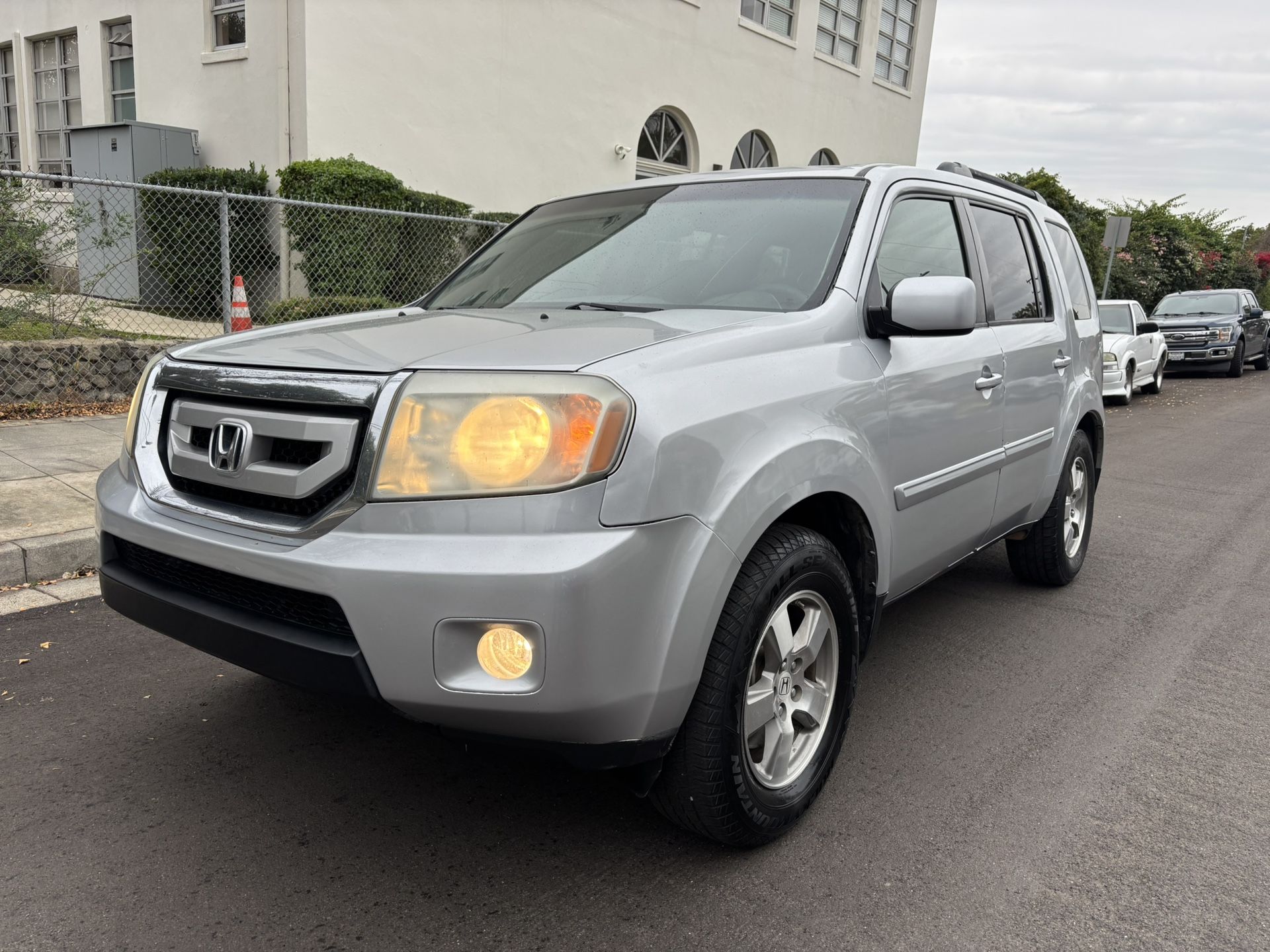
The 2010 Honda Pilot is widely recognized as a practical, family-friendly three-row crossover SUV, but it is not without mechanical faults. Common issues for this model year include excessive oil consumption in V6 engines equipped with Variable Cylinder Management, rear differential binding and fluid breakdown, power steering pump leaks, and interior accessory or electrical glitches. Addressing these concerns early helps maintain long-term vehicle reliability.
Introduction to the 2010 Honda Pilot
As part of the second generation of Honda’s midsize crossover lineup (spanning from the 2009 through the 2015 model years), the 2010 Honda Pilot was built to serve families needing cargo versatility, comfortable seating for up to eight passengers, and towing capability. Under the hood, it features a 3.5-liter V6 engine paired with a 5-speed automatic transmission, available in both front-wheel drive and Variable Torque Management four-wheel-drive (VTM-4) configurations.
While the second-generation Pilot earned praise for its boxy interior packaging, strong safety scores, and solid build quality, time and mileage have revealed several persistent engineering quirks. Prospective buyers, current owners, and mechanics often evaluate these specific mechanical and electrical faults to determine maintenance priorities and ownership costs. Understanding these issues helps prevent expensive component failures and keeps the vehicle operating smoothly.
Major Mechanical Issues: V6 Engine and Oil Consumption
The most heavily discussed mechanical problem involving the 2010 Honda Pilot centers around its 3.5-liter V6 engine (specifically the J35Z4 engine variant), particularly when paired with the Variable Cylinder Management (VCM) system.
Variable Cylinder Management (VCM) and Oil Consumption
VCM is an emissions and fuel-saving technology that deactivates three or four cylinders under light-load driving conditions, running the engine as a 3-cylinder or 4-cylinder unit. While effective on paper, long-term use of VCM in the second-generation Pilot frequently leads to excessive oil consumption.
Over time, oil can pass the piston rings on the deactivated cylinders, leading to fouled spark plugs, misfires, illuminated check engine lights, and potential internal engine damage if the oil level drops critically low between standard oil change intervals. Owners experiencing this issue often notice sudden oil loss without any external leaks under the vehicle.
Solutions and Prevention for VCM Wear
- Frequent Oil Checks: Owners must check their engine oil dipstick every time they fill up with fuel to catch consumption before it triggers low-oil pressure warnings.
- Spark Plug Inspections: Regular checks of the spark plugs can reveal oil fouling on cylinders 1, 2, 3, or scalar variations depending on the exact engine management generation.
- VCM Disable Devices: Many owners install aftermarket VCM disable harness devices. These plug-and-play electronic modules modify coolant temperature sensor inputs to the engine control unit (ECU), tricking the computer into keeping all six cylinders active continuously, thereby eliminating the root cause of VCM-related oil consumption.
Transmission and Drivetrain Reliability
While the 5-speed automatic transmission used in the 2010 Honda Pilot is generally robust compared to later multi-speed units, it requires strict maintenance schedules to prevent premature wear. Furthermore, the four-wheel-drive variants require specialized attention to the VTM-4 differential system.
Transmission Fluid Maintenance
Neglecting fluid changes is the primary catalyst for transmission failure in this era of Honda vehicles. Shifting delays, harsh engagements between gears, and slipping under acceleration usually indicate degraded fluid or clogged transmission filter screens.
VTM-4 Differential Binding and Noise
Vehicles equipped with the VTM-4 system can develop a distinct "moaning" or "groaning" noise from the rear axle area during tight, low-speed turns, such as when parking. This sound is caused by friction breakdown within the rear differential clutch packs. Fortunately, the fix is straightforward: draining and replacing the rear differential fluid with genuine Honda VTM-4 fluid usually resolves the noise immediately.
Steering and Suspension Component Wear
Weighing over 4,500 pounds, the 2010 Honda Pilot puts heavy structural stress on its steering and suspension systems. Components in these areas frequently require replacement by the time the vehicle crosses higher mileage thresholds.
Power Steering Pump and Hose Leaks
A common failure point is the power steering system. Power steering pumps can develop internal seal leaks, and the high-pressure rubber hoses can degrade, crack, and leak fluid. Symptoms include a whining noise when turning the steering wheel (especially in cold weather), heavy steering effort, and visible red or brown fluid pooling beneath the engine bay. Replacing worn hoses and rebuilding or replacing the power steering pump restores normal hydraulic assist.
Suspension Bushings and Struts
- Lower Control Arm Bushings: The rubber bushings on the front lower control arms tear over time, causing loose steering response, clunking noises over bumps, and uneven front tire wear.
- Struts and Mounts: Factory shock absorbers and strut mounts commonly wear out by 100,000 miles, leading to a floating ride quality, excessive nose dive under braking, and body roll in corners.
Electrical and Interior Accessory Faults
Beyond heavy mechanical systems, the 2010 Honda Pilot is known for minor electrical quirks and accessory failures that can frustrate drivers.
Bluetooth and HandsFreeLink Drain
The Bluetooth module (known as HandsFreeLink), which allows drivers to pair mobile phones to the audio system, is prone to internal electrical failure. When the module fails, it can remain powered on even when the vehicle is turned off and the key is removed. This causes a parasitic electrical draw that drains the vehicle's battery overnight, leaving the car unable to start. Disconnecting or replacing the HandsFreeLink module solves this battery drain issue.
Air Conditioning and Climate Control Failures
Dual-zone automatic climate control systems in the Pilot occasionally suffer from blend door actuator failures. When these small electric motors fail, passengers may experience hot air blowing from one side of the vehicle and cold air from the other, or the system may fail to direct air to the correct cabin vents.
Summary of Common 2010 Honda Pilot Issues
| System / Component | Common Symptom | Root Cause | Recommended Action |
|---|---|---|---|
| Engine (VCM) | High oil consumption, fouled spark plugs, engine misfires | Piston ring oil blow-by during cylinder deactivation | Monitor oil levels frequently; install a VCM disable device |
| Drivetrain (VTM-4) | Groaning noise from rear axle during tight turns | Breakdown of fluid friction modifiers in rear differential | Drain and refill differential with genuine Honda VTM-4 fluid |
| Steering | Whining noise when turning, heavy steering feel | Power steering pump seal wear or degrading high-pressure hose | Replace leaking hoses and service or replace the steering pump |
| Electrical | Dead battery after sitting overnight | Internal short circuit in the Bluetooth/HandsFreeLink module | Disconnect or replace the faulty Bluetooth module |
| Interior / HVAC | Unbalanced cabin temperatures, air not routing properly | Failure of electronic HVAC blend door actuators | Diagnose and replace the malfunctioning actuator motor |
Frequently Asked Questions
Is the 2010 Honda Pilot a reliable vehicle?
Yes, the 2010 Honda Pilot is generally considered a durable and dependable SUV that can easily exceed 200,000 miles with proper care. However, like any aging vehicle, its reliability depends heavily on whether previous owners adhered to strict maintenance intervals and addressed known issues like VCM oil consumption and differential fluid changes.
How do I know if my 2010 Honda Pilot has a VCM problem?
The primary indicator of a VCM issue is sudden, unexplained oil loss between oil changes without any visible external leaks. You may also experience illuminated check engine lights accompanied by diagnostic trouble codes for cylinder misfires (such as P0301, P0302, or P0303) and oil-fouled spark plugs upon inspection.
What fluid should I use in the 2010 Honda Pilot rear differential?
You must use genuine Honda VTM-4 differential fluid. Using generic gear oils or standard automatic transmission fluid can cause severe clutch chatter, binding, and permanent damage to the four-wheel-drive differential system.
Why does my steering wheel whine when I turn it?
Steering whine in a 2010 Honda Pilot is usually caused by low fluid levels in the power steering reservoir resulting from a failing power steering pump o-ring seal or a leaking pressure hose. Inspect the system for leaks immediately, top off with approved fluid, and replace worn hydraulic lines to prevent pump failure.
Can the Bluetooth battery drain issue be fixed without buying a new module?
Yes. If your HandsFreeLink module fails and drains your battery, you can simply unplug the module located behind the upper dashboard trim or fuse panel. While this disables factory Bluetooth hands-free calling functionality, it immediately stops the parasitic electrical draw and preserves your battery life without requiring an expensive replacement part.
Recommendation and Next Actions
If you currently own or plan to purchase a 2010 Honda Pilot, prioritize a thorough pre-purchase inspection or mechanical review focusing on the engine oil level, transmission fluid condition, and rear differential noise. For existing owners, check your engine oil weekly, budget for routine fluid exchanges every 30,000 to 50,000 miles, and consider installing a VCM disable device to protect your engine's internal components from premature oil consumption wear.