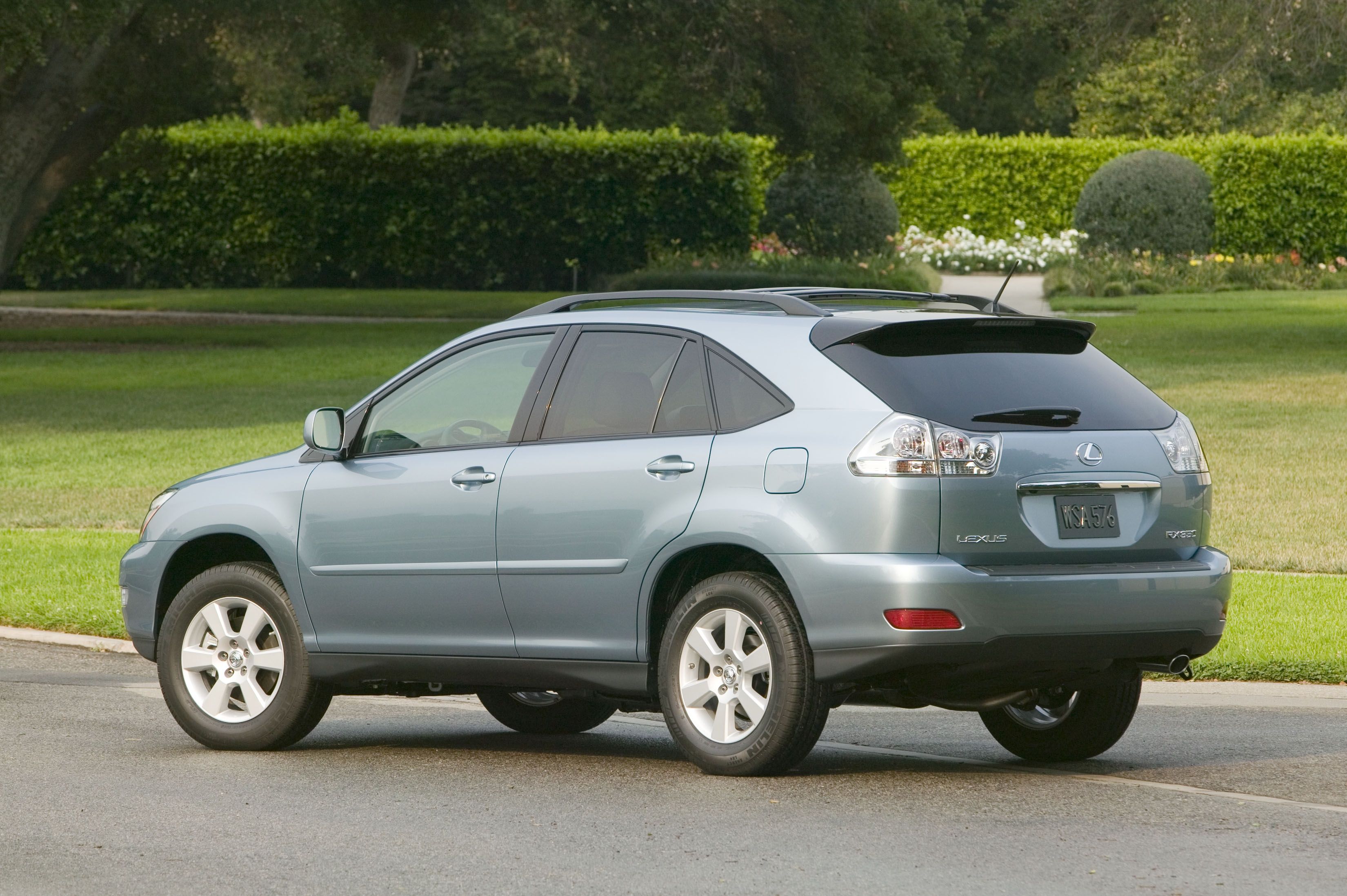
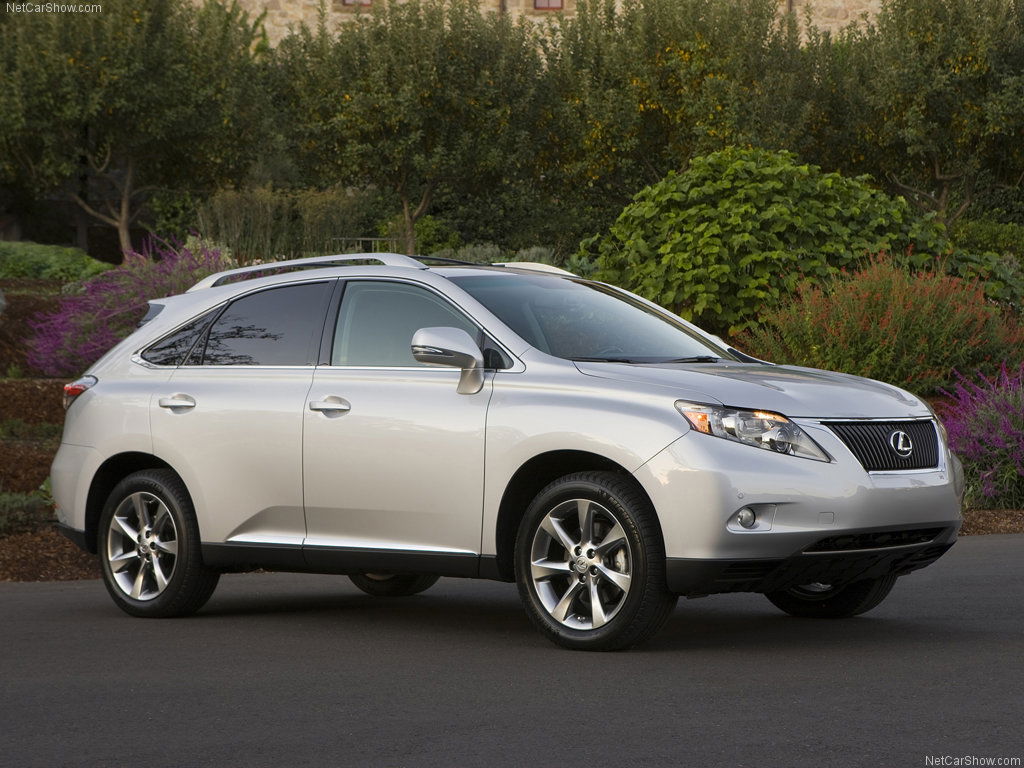
The 2007 Lexus RX350 is widely regarded as a pinnacle of luxury crossover reliability, though owners may encounter specific technical issues as these vehicles age. The most prevalent concerns involve oil leaks from the VVT-i oil lines, dashboard cracking due to material degradation, and minor electrical glitches associated with the power liftgate or sunroof mechanisms.
Historical Context and Reliability Overview
The 2007 Lexus RX350 belongs to the second generation (XU30) of the RX lineup. It is powered by the 3.5-liter 2GR-FE V6 engine, a workhorse utilized across the Toyota and Lexus portfolio during that era. While the vehicle maintains a strong reputation for longevity, high mileage often leads to wear-related complications. For owners today, the majority of "problems" are not systemic mechanical failures that total the car, but rather manageable maintenance items and aging plastic components that require professional attention.
When evaluating a used 2007 RX350 in 2026, it is vital to distinguish between major mechanical risks and cosmetic or convenience-based failures. Because the vehicle has been on the road for nearly two decades, rubber seals, gaskets, and electronic sensors are subject to natural degradation regardless of the brand’s initial build quality.
Primary Mechanical Concerns
VVT-i Oil Hose Leak
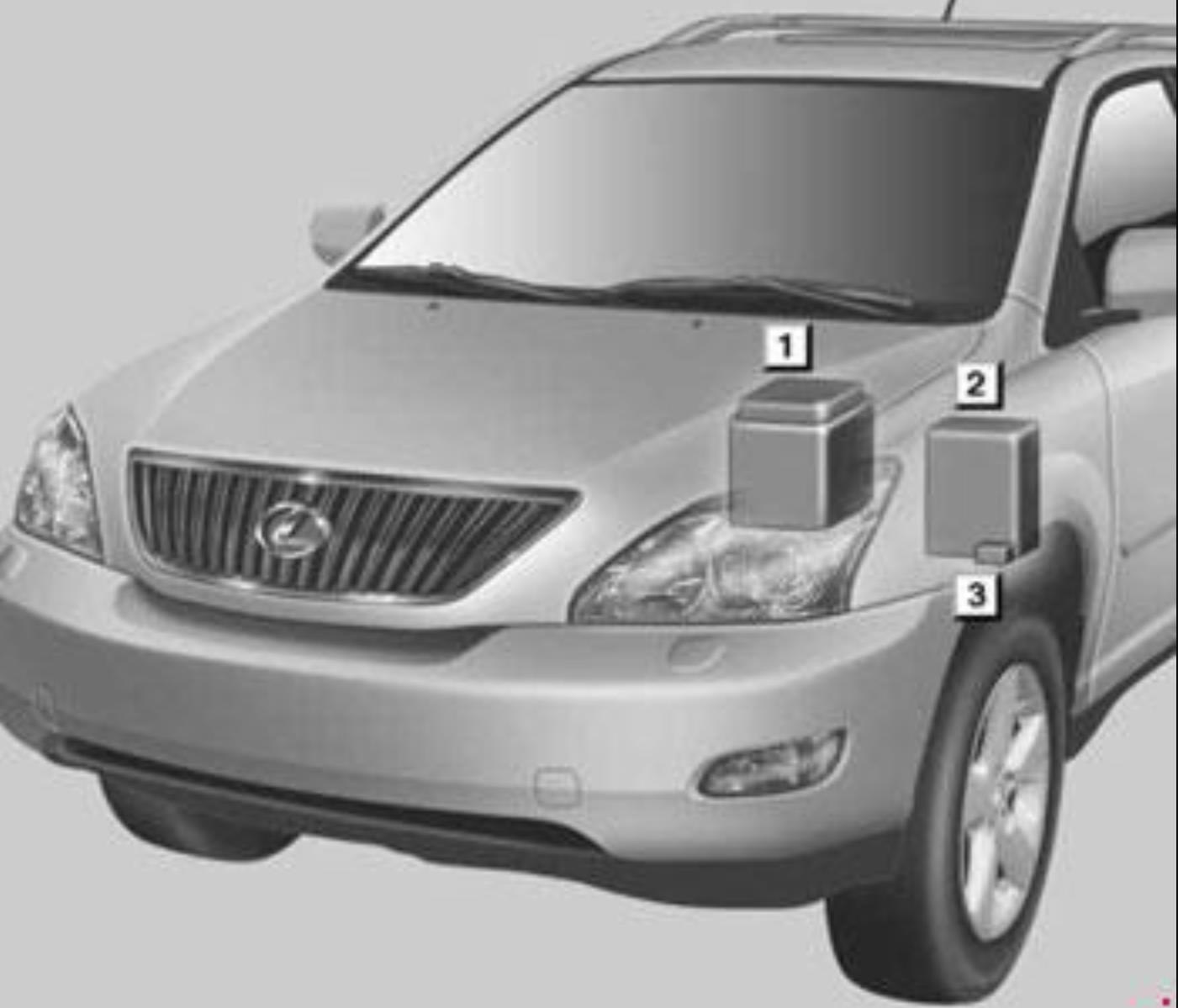
One of the most documented issues with the 2007 RX350 involves the Variable Valve Timing-intelligent (VVT-i) oil cooler hose. Early production models used a rubber section in the oil line that is prone to bursting under pressure. A failure here causes rapid oil loss, which can lead to catastrophic engine damage if the oil pressure drops below critical levels while the vehicle is in motion.
- Diagnosis: Look for fresh oil spots on the ground or under the engine bay, specifically near the passenger side of the engine block.
- Solution: Lexus issued a service campaign for this component. If a vehicle has not had the rubber hose replaced with the updated, all-metal version, it should be prioritized for immediate replacement. This is a relatively inexpensive preventative repair compared to the cost of an engine rebuild.
Steering Rack and Pinion Leaks
As vehicles of this vintage accumulate mileage, the seals within the steering rack often begin to weep power steering fluid. Owners may notice the need to top off the reservoir more frequently or observe a "whining" sound when turning the steering wheel, indicating air in the system or a pump working against low fluid levels. While not an immediate safety hazard, steering rack leaks can contaminate suspension bushings, causing them to degrade prematurely.
Interior and Cosmetic Degradation
Dashboard Melting or Cracking
A well-known issue across several Toyota and Lexus models from the 2004–2009 period is the "melting" or "sticky" dashboard. High UV exposure and heat cause the soft-touch plastic material to break down chemically, leading to a tacky surface that attracts dust and eventually develops deep cracks. While Toyota offered extended warranty coverage for this issue in the past, that program has largely concluded for the 2007 model year.
- Mitigation: By 2026, many owners have opted for high-quality, custom-fitted dashboard covers (dash mats) to hide the damage. Professional restoration or complete replacement of the dashboard assembly is possible but often economically prohibitive compared to the residual value of the vehicle.
Power Liftgate Malfunctions
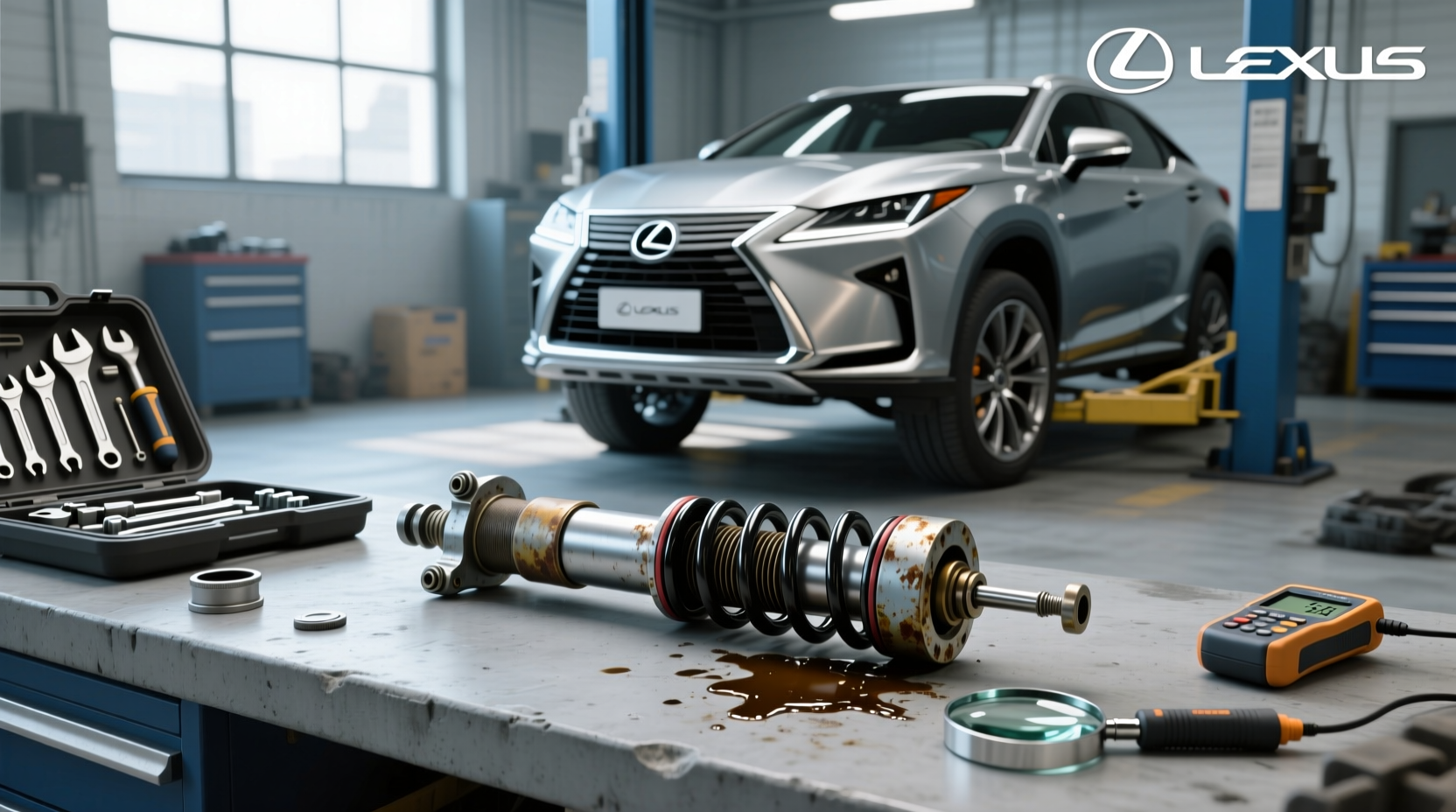
The power rear hatch is a convenient feature that, when it fails, can be frustrating to troubleshoot. Common culprits include the liftgate motor burning out or the pinch sensors failing, which causes the hatch to reverse direction unexpectedly. Additionally, the struts that hold the hatch open lose their pressurized gas over time, causing the gate to sag or close unexpectedly in cold weather.
Common Troubleshooting and Maintenance Table
| Issue Category | Common Symptom | Typical Root Cause | Potential Severity |
|---|---|---|---|
| Engine | Sudden oil loss/warning light | VVT-i oil line rupture | High |
| Interior | Sticky or cracked dash | Material UV degradation | Low (Cosmetic) |
| Electrical | Hatch won't close/open | Worn motor or sensor | Moderate |
| Suspension | Clunking over bumps | Worn strut mounts/bushings | Moderate |
| Steering | Fluid level low/whining | Rack and pinion seal wear | Moderate |
Addressing Electrical and Accessory Failures
Beyond the major mechanical systems, the 2007 RX350 features a variety of electronic accessories that may experience "ghost" issues as the wiring harnesses age.
- Sunroof Initialization: If the moonroof stops operating or fails to close fully, it may simply have lost its "zero position." This often occurs after a battery disconnect. The system typically requires a manual reset procedure, usually involving holding the tilt/slide button for a specific duration until the mechanism cycles.
- Door Lock Actuators: It is not uncommon for individual door lock actuators to seize. This often manifests as a door that will not lock or unlock via the key fob, requiring the user to operate the lock manually. The fix involves replacing the actuator unit within the door panel.
- Battery Drain: Owners who leave the vehicle stationary for extended periods may find that the battery dies more quickly than expected. This can be caused by the vehicle's alarm system or an aftermarket accessory that creates a "parasitic draw." Ensuring the battery terminals are clean and tight is the first step in troubleshooting these occurrences.
Preventative Maintenance Best Practices
For a 2007 Lexus RX350, longevity is highly correlated with the quality of maintenance. While the engine is robust, it relies on clean lubrication to keep the VVT-i system functioning correctly.
- Oil Change Intervals: Stick to a 5,000-mile interval using high-quality synthetic oil. This helps prevent sludge buildup in the variable valve timing oil screens, which can eventually restrict oil flow.
- Cooling System Care: At this vehicle's age, ensure the cooling system is flushed periodically. Degraded coolant can become acidic, which accelerates the corrosion of the radiator and heater core.
- Fluid Checks: Monitor the transmission fluid. While the manual may have referred to it as "lifetime fluid," professional mechanics generally recommend a drain-and-fill service every 60,000 to 80,000 miles to extend the life of the transmission solenoids.
When to Consult a Professional
While many owners enjoy performing their own maintenance, certain 2007 Lexus RX350 problems require specific diagnostic tools. If the Check Engine Light (CEL) illuminates, the vehicle will output a Diagnostic Trouble Code (DTC). Attempting to guess the repair based on symptoms alone often leads to the "parts cannon" approach, where owners replace expensive components unnecessarily.
For instance, a VSC (Vehicle Stability Control) light often illuminates in tandem with the Check Engine light. This is a default setting in the Lexus ECU (Engine Control Unit) to disable stability systems when a fault is detected in the engine management system. Solving the underlying engine code—often related to an oxygen sensor or ignition coil—will usually clear the VSC light automatically.
Frequently Asked Questions
Is the 2007 Lexus RX350 considered an unreliable vehicle? No, it is widely considered one of the most reliable luxury SUVs of its era. Most problems encountered are typical for a vehicle that has been in service for nearly 20 years, relating more to aging components and maintenance than fundamental design flaws.
Should I be worried about the VVT-i oil line failure? Yes, this is a critical issue. If your 2007 RX350 still has the original rubber-hosed VVT-i oil line, it should be replaced with the updated steel version immediately to prevent sudden oil loss and potential engine seizure.
Why is my dashboard sticky or cracking? This is a known manufacturing issue related to the composition of the dashboard plastic during that production cycle. It is a cosmetic degradation caused by sunlight and heat and does not affect the safety or drivability of the car.
What is the most common reason for a check engine light on this model? The most frequent causes include oxygen sensor failures or ignition coil malfunctions, both of which are common wear items at higher mileage. Always have the vehicle scanned for specific OBD-II codes before attempting any repairs.
Are parts still readily available for the 2007 RX350? Yes. Because the 3.5L V6 engine and many chassis components were shared with the Toyota Highlander and other vehicles, parts availability remains excellent through both OEM and aftermarket channels.
Final Recommendation
The 2007 Lexus RX350 remains a highly capable and comfortable vehicle even by 2026 standards. If you are considering purchasing one, prioritize finding a unit with a documented service history. Focus your inspection on the VVT-i oil line, the condition of the steering rack, and any evidence of transmission fluid health. If these areas are addressed, the vehicle is likely to provide many more years of reliable service. Always consult with a trusted mechanic for a pre-purchase inspection to identify any specific hidden issues unique to the individual vehicle.