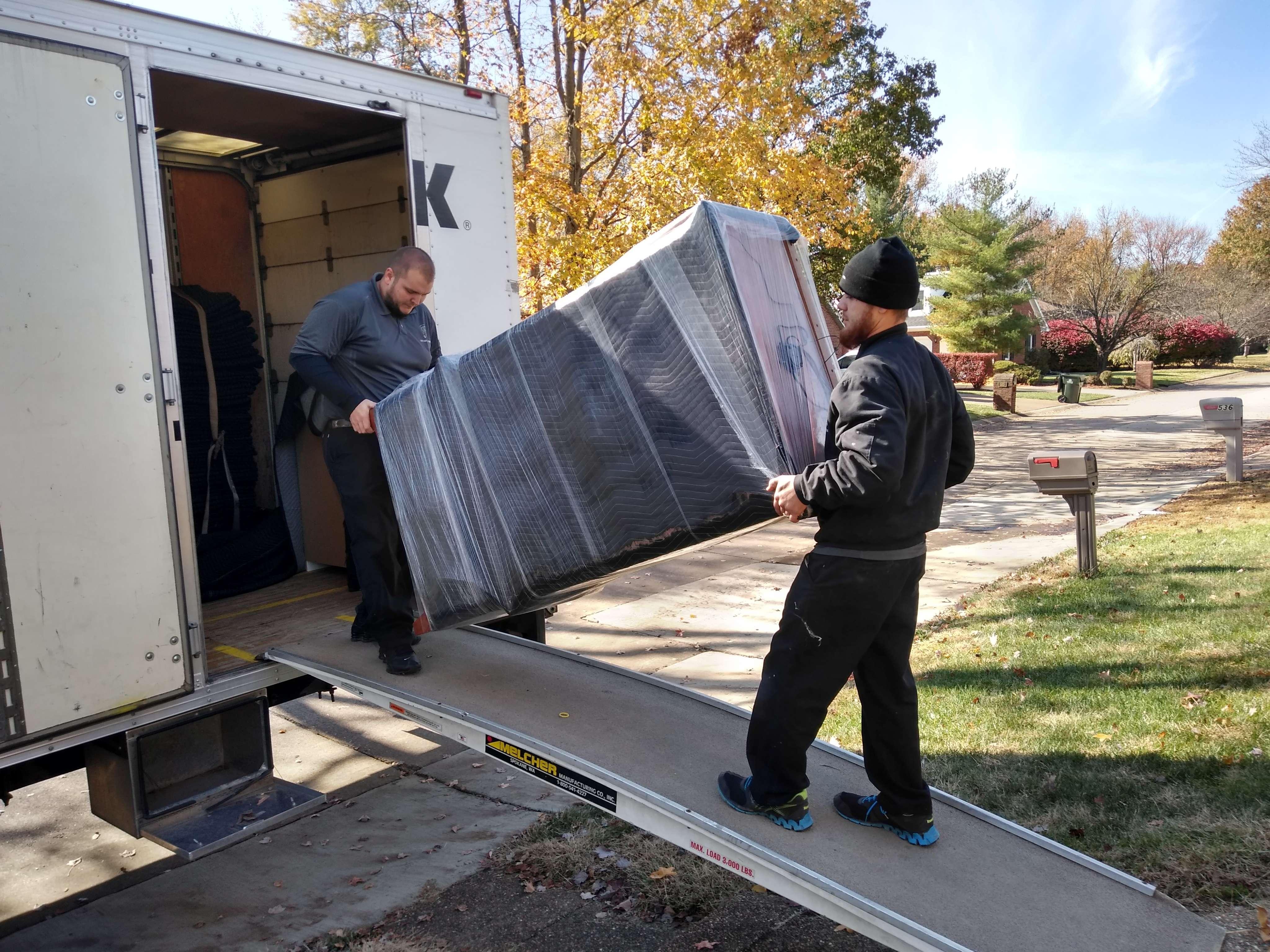
Navigating a relocation in the sprawling Houston metropolitan area requires careful logistical planning, an understanding of local moving regulations, and an assessment of whether a specialized two-person crew fits your specific household or office needs. Whether you are transitioning from a compact apartment in Montrose, a high-rise downtown, or a suburban single-family home in Katy, hiring professional movers ensures that your heavy furniture, electronics, and fragile possessions are transported safely and efficiently.
Understanding the Houston Moving Landscape
Houston is the fourth-largest city in the United States, spanning over 600 square miles across multiple counties, primarily Harris and Fort Bend. Because of its massive geographic footprint, distance, traffic patterns, and local infrastructure play critical roles in the execution of any relocation project. Moving across town can easily turn into an all-day event if navigating corridors like Interstate 10, Loop 610, or Beltway 8 during peak traffic hours.
When searching for moving services, the phrase "two men movers Houston" often refers either to the general industry model of a standard two-person moving crew or to specific regional moving companies operating in Texas. A standard two-person crew is typically recommended for smaller moves—such as studio apartments, one-bedroom units, or partial office relocations—whereas larger residences require three or more personnel to maintain operational efficiency. Evaluating your inventory size accurately against the labor capacity of your crew is the first step in avoiding costly delays and logistical bottlenecks on moving day.
When to Choose a Two-Person Moving Crew
A two-person moving team is a highly cost-effective solution for specific types of relocations, but it is not universally applicable to every property size. Understanding the operational limits of a two-person crew helps manage expectations and ensures the move proceeds smoothly without unexpected labor shortages.
Ideal Scenarios for Two Movers
- Studio and One-Bedroom Apartments: Moves involving minimal furniture, standard mattress sets, a few boxes, and light appliances generally take between two to four hours with an experienced two-person team.
- Dormitories and Student Housing: College relocations within the Houston area—such as moves near the University of Houston or Rice University—benefit significantly from streamlined two-man crews that can easily navigate tight campus loading zones.
- Partial Household Moves: If you are only moving specific heavy items (like a safe, a piano, or a sectional sofa) out of storage or into a new layout, paying for a massive crew is unnecessary.
- Storage Unit Transfers: Loading or unloading a 10-foot or 15-foot moving truck from a self-storage facility can be efficiently managed by two professional laborers.
Limitations of Small Crews
- Large Multi-Bedroom Homes: Moving a three-to-four-bedroom house requires loading bulky items, disassembling complex furniture, and navigating stairs. A two-person crew will experience significant fatigue, leading to extended hourly billing and potential safety risks.
- Strict Time Constraints: If your apartment complex or condominium association enforces a narrow, rigid time window for elevator reservations and loading dock access, a small crew may struggle to meet the deadline.
- Excessive Heavy Lifting: Items weighing over 300 pounds—such as slate pool tables, commercial refrigerators, or large gun safes—frequently require a minimum of three or four technicians to maneuver safely through hallways and around tight corners.
Preparing for Your Houston Move: Step-by-Step
A successful relocation depends heavily on pre-move preparation. Professional movers arrive ready to work, but the speed and efficiency of their labor depend entirely on how well-organized your belongings are when they walk through the door.
1. Declutter and Purge Inventory
Before requesting quotes or scheduling a moving date, systematically sort through your belongings. Houston real estate and rental prices make square footage valuable; paying to pack, transport, and unpack items you no longer use is inefficient. Donate clothing, sell unwanted electronics, and properly dispose of hazardous materials that professional movers are legally prohibited from transporting.
2. Procure Quality Packing Materials
Using uniform, sturdy boxes significantly accelerates the loading process. Standardize your packing with small, medium, and heavy-duty wardrobe boxes. Invest in bubble wrap, packing paper, and heavy-duty sealing tape. Clearly label every box on the top and sides with its destination room and a brief description of its contents.
3. Address Prohibited Items
Texas moving regulations and Department of Transportation guidelines prohibit commercial movers from transporting hazardous, combustible, or perishable items. Make alternative arrangements for the following materials:
- Propane tanks (grills must be empty and disconnected)
- Gasoline, motor oil, and automotive fluids
- Pesticides, fertilizers, and liquid bleach
- Aerosol cans and high-pressure cylinders
- Perishable food items for long-distance transit
4. Reserve Building Access and Parking Permits
If you reside in a high-rise condominium in Downtown Houston, the Galleria area, or the Texas Medical Center, contact your property management weeks in advance. You must reserve the service elevator and loading dock. Similarly, if you live on a narrow residential street in the Houston Heights or Montrose, discuss parking logistics with your moving coordinator to ensure the 26-foot moving truck can park legally and safely without obstructing emergency vehicles.
Evaluating Costs, Rates, and Pricing Structures
Understanding how moving companies structure their pricing prevents unexpected financial surprises on moving day. Most local moves within the Houston area are billed on an hourly rate basis, while long-distance relocations are calculated based on weight and mileage.
Standard Cost Factors
- Labor Hours: A standard two-man crew typically bills at an hourly rate that covers the physical labor, the truck, basic moving blankets, dollies, and standard tools for furniture disassembly and reassembly.
- Travel Fees: Because Houston is geographically vast, companies often charge a standard "fuel surcharge" or a flat "travel time fee" to cover the transit from their dispatch terminal to your origin address, and from your destination back to their facility.
- Valuation and Insurance: Basic carrier liability (often mandated by state law at minimal cents per pound) is included, but comprehensive transit protection requires purchasing Full Value Protection (FVP) or third-party insurance.
- Specialty Item Surcharges: Handling upright pianos, oversized armoires, or heavy gym equipment requires specialized rigging skills and incurs additional flat fees.
Moving Company Cost Comparison
| Crew Size & Service Level | Average Hourly Rate Range | Best Suited For | Estimated Time (Average 1-Bed) |
|---|---|---|---|
| 2 Men & 1 Truck | $100 – $150 per hour | Studios, 1-bedroom apartments, small storage units | 2 to 4 hours |
| 3 Men & 1 Truck | $140 – $200 per hour | 2-bedroom apartments, small townhomes | 3 to 5 hours |
| 4 Men & 1-2 Trucks | $190 – $270 per hour | 3+ bedroom homes, large residential estates | 5 to 8 hours |
Note: Rates vary based on seasonal demand, peak moving dates (such as end-of-month surges and summer weekends), and specific fuel costs.
Verifying Credentials and Protecting Your Belongings
The moving industry contains both reputable licensed professionals and unlicensed operators ("rogue movers"). Before signing a contract or handing over a deposit for your Houston move, verify the legitimacy of the company to protect your financial interests and physical property.
Regulatory Compliance in Texas
Intrastate moving companies operating entirely within the state of Texas must register with the Texas Department of Motor Vehicles (TxDMV). You can verify a company's active status, safety record, and official registration number by checking the TxDMV database. Ensure the company holds a valid Texas Certificate (TxDMV Number) and maintains mandatory cargo and liability insurance policies.
Red Flags to Watch Out For
- Cash-Only Demands: Legitimate moving companies accept major credit cards and structured business payments. Be wary of operators demanding cash upfront with no written estimate.
- Extremely Low Estimates: If a quote is significantly lower than every competitor in the market, it is often a tactic to hook customers before adding hidden fees on moving day.
- Lack of Physical Address: Verify that the moving company has a verified local office or warehouse in the Greater Houston area rather than a temporary P.O. box or an unverified virtual listing.
- Blank Estimates: Never sign a blank contract or an estimate that lacks a binding or non-binding "not-to-exceed" price ceiling.
Frequently Asked Questions
How long does a standard two-men move take for a one-bedroom apartment in Houston?
For a standard one-bedroom apartment with average furniture volume and pre-packed boxes, an efficient two-man crew typically requires between two and four hours. This timeframe assumes that heavy furniture is disassembled in advance, boxes are properly sealed, and elevator or parking access is secured without delays.
Are packing services included when hiring a two-person moving crew?
Generally, standard hourly moving quotes cover loading, transport, and unloading. Full-packing services—where movers arrive with boxes and pack your personal belongings room by room—must be requested and quoted in advance, often requiring additional crew members and extra time added to the project estimate.
What should I do if an item is damaged during the move?
Inspect all items immediately upon delivery and unloading. If you notice structural damage or missing items, note the discrepancy clearly on the bill of lading before signing the completion paperwork. Contact the moving company's customer service department immediately to file a formal claim under their selected valuation coverage policy.
Do I need to tip the moving crew?
Tipping is not legally mandatory, but it is customary in the moving industry to reward hard physical labor and careful handling of your possessions. A standard guideline is tipping between $20 to $40 per mover for a half-day job, or scaling up to 15% to 20% of the total moving bill for exceptional, strenuous service throughout a full day.
Can a two-man crew move a heavy piano or safe?
Standard two-man crews are not equipped or staffed to safely transport heavy specialty items like grand pianos, industrial safes, or heavy machinery. Attempting to move these items with insufficient labor creates severe safety hazards. Always disclose specialty items during the initial quote phase so the company can assign specialized equipment or extra personnel.
Conclusion and Next Action
Hiring a two-man moving crew in Houston is an efficient, cost-effective solution for small apartments, local apartment transfers, and targeted furniture deliveries. To ensure a seamless relocation, begin by decluttering your inventory, verifying company credentials through the Texas Department of Motor Vehicles, and securing all necessary parking and building permits ahead of schedule. Contact multiple verified local providers to obtain written estimates, and book your preferred moving date well in advance of peak end-of-month rushes.