As of 2026, converting 160,000 US Dollars (USD) to Indian Rupees (INR) yields approximately 14,160,000 INR, based on a projected mid-market exchange rate of 88.50 INR per 1 USD. This valuation reflects the ongoing economic dynamics between the United States and India, though the final amount received will vary based on transfer fees, bank margins, and current market volatility.
A transfer of $160,000 is considered a high-value transaction. Whether you are an NRI (Non-Resident Indian) repatriating funds, a business owner paying international vendors, or an investor looking into Indian real estate, understanding the nuances of this conversion is critical for maximizing your capital. In 2026, the currency corridor remains influenced by interest rate differentials, trade balances, and the increasing digitalization of cross-border payments.
The Economic Context of USD to INR in 2026
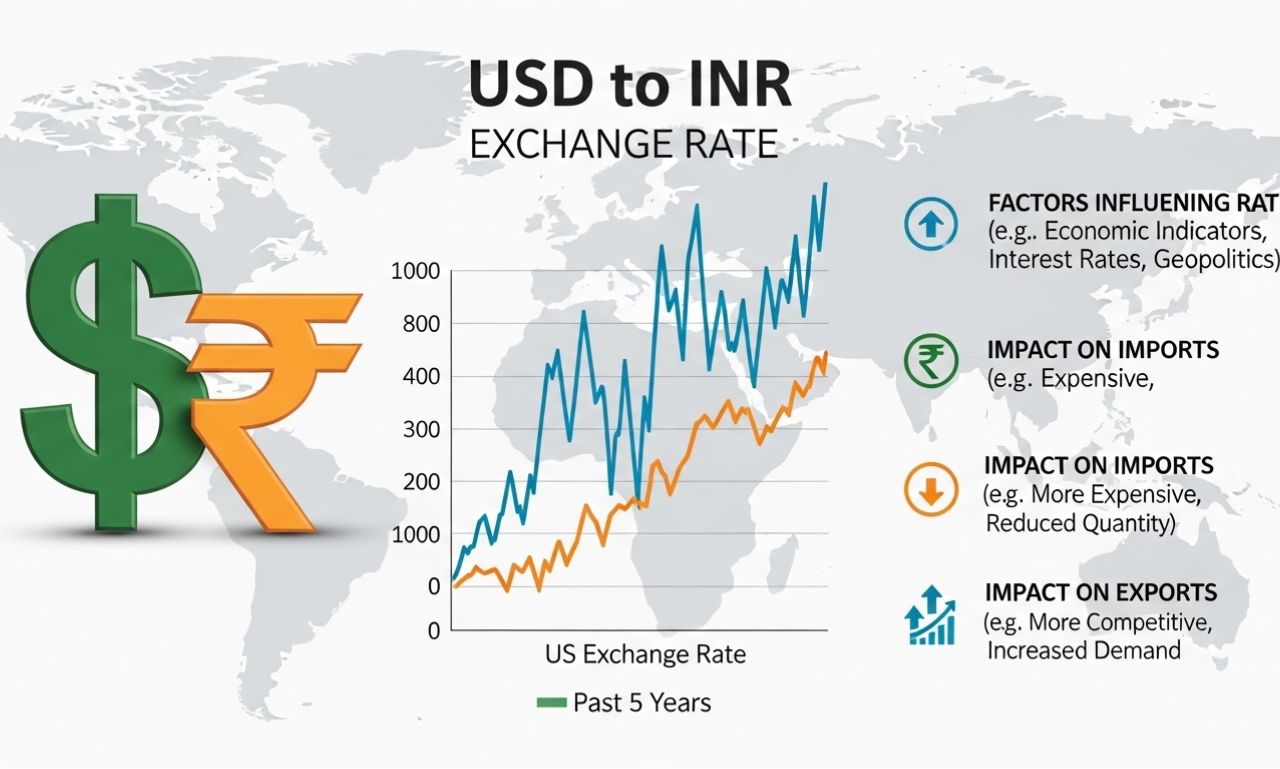
The exchange rate between the US Dollar and the Indian Rupee is a primary indicator of the relative health of these two major economies. By 2026, several factors have stabilized the Rupee, yet the Dollar maintains its status as the world’s primary reserve currency, often leading to a gradual appreciation against emerging market currencies.
The Role of Central Banks
The Federal Reserve (Fed) in the United States and the Reserve Bank of India (RBI) play pivotal roles in determining the value of your $160,000. If the Fed maintains higher interest rates to combat persistent inflation, the USD typically strengthens as investors seek higher yields in US-denominated assets. Conversely, the RBI’s intervention strategy often aims to reduce "excessive volatility" in the Rupee. By 2026, the RBI has successfully utilized its significant foreign exchange reserves to prevent sharp devaluations, providing a more predictable environment for those converting large sums like $160,000.
Inflation and Purchasing Power Parity
Purchasing Power Parity (PPP) suggests that exchange rates should adjust so that an identical basket of goods costs the same in both countries. However, because India has historically had higher inflation rates than the US, the Rupee has faced long-term downward pressure. When converting 160,000 USD in 2026, you are essentially benefiting from the Dollar's stronger purchasing power, which can fund significant ventures in India—such as purchasing a luxury apartment in a Tier-1 city or a substantial equity stake in a growing startup.
Breaking Down the Conversion: 160,000 USD
To understand the impact of the exchange rate on such a large sum, it is helpful to look at how minor fluctuations can result in significant differences in the final Rupee amount.
| Exchange Rate (USD/INR) | Total INR Value | Difference from 88.50 Baseline |
|---|---|---|
| 85.00 | 13,600,000 INR | - 560,000 INR |
| 87.00 | 13,920,000 INR | - 240,000 INR |
| 88.50 (Current Avg) | 14,160,000 INR | Baseline |
| 90.00 | 14,400,000 INR | + 240,000 INR |
| 92.00 | 14,720,000 INR | + 560,000 INR |
As illustrated, a movement of just one or two rupees in the exchange rate can change the total value by hundreds of thousands of INR. This underscores the importance of timing and choosing the right service provider for a $160,000 transfer.
Methods for Transferring 160,000 USD to India
When moving $160,000, you have several options, each with a different balance of speed, cost, and security.
1. Traditional Bank Wire Transfers (SWIFT)
Most high-net-worth individuals default to their primary banks (e.g., JP Morgan Chase, ICICI, or HDFC). While secure, banks often charge a "markup" on the exchange rate, usually ranging from 1% to 3%. For $160,000, a 2% markup means losing $3,200 (approx. 283,200 INR) just on the conversion rate, before any flat fees are applied.
2. Specialized Online Money Transfer Operators
Platforms like Wise, Revolut, and Remitly have revolutionized the market. They often use the "mid-market" rate (the one you see on Google) and charge a transparent, upfront fee. For a $160,000 transfer, these platforms are often significantly cheaper than banks, though they may have stricter compliance checks for sums of this size to satisfy Anti-Money Laundering (AML) regulations.
3. Currency Brokers and Forex Specialists
For amounts exceeding $100,000, using a dedicated currency broker is often the most cost-effective route. Brokers provide personalized service and allow you to use tools like Forward Contracts (locking in an exchange rate for a future date) or Limit Orders (executing the transfer only when the rate hits your target). This level of control is vital when converting 160,000 USD.
Fees, Taxes, and Regulatory Compliance
In 2026, the regulatory landscape for inward remittances to India is robust. It is essential to be aware of the "hidden" costs and legal requirements.
GST on Currency Conversion
In India, Goods and Services Tax (GST) is applicable to the service of currency conversion. This is not a tax on the $160,000 itself, but on the "service value" determined by the bank. The GST is calculated on a slab basis:
- For amounts above 10,000,000 INR (which applies to $160,000), the service value is typically a fixed amount plus a small percentage of the excess, with 18% GST applied to that service value.
Tax Collected at Source (TCS)
While TCS primarily applies to money being sent out of India under the Liberalised Remittance Scheme (LRS), those receiving $160,000 should be prepared to explain the source of funds. If the money is for investment or income, it may be subject to Indian income tax laws. The Income Tax Department of India requires taxpayers to disclose foreign assets and significant inward remittances in their annual returns.
Purpose Codes
Every international transfer to India requires a "Purpose Code." This is a code defined by the Reserve Bank of India (RBI) to classify the nature of the transaction. For $160,000, common codes include:
- P0103: Family Maintenance and Savings.
- P0301: Investment in Real Estate.
- P0802: Software Consultancy/Implementation. Choosing the wrong code can lead to delays or the bank freezing the funds until further documentation is provided.
Maximizing Your $160,000 Conversion
To ensure you get the most out of your 160,000 USD to INR conversion, follow these strategic steps:
- Monitor the Mid-Market Rate: Use financial news portals or the Official RBI Reference Rates to know the true value of the Rupee before talking to a provider.
- Negotiate with your Bank: If you prefer using a traditional bank, do not accept the first rate they offer. For $160,000, most banks have "preferred" or "private banking" rates that are significantly better than the retail rate.
- Check for Intermediary Fees: International wires often pass through "correspondent banks," each taking a small cut (usually $15–$50). Ensure your provider offers a "Guaranteed Amount" or "OUR" instruction so the full $160,000 arrives in India.
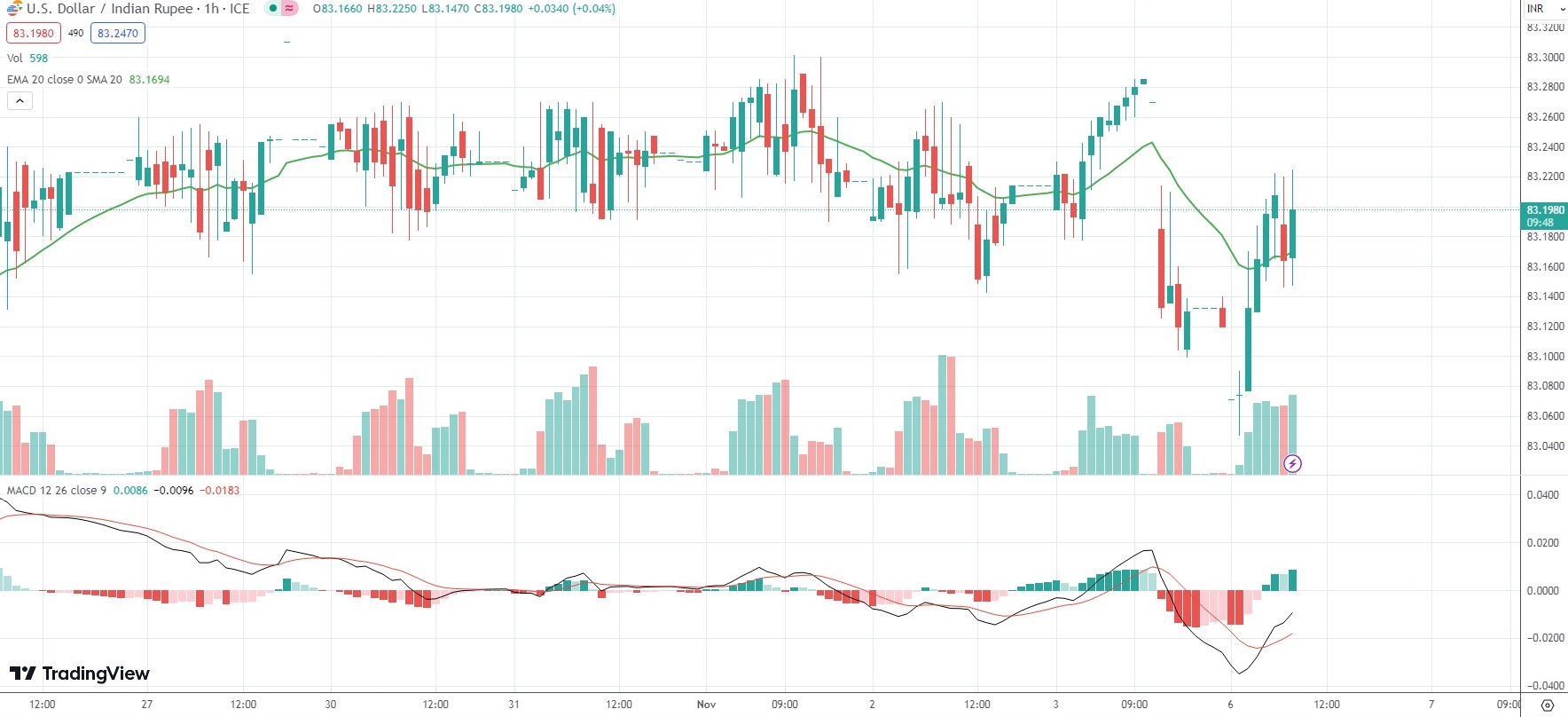
- Consider Timing: The USD/INR pair often fluctuates around major economic announcements, such as the US Non-Farm Payrolls or India’s GDP data. If the market is volatile, waiting a few days can sometimes save you thousands of Rupees.
Potential Risks and Considerations
While the conversion is straightforward, there are risks associated with high-value forex transactions:
- Market Volatility: A sudden geopolitical event can cause the Rupee to swing by 1–2% in hours. For a $160,000 transaction, this is a risk of roughly 140,000–280,000 INR.
- Cybersecurity: Ensure you are using secure, encrypted platforms. For a sum of this magnitude, always verify the recipient's bank account details (IBAN/IFSC) via a secondary communication channel before initiating the transfer.
- Liquidity Issues: While the USD/INR is a highly liquid pair, extremely large transfers might sometimes be subject to slight delays if the receiving bank needs to verify the liquidity for an immediate payout.
FAQs about Converting 160,000 USD to INR
How long does it take to transfer 160,000 USD to an Indian bank account?
Typically, a high-value transfer takes 1 to 3 business days. While some fintech apps offer "instant" transfers, $160,000 often triggers manual compliance reviews to ensure the transaction adheres to FEMA (Foreign Exchange Management Act) guidelines.
Is there a limit on how much USD I can send to India?
There is no strict upper limit on the amount of USD you can send into India (inward remittance), provided the source of funds is legal and taxes are paid where applicable. However, the receiving bank will require documentation for large sums like $160,000 to comply with RBI regulations.
Do I have to pay tax on 160,000 USD received in India?
If the money is a gift from a blood relative, it is generally tax-free in India. However, if it represents business income, capital gains from US stocks, or rental income, it must be reported. Consult the Indian Income Tax Act or a qualified Chartered Accountant (CA) for specific guidance.
Can I hold the 160,000 USD in a US Dollar account in India?
Yes, NRIs can hold foreign currency in FCNR (Foreign Currency Non-Resident) accounts, and Indian residents can use EEFC (Exchange Earners' Foreign Currency) accounts under certain conditions. This allows you to wait for a better exchange rate before converting the funds to INR.
Why is the Google exchange rate different from my bank's rate?
Google displays the mid-market rate, which is the midpoint between the buy and sell prices in the global currency market. Banks and transfer services add a "spread" or "margin" to this rate to cover their costs and generate profit.
Final Recommendation
When converting 160,000 USD to INR in 2026, the primary goal should be minimizing the "leakage" caused by exchange rate markups and hidden fees. For a sum of this size, avoid standard retail banking channels unless you have a negotiated rate. Instead, engage with a specialized currency broker or a high-volume fintech platform. By doing so, you can potentially save upwards of 200,000 INR compared to standard bank rates, ensuring that your capital is fully utilized for its intended purpose in India. Always ensure you have your purpose codes and source-of-funds documentation ready to facilitate a smooth, compliant transfer.