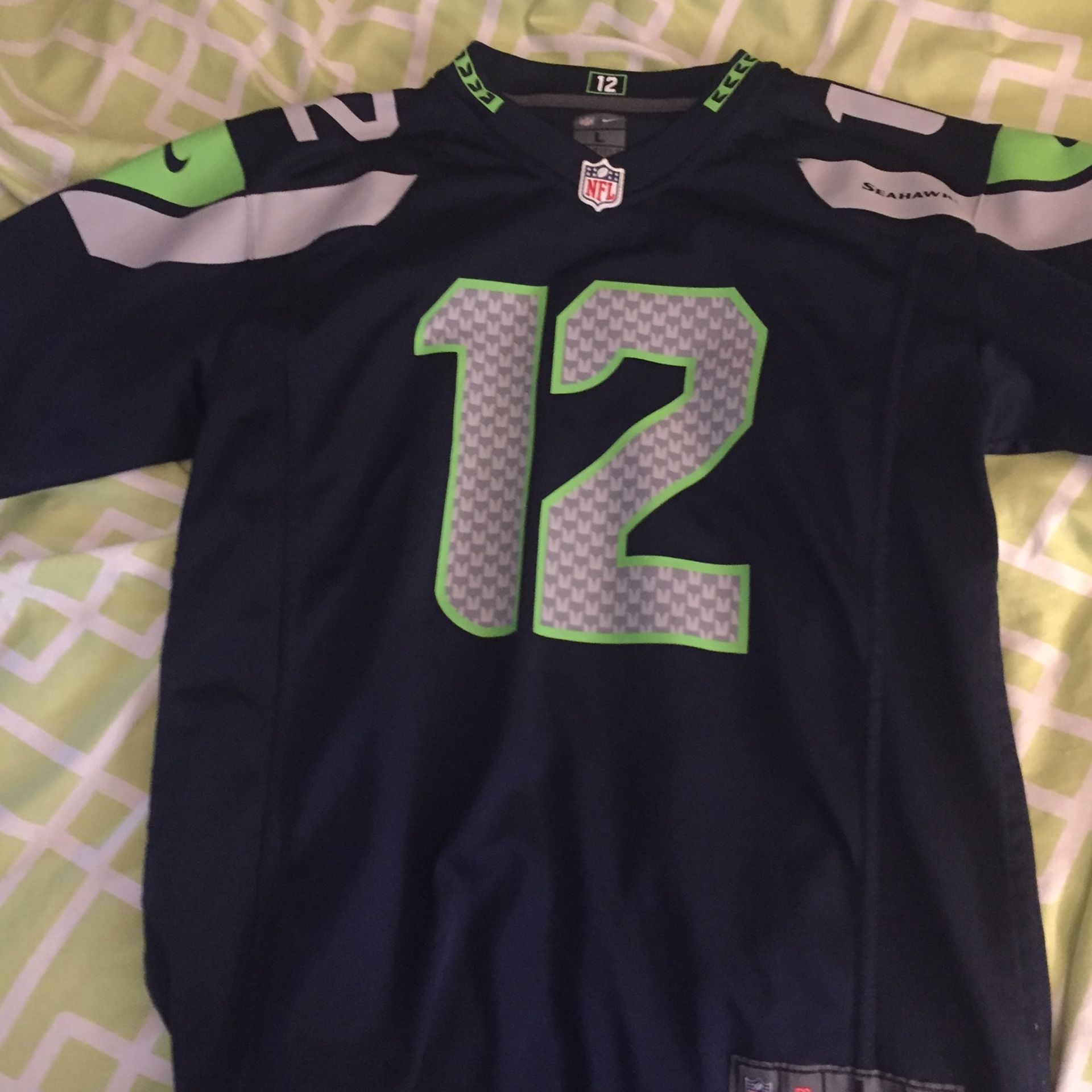
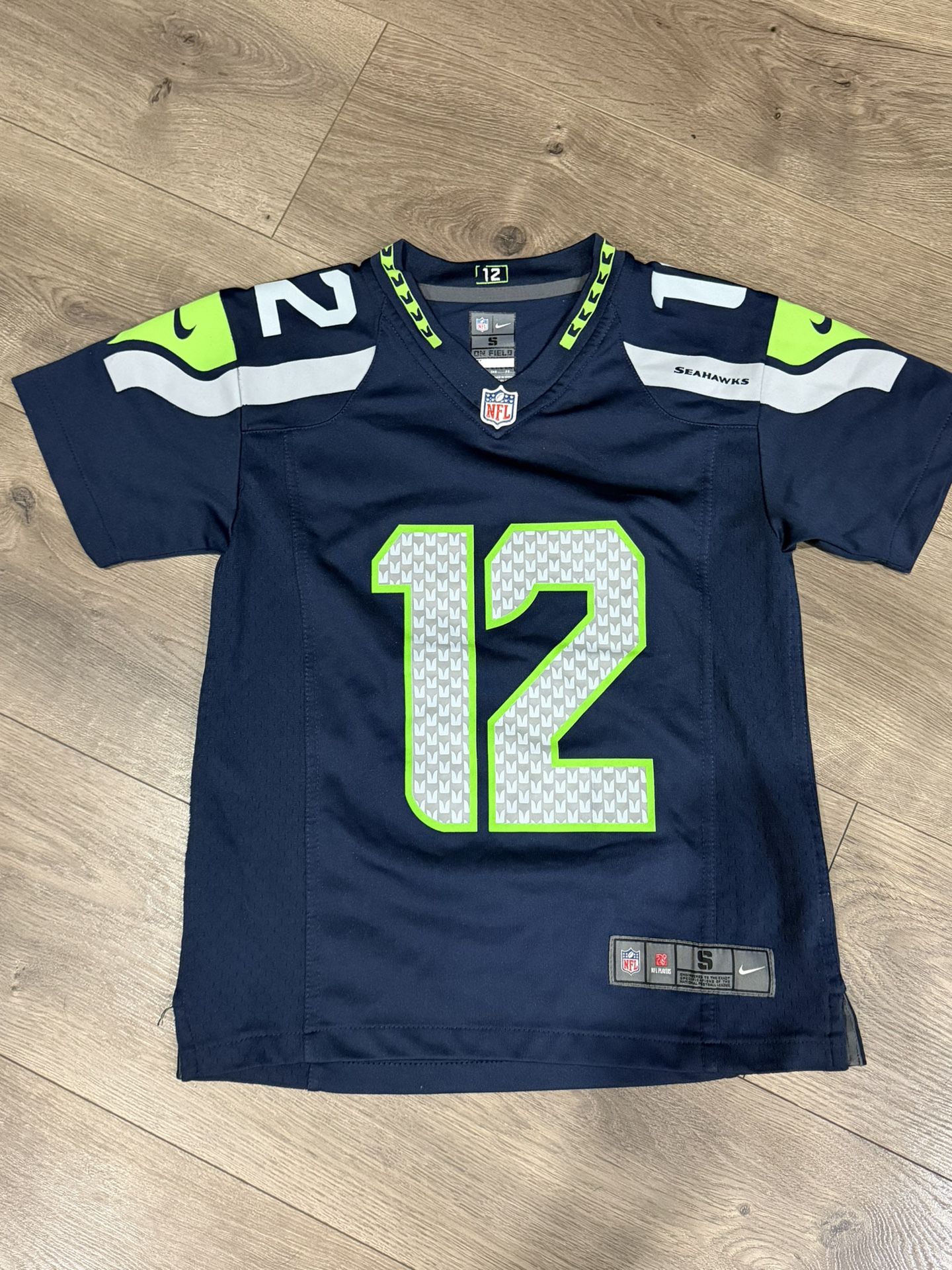
The "12" Seattle Seahawks jersey represents the "12th Man," symbolizing the team’s passionate fanbase whose loud cheering creates a disruptive environment for opposing teams at Lumen Field. This iconic number honors the fans as an official part of the team, bridging the gap between the players on the field and the supporters in the stands.
To understand why a single number holds such legendary status in the Pacific Northwest and across the National Football League, it is necessary to explore the history, cultural impact, and unique traditions surrounding the Seattle Seahawks franchise. Far more than a simple marketing gimmick or a tribute to a former player, the number 12 is a testament to the symbiotic relationship between a professional sports organization and its dedicated community.
The Origin of the "12th Man" Concept
In football, a team is permitted to have eleven players on the field at any given time. The concept of the "12th Man" acknowledges that the crowd can act as an additional player by exerting psychological and acoustic pressure on the opposing offense. While the term was originally coined and popularized at Texas A&M University—which trademarked the phrase—the Seattle Seahawks adopted and adapted the concept to describe their exceptionally vocal fan base.
The Seahawks officially retired the number 12 on December 15, 1984, long before the franchise reached its modern peak of success. This gesture recognized the immediate impact that Seattle fans had on home games at the Kingdome, the team's original home stadium. By removing the number from circulation so that no player could ever wear it, the organization established a permanent bond with its supporters. This move elevated the fan base from passive observers to active participants in the game-day operations.
As decades passed, the tradition evolved. When the team moved from the Kingdome to Seahawks Stadium (subsequently named Qwest Field, CenturyLink Field, and presently Lumen Field), the architectural design of the venue was intentionally engineered to trap and amplify sound. The open-air stadium features sweeping roofs that push crowd noise back down onto the field, turning the stadium into a natural acoustic amplifier.
Acoustics, Noise, and Competitive Advantage
The true meaning of the 12 jersey manifests physically on the gridiron through decibels. Seattle fans have twice broken the Guinness World Record for the loudest crowd roar at a sports stadium. The first milestone occurred during a game against the New Orleans Saints in 2013, when fans registered 137.6 decibels. Shortly after, fans at Arrowhead Stadium in Kansas City briefly surpassed the record, prompting the Seahawks faithful to reclaim the title in September 2014 by reaching an astonishing 137.6 to 138.8 decibels during a Monday Night Football game against the arch-rival San Francisco 49ers.
To put this acoustic pressure into perspective, sustained noise levels above 130 decibels can cause physical pain to the human ear. For opposing offenses, this environment creates severe operational hurdles:
- Communication Breakdown: Offensive linemen cannot hear the quarterback's cadence, leading to false start penalties, botched snap counts, and disrupted timing.
- Playcalling Interference: Coaches struggle to relay play calls from the sideline to the huddle, forcing offenses to rely on silent counts that can be anticipated by a fast Seahawks pass rush.
- Mental Fatigue: The relentless wall of sound induces high stress and cognitive overload, making it difficult for visiting teams to execute complex offensive schemes under pressure.
Consequently, wearing the 12 jersey serves as a badge of honor, signifying that the wearer contributes directly to this home-field advantage.
Evolution of the 12 Jersey and Fan Culture
Purchasing and wearing a Seahawks jersey traditionally means representing a star athlete like Walter Jones, Steve Largent, or Russell Wilson. However, the 12 jersey uniquely bears no player name on the back by default, or it proudly displays the name "FAN" above the number. This design choice democratizes the merchandise, allowing supporters of all ages and backgrounds to feel equally connected to the franchise.
| Jersey Variant | Typical Customization | Primary Purpose | Cultural Significance |
|---|---|---|---|
| Standard Fan Jersey | Blank or "FAN" | General apparel for game days | Represents collective unity and team identity |
| Legacy/Retired Jersey | "1984" or Ring of Honor | Collector's item and historical nod | Commemorates the year the number was retired |
| Customized Name Jersey | Personal Last Name | Personalized fan expression | Blends individual identity with team loyalty |
The proliferation of the 12 jersey transformed stadium culture across the NFL. Before every home game, a notable figure, celebrity, former player, or local military hero hoists a massive flag bearing the number 12 in a pre-game ceremony. This tradition reinforces the cultural philosophy that the team and the city are inextricably linked.
Financial and Legal Context of the "12th Man"
The journey of the 12 jersey and the associated terminology has not been without legal nuance. For many years, the Seahawks maintained a licensing agreement with Texas A&M University, paying an annual fee for the legal right to use the trademarked phrase "12th Man."
In 2016, as the agreement neared expiration, the Seahawks and Texas A&M mutually decided not to renew the contract. Rather than dropping the tradition, the franchise gracefully pivoted its marketing language. The organization transitioned primarily to using "The 12s" and simply the number "12," ensuring that the core meaning of the jersey remained intact while respecting the collegiate origin of the original terminology. This legal evolution proved that the identity of the fan base transcends a specific trademarked phrase; the number 12 itself had become a universally recognized symbol of Seattle sports culture.
Practical Considerations for Purchasing a 12 Jersey
For fans looking to acquire a 12 Seahawks jersey, navigating the various retail options requires understanding quality tiers, pricing, and sizing standards. NFL merchandise is typically produced in several distinct tiers to accommodate different budgets and preferences.
- Nike Game Jersey: The most popular consumer option, featuring screen-printed name and numbers, a tailored fit designed to move easily, and a flexible, lightweight fabric. It provides an authentic look without the high cost of on-field gear.
- Nike Limited Jersey: A mid-tier option that upgrades the experience by featuring stitched, embroidered numbers and tackle-twill lettering, offering greater durability and a closer resemblance to what players wear on Sundays.
- Nike Elite Jersey: The pinnacle of replica jerseys, constructed with high-performance stretch fabric, precise on-field cuts, and fully embroidered twill graphics. This is the exact specification worn by athletes on the field.
When purchasing, buyers should verify official retailers, such as the Pro Shop at Lumen Field or the NFL Official Online Shop, to avoid counterfeit merchandise. Counterfeit jerseys often feature misspelled words, incorrect font weights for the number 12, or distorted team color palettes (Action Green, College Navy, and Wolf Grey).
Common Misconceptions About the Number 12
Several myths persist regarding the history and implementation of the 12 jersey among casual observers and newer football fans:
- Was number 12 retired for a specific player? No. Unlike numbers retired to honor legendary athletes (such as Steve Largent's number 80), number 12 was retired exclusively to honor the fans. No individual player has ever worn it as a regular roster member for Seattle.
- Did Seattle invent the 12th Man? No. Texas A&M University originated the term in the 1920s when an injured student was called down from the stands to suit up if needed. The Seahawks adapted the concept for professional football in the 1980s.
- Is the jersey only worn on game days? While game days at Lumen Field feature a sea of 12 jerseys, the apparel is worn year-round across Washington state and by the global "12 Tour" community as a sign of regional pride.
Frequently Asked Questions
Why do Seattle Seahawks fans wear the number 12?
Fans wear the number 12 to honor the "12th Man" tradition, representing their role as an integral part of the team. The loud noise generated by fans wearing this jersey creates a severe competitive disadvantage for visiting opponents, directly influencing the outcome of home games.
Can a Seattle Seahawks player wear the number 12?
No, a Seahawks player cannot wear the number 12. The franchise officially retired the number on December 15, 1984, permanently reserving it to symbolize the fan base.
What is the difference between the 12th Man and "The 12s"?
"The 12th Man" is a term originally trademarked by Texas A&M University. After licensing agreements concluded, the Seattle Seahawks shifted their official branding to "The 12s" and simply "12" to avoid trademark conflicts while maintaining the exact same cultural meaning for their supporters.
Are there different types of 12 Seahawks jerseys available?
Yes, official retail outlets offer several tiers of 12 jerseys, ranging from affordable screen-printed Game jerseys to stitched, premium Limited and Elite jerseys. Most feature either a blank back or the word "FAN" printed above the number 12.
How loud do Seattle Seahawks fans actually get?
Seattle fans have set Guinness World Records for stadium noise, reaching up to 138.8 decibels. This volume rivals the sound level of a jet engine taking off close by, which makes verbal communication nearly impossible for opposing offensive lines.
Final Recommendation
For any dedicated supporter looking to showcase their connection to the franchise, purchasing an official 12 Seahawks jersey is a timeless investment in team culture. Whether worn inside Lumen Field or while watching away games from home, the jersey signifies membership in one of the most passionate and disruptive communities in professional sports. Ensure you buy from authorized league retailers to guarantee material quality, authentic coloration, and official team branding.