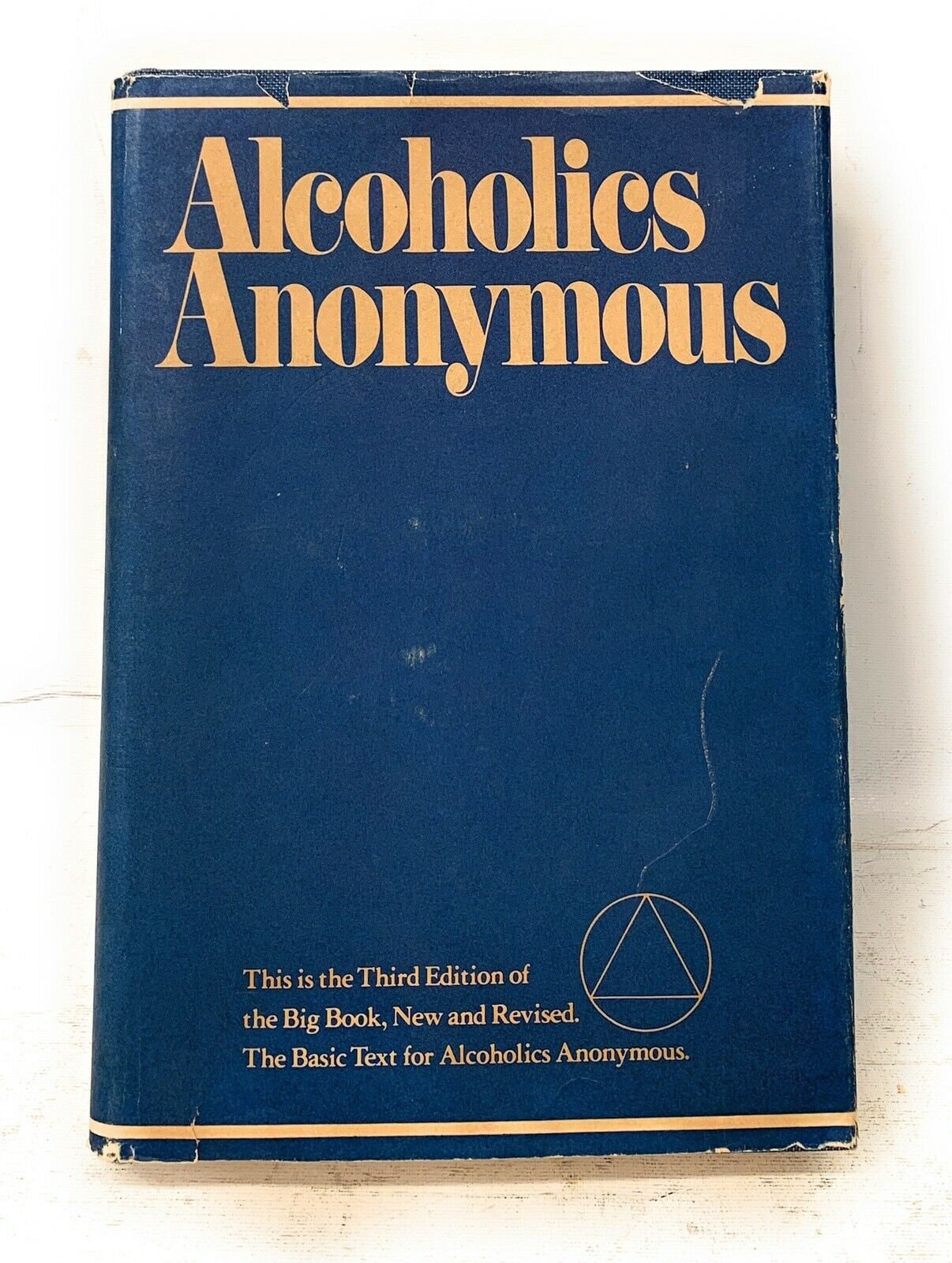
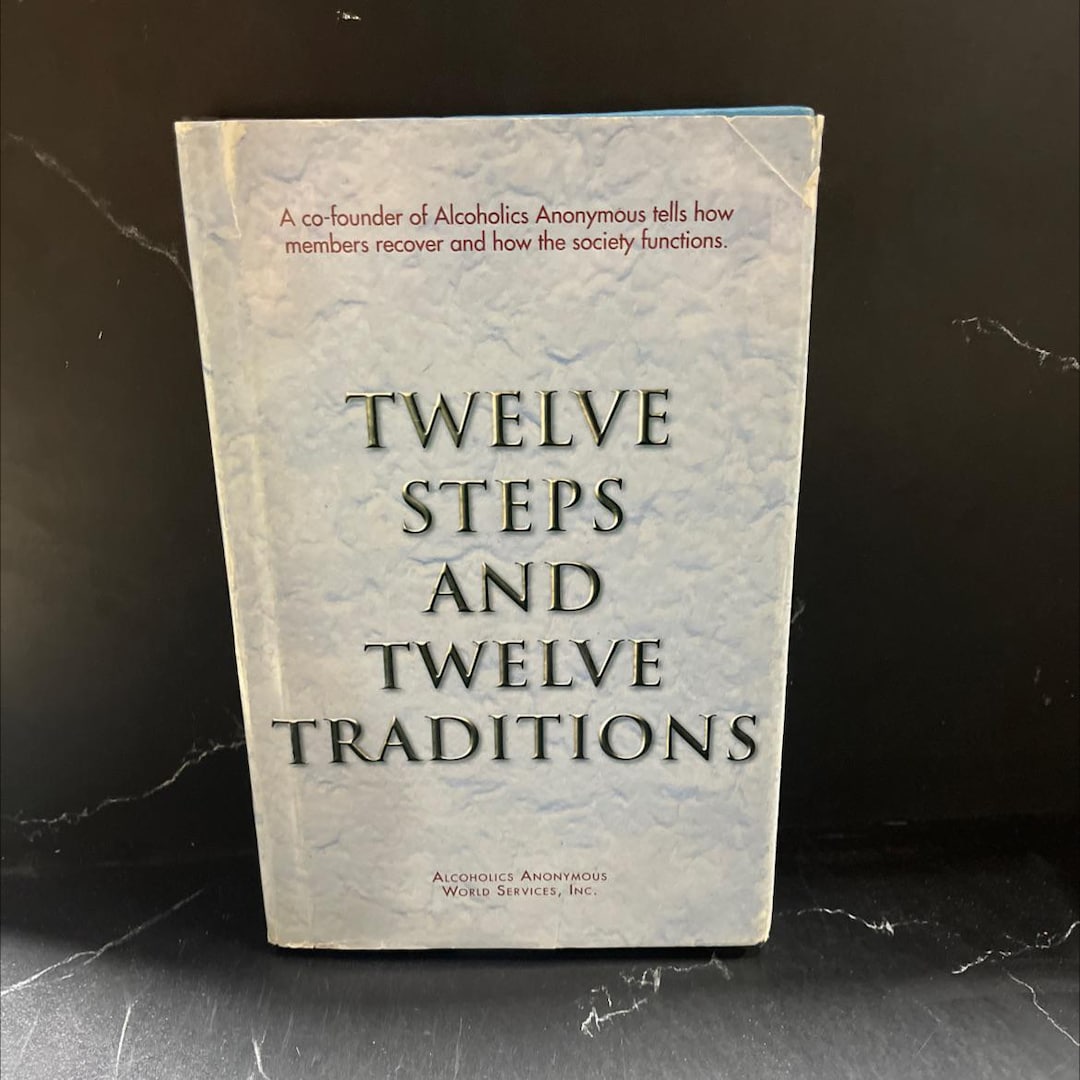
The official digital version of the "Twelve Steps and Twelve Traditions" (commonly known as the "12 and 12") is available through Alcoholics Anonymous World Services (A.A.W.S.). While the full text is accessible for free reading on the official A.A. website, authorized PDF and eBook versions for offline use are primarily available for purchase through the A.A. online store or major digital retailers to support the organization's self-support principle.
The Significance of the "12 and 12" in Modern Recovery
As of 2026, the "Twelve Steps and Twelve Traditions" remains a cornerstone of the Alcoholics Anonymous (AA) program, serving as the primary interpretive text for the 12 Steps. While the "Big Book" (Alcoholic Anonymous) introduces the basic program of recovery, the "12 and 12" offers a more profound, philosophical, and practical examination of the principles that allow individuals to achieve and maintain sobriety.
Written by Bill W., one of the co-founders of AA, and first published in 1953, the book was created to respond to the growing needs of the fellowship as it expanded globally. By the early 1950s, it became clear that a more detailed guide was necessary to help members navigate the complexities of the Steps and to provide a framework for how AA groups should function—which led to the development of the Twelve Traditions.
For the modern reader in 2026, the digital PDF or eBook version provides a portable, searchable, and accessible way to engage with these teachings. Whether you are a newcomer trying to understand the basics of powerlessness or a long-term member chairing a "12 and 12" study meeting, having the digital text is essential for contemporary recovery.
How to Legally Access the 12 and 12 AA Book PDF
Navigating the internet for recovery literature can be confusing due to the prevalence of third-party websites offering "free" downloads. However, for those looking to respect the traditions and copyright of Alcoholics Anonymous, there are specific official channels to follow.
Official Free Online Reading
Alcoholics Anonymous World Services provides the entire text of the "Twelve Steps and Twelve Traditions" for free directly on their website. This is the most reliable source for the most current, authorized version of the text. This online version is formatted for web browsers and is mobile-responsive, making it easy to read on smartphones or tablets during meetings.
Authorized Digital Purchases
For those who require a standalone PDF or eBook for offline use (such as on a Kindle, iPad, or Android tablet), A.A.W.S. offers digital versions through their official bookstore and platforms like Amazon Kindle, Apple Books, and Barnes & Noble Nook. These versions are professionally formatted with working Tables of Contents and search functionality, which is often lacking in bootleg PDF scans.
Why Avoid Unofficial PDF Downloads?
While it may be tempting to download a free PDF from a file-sharing site, there are three primary reasons to stick to official sources:
- Security Risks: Unofficial PDF sites are notorious for harboring malware, trackers, and phishing scripts that can compromise your device.
- Accuracy and Integrity: Unofficial scans may contain typos, missing pages, or outdated text that does not reflect the current printing authorized by the General Service Conference.
- The Seventh Tradition: AA is self-supporting through its own contributions. Purchasing literature directly supports the General Service Office (GSO) in its mission to carry the message to the still-suffering alcoholic worldwide.
Deep Dive: The Twelve Steps
The first half of the "12 and 12" is dedicated to the Twelve Steps. Unlike the Big Book, which focuses on the "how it works" aspect of the program, the "12 and 12" provides a psychological and spiritual deep dive into the underlying principles.
Steps 1 Through 3: The Foundation
- Step One: The book expands on the concept of "powerless" and "unmanageable." It explains why a total "deflation at depth" is necessary before a person can truly begin the program.
- Step Two: This chapter addresses the "intellectual" and "agnostic" hurdles many face when considering a Power greater than themselves, offering a wider door for those who struggle with traditional religious concepts.
- Step Three: It discusses the practical application of turning one’s will and life over to the care of God as we understand Him, emphasizing that this is a decision that must be followed by action.
Steps 4 Through 9: The Housecleaning
- Step Four: The "12 and 12" provides a very specific framework for the moral inventory, focusing on the "seven deadly sins" and how our natural instincts for sex, security, and society have gone "astray."
- Step Five: This section focuses on the "shattering of isolation" that occurs when we share our inventory with another human being.
- Steps Six and Seven: These chapters are often considered the "forgotten steps." The book provides much-needed depth on "defects of character" and "shortcomings," explaining how humility is the key to progress.
- Steps Eight and Nine: Here, the focus is on social rehabilitation—cleaning up the wreckage of the past through lists and direct amends, while ensuring we do no further harm.
Steps 10 Through 12: Maintaining Sobriety
- Step Ten: Discusses the "daily inventory" and the need for continued self-examination to prevent the build-up of resentment and pride.
- Step Eleven: A profound look at prayer and meditation, offering the "Prayer of St. Francis" as a template for seeking conscious contact with a Higher Power.
- Step Twelve: The longest chapter in the book, it details the "spiritual awakening" and the responsibility of carrying the message to others while practicing these principles in "all our affairs."
Deep Dive: The Twelve Traditions
The second half of the book is what truly separates the "12 and 12" from other literature. The Twelve Traditions are the "Twelve Steps" for the group—they ensure the survival and unity of the fellowship.
Traditions 1 Through 6: Unity and Purpose
- Tradition One: Places "common welfare" first, explaining that personal recovery depends upon AA unity.
- Tradition Two: Explains the "group conscience" and the idea that our leaders are but "trusted servants; they do not govern."
- Tradition Three: Sets the only requirement for membership: "a desire to stop drinking." This ensures that no alcoholic can ever be barred from the rooms.
- Tradition Four: Establishes group autonomy while cautioning against actions that might affect AA as a whole.
- Tradition Five: Defines the "primary purpose" of every group—to carry its message to the alcoholic who still suffers.
- Tradition Six: Discusses the "problems of money, property, and prestige," advising groups against endorsing or lending the AA name to outside enterprises.
Traditions 7 Through 12: Public Relations and Self-Support
- Tradition Seven: The principle of being "fully self-supporting, declining outside contributions." This protects AA from outside influence.
- Tradition Eight: Keeps AA "forever non-professional," though it allows for the employment of "special workers" in service centers.
- Tradition Nine: Explains why AA should "never be organized" in a corporate sense, but may create service boards or committees.
- Tradition Ten: States that AA has "no opinion on outside issues," protecting the fellowship from being drawn into public controversy.
- Tradition Eleven: Our public relations policy is based on "attraction rather than promotion," emphasizing the importance of personal anonymity at the level of press, radio, and films (and, in 2026, digital media).
- Tradition Twelve: The spiritual foundation of all traditions—"anonymity is the spiritual foundation of all our traditions, ever reminding us to place principles before personalities."
Comparing the Big Book and the 12 and 12
For someone new to the program, it is important to understand the different roles these two books play. Below is a comparison to help you decide which version to prioritize in your digital library.
| Feature | The Big Book (Alcoholics Anonymous) | The 12 and 12 (Twelve Steps and Twelve Traditions) |
|---|---|---|
| Primary Goal | To show exactly how the first hundred recovered. | To provide a deeper reflection on the Steps and Traditions. |
| Focus | Action-oriented; the "manual" for recovery. | Philosophy-oriented; the "commentary" on the program. |
| Step Coverage | Brief overview in "How It Works" and "Into Action." | Detailed, chapter-by-chapter analysis of every Step. |
| Traditions | Only briefly mentioned in the appendices (in early editions). | Half the book is dedicated to the 12 Traditions. |
| Case Studies | Contains many personal stories of recovery. | Contains very few stories; mostly instructional text. |
| Ideal Reader | The newcomer seeking a way out of active alcoholism. | The member seeking spiritual growth and group service. |
Technical Considerations for PDF and Digital Users in 2026
In 2026, the way we interact with PDF documents has evolved. For the best experience with the "12 and 12" digital file, consider the following technical tips:
Searchability and Indexing
When using an official PDF or eBook, the text is fully indexed. This is incredibly useful for finding specific keywords like "resentment," "humility," or "anonymity." Most modern PDF readers (like Adobe Acrobat or Apple Preview) allow you to use "Find" (Cmd+F or Ctrl+F) to jump directly to the section you need during a meeting or study session.
Annotation and Highlighting
One of the advantages of a PDF over a physical book is the ability to annotate without "ruining" the pages. You can use digital highlighters and sticky notes to track your thoughts as you work through the steps with a sponsor. These annotations are often syncable across devices (phone, tablet, and laptop).
Accessibility Features
For those with visual impairments, the official digital versions of the "12 and 12" are compatible with screen readers. Furthermore, the text-to-speech functionality available in most 2026 operating systems allows members to "listen" to the book while commuting or performing daily tasks, which is a significant benefit for those who struggle with traditional reading.
Frequently Asked Questions
Is there a free PDF of the 12 and 12 for download?
The full text is available for free to read online at Alcoholics Anonymous (A.A.). However, A.A.W.S. generally does not provide a "free download" link for the entire PDF of the book to protect its copyright and support its service work. Official digital copies are usually purchased through their bookstore.
How does the 12 and 12 help with the 4th Step inventory?
The "12 and 12" provides a much more granular look at the "seven deadly sins" and how they manifest as character defects. While the Big Book provides the basic "columns" for an inventory, the "12 and 12" helps the individual understand the why behind their behaviors, making for a much more thorough Step Four.
Can I use the digital version in an AA meeting?
Yes. In 2026, it is standard practice for members to use phones or tablets to read from AA literature during meetings. Having the PDF or the online version open allows you to participate fully in "book study" meetings even if you don't have a physical copy on hand.
Is the "12 and 12" available in languages other than English?
Absolutely. A.A.W.S. provides the "Twelve Steps and Twelve Traditions" in Spanish (Doce Pasos y Doce Tradiciones), French (Les Douze Étapes et les Douze Traditions), and dozens of other languages. These are also available through the official AA website and digital bookstores.
What is the difference between the PDF and the eBook?
A PDF is a "fixed-layout" document, meaning it looks exactly like the printed page. An eBook (ePub or Mobi) is "reflowable," meaning you can change the font size and style to fit your screen. For reading on a smartphone, the eBook version is often more comfortable, while the PDF is better for tablet users who want the "printed page" feel.
Recommended Next Steps
If you are looking for the "12 and 12" AA book PDF, the best first step is to visit the A.A.W.S. Online Bookstore or the official Alcoholics Anonymous website. Start by reading the text online for free to determine if you need a permanent offline copy.
If you are working with a sponsor, ask them which version they prefer you use. Many sponsors suggest the physical book for "work sessions" but find the digital PDF incredibly helpful for quick reference. Regardless of the format, the goal of the "12 and 12" remains the same: to help you achieve a deeper understanding of the principles that lead to a happy, useful, and sober life.