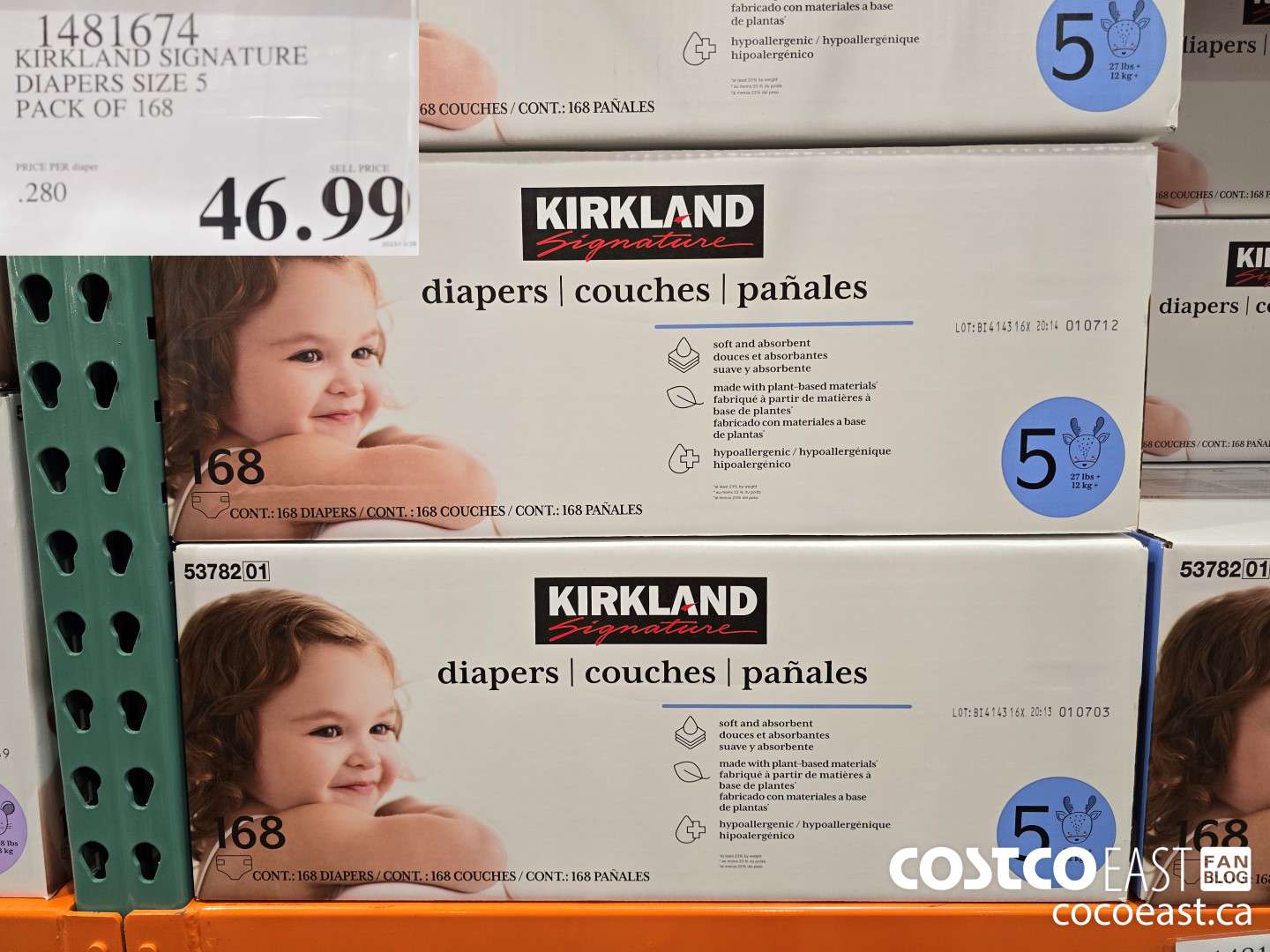
Purchasing diapers in 100-packs or larger bulk boxes is a primary strategy for parents looking to reduce the unit cost of essential childcare supplies. By evaluating the price per diaper across different retailers and subscription models, caregivers can optimize their household budget while ensuring a consistent inventory of high-quality products.
Understanding the Economics of Bulk Diaper Purchasing
The diaper industry relies on a tiered pricing structure where the unit cost—the price you pay for a single diaper—tends to decrease as the package count increases. Buying a 100-pack is often the "sweet spot" for many families because it balances the upfront cash flow requirement with significant savings compared to smaller "sleeves" or packs of 20 to 30.
To determine if a 100-pack is truly the best value, you must look beyond the sticker price. Retailers often utilize "psychological pricing," where a large box might appear to be a bargain, but the individual count may vary between brands. Calculating the unit price is the only objective way to compare options. Use this simple formula: divide the total cost of the package by the number of diapers inside. For example, a $40 box containing 100 diapers results in a unit cost of $0.40 per change.
Navigating Cost Options in 2026
In the current market, consumer options for purchasing 100-packs fall into three primary categories: big-box retail stores, online subscription services, and membership-based warehouse clubs. Each option offers distinct advantages regarding logistics and pricing.
Big-Box Retailers
Large physical retailers maintain significant shelf space for bulk diaper packs. These outlets often run promotional cycles that include "buy one, get a gift card" incentives. When you combine these store-specific promotions with manufacturer coupons, the cost for a 100-pack can drop significantly below the standard retail price. The primary benefit here is immediate availability—there is no waiting for shipping if you are running low.
Online Subscription Services
Subscription models are designed for convenience and recurring savings. Many major e-commerce platforms offer a "subscribe and save" discount, typically ranging from 5% to 15% off the standard price. The primary advantage is the automated delivery schedule, which ensures you never run out of diapers. However, you must monitor your child’s growth stages closely. If your child moves up a size before the subscription box arrives, you may be left with an unusable surplus of smaller diapers.
Warehouse Clubs
Warehouse clubs generally provide the lowest entry price for bulk diapers. Because these establishments operate on a high-volume, low-margin model, they often bundle items into counts larger than 100, such as 150- or 200-count boxes. These boxes often represent the absolute floor for unit pricing. The caveat is the annual membership fee, which must be factored into the overall cost-benefit analysis of your household budget.
Comparative Value Table
The following table demonstrates how to evaluate different 100-count (or similar bulk) purchase options based on common variables.
| Purchase Channel | Pricing Model | Potential Added Value | Convenience Factor |
|---|---|---|---|
| Big-Box Retail | Standard/Promotional | Coupons & Gift Cards | High (Immediate) |
| Online Subscription | Tiered/Discounted | Automated Shipping | Very High (Set & Forget) |
| Warehouse Clubs | Bulk/Wholesale | Lowest Unit Cost | Medium (Travel Required) |
Buying Tips for Maximum Efficiency
Achieving the best value requires more than just finding a 100-pack; it requires a strategy aligned with your child’s developmental milestones.
- Track Your Monthly Consumption: Before committing to a large 100-pack, count how many diapers your child uses in a typical week. Infants often require 8 to 12 changes per day, while toddlers may need 5 to 7. This prevents over-purchasing in a specific size.
- Size Transition Awareness: The most common mistake parents make is purchasing too many diapers in a size the child is about to outgrow. As a rule of thumb, do not stock up on more than one or two 100-packs if your child is approaching the weight limit of that specific size tier.
- Evaluate "Premium" vs. "Standard" Lines: Most major manufacturers offer a premium line (often featuring extra softness or higher absorbency) and a standard, economy line. If your child does not have sensitive skin and does not suffer from frequent leaks, the economy line within a 100-pack configuration usually offers the highest value-to-performance ratio.
- Monitor Price Fluctuations: Online prices for diapers are dynamic and can fluctuate weekly. Utilizing price-tracking browser extensions can alert you to deep discounts on 100-packs before you finalize an order.
Performance and Quality Considerations
While cost is a significant factor, the "value" of a diaper pack is also determined by its effectiveness. A 100-pack of cheap diapers that causes frequent leaks or necessitates double-padding is not a good deal.
When testing a new brand or pack size, look for "tabs" that remain secure during movement and an indicator line that changes color to signify moisture. The material construction—specifically the inclusion of breathable layers—is crucial for preventing diaper rash. If you are trying a new brand for the first time, it is advisable to purchase a smaller pack before committing to a 100-pack to ensure the brand’s fit and absorbency meet your specific needs.
Managing Surplus and Size Transitions
Inevitably, your child will outgrow a specific diaper size. Having a 100-pack on hand can feel like a burden if the diapers no longer fit. Instead of discarding them, consider these practical alternatives:
- Local Donation: Many community pantries and women’s shelters accept open or partial packages of diapers, provided they are clean and hygienic.
- Parent-to-Parent Networks: Digital neighborhood groups are highly effective for trading diapers that no longer fit your child for the size you currently need.
- Storage Strategy: Store diapers in a cool, dry place. Humidity can affect the performance of the absorbent polymers and the adhesive tabs. Keep them in their original packaging until needed to maintain their structural integrity.
Frequently Asked Questions
Is it always cheaper to buy the 100-pack? Generally, yes. Bulk packs offer a lower unit cost because manufacturers save on packaging and shipping logistics. However, always verify the unit price rather than assuming the largest box is the cheapest per diaper.
How do I know if my child is ready for the next size? Check for signs such as the diaper tabs no longer meeting in the center, red marks on the thighs or waist, or frequent blowouts. These are reliable indicators that the current size is too small, regardless of whether you have diapers remaining in your 100-pack.
Does buying 100-packs encourage wasting diapers? It can lead to "over-changing" if you feel you have an endless supply. To maintain efficiency, try to stick to your established schedule unless the diaper is clearly soiled or heavy, which helps in managing your supply effectively.
Are store-brand 100-packs as effective as name brands? In many cases, yes. Many private-label store brands are manufactured by the same large corporations that produce premium name brands. Review the material list to see if the technology (such as specific leak-guard channels) is comparable.
Can I return unopened 100-packs? Most major retailers have flexible return policies for unopened diaper boxes, even if you lost the receipt (if they can look up the transaction via a store card). Always keep your receipt until you are certain the fit is appropriate for your child.
Final Recommendation
To optimize your diaper budget, start by calculating your current monthly consumption and establishing your target unit price. Focus your search on warehouse clubs if you are comfortable with an annual membership, or utilize online subscription services for maximum convenience. Avoid the trap of "stockpiling" too far in advance, as your child's growth is the single biggest factor in potential waste. For most families, buying one 100-pack at a time when your child is firmly within a weight range offers the perfect balance of cost savings and inventory management.