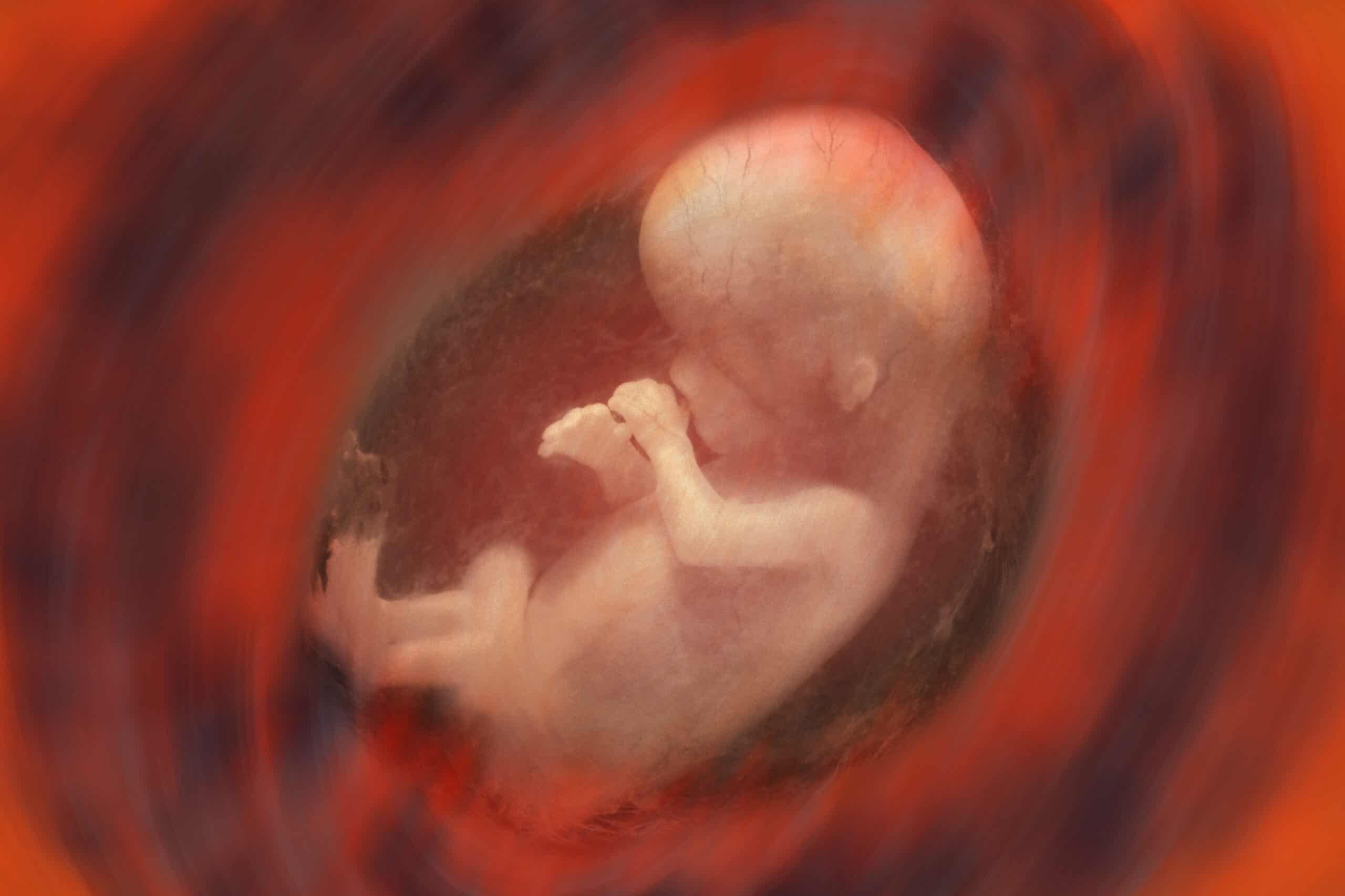
Reaching the ten-week mark of pregnancy is a major milestone, as it signifies the transition into the final stretch of the first trimester, where your developing embryo officially becomes a fetus. While many expectant parents anticipate classic symptoms like morning sickness and breast tenderness, the hormonal shifts occurring at this stage often trigger a variety of unexpected and sometimes bizarre physical transformations that rarely make it into standard pregnancy books.
Understanding the Ten-Week Biological Milestone
At ten weeks of gestation, your body is undergoing a massive hormonal surge, primarily driven by skyrocketing levels of human chorionic gonadotropin (hCG), estrogen, and progesterone. The placenta is rapidly developing to take over hormone production from the corpus luteum, and your total blood volume is beginning its dramatic expansion—ultimately increasing by nearly 50 percent by the time you reach full term.
These internal adjustments affect nearly every organ system in your body, well beyond the reproductive tract. Recognizing that these atypical sensations are normal physiological responses can help alleviate anxiety during a period of rapid change. Below are ten of the most surprising, lesser-discussed alterations your body may undergo during your tenth week of pregnancy.
1. Increased Saliva Production (Ptyalism)
One of the most bizarre and unexpected symptoms of early pregnancy is ptyalism, or excessive salivation. While it sounds minor, producing an overabundance of saliva can become an uncomfortable daily annoyance.
This symptom is closely linked to pregnancy nausea and hormonal fluctuations. Many women find themselves constantly swallowing or even needing to spit. While the exact physiological trigger is not fully understood, researchers believe it may be an autonomic response to upper gastrointestinal irritation or a side effect of elevated estrogen. Staying hydrated by sipping water throughout the day and chewing sugar-free gum can help manage excess saliva without disrupting your digestion.
2. Vivid, Technicolor Dreams and Nightmares
If your sleep has suddenly turned into a nightly cinematic experience, you are not alone. Hormonal changes, combined with lighter, more frequently interrupted sleep cycles, cause many people at ten weeks pregnant to experience unusually vivid, emotional, or bizarre dreams.
Progesterone acts as a central nervous system depressant and sedative in early pregnancy, which alters rapid eye movement (REM) sleep. When you do enter REM sleep, the brain is highly active processing the monumental psychological and physical transition of growing a family. Keeping a dream journal can help process these intense subconscious thoughts, while maintaining a consistent bedtime routine supports better physical rest.
3. Nasal Congestion and Pregnancy Rhinitis
Waking up with a stuffy nose and assuming you are catching a cold is common at ten weeks, but the culprit is often hormonal rhinitis rather than a virus.
Elevated estrogen and progesterone levels cause the mucous membranes in your nasal passages to swell, dry out, and produce more mucus. This can lead to persistent stuffiness, mild nosebleeds, or snoring. Using a cool-mist humidifier in your bedroom, staying well-hydrated, and applying saline nasal sprays can provide safe relief without the side effects of medicated decongestants.
4. Accelerated Hair Growth and Altered Texture
While pregnancy is widely celebrated for producing a glowing, thick mane of hair, the mechanism behind this actually begins in the first trimester. Hormones prolong the growth phase of your hair follicles, drastically reducing the normal daily shedding rate.
At ten weeks, you might notice your hair feels fuller, holds a style differently, or even changes texture, becoming oilier or drier than usual. Conversely, increased blood flow to the scalp can sometimes make it feel tender or sensitive. Enjoy this phase of luxurious locks, keeping in mind that postpartum shedding will occur months down the road.
5. Skin Pigmentation Shifts and the Linea Nigra
Your skin undergoes dramatic biochemical changes driven by melanocyte-stimulating hormones. At ten weeks, you may notice subtle darkening around your nipples and the beginning of the linea nigra—a dark vertical line stretching from your belly button to your pubic bone.
Furthermore, some individuals develop chloasma or the "mask of pregnancy," characterized by symmetrical dark patches on the face. Wearing a broad-spectrum mineral sunscreen daily is essential, as ultraviolet light accelerates these pigment changes, making them more pronounced and permanent.
6. Heightened Sense of Smell (Hyperosmia)
That sudden aversion to your morning coffee or favorite meal is governed by hyperosmia, an acute sensitivity to odors that often peaks around ten weeks.
Driven by rising estrogen levels, your olfactory system goes into hyperdrive, likely as an evolutionary defense mechanism to help you avoid potentially harmful or toxic substances. While helpful for survival, it can make navigating grocery stores, kitchens, or public transit quite challenging. Carrying a small cloth infused with a calming, safe essential oil like lemon or peppermint can provide a quick sensory escape from overwhelming scents.
7. Skin Breakouts and Glow Contradictions
The popular phrase "pregnancy glow" implies flawless skin, but the reality for many at ten weeks is a frustrating return to teenage acne.
Surging androgens and progesterone stimulate the sebaceous glands to produce excess sebum, which can clog pores and lead to breakouts along the jawline and back. Navigating this requires caution, as many common over-the-counter acne treatments—such as high-strength retinoids and salicylic acid peels—are not recommended during pregnancy. Consult your obstetrician or dermatologist for pregnancy-safe alternatives like glycolic acid or azelaic acid.
8. Dizziness and Lightheadedness from Blood Pressure Drops
Standing up too quickly and feeling a wave of lightheadedness is a frequent complaint during the tenth week of pregnancy.
Your cardiovascular system is remodeling itself at a rapid pace. Blood vessels dilate under the influence of progesterone to accommodate the expanding blood volume, which naturally lowers your blood pressure. This temporary drop can reduce blood flow to your brain momentarily when changing positions. Combat this by rising slowly from sitting or lying positions, eating small, frequent meals to keep blood sugar stable, and avoiding dehydration.
9. Bloating, Gas, and Slowed Digestion
Even though your uterus is still tucked safely inside your pelvis at ten weeks and your physical baby bump is likely minimal, you may feel as though you are four months pregnant by the end of the day.
Progesterone relaxes smooth muscle tissue throughout the body, including the gastrointestinal tract. This sluggish digestive transit allows your body more time to absorb nutrients for the developing embryo, but it also results in trapped gas, severe bloating, and constipation. Eating fiber-rich foods, exercising gently, and drinking plenty of water can help keep your digestive system moving efficiently.
10. Tender, Veiny, and Enlarged Breasts
While breast tenderness often starts even earlier, by week ten your breasts undergo visible structural changes as they prepare for lactation.
You may notice a network of blue, superficial veins branching across your chest as blood flow to the breasts increases dramatically. Areolas may darken and expand, and small bumps called Montgomery’s tubercles—which secrete lubricating oils—become more prominent. Investing in a supportive, wire-free maternity bra at this stage can significantly reduce discomfort as your chest continues to expand.
| Surprising Change | Primary Physiological Cause | Recommended Management Strategy |
|---|---|---|
| Excess Saliva (Ptyalism) | Hormonal shifts and autonomic responses | Frequent sips of water, sugar-free gum |
| Vivid Dreams | Altered REM sleep and progesterone sedative effects | Consistent bedtime routine, dream journaling |
| Nasal Congestion | Swollen mucous membranes from elevated estrogen | Cool-mist humidifier, saline nasal sprays |
| Thicker Hair | Prolonged hair follicle growth phase | Gentle hair care, patience with texture changes |
| Skin Pigmentation | Melanocyte-stimulating hormones | Daily broad-spectrum mineral sunscreen |
| Heightened Smell | Estrogen-driven hyperosmia | Avoid triggers, carry calming essential oils |
| Breakouts | Increased sebum production from androgens | Use pregnancy-safe topical acids, consult a doctor |
| Dizziness | Vasodilation and lowered blood pressure | Rise slowly, maintain hydration and stable blood sugar |
| Bloating & Gas | Smooth muscle relaxation from progesterone | High-fiber diet, hydration, gentle walking |
| Veiny Breasts | Increased blood flow and ductal development | Supportive, wire-free maternity or nursing bras |
Note: The physical changes listed above are common, but every pregnancy is unique. Always consult a qualified healthcare provider or obstetrician to discuss specific symptoms or concerns.
Managing Your Health and Next Steps at Ten Weeks
As you navigate these surprising physical transformations, week ten is also a critical time for clinical check-ins. Many individuals have their first formal prenatal appointment around this window, where an obstetrician may use a Doppler device to detect the baby's heartbeat or review the results of early genetic screening tests, such as non-invasive prenatal testing (NIPT).
Prioritizing balanced nutrition, gentle physical activity approved by your healthcare provider, and adequate rest will help your body adapt to these demands. Listen to your physical limits, keep open communication with your medical care team, and remember that these unusual symptoms are clear signs that your body is working hard to support a healthy pregnancy.
Frequently Asked Questions
Is it normal to have no physical symptoms at 10 weeks pregnant?
Yes, every pregnancy is entirely unique. While many people experience fatigue, nausea, or breast tenderness, some individuals have very mild symptoms or intermittent days of feeling completely normal. As long as your prenatal care provider confirms normal development during check-ups, a lack of symptoms is not inherently a cause for concern.
When will my bloating turn into a real baby bump?
The severe bloating you experience at ten weeks is primarily gastrointestinal rather than the physical growth of the uterus. Typically, a true pregnancy bump becomes visible between 12 and 16 weeks for first-time parents, as the uterus rises out of the pelvic cavity and into the abdomen.
Can I continue exercising while experiencing dizziness and fatigue?
Gentle exercise, such as walking, prenatal yoga, or swimming, is generally encouraged during pregnancy. However, if you experience dizziness, shortness of breath, chest pain, or vaginal spotting, you should stop immediately and rest. Always consult your obstetrician before starting or modifying an exercise routine.
Why do my gums bleed when I brush at 10 weeks pregnant?
Pregnancy gingivitis is extremely common due to increased blood volume and hormonal changes that make your gum tissue more sensitive to plaque. This causes gums to swell and bleed easily. Maintain gentle brushing and flossing habits, and schedule a routine dental cleaning, letting your dentist know you are pregnant.
When should I contact my doctor about first-trimester symptoms?
While symptoms like fatigue and mild cramping can be normal, you should contact your healthcare provider immediately if you experience severe abdominal pain, high fever, persistent vomiting that prevents you from keeping fluids down, or bright red vaginal bleeding.