When you execute a 1035 exchange, the cost basis of your original life insurance policy transfers directly to the new contract, ensuring that you do not trigger an immediate taxable event. This mechanism allows policyholders to transition to more suitable products without realizing the gain on the cash value growth, effectively deferring income taxes until a future withdrawal or surrender of the new policy.
The Internal Revenue Code (IRC) Section 1035 allows for the tax-free exchange of life insurance, endowment, and annuity contracts. A critical component of this process is the "carryover" of the cost basis. Without this provision, the transfer would be treated as a sale or surrender, forcing you to pay ordinary income tax on any growth—the amount by which the cash surrender value exceeds the investment in the contract. By adhering to specific regulatory requirements, the internal revenue service permits the "basis" (the total premiums paid minus any dividends or distributions received) to follow the funds into the new policy.
The Mechanism of Cost Basis Carryover
At its simplest, the cost basis represents your "out-of-pocket" investment in your life insurance policy. If you have paid $50,000 in premiums over the years and received $5,000 in dividends, your adjusted cost basis is $45,000. If your policy has a cash surrender value of $60,000, that extra $15,000 represents taxable gains.
When you perform a 1035 exchange, the insurance carrier moves the full $60,000 to the new company. Because the tax code treats this as a continuation rather than a liquidation, the $45,000 cost basis is carried over to the new policy. If you were to surrender the new policy immediately after the exchange, you would still be responsible for the taxes on that $15,000 gain. The 1035 exchange does not erase the tax liability; it merely shifts the tax obligation from the old contract to the new one.
Eligibility and Requirements for 1035 Exchanges
Not every policy transfer qualifies as a 1035 exchange. To ensure the cost basis carries over without triggering a tax bill, you must satisfy several strict criteria set by the IRS:
- Direct Transfer Requirement: The funds must be transferred directly from the original insurance carrier to the new insurance carrier. If the check is made payable to you rather than the new insurance company, the IRS will likely view this as a distribution, forcing you to pay taxes on all gains immediately.
- Contract Compatibility: You can exchange a life insurance policy for another life insurance policy, an endowment contract, or an annuity. However, you cannot exchange an annuity for a life insurance policy under Section 1035 rules.
- Ownership Continuity: Generally, the policyholder of the original contract must be the same individual or entity as the policyholder of the new contract. Changing ownership during an exchange can create significant tax complications or fail to meet the "like-kind" exchange requirements.
- No "Boot" Received: If you receive any cash or other benefits (known as "boot") during the exchange process, that portion of the exchange becomes taxable to the extent of the gain.
Why Investors Utilize 1035 Exchanges
The primary driver for a 1035 exchange is usually product improvement rather than immediate cash liquidity. By 2026, many policyholders find themselves holding older life insurance products—such as Universal Life or Whole Life policies—that may have become inefficient, carry high internal fees, or no longer align with their current estate planning goals.
A 1035 exchange allows you to:
- Modernize Coverage: Replace an older, underperforming policy with a modern chassis that may offer better secondary guarantees or enhanced cash value accumulation features.
- Access Better Features: Shift from a static death benefit product to one that offers robust living benefits or long-term care riders that were not available when the original policy was purchased.
- Consolidate Assets: Simplify your financial portfolio by moving multiple smaller policies into a single, more efficient contract.
The Impact of Loans and Withdrawals
One of the most complex areas of 1035 exchange cost basis calculation involves outstanding policy loans. If you have a loan against your current policy, you must exercise caution. When an exchange occurs, the new carrier must decide whether they will accept the policy with the loan balance.
If the loan is not carried over—or if the new carrier cannot accommodate it—the old carrier will typically settle the loan by deducting it from the cash value before the transfer. This "netting" of the loan can be treated as a taxable distribution by the IRS. Before initiating an exchange, you must coordinate with both your current agent and the new carrier to ensure that the loan status does not inadvertently trigger a large, unexpected tax bill.
Comparison of Taxable vs. Tax-Deferred Transfers
| Feature | Taxable Surrender | 1035 Exchange |
|---|---|---|
| Tax Status | Immediate tax on gains | Tax-deferred |
| Cost Basis | Realized/Reset | Carried over to new policy |
| Investment Capital | Reduced by tax liability | Full value moved to new policy |
| Regulatory Filing | Form 1099-R issued | No reportable gain (if compliant) |
| Future Growth | Taxed on new principal | Continues tax-deferred growth |
Identifying and Verifying Your Cost Basis
Before you initiate an exchange, you must secure an accurate "cost basis statement" from your current insurance carrier. This statement provides the official record of your premiums paid and dividends received. Relying on your own memory or personal ledger is insufficient for tax reporting purposes.
To verify your basis, request a "Basis of Contract" or "Tax Basis Report" from your insurer. If your policy is very old, the carrier might have limited records, but they are generally required to maintain sufficient information to report distributions to the IRS. Once you have this number, compare it to the current cash surrender value. This calculation is vital because it determines how much of your future death benefit or cash withdrawal will be considered "taxable gain" versus "return of principal."
Common Pitfalls and Troubleshooting
Even with careful planning, policyholders often encounter issues during the 1035 exchange process. Understanding these can help you avoid common mistakes:
- The "Double Taxation" Misconception: Some believe the 1035 exchange wipes out the original gains. It does not. If you exchange a policy with a $20,000 gain into a new policy, and later surrender that new policy for its cash value, that $20,000 is still considered "gain" and remains taxable.
- Incomplete Transfers: If the transfer is partial, you may only be able to carry over a portion of the basis, which can lead to complex tax reporting. Most experts recommend full transfers to keep accounting straightforward.
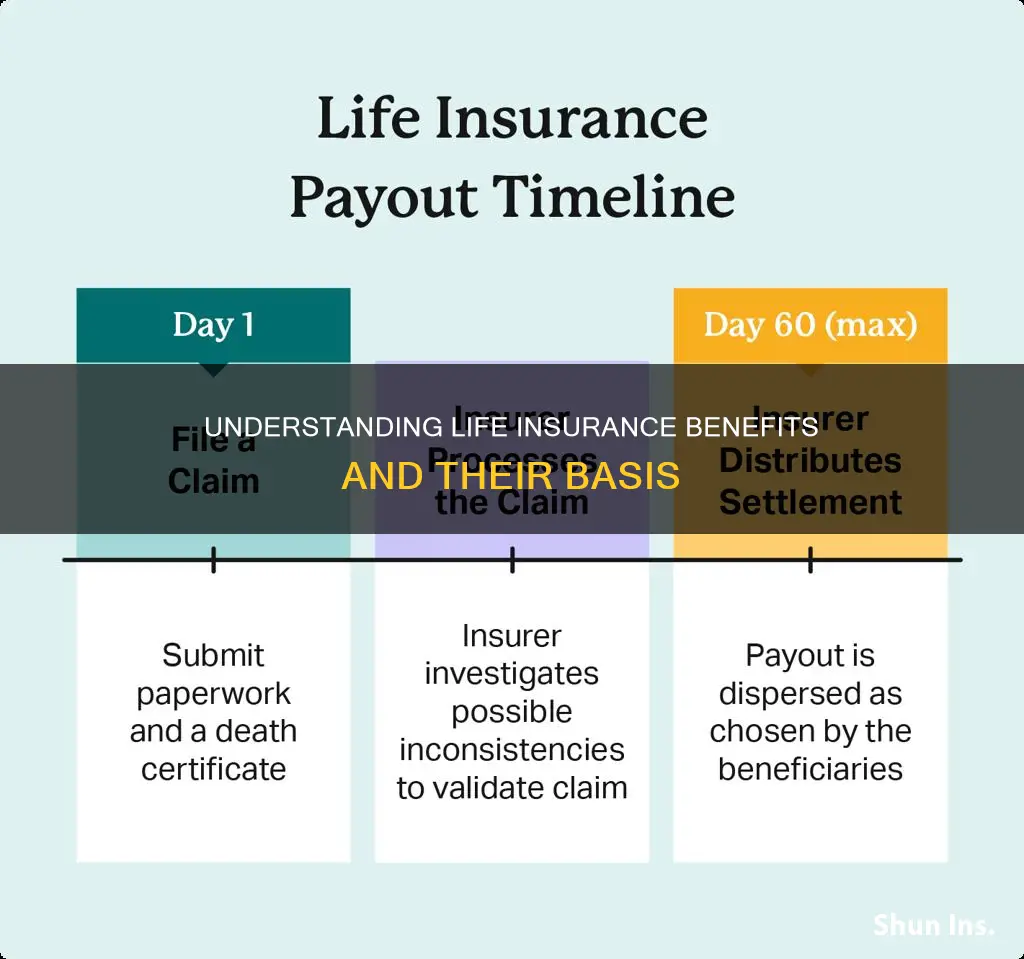
- Timing the Exchange: Some carriers take 30 to 60 days to process these transfers. During this time, your money is effectively "in flight." Ensure you have checked your death benefit coverage, as you may be without active coverage or under reduced coverage during the transition phase.
Professional Guidance and Advice
While the 1035 exchange is a standard tax provision, the implications for your specific financial situation can be significant. It is highly recommended to consult with a tax professional or a certified financial planner before starting the process. Because insurance contracts are legally binding documents, the way they are drafted and the tax consequences of their liquidation can vary by jurisdiction.
An experienced advisor can help you review your policy’s "Surrender Charge Schedule." If your current policy is still within its surrender charge period, the costs of leaving that policy might outweigh the benefits of moving to a new one, even with the tax-free status of the 1035 exchange.
Next Steps for Policyholders
If you are considering a 1035 exchange in 2026, follow this sequence:
- Request a formal basis statement from your current insurer to confirm your actual investment.
- Request a projection of the new policy to ensure the net gain in benefits or reduction in fees justifies the effort and any new surrender charges.
- Confirm with the new carrier that they are willing to accept a 1035 exchange and ask for their specific forms.
- Ensure all paperwork is submitted as a "Direct Transfer" to avoid any potential tax withholding issues.
By following these steps, you can optimize your life insurance portfolio while maintaining the tax-advantaged status of your accumulated cash value.