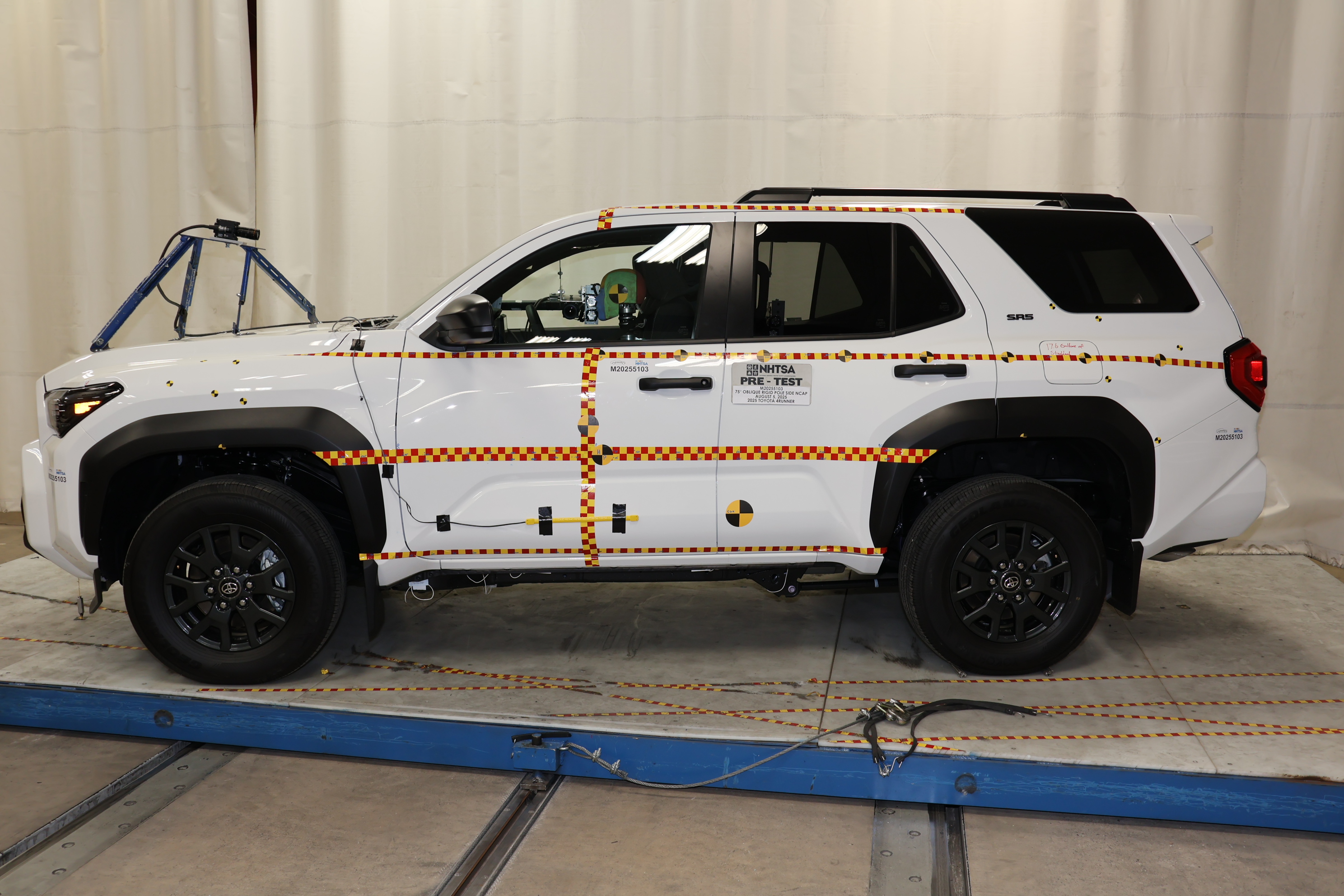
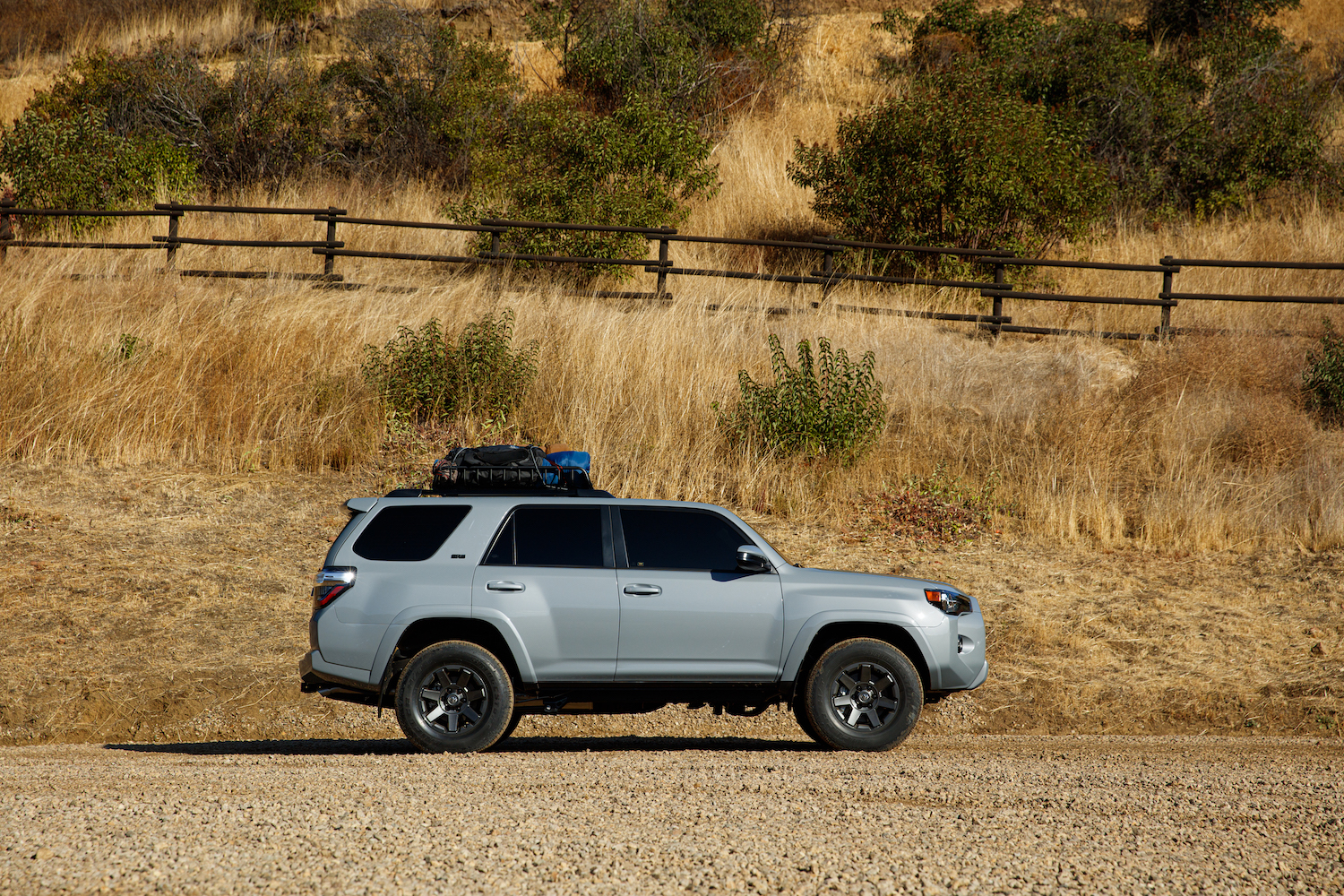
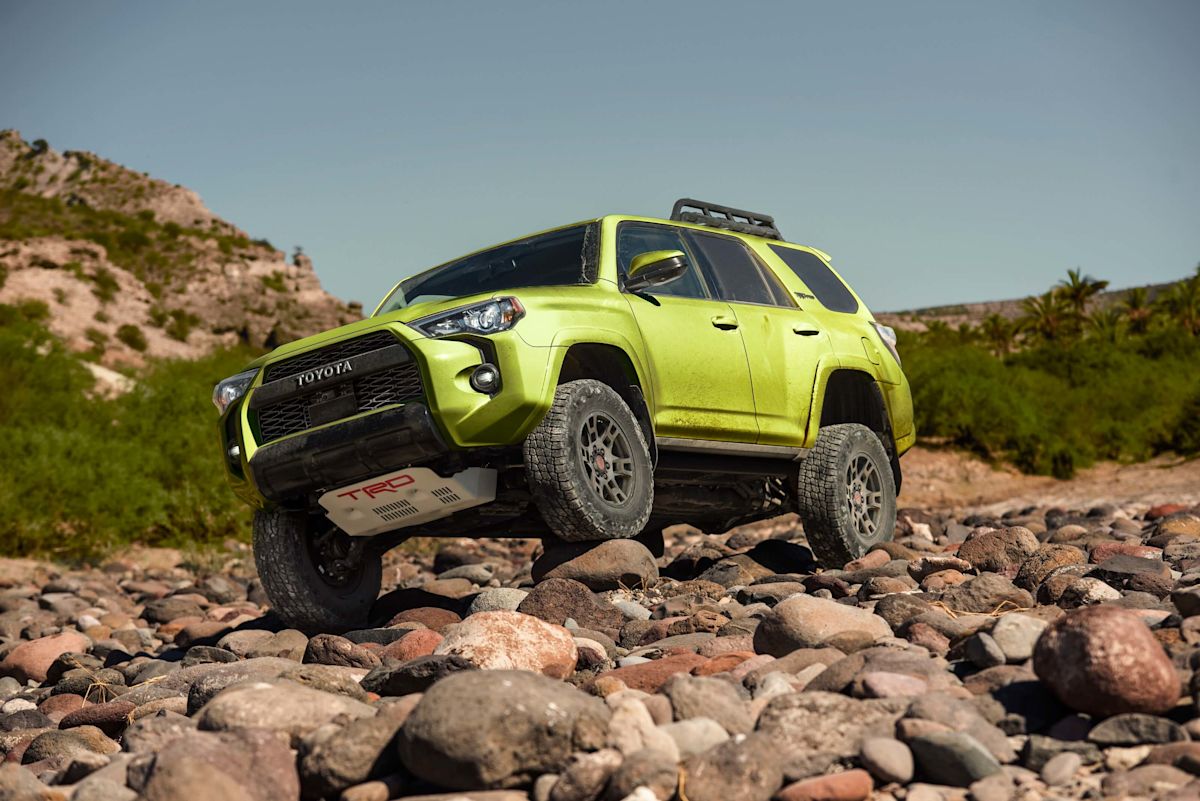
The Toyota 4Runner is a body-on-frame SUV renowned for its longevity and off-road capability, but its design reflects a balance between rugged utility and modern safety standards. Crash test ratings from the National Highway Traffic Safety Administration (NHTSA) and the Insurance Institute for Highway Safety (IIHS) provide a benchmark for how this vehicle performs in various collision scenarios, helping prospective buyers understand the trade-offs inherent in a traditional truck-based platform.
Understanding the Crash Testing Landscape
Crash test ratings for vehicles are generated by two primary independent organizations in the United States: the National Highway Traffic Safety Administration (NHTSA) and the Insurance Institute for Highway Safety (IIHS). While both entities aim to improve automotive safety, their methodologies differ significantly, providing a multi-faceted view of a vehicle's protective capabilities.
The NHTSA operates under the U.S. Department of Transportation and conducts the New Car Assessment Program (NCAP). Its ratings are expressed in a star system, ranging from one to five stars. The testing focuses on frontal crashes, side crashes, and rollover resistance. Because the 4Runner is a high-clearance SUV, its rollover propensity—a key component of the NHTSA rating—is a critical factor in its overall score compared to unibody crossovers or sedans.
Conversely, the IIHS is an independent, non-profit scientific and educational organization funded by auto insurers. Their testing is often considered more rigorous, utilizing specific test modes such as the small overlap frontal crash, which tests how the vehicle's structural integrity holds up when only a small portion of the front end impacts an object like a pole or tree. They also evaluate roof strength, seat head restraints, and modern crash avoidance technology, such as automated emergency braking systems.
The Toyota 4Runner’s Structural Characteristics
To understand why the 4Runner earns specific ratings, one must look at its engineering. The Toyota 4Runner is built using a body-on-frame construction method. In this design, the vehicle’s body is a separate structure from the frame, which is the heavy-duty metal chassis that supports the engine and drivetrain.
This design is superior for off-roading and towing because it can handle the intense torsional stresses of uneven terrain. However, from a safety engineering perspective, it presents distinct challenges during a collision. In a unibody vehicle (where the frame and body are one integrated piece), engineers can easily program "crumple zones"—areas designed to deform during an impact to absorb energy. In a body-on-frame vehicle, the frame is rigid by design. This rigidity can result in higher deceleration forces being transferred to the occupants during a crash compared to more flexible, modern unibody SUVs.
NHTSA Evaluation of the 4Runner
The NHTSA testing for the Toyota 4Runner historically reflects its stature as a heavy, high-center-of-gravity vehicle. In the frontal crash test, which simulates a head-on collision between two similar vehicles, the 4Runner generally performs well in terms of occupant protection. The sheer mass of the vehicle often provides a degree of physical protection in collisions with smaller, lighter automobiles.
However, the rollover rating is an area where potential buyers should exercise caution. Due to the high ground clearance and the geometry of the 4Runner, it is statistically more likely to experience a rollover than a sedan or a lower-profile crossover. The NHTSA rollover test is a dynamic maneuver test that determines how easily a vehicle might flip. Owners should be aware that while the vehicle is built for rugged terrain, high-speed maneuvers on asphalt—such as emergency swerving—require extra driver awareness due to the vehicle's inherent physics.
IIHS Testing and Passive Safety Systems
The IIHS provides a deeper look into the 4Runner’s safety through its "crashworthiness" evaluations. These categories include:
- Small Overlap Frontal: This test is notoriously difficult for many older designs because the impact bypasses the vehicle’s primary front-end crumple zones.
- Moderate Overlap Frontal: This reflects a more traditional collision scenario.
- Side Impact: Assessing the structural integrity of the doors and B-pillars.
- Roof Strength: A critical metric for rollover protection, measuring how much force the roof can sustain before intruding into the cabin space.
In recent years, the IIHS has updated its criteria to include more stringent requirements for pedestrian detection and night-time crash avoidance. As the 4Runner has evolved, Toyota has integrated the "Toyota Safety Sense" (TSS) suite into the platform. This includes pre-collision systems with pedestrian detection, lane departure alerts, and dynamic radar cruise control. These electronic aids are designed to mitigate the risks that traditional heavy-duty frames cannot address through mechanical design alone.
Comparison Table: Safety Considerations for Truck-Based SUVs
The following table outlines the general safety distinctions between a body-on-frame SUV like the 4Runner and a modern unibody SUV to assist in your evaluation.
| Feature | Body-on-Frame (4Runner) | Unibody SUV (Typical Crossover) |
|---|---|---|
| Energy Absorption | Primarily through frame stiffness | Integrated crumple zones |
| Rollover Risk | Higher due to center of gravity | Generally lower |
| Collision Mass | High (favorable in vehicle-to-vehicle) | Moderate |
| Handling | Truck-like; less agile | Car-like; more precise |
| Structural Focus | Durability/Towing | Occupant safety/Handling |
The Role of Driver Assistance Technology
Because the physical architecture of the 4Runner is inherently stable but rigid, Toyota has relied heavily on the "Toyota Safety Sense" suite to improve safety ratings. In 2026, it is standard practice to verify that a specific 4Runner trim includes these advanced driver-assistance systems (ADAS).
These systems use forward-facing cameras and radar sensors to monitor the road. For example, if the vehicle detects an obstacle that the driver does not react to, the automatic emergency braking system can initiate a stop. While this does not change the physical crash test rating of the frame, it actively reduces the probability of a crash occurring in the first place. In the eyes of many safety analysts, the "best" crash test rating is the one that is never needed because the accident was avoided.
Interpreting Limitations in Safety Data
When reading crash test reports for a vehicle like the 4Runner, it is important to understand the concept of "fleet safety." The 4Runner has a long model cycle. A 4Runner built in 2024 shares much of the structural philosophy of one built a decade prior. While modern active safety systems have been added, the "crashworthiness" of the base chassis is largely historical.
Prospective buyers should note that:
- Mass Matters: In a collision between a heavy 4Runner and a much smaller, lighter passenger car, the occupants of the 4Runner are statistically safer due to the laws of physics.
- Compatibility: While the 4Runner is safe for its occupants, its high bumper height can present a risk to smaller, lower vehicles in an impact, as the force may not be distributed evenly across the crumple zones of the other vehicle.
- Maintenance of Safety Systems: Since the 4Runner relies on sensors for its safety features, maintaining clean windshields and properly functioning electrical systems is vital. A sensor obscured by mud (common for off-roaders) or a cracked windshield can potentially disable the driver-assistance features that boost the vehicle's safety profile.
Frequently Asked Questions
Does the Toyota 4Runner have a 5-star safety rating? The 4Runner's NHTSA rating varies by year and configuration. Historically, it has earned a 4-star overall safety rating. Because of its high center of gravity, it typically earns lower marks in rollover testing compared to passenger cars, which affects the final aggregate score.
Are older 4Runner models less safe than newer ones? Generally, yes. While the fundamental frame is robust, newer models include the Toyota Safety Sense suite. Features like automatic emergency braking, lane departure alerts, and improved side-curtain airbag systems significantly enhance the safety profile of the 4Runner compared to models produced before these features were standard.
How does the 4Runner's weight affect its safety? The vehicle's significant curb weight provides a physical advantage in collisions with smaller vehicles, as it is less likely to be displaced upon impact. However, this weight also increases the distance required to come to a full stop and increases the vehicle's kinetic energy during a collision, which the structure must then dissipate.
Is the 4Runner safe for highway driving? The 4Runner is a highway-capable vehicle, but it handles differently than a sedan. Drivers should be aware of its increased braking distances and susceptibility to crosswinds. Using the vehicle's standard stability and traction control systems is essential for maintaining safe highway operation.
Should I prioritize crash test ratings when buying an off-road vehicle? Yes. Even for off-roaders, the majority of the vehicle's life is likely spent on public roads. It is a common mistake to ignore crashworthiness in favor of off-road utility. Evaluating both the IIHS and NHTSA scores is a standard step in ensuring the vehicle meets your requirements for daily driving and family safety.
Recommendations for Buyers
When evaluating a Toyota 4Runner, your decision should be informed by the context of how you intend to use the vehicle. If your primary goal is a vehicle for highway commuting and urban errands, you may find that a unibody SUV offers superior crash test ratings and more predictable handling.
If your requirements necessitate the 4Runner's body-on-frame durability, you should:
- Prioritize Newer Models: Seek out 4Runner iterations that include the most recent version of the Toyota Safety Sense suite.
- Verify Trims: Ensure the vehicle is equipped with the maximum number of airbags and safety sensors available for that model year.
- Practice Defensive Driving: Acknowledge the vehicle’s height and handling characteristics. The best way to compensate for the vehicle’s specific crash test profile is to remain aware of your surroundings and utilize the driver-assistance technologies provided to maintain a safe distance from other motorists.
By understanding that the 4Runner’s safety performance is a blend of traditional, rigid frame engineering and modern electronic intervention, you can make a decision that balances your need for a rugged, long-lasting vehicle with the realities of road safety.