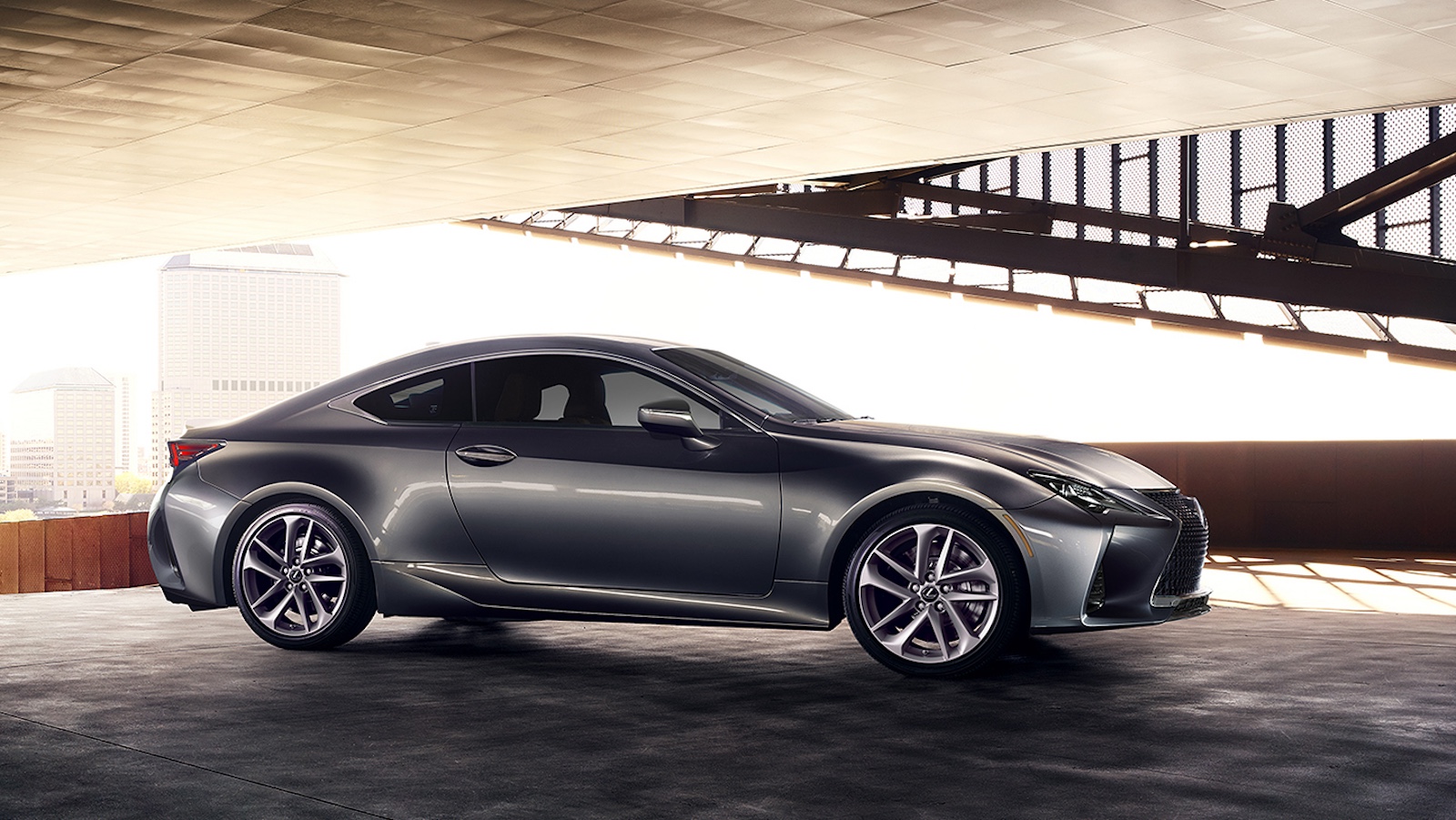
The surprising truth about the Lexus RC 350 F Sport exhaust is that despite its aggressive, angular bodywork and track-inspired styling cues, the factory system is engineered almost entirely for quiet refinement and cabin isolation rather than raw acoustic performance. While the exterior aesthetics suggest a roaring sports car, the underlying hardware utilizes complex baffling and Helmholtz resonators designed to suppress drone and maintain executive-level luxury comfort.
Evaluating a luxury-performance vehicle like the Lexus RC 350 F Sport requires a thorough examination of how sound, engineering, and driver expectations interact. For enthusiasts stepping into the 3.5-liter V6 coupe, the gap between visual aggression and auditory feedback is often the first mechanical surprise they encounter. This analysis breaks down the architecture of the factory exhaust, the engineering constraints behind it, and how owners navigate the path toward a more engaging driving experience.
The Anatomy of the Lexus RC 350 F Sport Exhaust
To understand the acoustic profile of the RC 350 F Sport, one must first examine the physical layout of the exhaust system from the headers back to the rear tips. Lexus constructs the factory system using high-grade stainless steel, ensuring long-term corrosion resistance and durability. However, the choice of materials is secondary to the internal routing and chamber design that dictates how exhaust gases—and sound waves—travel through the chassis.
The system begins at the exhaust manifolds, merging into catalytic converters that meet federal and regional emissions standards. From there, the mid-pipe routes gases underneath the passenger cabin. Unlike traditional performance setups that feature a straight-through X-pipe or H-pipe configuration, the Lexus mid-pipe often incorporates secondary catalytic converters and a sizable resonator. This central dampening component is critical for breaking up harsh frequencies and smoothing out the raw pulses generated by the 2GR-FKS 3.5-liter V6 engine.
At the rear, the dual-exhaust setup splits into specialized mufflers featuring distinct internal baffling. The F Sport badge might imply a louder, uncompromised note, but the engineering team at Lexus tunes these rear mufflers to cancel out specific frequencies in the 1,500 to 2,500 RPM range. This specific band is where highway drone typically occurs, making it the primary target for suppression. The visible quad-tip or trapezoidal finishers integrated into the rear bumper are largely cosmetic, serving as the exit point for a heavily filtered acoustic wave.
Engineering Philosophy: Luxury First, Sport Second
The core mandate of the Lexus brand is refinement, and the RC 350 F Sport must balance its sporting aspirations with the quiet cabin experience expected by its core demographic. When engineers designed the vehicle, they treated NVH (Noise, Vibration, and Harshness) reduction as a top priority.
A loud, raspy exhaust note can be fatiguing on long commutes. To prevent driver and passenger fatigue, Lexus engineers utilized active and passive acoustic measures. In some iterations, sound creation is augmented digitally through the vehicle's audio system via Active Sound Control (ASC), supplementing the quiet mechanical reality under the car with synthesized engine notes inside the cabin. This approach creates a psychological disconnect: the driver hears a sporty growl inside the car, while bystanders outside experience a hushed, sophisticated hum.
This dichotomy highlights the surprising truth. The F Sport trim level is an appearance and handling package rather than a high-performance powertrain variant like an RC F. Consequently, the exhaust system is intentionally subdued to preserve the dual-personality nature of the car—docile and quiet during daily commuting, yet visually sharp and composed when pushed through twisty backroads.
| Exhaust Characteristic | Factory RC 350 F Sport | Typical Aftermarket Cat-Back |
|---|---|---|
| Primary Design Goal | Cabin isolation, drone reduction, compliance | Increased airflow, aggressive sound, weight savings |
| Sound Level (Idle) | Whisper-quiet, subtle V6 purr | Deep, resonant rumble |
| Sound Level (WOT) | Smooth, restrained upper register | Crisp, high-pitched V6 wail or deep growl |
| Highway Drone | Zero drone at cruising speeds | Minimal to noticeable depending on baffling |
| Material Weight | Heavier, durability-focused stainless steel | Lighter-gauge steel or titanium options |
Sound Synthesis and Acoustic Perception
Understanding how human perception interacts with vehicle acoustics sheds light on why the RC 350 F Sport exhaust feels underwhelming to purists. The 3.5-liter naturally aspirated V6 engine (the 2GR-FKS) is mechanically robust, producing 311 horsepower, but V6 engines possess a distinct acoustic signature compared to inline-fours or traditional V8s. Without careful tuning, V6 exhaust notes can lean toward a raspy or metallic tone under heavy acceleration.
To counteract this, Lexus engineers engineered the factory exhaust to round off the harsh upper frequencies. The resonator and muffler geometry acts as an acoustic filter, absorbing the frequencies that cause raspiness. The side effect of this thorough filtration is a reduction in overall volume.
Furthermore, modern crash-safety standards and pedestrian protection regulations dictate rear bumper and exhaust placement. The routing required to snake the piping safely around the multi-link rear suspension and structural members leaves little room for straight-through performance resonators. Every bend and expansion chamber dampens the acoustic energy further, resulting in the refined, subdued output that surprises new owners.
Common Modifications and Aftermarket Solutions
Because many owners purchase the RC 350 F Sport expecting a more pronounced exhaust note to match the aggressive front spindle grille and bolstered sport seats, the aftermarket support for this platform is robust. Upgrading the exhaust system is one of the most common modifications performed by enthusiasts. However, navigating the aftermarket requires an understanding of how changes affect backpressure, drone, and warranty coverage.
Cat-Back Exhaust Systems
Replacing the system from the catalytic converters back is the most popular route. Reputable brands manufacture systems specifically designed to eliminate the factory bottlenecks without introducing unbearable highway drone. These systems often replace the restrictive factory mufflers with straight-through or chambered mufflers that let the natural V6 note breathe.
Axle-Back Systems
For owners looking for a budget-friendly option that alters the sound slightly without modifying the mid-pipe or risking check-engine lights related to emissions sensors, an axle-back system is a viable choice. These kits replace only the rear mufflers and tips. They provide a deeper tone at idle and under acceleration while keeping highway cruising manners relatively civil.
Electronic Valve-Controlled Systems
Some premium aftermarket systems feature variable exhaust valves (similar to active systems found on high-end sports cars). These allow the driver to switch between a quiet mode (closely mimicking stock behavior) and an open track mode via a remote control or dashboard button, offering the best of both worlds.
Practical Considerations Before Upgrading
Modifying the exhaust system of a modern luxury coupe involves several trade-offs that every owner should weigh carefully.
- Cabin Drone: V6 engines are notoriously prone to annoying drone frequencies around 2,000 RPM when fitted with cheap aftermarket pipes. Investing in a system engineered with Helmholtz chambers or tuned resonators is essential to prevent long-distance driving fatigue.
- Warranty Implications: While the Magnuson-Moss Warranty Act protects consumers in many regions regarding aftermarket parts, a poorly installed or overly loud exhaust could complicate warranty claims if a dealership determines the modification caused a related failure (such as sensor faults or hanger damage).
- Emissions and Legality: Keeping the primary and secondary catalytic converters intact ensures the vehicle remains compliant with state and national emissions testing. Removing catalytic converters outright is illegal for street use in many jurisdictions and triggers persistent check-engine codes.
- Weight Savings: Factory exhaust systems are heavy due to their durable construction and sound-deadening chambers. High-end aftermarket systems—particularly titanium setups—can shed noticeable weight from the rear overhang, marginally improving handling dynamics.
Frequently Asked Questions
Does the Lexus RC 350 F Sport exhaust have active valves?
No, the factory exhaust on the standard RC 350 F Sport does not feature mechanical active valves to alter sound levels on the fly. Acoustic adjustment in the cabin is primarily handled through digital sound augmentation (Active Sound Control) rather than physical exhaust bypass valves.
Will changing the exhaust void my manufacturer warranty?
Under standard regulations, simply installing an aftermarket exhaust does not automatically void your entire vehicle warranty. However, if the aftermarket part causes a direct failure—such as an exhaust leak triggering an oxygen sensor fault or poor fitment damaging chassis components—that specific repair may not be covered.
Why does the factory RC 350 exhaust sound so quiet compared to German rivals?
Lexus prioritizes NVH (Noise, Vibration, and Harshness) suppression to maintain a quiet, executive-grade cabin environment. Unlike performance-oriented German competitors that often feature aggressive pops, bangs, and cold-start roars out of the box, Lexus tunes its luxury coupes for long-term cruising comfort.
Can an aftermarket exhaust add horsepower to the RC 350?
A cat-back exhaust can reduce backpressure and marginally improve exhaust gas scavenging, but the actual horsepower gains on a naturally aspirated 3.5L V6 are typically modest (often ranging from 5 to 10 horsepower). Most owners upgrade for the acoustic and aesthetic benefits rather than massive power gains.
Final Recommendation
If you currently own or are considering purchasing a Lexus RC 350 F Sport, accept the factory exhaust for what it is: a marvel of acoustic engineering designed to keep your daily commute peaceful and serene. If your driving style demands an aggressive mechanical soundtrack that matches the car's striking visual presence, budget for a reputable, drone-free cat-back aftermarket system. Prioritize engineered solutions with integrated resonators over cheap muffler deletes to preserve the refined driving dynamics that make the RC platform unique.