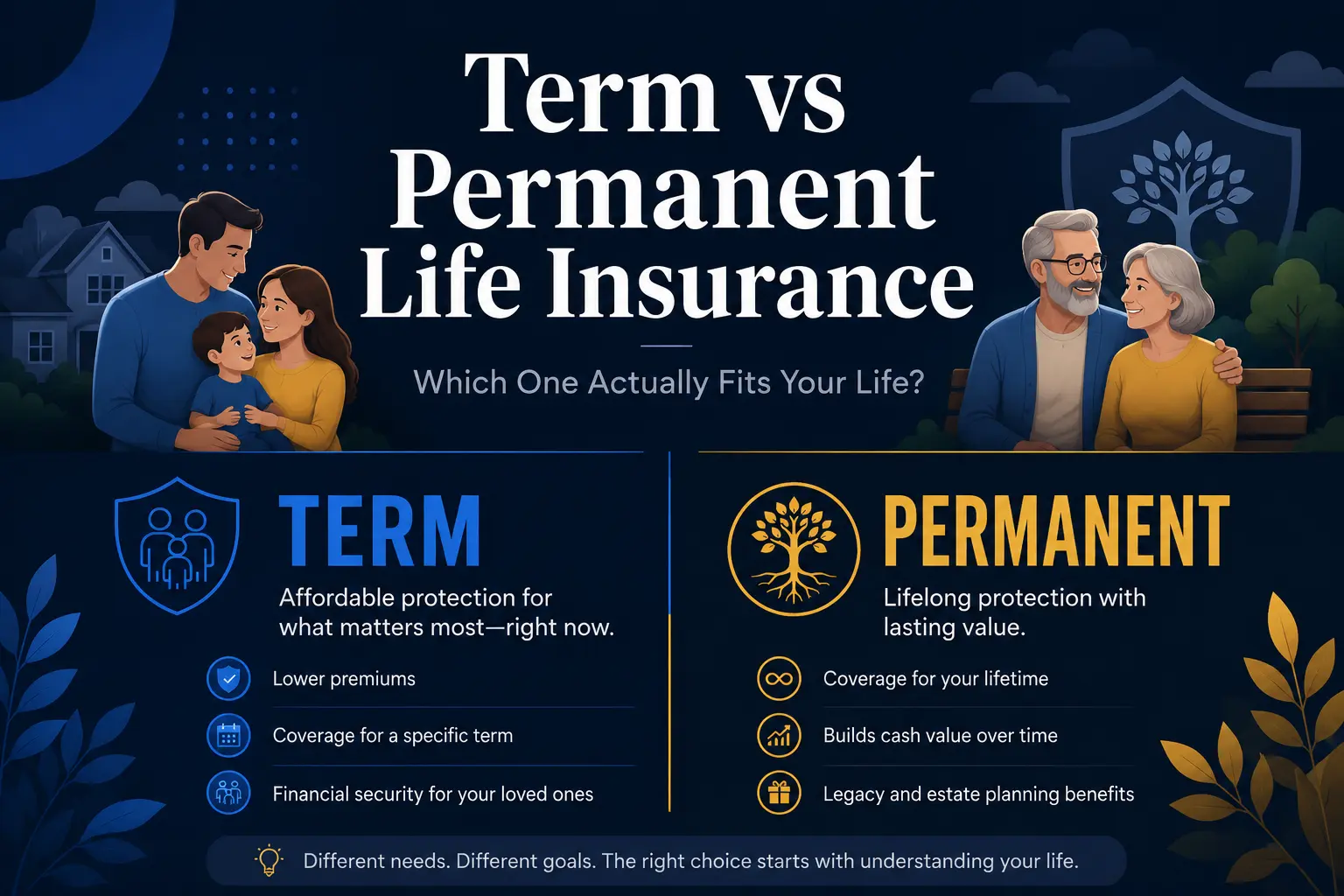
Life insurance paid up at age 65 is a specialized permanent insurance structure where policyholders complete all required premium payments by their 65th birthday, after which the policy remains fully active and builds cash value without any further financial outlays. This policy design provides lifelong death benefit protection while shifting the funding burden entirely to the insured's working years, making it a strategic instrument for retirement income and estate planning.
Defining "Paid Up at Age 65" Life Insurance
To understand the core mechanics of a policy that is paid up at age 65, it is helpful to look at how it differs from traditional whole life insurance. Standard whole life insurance typically requires premium payments for the entire life of the insured, often up to age 100 or 121. If a policyholder stops paying premiums on a standard whole life policy later in life, the policy may lapse or require utilizing the accumulated cash value to keep the coverage afloat through non-forfeiture options.
Conversely, limited-pay life insurance contracts—of which "Paid Up at Age 65" is one of the most popular configurations—contractually limit the premium payment window. When you purchase this type of policy, the insurance carrier calculates a fixed, level premium schedule designed to fully amortize the cost of the lifetime death benefit and policy expenses over a compressed timeframe. Once the insured individual reaches their 65th birthday, the policy is legally and financially "paid up." No more invoices are sent, no further cash injections are required from the policyholder, and the life insurance coverage remains in force until the insured passes away, provided no loans are taken against the cash value that exceed its limit.
This structural commitment requires higher annual premiums than a continuous-pay whole life policy of the exact same face amount issued at the same age. Because the insurance company has fewer years to collect the total required premium pool to cover the eventual death benefit and guarantee cash value growth, each individual annual premium is significantly larger. However, buyers willingly absorb this higher short-term cost in exchange for absolute financial certainty in their retirement years.
How Limited-Pay Permanent Insurance Works Mechanically
The inner workings of a paid-up-at-65 policy rely on actuarial science, dividend distribution (if participating with a mutual insurer), and guaranteed cash value accumulation tables. When an application is approved, the insurance company locks in the premium rate based on the insured's age, health classification, and the chosen face amount.
The Actuarial Math Behind the Squeezed Premium Window
Insurance companies price policies using mortality tables and assumed interest rates. In a standard whole life policy, payments stretch across decades. When you compress that payment period—for instance, buying the policy at age 35 and stopping at age 65, leaving a 30-year payment window—the mathematical reserve requirements accelerate rapidly. The insurer must invest incoming capital aggressively and safely to ensure that the compound growth, combined with the premium stream, fully funds the policy's endowment at age 65.
Cash Value Acceleration
Because premiums are front-loaded and higher during the working years, the cash value inside a paid-up-at-65 policy accumulates much faster than it would in a continuous-pay policy.
- Early Years: A larger portion of the initial high premium goes toward building the policy's cash reserve after accounting for administrative loads and commissions.
- Middle Years: Compound interest and potential dividends begin to compound on a larger principal balance.
- Post-65 Phase: Once payments cease at age 65, the cash value continues to grow purely through internal crediting rates and dividends, without any new cash infusions from the policyholder.
Key Benefits of Completing Payments at Age 65
Choosing a life insurance structure that becomes fully paid up at retirement age offers distinct advantages, particularly for individuals who value financial predictability and risk mitigation during their golden years.
| Benefit Feature | Operational Impact for the Policyholder |
|---|---|
| Elimination of Retirement Fixed Costs | Zero ongoing premium invoices during fixed-income retirement. |
| Accelerated Cash Value Growth | Higher early liquidity and larger borrowing capacity. |
| Guaranteed Lifetime Protection | Death benefit remains intact regardless of market shifts. |
| Estate and Legacy Certainty | Clear financial legacy passed to heirs without upkeep. |
Eliminating Fixed Liabilities in Retirement
The most compelling advantage is the complete eradication of ongoing premium obligations at a time when most people experience a drop in income. Retirement planning often focuses on eliminating major debts, such as mortgages and car loans. Adding a life insurance premium to that list of eliminated expenses frees up monthly cash flow, allowing retirees to allocate funds toward healthcare, travel, or living expenses without worrying about policy lapse.
Protection Against Premium Shock and Inflation
With whole life and limited-pay policies, premiums are generally level and guaranteed never to increase. By locking in a payment schedule that terminates at age 65, the policyholder completely shields themselves from the rising costs associated with term insurance renewals or the potential performance fluctuations of universal life policies that require higher premiums later in life to keep from lapsing.
Comparative Analysis: Paid-Up at 65 vs. Other Structures
To properly evaluate whether a paid-up-at-65 life insurance policy fits your financial strategy, it is essential to compare it against other common permanent and temporary insurance models.
Paid-Up at 65 vs. Continuous-Pay Whole Life
- Payment Period: Continuous-pay runs for life (to age 100 or 121); paid-up at 65 stops strictly at age 65.
- Annual Premium Cost: Continuous-pay features lower annual premiums; paid-up at 65 features higher annual premiums.
- Cash Value Velocity: Continuous-pay builds cash value at a slower, steadier pace; paid-up at 65 builds cash value rapidly during the working years.
- Retirement Budget Impact: Continuous-pay requires lifetime payments, potentially straining retirement cash flow; paid-up at 65 requires zero payments in retirement.
Paid-Up at 65 vs. Term Life Insurance
- Duration: Paid-up at 65 provides permanent, lifelong coverage; term life insurance provides temporary coverage for a set period (e.g., 10, 20, or 30 years).
- Cash Value: Term insurance builds no cash value; paid-up at 65 builds a substantial, accessible cash reserve.
- Cost: Term insurance is initially much less expensive; paid-up at 65 requires a significant capital commitment.
- Purpose: Term is designed to cover temporary obligations (like a mortgage or raising children); paid-up at 65 is designed for permanent estate creation and retirement cash management.
Potential Drawbacks and Limitations
While the prospect of stopping premium payments at age 65 is attractive, this type of policy comes with trade-offs that every buyer must carefully weigh.
High Initial Cost Burden
The most significant hurdle is affordability. Because the payment window is shorter, the annual or monthly premiums are substantially higher than those of a standard whole life or term policy. Buyers who stretch their budgets too thin to afford a paid-up-at-65 policy risk defaulting on payments in the early years, which can result in significant financial losses if the policy is surrendered prematurely.
Opportunity Cost of Capital
Capital locked inside a life insurance policy earns the insurer's general account crediting rate or dividend scale. For some investors, the high cash flow required to fund a paid-up-at-65 policy could alternatively be deployed into diversified retirement accounts, such as a 401(k) or IRA, which may offer higher historical equity market returns, albeit without the insurance guarantees and tax advantages.
Frequently Asked Questions
Can I still access my cash value after age 65 when the policy is paid up?
Yes. Even though you are no longer making premium payments, the accumulated cash value remains accessible. You can access these funds via policy loans or withdrawals to supplement retirement income, though taking loans will reduce the ultimate death benefit if not repaid.
What happens if I buy the policy at age 55? Is paid-up at 65 still available?
Yes, but purchasing a limited-pay policy with a short 10-year window (from age 55 to 65) will result in extremely high annual premiums. Insurers must compress the entire funding schedule into just one decade, requiring very large payments.
Are the dividends on a paid-up-at-65 policy taxable?
Generally, dividends paid by mutual life insurance companies are considered a return of premium and are not taxable up to the total amount of premiums you have paid into the policy. Once dividends exceed your cost basis, tax rules vary depending on how the dividends are used.
Can I use my accumulated cash value to pay the premiums before age 65?
Many whole life policies feature a "reduced paid-up" non-forfeiture option or allow dividend options where cash values can offset premiums, but intentionally using cash value to fund a paid-up-at-65 schedule requires careful coordination with your insurer to ensure the policy does not lapse or trigger a taxable modified endowment contract (MEC) status.
Strategic Recommendations and Next Actions
Evaluating a life insurance policy paid up at age 65 requires a holistic review of your current age, cash flow stability, and long-term retirement objectives. If you are in your 30s or early 40s, have maxed out standard retirement accounts, and want absolute certainty that your life insurance liabilities will terminate before you leave the workforce, this structure provides an effective hedge against lifetime financial exposure.
To take the next step, request formal ledger illustrations from multiple mutual insurance carriers comparing a continuous-pay whole life policy against a paid-up-at-65 option. Review these projections with a qualified fiduciary financial advisor or independent insurance professional to ensure the higher premium outlay aligns comfortably with your household budget and broader estate plan.