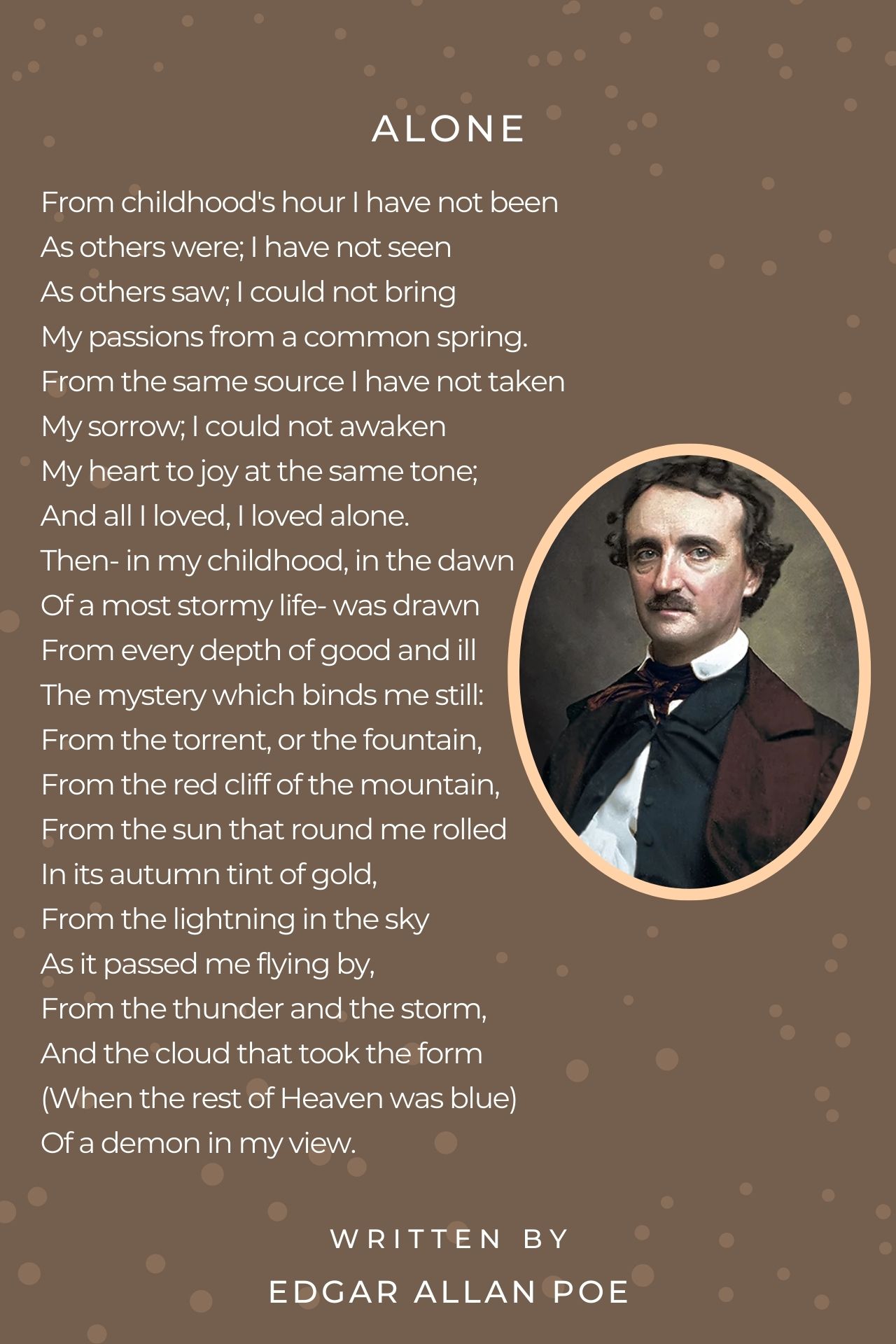
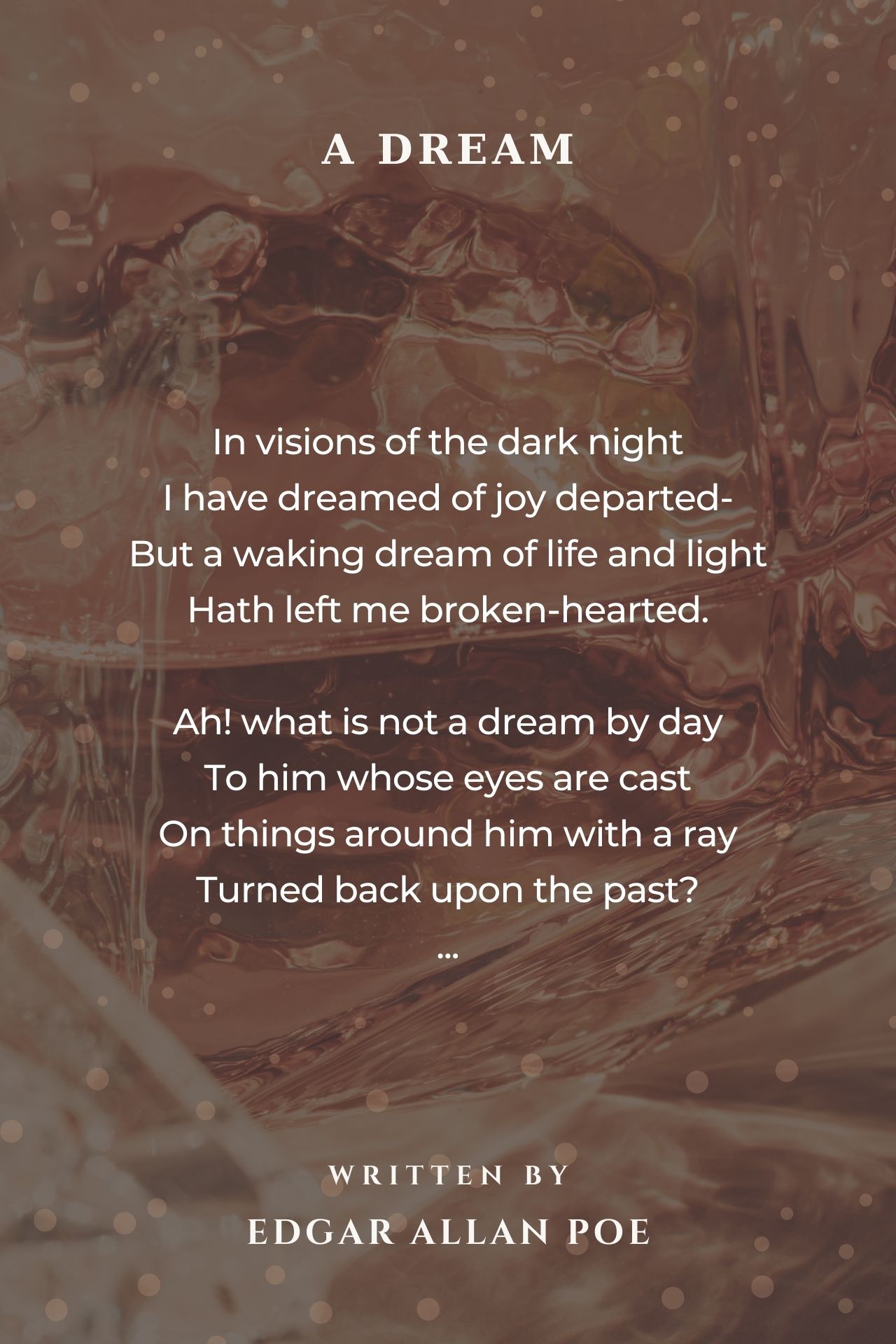
Finding a short Edgar Allan Poe poem for readers involves navigating the haunting, rhythmic, and melancholic legacy of one of the 19th century’s most influential American authors. These concise pieces offer an accessible entry point into his Gothic aesthetic, capturing themes of isolation, beauty, and loss without the structural demands of longer narrative works like "The Raven."
Edgar Allan Poe remains a towering figure in American literature, not only for his pioneering work in detective fiction and short stories but for his mastery of lyrical, atmospheric poetry. For readers seeking to appreciate his craft in a condensed format, Poe’s shorter poems serve as perfect snapshots of his thematic obsessions. Whether you are a student, a collector of classic verse, or a casual reader interested in the macabre, his shorter works provide immediate emotional resonance.
The Appeal of Short Poetry in Poe’s Canon
Poe famously argued in his essay "The Poetic Principle" that a long poem is a "contradiction in terms," asserting that the most intense emotional effects require a brief duration to remain unified. By choosing a short poem, you are engaging with the very medium Poe believed was best suited for "poetic effect." These works are characterized by their melodic meter, precise vocabulary, and the persistent, dark undertones that define the Poe experience.
When searching for a short poem by Poe, readers often look for accessibility—works that do not require deep immersion in 19th-century mythology or complex narrative arcs. These shorter pieces often focus on a single, evocative image or a singular feeling, such as the fragility of love, the inevitability of death, or the dreamlike nature of reality.
Recommended Short Poems for First-Time Readers
If you are looking for an accessible starting point, the following poems are frequently cited for their brevity and thematic clarity. They demonstrate the musical quality of Poe’s writing, often referred to as "Poe’s cadence."
- "A Dream Within a Dream": This is perhaps the quintessential short Poe poem. It explores the existential uncertainty of human experience, questioning whether everything we perceive is merely a fabrication of the mind. Its short length—barely over 20 lines—makes it a staple for readers who want to experience Poe's philosophical side.
- "To Helen": A tribute to beauty and classical inspiration, this poem showcases Poe’s ability to use rhythmic precision to elevate a romantic subject. It is much shorter than his narrative poems and offers a glimpse into his appreciation for aesthetic perfection.
- "Eldorado": A brisk, narrative poem that deals with the human obsession with searching for fortune or meaning. Its short stanzas and clear, driving beat make it ideal for reading aloud or for inclusion in educational curricula.
- "Annabel Lee": While slightly longer than the others, it is often categorized as a "short" work in comparison to his epic pieces. It is arguably his most popular poem, focusing on a lost love and the enduring nature of grief.
Comparing Poe’s Short Poetic Works
Understanding the nuance between these poems can help a reader choose the right one for their specific interest, whether it be mood, rhythm, or thematic content.
| Poem Title | Central Theme | Tone | Ideal For |
|---|---|---|---|
| A Dream Within a Dream | Existentialism | Melancholic | Philosophical reflection |
| To Helen | Romantic beauty | Reverent | Literary appreciation |
| Eldorado | The quest for meaning | Adventurous/Dark | Narrative engagement |
| Annabel Lee | Immortal love/Death | Mournful | Emotional connection |
Historical Context and Literary Significance
To understand these poems, it is helpful to place them in the context of their time. Poe was writing in the mid-19th century, a period deeply influenced by Romanticism, which emphasized the individual, emotion, and the sublime power of nature—or in Poe’s case, the dark, supernatural, and psychological.
When reading these poems in 2026, it is worth noting that the language remains largely accessible despite being nearly two centuries old. Poe’s focus on the "death of a beautiful woman," which he cited as the most poetic topic in the world, threads through many of these shorter works. While this theme may seem specific, his application of it is universal, touching on the inevitable reality of loss and the way memory distorts our past.
How to Read and Analyze Poe
Approaching a short Poe poem requires more than a passive read. Because of the density of his language, the following steps can help you get more out of the experience:
- Read Aloud: Poe was obsessed with the musicality of language. His use of alliteration, internal rhyme, and repetition is designed to be heard. Reading aloud allows the rhythm to dictate the emotional pacing of the poem.
- Identify the "Single Effect": Poe aimed for a unified impact. As you read, ask yourself what the one primary emotion or thought is. Is it fear? Is it longing? Is it resignation?
- Observe the Imagery: Poe often uses symbols—the sea, the tomb, shadows, stars. Identify these recurring motifs to see how they anchor the poem’s meaning.
- Contextualize the Vocabulary: Occasionally, Poe uses archaic or specialized vocabulary. Don't let a single word stop the flow; instead, use the surrounding context to infer the meaning, as his poems rely heavily on the sound of the words as much as their definitions.
Common Misconceptions
One common mistake readers make is viewing Poe solely through the lens of "horror." While his work is undoubtedly dark, many of his short poems are deeply romantic or philosophical. For instance, "A Dream Within a Dream" is not a "horror" poem in the traditional sense; it is a meditation on perception. By focusing only on the "scary" elements of Poe’s reputation, readers may overlook the intellectual sophistication present in his more concise, reflective pieces.
Another issue is the assumption that because the poems are short, they are simple to write. Poe’s poetry is technically complex, utilizing strict meter and rhyme schemes that he labored over meticulously. Recognizing the craftsmanship involved in the poem's structure adds a layer of appreciation for how he manages to pack so much emotional weight into so few lines.
Where to Access Poe’s Poetry
In 2026, there are several reliable ways to access these works. As the majority of Edgar Allan Poe’s body of work has entered the public domain, readers can find high-quality, verified texts at no cost.
- The Edgar Allan Poe Society of Baltimore: This organization maintains a comprehensive, scholarly archive of Poe’s works, letters, and reviews. This is the primary destination for verified text versions.
- Project Gutenberg: A reliable resource for clean, electronic texts of classic literature.
- University-Affiliated Digital Collections: Many university libraries offer digitized versions of original Poe publications, which can be useful if you are interested in the typographical presentation of his original poems.
Next Actions for Readers
If you have selected a poem to read, begin by finding a quiet space where you can read it aloud. Once you have finished, try reading it a second time—this time, focus on the rhythm and the specific words Poe chooses to repeat. If you find yourself drawn to the themes, consider exploring his short stories, as many of the same atmospheric elements are present in his prose works like "The Fall of the House of Usher" or "The Tell-Tale Heart."
The beauty of a short poem by Poe is that it doesn't demand a significant investment of time, yet it offers a lasting impression that lingers long after you’ve finished the final line. By choosing one of the poems listed above, you are stepping into a tradition of American literary excellence that has captivated readers for nearly two hundred years.