Determining a reasonable price for full-coverage auto insurance involves balancing your specific risk profile, vehicle value, and the state-mandated coverage requirements where you reside. While national averages provide a baseline, a truly reasonable rate is one that adequately protects your financial assets at a competitive premium relative to your personal driving history, credit standing, and selected deductibles.
Understanding Full-Coverage Auto Insurance
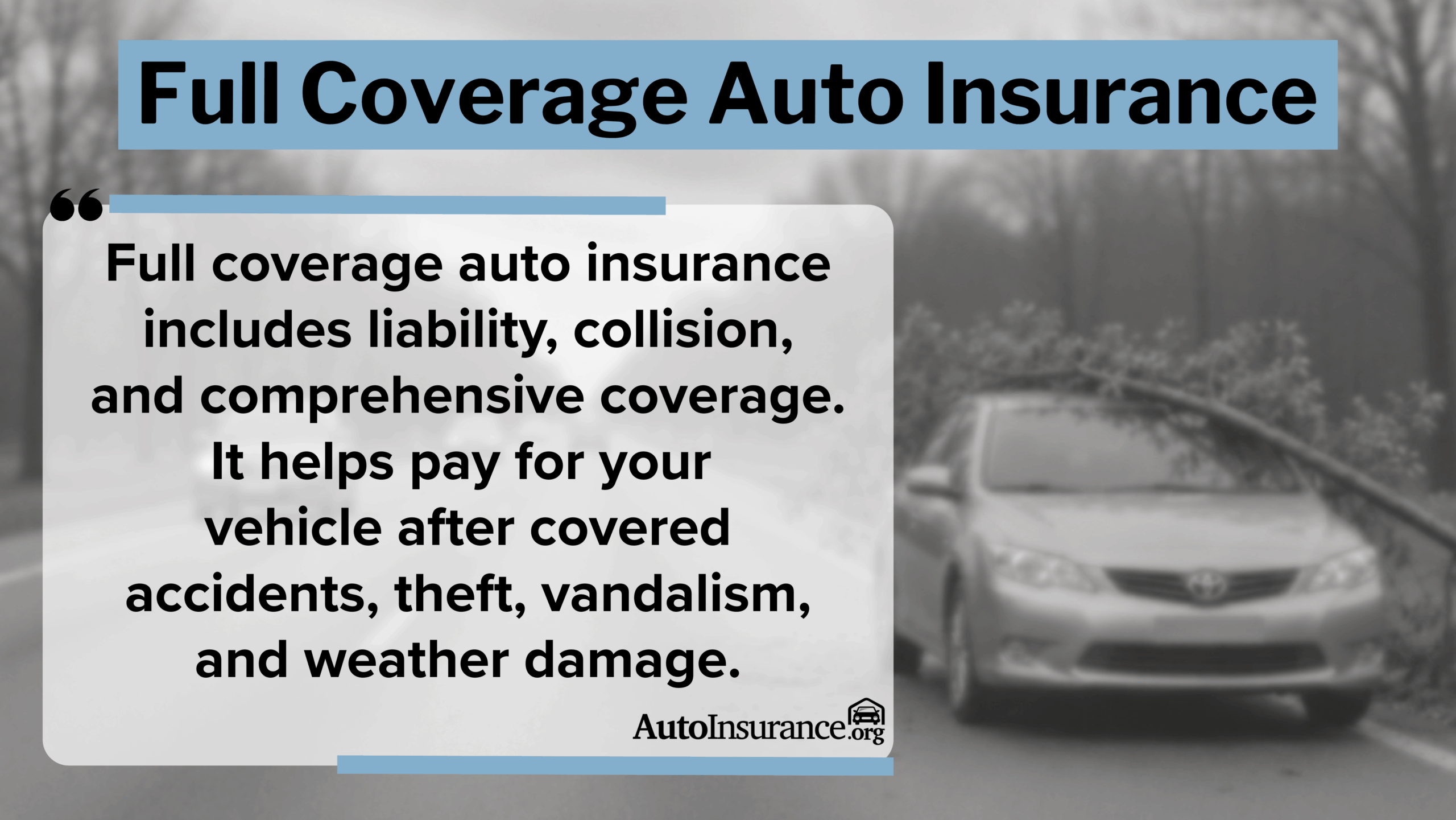
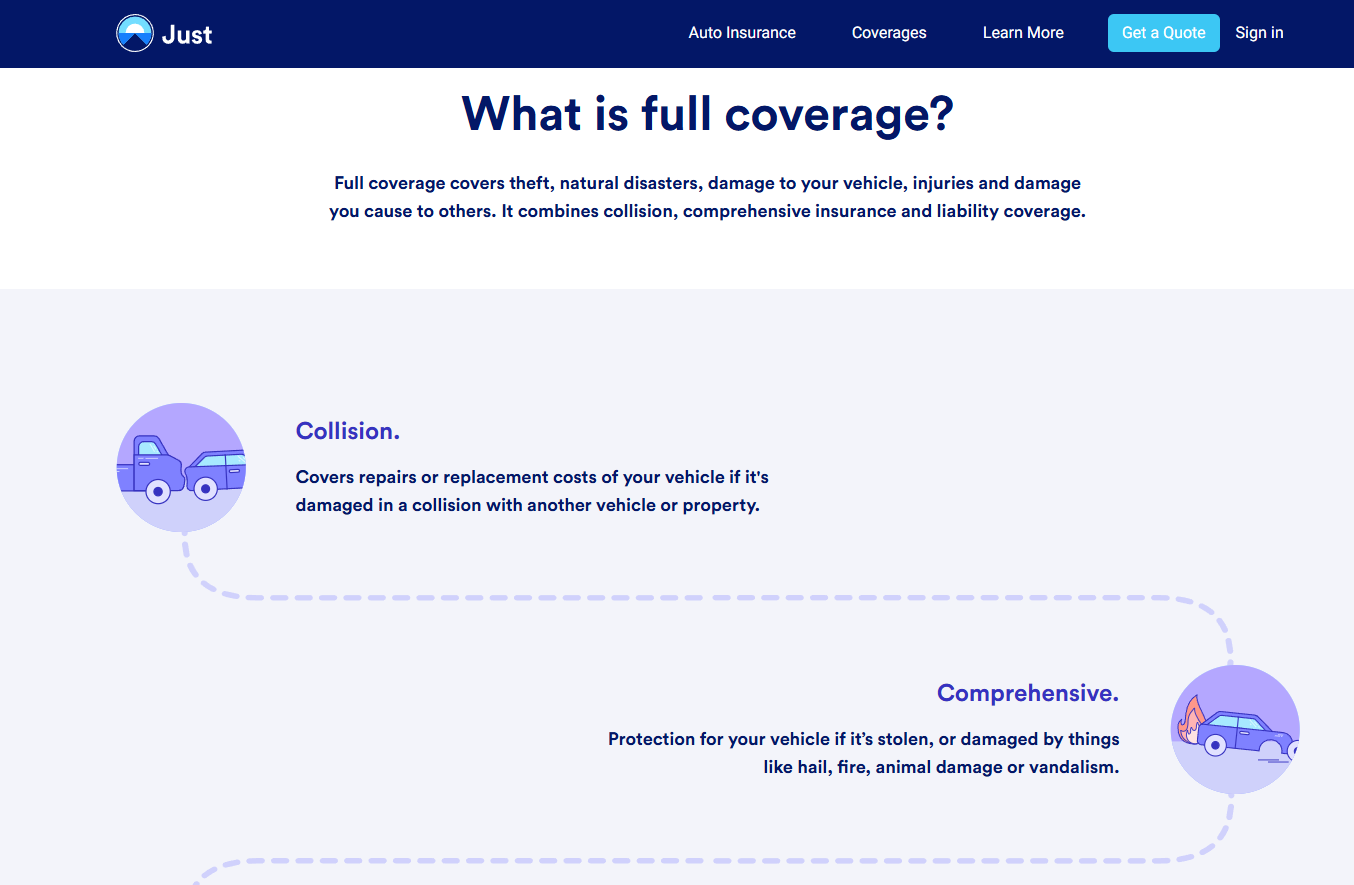
"Full coverage" is a colloquial industry term rather than a formal legal definition. It refers to a policy that includes three core components: liability coverage, collision coverage, and comprehensive coverage. Because state laws only mandate liability insurance—which covers damage you cause to others—full coverage represents the standard for protecting your own vehicle from various perils.
The Three Pillars of Full Coverage
- Liability Insurance: This is legally required in nearly every U.S. jurisdiction. It covers bodily injury and property damage you cause to others in an at-fault accident. It does not pay for your own repairs or medical bills.
- Collision Coverage: This pays to repair or replace your vehicle if it is damaged in a collision with another vehicle or an object, such as a guardrail, pole, or tree, regardless of who is at fault.
- Comprehensive Coverage: This protects your vehicle against non-collision incidents. This typically includes theft, vandalism, fire, natural disasters, and damage caused by hitting an animal.
When consumers ask for a "reasonable price," they are usually seeking the lowest premium for a policy that includes these three elements, often coupled with supplementary coverages like Uninsured/Underinsured Motorist (UM/UIM) protection and Personal Injury Protection (PIP) or Medical Payments (MedPay).
Factors Influencing Your Premium
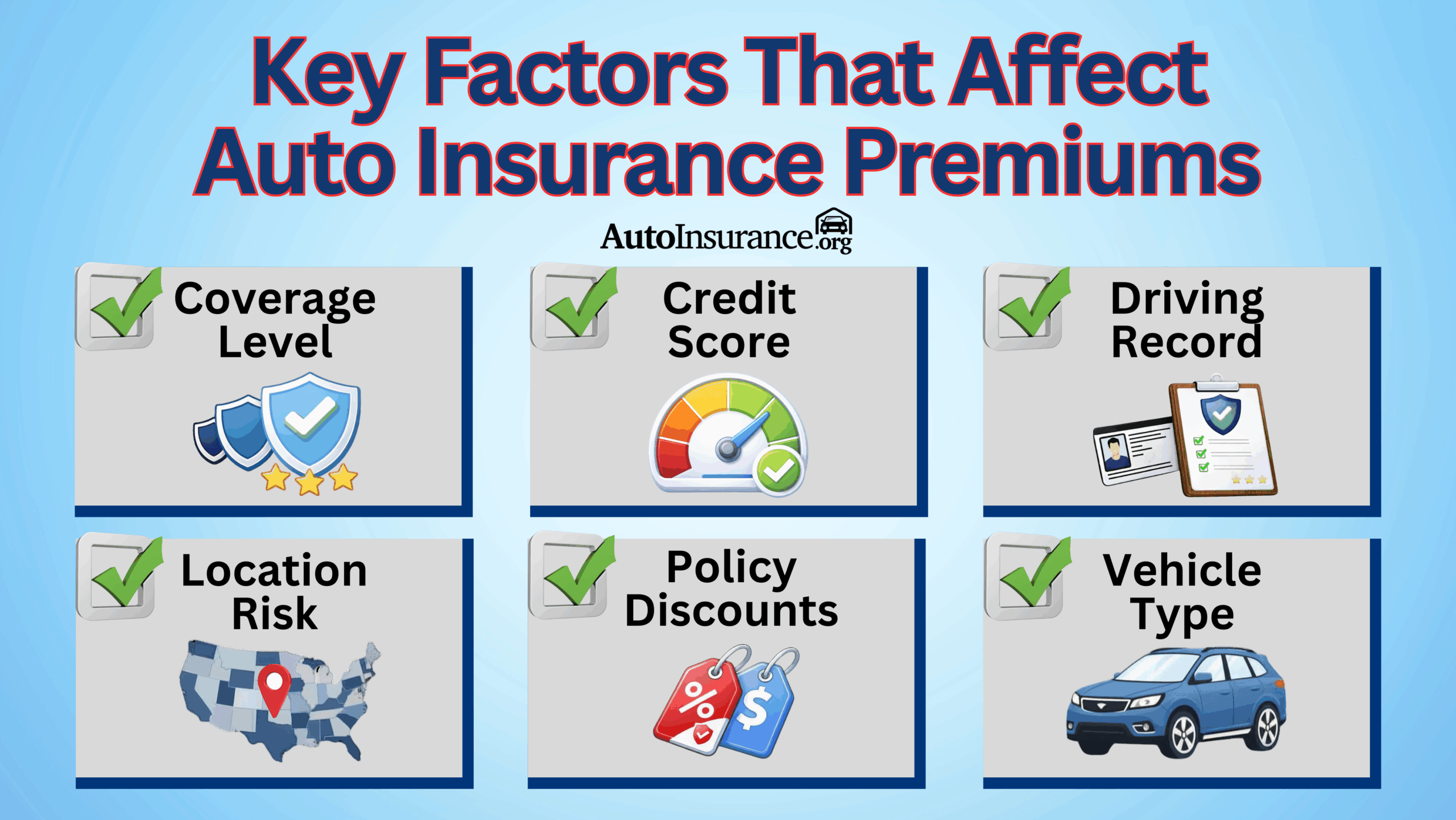
Insurance carriers utilize actuarial science to assign risk. The "reasonableness" of your quote is highly dependent on variables that you may or may not be able to influence in the short term.
Personal Risk Profile
- Driving History: This is the most significant factor. Multiple at-fault accidents or moving violations within a three-to-five-year window categorize a driver as "high risk," leading to exponentially higher premiums.
- Credit-Based Insurance Scores: In most states, insurers use credit information to predict the likelihood of a future claim. Generally, a higher credit score correlates to a lower insurance premium.
- Age and Experience: Younger drivers, particularly those under 25, face higher rates due to statistical evidence of increased accident frequency. Conversely, middle-aged drivers often secure the most competitive rates.
Vehicle and Geographic Variables
- Vehicle Replacement Value: The cost to repair or replace your specific car is a major driver of premiums. High-end luxury vehicles or cars with specialized parts are more expensive to insure under full coverage.
- Location: Rates vary by ZIP code. Urban areas with higher rates of vehicle theft, vandalism, and traffic congestion consistently command higher premiums than rural environments.
- Annual Mileage: If you commute long distances daily, you are exposed to higher statistical risk than a driver who keeps their vehicle garaged for much of the week.
The Mathematical Approach to Determining Reasonable Costs
There is no single "correct" price for auto insurance. A price is reasonable if it reflects your specific risk level and the local market conditions. To determine if your current quote is fair, you must compare it against the broader market while normalizing for your unique profile.
Market Comparison Metrics
In 2026, the average annual cost for full-coverage insurance in the United States fluctuates significantly based on state regulations and local litigation costs. However, you can gauge reasonableness by comparing your quote to these common tiers of coverage:
| Coverage Level | Deductible | Typical Use Case |
|---|---|---|
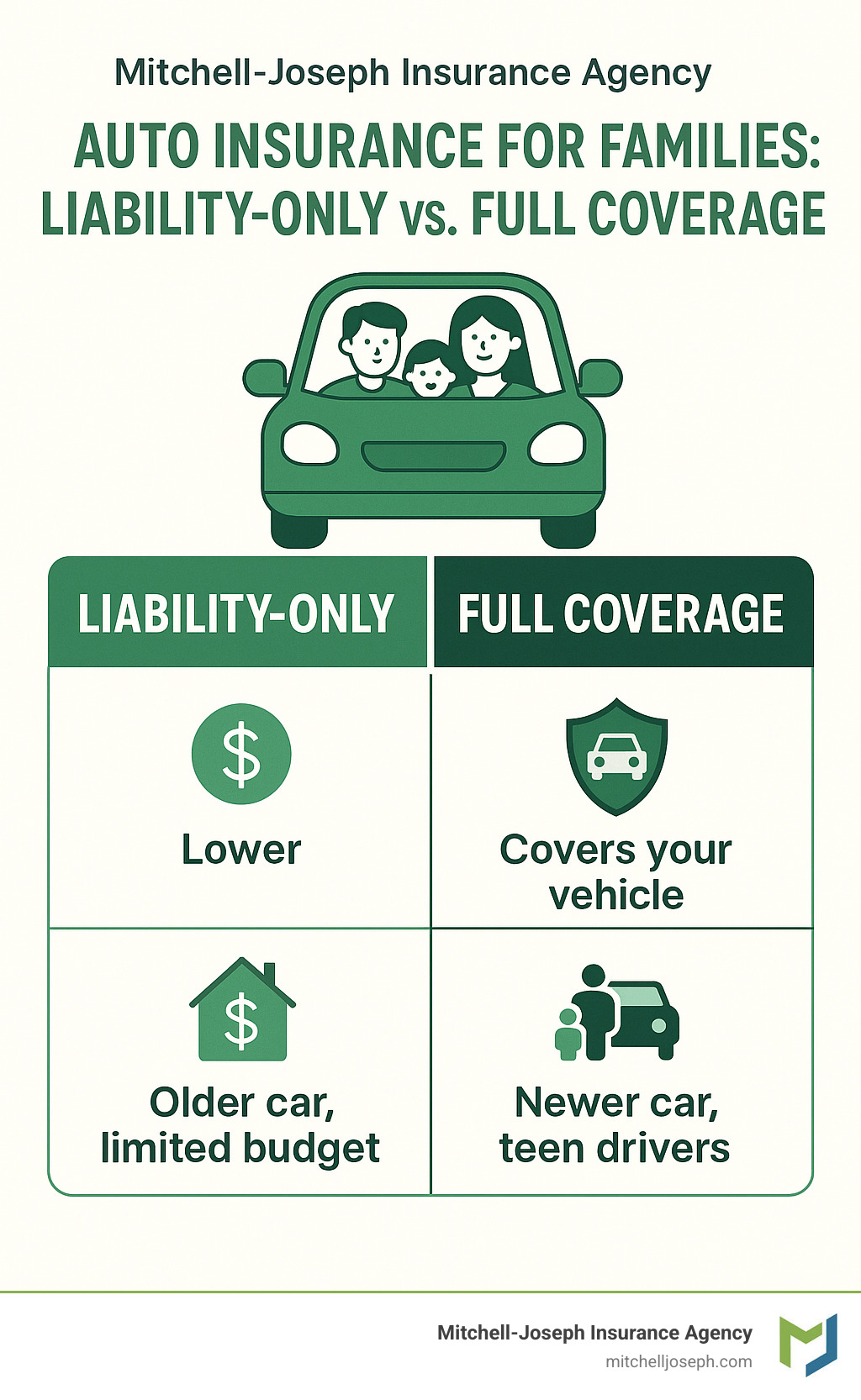
| Minimum Liability Only | N/A | Older vehicles with low resale value. |
| Standard Full Coverage | $500–$1,000 | Vehicles less than 10 years old; financed cars. |
| Premium Full Coverage | $0–$250 | High-value vehicles; high-risk areas; drivers with significant assets to protect. |
Strategy for Obtaining a Reasonable Rate
If your current premium feels excessive, you can employ specific strategies to lower the cost without sacrificing the security provided by full coverage.
1. Adjust Your Deductibles
The deductible is the amount you pay out-of-pocket before the insurance carrier covers the remainder of a claim. Raising your collision and comprehensive deductible from $500 to $1,000 can result in an immediate decrease in your annual premium. However, ensure you have the funds available in an emergency account to cover this higher amount if an accident occurs.
2. Leverage Bundling Discounts
Most major insurers offer significant discounts for "bundling" policies. Combining your auto insurance with a homeowners, renters, or umbrella policy often reduces the overall premium for both. The discount is usually applied to the liability portion of the auto policy.
3. Review Coverage Limits
While you need sufficient coverage, you may be over-insuring. For example, if you are driving a car with a current market value of $5,000, paying for expensive collision and comprehensive coverage may not be financially logical. If the annual premium for these coverages exceeds 10% of the vehicle’s value, you might consider dropping them, provided you have sufficient savings to replace the vehicle if it is totaled.
4. Telematics and Usage-Based Programs
Many insurers now offer programs that track your driving behavior via a mobile app or an onboard device. If you are a safe driver who adheres to speed limits and avoids aggressive braking, these programs can yield substantial "good driver" discounts.
Evaluating Policy Exclusions and Limitations
A "reasonable price" is only valuable if the insurance actually pays out when you need it. Before finalizing a policy, look beyond the premium price to understand potential gaps in coverage.
- Actual Cash Value (ACV): Most policies pay out based on the ACV, which accounts for depreciation. If your car is totaled, the check you receive may be significantly less than what you paid for the car or what you owe on a loan.
- Gap Insurance: If you have a car loan or lease, consider gap insurance. It covers the difference between the ACV and the remaining balance on your loan. Without it, you could be left with a debt for a car you no longer possess.
- Excluded Drivers: Ensure your policy covers or excludes other household members correctly. Adding a driver with a poor record to your policy will spike your rate, but failing to list a resident driver can lead to denied claims.
Frequently Asked Questions
What constitutes "full coverage" in legal terms?
"Full coverage" is not a legal term; it is an industry shorthand for having liability, collision, and comprehensive coverage on a single policy. You should always verify that your policy includes the specific limit amounts—such as 100/300/50—required to protect your personal assets, rather than just relying on the term "full coverage."
Can I lower my rate if I have a history of accidents?
Yes, but it takes time. Insurance companies typically look at your driving record for the past three to five years. As the oldest accidents "age off" your record, your risk score improves, and your premiums will naturally decrease. Maintaining a clean record during this recovery period is essential for regaining competitive pricing.
Does my credit score really affect my insurance rate?
In most states, yes. Insurers correlate credit history with claim frequency. While you cannot change your score overnight, paying down debt and ensuring your credit reports are free of errors can lead to lower insurance premiums over time. Note that a few states, such as California, Hawaii, and Massachusetts, have banned the use of credit scores in determining auto insurance rates.
Why did my premium go up if I haven't had an accident?
Premiums can increase due to factors outside your control. These include inflation affecting the cost of vehicle parts and labor, a general increase in accident frequency or severity in your local area, or the insurer adjusting their rates to account for recent natural disasters in your region.
Should I choose a lower deductible to save money?
No. A lower deductible means the insurance company takes on more risk, which increases your premium. A higher deductible shifts some of that risk to you, which lowers your premium. Only choose a low deductible if you cannot afford the out-of-pocket cost of a high deductible during an emergency.
Final Recommendation
To ensure you are paying a reasonable price for full-coverage auto insurance, perform a comprehensive review of your policy every six months. Start by gathering your current declarations page, which lists your coverage limits and deductibles. Use this as a baseline to obtain quotes from at least three different carriers.
Ensure that when comparing quotes, you are looking at "apples-to-apples" coverage. Do not lower your liability limits below the recommended levels—typically $100,000/$300,000 for bodily injury—just to achieve a lower price. Protecting your future earnings is more important than saving a few dollars on a monthly premium. If you find a significantly lower rate, ask your current provider if they can match it or if there are additional discounts you have not yet applied.