Natural gas is a finite fossil fuel, not a renewable energy source. Formed over millions of years from the buried remains of ancient marine organisms, it exists in fixed underground reservoirs. Because the rate of its consumption by human civilization far exceeds the geological timeframe required for its replenishment, it is classified as a non-renewable, exhaustible energy commodity.
The Geological Origin of Natural Gas
To understand why natural gas is non-renewable, one must look at the timescales involved in its formation. Natural gas is primarily composed of methane ($CH_4$), a hydrocarbon created when organic matter—mostly microscopic plankton and algae—is buried under layers of sediment and subjected to intense heat and pressure over geological epochs.
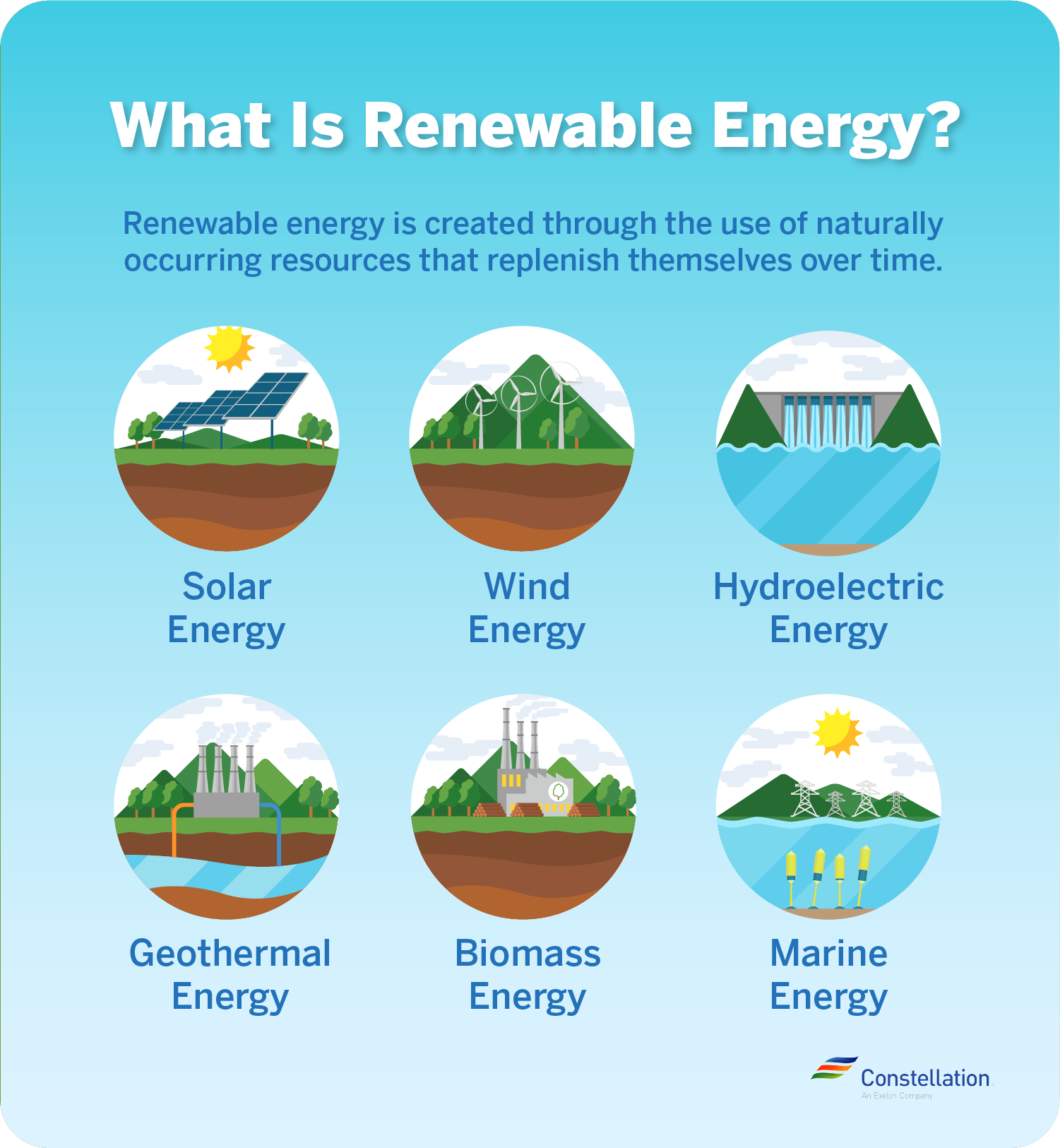
This process is fundamentally different from renewable energy sources like wind, solar, or hydroelectric power. Renewable energy is derived from processes that are constantly replenished on a human-relevant timescale, such as the daily rotation of the Earth, the cycles of the sun, or the continuous movement of water through the hydrological cycle. In contrast, natural gas reserves are static. Once a deposit is extracted, the physical structure that held that gas is depleted. Because we cannot "grow" more natural gas in a laboratory or factory within a timeframe that sustains current global energy demand, it remains a finite resource.
The Distinction Between Conventional and Unconventional Sources
When discussing whether natural gas is renewable, it is helpful to clarify the difference between conventional and unconventional extraction. Regardless of the method used, the resource itself remains non-renewable.
- Conventional Natural Gas: This gas is found in permeable rock formations that allow it to flow easily into a wellbore. These reservoirs are limited in size and, once accessed, follow a predictable decline curve.
- Unconventional Natural Gas: This category includes shale gas, tight gas, and coalbed methane. While the development of hydraulic fracturing (fracking) and horizontal drilling has allowed companies to reach vast deposits that were previously inaccessible, these methods simply extend the lifespan of the resource. They do not regenerate the supply.
Whether the gas is extracted via traditional vertical wells or advanced horizontal techniques, the underlying reality is the same: the subterranean carbon storage is being emptied. The ability to access more of a finite pile does not change the fact that the pile is finite.
Why "Renewable Natural Gas" (RNG) Causes Confusion
The emergence of the term "Renewable Natural Gas" (RNG) is often the primary source of confusion for consumers. It is vital to distinguish between geological fossil gas and processed biogas.
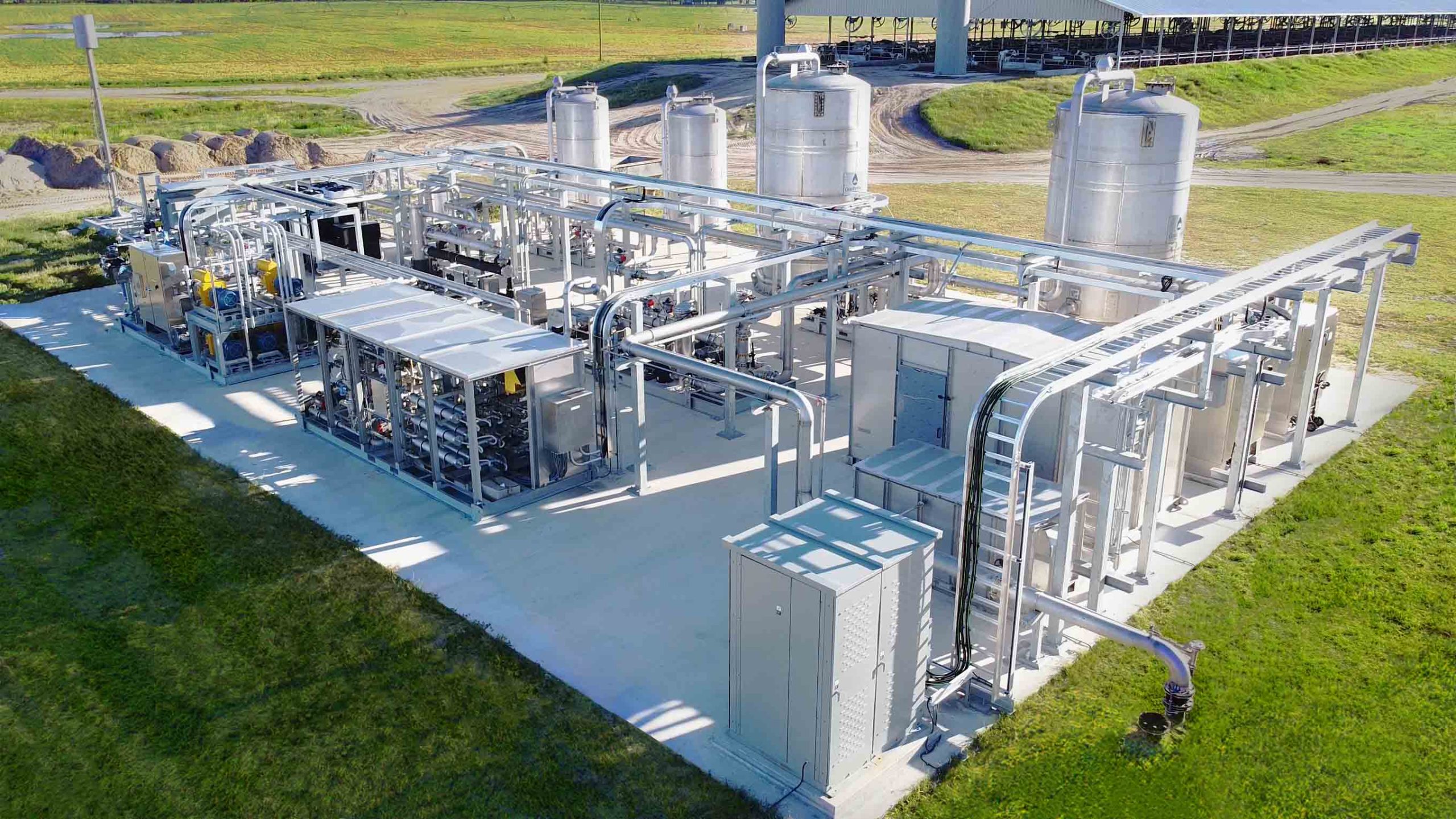
Renewable Natural Gas is chemically identical to conventional fossil-derived natural gas—it is primarily methane. However, it is not extracted from the earth. Instead, it is captured from the decomposition of organic waste in landfills, wastewater treatment plants, or agricultural digesters. This process—methane capture—is considered renewable because it utilizes methane that is currently being produced by the decay of biological matter, rather than methane that has been sequestered underground for millions of years.
While the product (methane) is the same, the source is entirely different. Fossil natural gas is a one-time withdrawal from the Earth’s geological "bank account," whereas RNG is part of a circular, short-term carbon cycle. Because RNG can be produced continuously as long as humans generate organic waste, it is categorized as a renewable fuel.
Comparative Analysis: Energy Source Characteristics
| Energy Source | Classification | Source Mechanism | Replenishment Rate |
|---|---|---|---|
| Natural Gas | Non-renewable | Geological decay (millions of years) | None (fixed reserves) |
| Coal | Non-renewable | Plant fossilization (millions of years) | None (fixed reserves) |
| Solar | Renewable | Nuclear fusion (Sun) | Constant |
| Wind | Renewable | Atmospheric heating | Constant |
| Biogas (RNG) | Renewable | Biological decomposition | Ongoing (human/organic waste) |
The Environmental Context: Carbon and Combustion
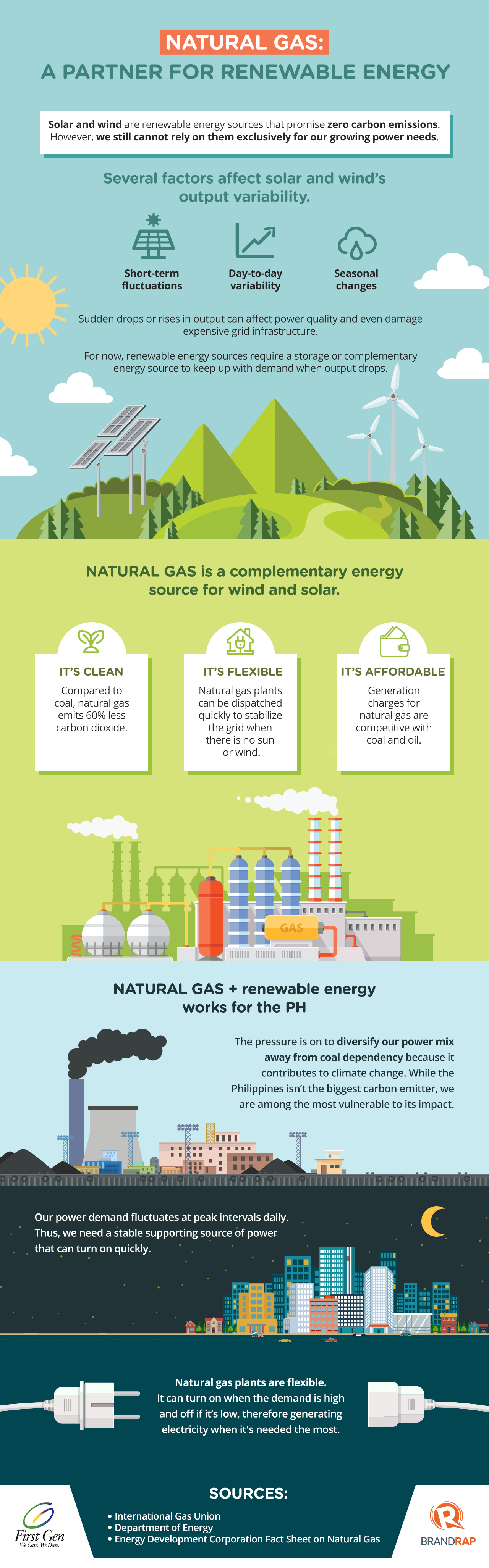
The question of whether natural gas is renewable is frequently conflated with questions about its environmental impact. While fossil-based natural gas is not renewable, it is often marketed as a "bridge fuel" in the transition toward a lower-carbon economy. This is primarily because natural gas combustion releases significantly less carbon dioxide ($CO_2$) and fewer criteria pollutants compared to coal or oil when generating equivalent amounts of electricity.
However, the non-renewable status of natural gas also implies that its extraction and use are tied to the release of carbon that has been trapped beneath the crust for eons. Releasing this ancient carbon into the atmosphere contributes to the buildup of greenhouse gases, a concern that distinguishes it from truly renewable, carbon-neutral, or carbon-negative energy sources.
Regulatory and Policy Definitions
Governments and international energy agencies, such as the International Energy Agency (IEA) and the U.S. Energy Information Administration (EIA), maintain strict definitions to guide energy policy. Under these frameworks, natural gas is universally categorized as a fossil fuel and a non-renewable resource.
When energy providers or utility companies market "green" or "renewable" plans to consumers, they are often referencing the purchase of Renewable Energy Certificates (RECs) or the injection of RNG into the pipeline system. It is important for consumers to verify whether their energy plan is purchasing actual biogas or if it is simply offsetting fossil fuel use through carbon credits. Being an "environmentally conscious" consumer involves understanding that traditional natural gas, regardless of how cleanly it burns, does not meet the scientific criteria for a renewable resource.
Frequently Asked Questions
1. If I use a natural gas stove, am I using renewable energy? No. Standard utility-provided natural gas is a fossil fuel extracted from underground geological formations. Unless your local utility provider specifically offers an RNG-blend program, your home is powered by finite, non-renewable fossil gas.
2. Is shale gas considered renewable because it is a new source? No. Shale gas is just a different, more difficult-to-access type of non-renewable fossil gas. The technology used to extract it has improved, allowing us to deplete these reserves, but it has no impact on the long-term renewability of the resource.
3. Why is biogas (RNG) called "Natural Gas"? Biogas is chemically methane, the same molecule that constitutes natural gas. By removing impurities like carbon dioxide and water vapor, biogas reaches a quality known as "pipeline quality," making it interchangeable with fossil gas. The name is a functional description of the molecule rather than the source.
4. Will we ever run out of natural gas? Yes. Because it is a finite resource, the economic and physical reserves will eventually be exhausted. The timeline depends on global consumption rates, advancements in extraction technology, and the global transition toward truly renewable energy sources like wind and solar.
5. How can I tell if my natural gas usage is "green"? Look for utility programs labeled "Renewable Natural Gas" or "Green Gas." These programs typically involve the utility capturing methane from landfills or farms and injecting it into the grid. You are essentially paying a premium to support the production of bio-methane to replace the fossil-based methane you consume.
Next Steps for Energy Consumers
If your goal is to reduce reliance on non-renewable energy, the most effective step is to evaluate your primary energy consumption. Because natural gas is a finite fossil fuel, transitioning away from gas-reliant appliances—such as replacing gas furnaces with electric heat pumps or gas ranges with induction cooktops—effectively decouples your home from the fossil gas supply chain. If you must continue using gas, research whether your local utility offers an RNG subscription, which allows you to support the circular economy of renewable methane capture rather than relying solely on the depletion of geological reserves.