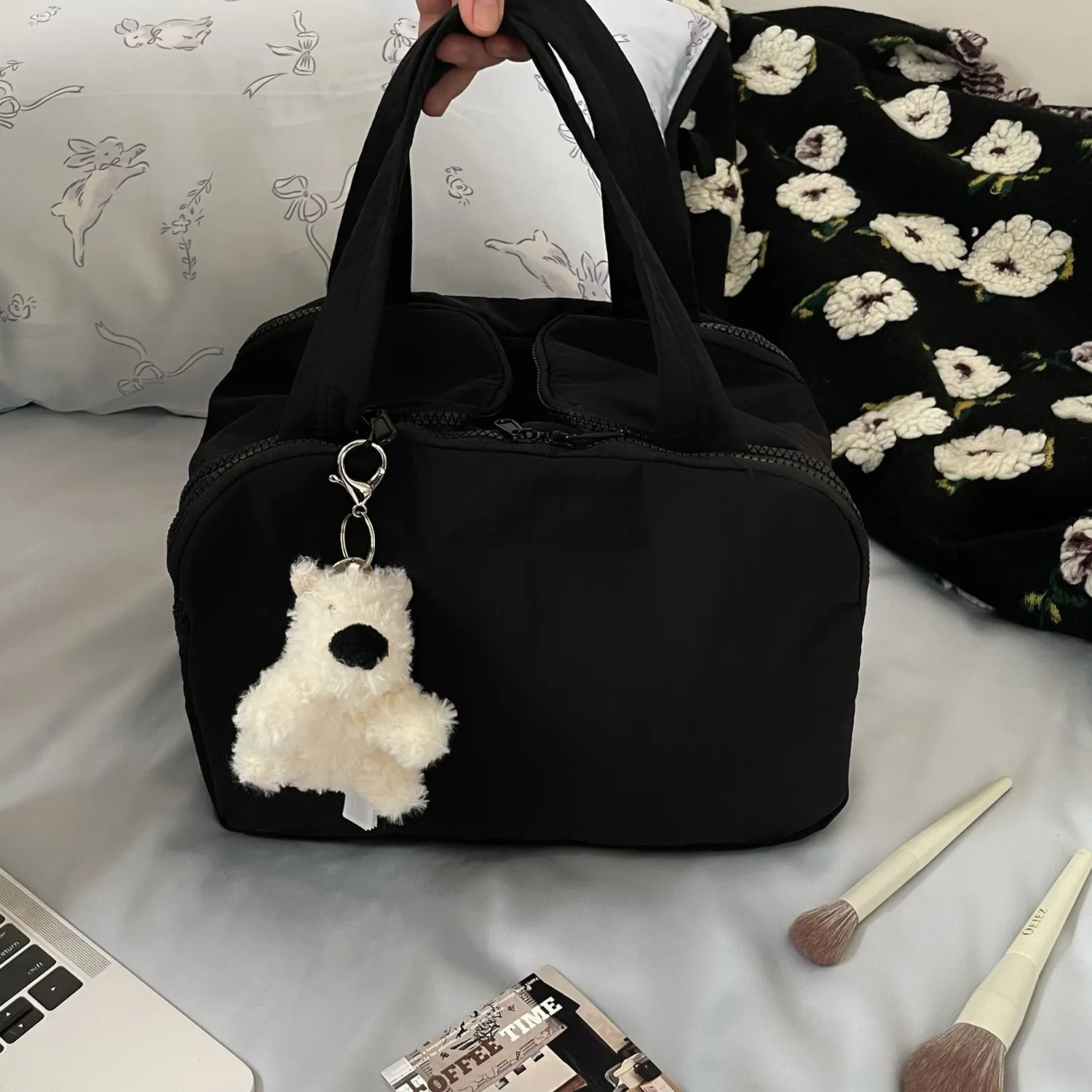
For the conscious traveler in 2026, a high-end toiletry bag must balance exceptional durability, refined aesthetics, and rigorous ethical standards. The ideal selection prioritizes sustainable materials like bio-leathers or recycled textiles, features robust hardware like YKK Excella zippers, and carries certifications such as B Corp or Leather Working Group (LWG) gold status to ensure environmental and social responsibility.
The Evolution of Conscious Luxury in Travel Gear
The definition of "high-end" has undergone a radical transformation over the last decade. In 2026, luxury is no longer defined solely by a designer logo or a high price tag. Instead, the conscious traveler seeks transparency, longevity, and material innovation. A toiletry bag—often referred to as a Dopp kit—is a foundational piece of travel gear that faces constant exposure to moisture, friction, and chemical spills. Selecting a premium version means investing in a product designed to last decades rather than seasons.
The "conscious" aspect refers to a holistic awareness of the product’s lifecycle. This includes the sourcing of raw materials, the energy used in manufacturing, the labor conditions of the artisans, and the ultimate end-of-life recyclability of the item. For the modern traveler, a toiletry bag is an extension of their values. High-end brands now compete on the basis of their Environmental, Social, and Governance (ESG) scores as much as their design silhouettes.
Choosing the right bag requires a deep dive into technical specifications that go beyond surface-level beauty. It involves understanding the difference between "genuine leather" and "full-grain vegetable-tanned leather," or between "recycled polyester" and "ocean-bound plastic textiles."
Material Science: The Foundation of Sustainable Durability
The most critical decision for a conscious traveler is the material composition of their gear. In 2026, we see a convergence of traditional craftsmanship and cutting-edge bio-technology.
Sustainable Leather and Bio-Alternatives
Traditional leather tanning is often chemically intensive, involving heavy metals like chromium. Conscious luxury brands have pivoted toward vegetable-tanned leather, which uses natural tannins found in bark and leaves. While this process takes longer, the resulting leather develops a unique patina over time and is biodegradable. To verify the ethics of leather, look for certifications from the Leather Working Group (LWG), which audits tanneries for water usage, energy consumption, and waste management.
Alternatively, the rise of "next-gen" materials has introduced plastic-free leather alternatives. Materials like Mirum (made from natural rubber and plant fibers) or Mylo (derived from mushroom mycelium) offer the haptic feedback of leather without the animal footprint. These materials are particularly popular in 2026 for travelers who maintain a vegan lifestyle but refuse to compromise on the high-end feel.
High-Performance Recycled Textiles
For those preferring a technical or sporty aesthetic, recycled synthetics are the gold standard. Econyl, a regenerated nylon made from abandoned fishing nets and fabric scraps, provides incredible tensile strength and abrasion resistance. High-end toiletry bags using Econyl often feature a high denier count (such as 840D or 1680D), ensuring the fabric does not thin or tear after years of being stuffed into luggage.
The internal lining is equally important. Conscious brands often use RPET (Recycled Polyethylene Terephthalate) linings, which are treated with antimicrobial coatings to prevent the growth of mold and mildew—a common issue in damp bathroom environments.
Functional Architecture: Design for the Frequent Traveler
A high-end toiletry bag is more than a simple pouch; it is a piece of engineered organization. The conscious traveler values efficiency, which minimizes the stress of transit.
Internal Organization and Leak-Proofing
One of the primary failures of cheap toiletry bags is the "bottomless pit" effect. Premium designs incorporate:
- Dry-Wet Separation: A dedicated waterproof compartment for items like toothbrushes or razors that may not be fully dry when it is time to pack.
- Elasticized Loops: To secure glass apothecary bottles or electric toothbrushes, preventing them from clanking together and breaking.
- Mesh Pockets: Providing visibility so you can locate small items like contact lens cases or medication without emptying the entire bag.
Leak-proofing is a non-negotiable technical requirement. High-end bags often utilize TPU (Thermoplastic Polyurethane) coatings on internal pockets. Unlike PVC, TPU is more environmentally friendly and remains flexible in cold temperatures, preventing the "cracking" that occurs with cheaper plastics.
Hardware and Closures
The longevity of a bag is often dictated by its weakest link: the zipper. In 2026, the gold standard remains YKK Excella or Aquaguard zippers. Excella zippers feature individually polished elements that prevent snagging and provide a smooth, heavy-duty feel. Aquaguard zippers are essential for the exterior of a toiletry bag, as they feature a polyurethane film that prevents water from seeping through the zipper teeth into your clean clothes.
Comparative Analysis of Premium Materials
When selecting a bag, it is helpful to compare the primary materials used by high-end conscious brands today.
| Material Type | Sustainability Impact | Durability Rating | Maintenance Requirement | Ideal Use Case |
|---|---|---|---|---|
| Vegetable-Tanned Leather | High (Bio-degradable) | Exceptional (50+ years) | High (Needs conditioning) | The heirloom traveler seeking a classic look. |
| Econyl (Recycled Nylon) | Medium (Reduces waste) | Very High (Tear-resistant) | Low (Wipe clean) | The digital nomad or adventure traveler. |
| Mirum (Plant-Based) | Very High (Plastic-free) | High (Water-resistant) | Medium (Avoid heat) | The ethical minimalist focused on innovation. |
| Waxed Organic Canvas | High (Renewable) | High (Self-healing) | High (Periodic re-waxing) | The rugged traveler preferring tactile textures. |
Certifications and Ethical Transparency
For a traveler to be truly "conscious," they must look beyond marketing claims like "eco-friendly" or "natural," which are often used for greenwashing. Verified certifications provide the data necessary to make an informed purchase.
- B Corp Certification: This is the most comprehensive standard, indicating that a company meets high standards of verified social and environmental performance, public transparency, and legal accountability.
- Global Recycled Standard (GRS): If a bag claims to be made of recycled plastic, the GRS certification ensures that the material is tracked from the source to the final product.
- Climate Neutral Certified: This indicates that the brand has measured, reduced, and offset its entire carbon footprint.
- 1% for the Planet: Members commit to giving 1% of their gross sales to environmental non-profits, ensuring that your purchase directly funds conservation efforts.
By supporting brands with these credentials, the conscious traveler ensures their investment supports a circular economy and fair labor practices.
Maintaining Your Investment for Longevity
The most sustainable product is the one you already own. To honor the "conscious" ethos, a high-end toiletry bag should be maintained to extend its lifespan as long as possible.
- Leather Care: If you opt for a vegetable-tanned leather bag, apply a high-quality leather balm every six months. This keeps the fibers supple and prevents cracking in the dry air of airplane cabins.
- Cleaning the Interior: Spills are inevitable. Avoid using harsh detergents on high-end linings. A mixture of warm water and mild Castile soap is usually sufficient to clean TPU or RPET linings without degrading their water-resistant coatings.
- Zipper Maintenance: If a zipper becomes stiff, avoid forcing it. Use a small amount of beeswax or dedicated zipper lubricant to keep the teeth moving smoothly.
- The Right to Repair: Some premium brands, such as Patagonia or Troubadour, offer repair programs. Before purchasing, check if the brand provides a lifetime warranty or a repair service for hardware failures.
Avoiding Common Pitfalls in Luxury Travel Gear
Many travelers equate "luxury" with "heavy," but for the conscious traveler, weight is a critical factor. Heavy bags contribute to higher fuel consumption during flights and physical strain during transit. Look for bags that utilize lightweight structural reinforcements—such as recycled polycarbonate stays—rather than heavy cardboard or metal frames.
Another pitfall is "over-engineering." A bag with forty pockets may seem organized, but it often leads to wasted space and added weight. The best high-end designs focus on modular minimalism, allowing the user to customize the space based on the length of their trip.
Lastly, be wary of "bonded leather." This is essentially the particle board of the leather world—shredded leather scraps glued together with polyurethane. It will peel and crack within a year or two. True high-end conscious gear will always specify "full-grain" or "top-grain" if it is traditional leather.
Frequently Asked Questions
Are high-end toiletry bags TSA-compliant in 2026?
Most high-end brands design their kits with a removable, transparent internal pouch for liquids. While many airports in 2026 use advanced CT scanners that allow liquids to remain inside bags, some international hubs still require them to be removed. Having a modular, clear insert within your luxury bag ensures you are prepared for all security protocols without compromising the bag's aesthetic.
How do I know if a "bio-leather" bag is actually sustainable?
Check the composition. Some "vegan leathers" are simply plastic (PU or PVC). A truly conscious bio-leather, such as those made from pineapple husks (Piñatex) or cork, should be clearly labeled as plastic-free or low-plastic. Look for "bio-content" percentages. In 2026, premium brands will provide a detailed material breakdown on their product pages.
Why should I spend $200+ on a toiletry bag?
The cost reflects the quality of the materials and the ethics of the production. A $20 bag is likely made in a factory with poor labor standards using virgin plastics that will end up in a landfill within two years. A $200 high-end bag is built for a 20-year lifecycle, uses ethically sourced materials, and often includes a warranty. Over time, the "cost per trip" of a high-end bag is significantly lower.
Can I wash my recycled nylon toiletry bag in a washing machine?
Generally, no. Even high-end recycled nylon has coatings (like DWR or TPU) that can be stripped by the agitation and heat of a washing machine. Hand-washing with a soft cloth and air-drying in the shade is the best way to preserve the integrity of the bag's structure and its water-resistant properties.
Is vegetable-tanned leather waterproof?
It is water-resistant but not waterproof. If it gets soaked, it can stiffen or develop water spots. However, most high-end conscious brands apply a natural wax finish to their leather travel gear to provide a baseline of protection against bathroom spills and humidity.
Final Recommendation
When selecting a high-end toiletry bag for your travels in 2026, prioritize a modular, vegetable-tanned, or plant-based leather kit from a certified B Corp. Look for a design that features internal organization, YKK Aquaguard zippers, and a lifetime repair guarantee. By investing in a product that aligns with both your functional needs and your ethical values, you contribute to a more sustainable future for global travel while ensuring your personal items are protected by the finest craftsmanship available.