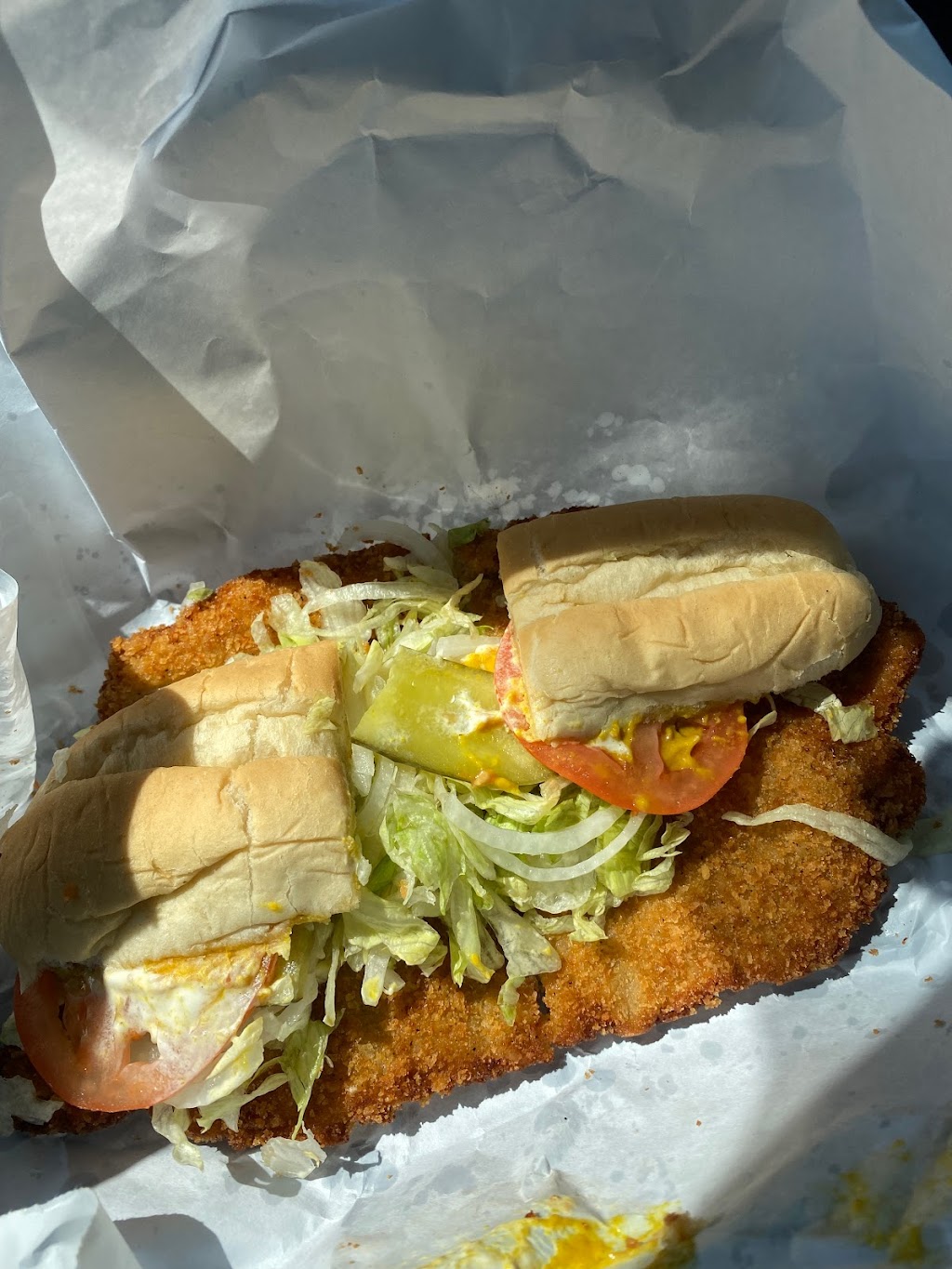
A good lunch in the USA balances flavor, nutritional density, and convenience, ranging from protein-rich deli sandwiches and vibrant grain bowls to regional staples like street tacos. In 2026, the ideal choice depends on your specific dietary needs, local availability, and budget, with a significant shift toward customizable, fast-casual options that prioritize fresh ingredients.
Defining the Modern American Lunch
The concept of a "good meal" for lunch in the United States has evolved significantly over the last decade. Historically, the American lunch was a heavy, mid-day break centered around meat and potatoes or a quick, utilitarian sandwich. In 2026, the definition has expanded to prioritize sustained energy, mental clarity, and dietary flexibility. A high-quality lunch is no longer just about satiety; it is about providing the right macronutrients—proteins, healthy fats, and complex carbohydrates—to avoid the infamous "afternoon slump."
For most Americans, a good lunch must meet three primary criteria: speed, value, and taste. In an increasingly fast-paced work environment, the "power lunch" of the past has largely been replaced by the "efficient lunch." This doesn't mean quality has declined; rather, the market has responded with sophisticated fast-casual dining and meal-prep solutions that offer high-end culinary experiences in a fraction of the time. Whether you are dining in a bustling metropolitan center or a quiet suburban neighborhood, the diversity of the American culinary landscape ensures that a satisfying meal is always within reach.
Regional Classics: A Tour of American Lunch Staples
The USA is a vast country with distinct culinary identities. What constitutes a "good lunch" in Maine differs drastically from a preferred mid-day meal in Southern California. Understanding these regional nuances is essential for anyone looking to experience the best of American lunch culture.
The Northeast: Deli Culture and Seafood
In the Northeast, particularly in cities like New York, Philadelphia, and Boston, lunch is often synonymous with the deli. A classic Reuben sandwich—corned beef, Swiss cheese, sauerkraut, and Russian dressing on rye bread—remains a gold standard for a hearty meal. In coastal areas, particularly during the warmer months, a lobster roll serves as a premium lunch option. These meals are often paired with a side of vinegar-based coleslaw or a pickle spear, balancing the richness of the main dish with acidity.
The South: The "Meat and Three" Tradition
Southern lunch culture is anchored by the "Meat and Three" concept. This traditional meal allows diners to select one meat (such as fried chicken, country-fried steak, or meatloaf) and three side dishes (ranging from collard greens and mac and cheese to black-eyed peas and mashed potatoes). It is designed to be a comprehensive, filling meal that reflects the agricultural history of the region. While it is heavier than a typical salad, it offers a sense of comfort and community that defines Southern hospitality.
The Midwest: Hearty Comfort and Iconic Sandwiches
In the Midwest, lunch often focuses on sustinence and local staples. The pork tenderloin sandwich, particularly famous in Iowa and Indiana, features a breaded and fried piece of meat that is often significantly larger than the bun it sits on. In Chicago, the Italian Beef sandwich, dipped in au jus and topped with giardiniera, provides a savory, spicy, and satisfying mid-day break. These meals are robust, reflecting the region's industrial and agricultural roots.
The West: Freshness, Fusion, and Tacos
The Western United States, especially California and the Southwest, prioritizes freshness and cultural fusion. Street tacos—typically small corn tortillas topped with grilled meats like al pastor or carne asada, cilantro, and onions—are a ubiquitous and affordable lunch. Additionally, the "California style" lunch often involves large, ingredient-dense salads or grain bowls featuring avocado, sprouts, and locally sourced citrus. The emphasis here is on lightness and vibrant flavors that mirror the coastal climate.
The Fast-Casual Revolution of 2026
The most significant shift in American lunch habits over the past few years is the dominance of the fast-casual sector. These establishments bridge the gap between traditional fast food and full-service restaurants. Brands like Sweetgreen, CAVA, and Chipotle have set a high bar for what a "good meal" looks like for the average worker.
Customizable Grain Bowls and Salads
The rise of the "bowl" has changed the way Americans consume lunch. By allowing customers to choose a base (quinoa, brown rice, or kale), a protein (roasted chicken, tofu, or steelhead trout), and a variety of toppings and dressings, these meals offer unparalleled personalization. In 2026, these options have become more sophisticated, incorporating global flavors like tahini, gochujang, and chimichurri. The nutritional transparency offered by these chains makes it easier for health-conscious individuals to track their intake while enjoying a chef-curated flavor profile.
Premium Burgers and Sandwiches
Even traditional favorites like burgers and sandwiches have received a fast-casual upgrade. The focus is now on grass-fed beef, artisanal sourdough, and house-made condiments. This "elevated fast food" ensures that even a quick lunch feels like a high-quality experience. The key to a good meal in this category is the balance of textures—a crispy exterior on a bun, succulent meat, and fresh, crunchy vegetables.
The Economics of Lunch: Cost and Value in 2026
Pricing for a good lunch in the USA has seen steady adjustments due to inflation and rising labor costs. Understanding the current economic landscape is vital for budgeting your daily meals.
In 2026, a standard fast-casual lunch in a major U.S. city typically ranges from $15.00 to $22.00, including a drink and tax. In smaller towns or rural areas, these prices may be 20% lower. While this is a significant investment over a month, many consumers justify the cost through the lens of time-saving and health benefits.
To maximize value, many diners have turned to loyalty programs and "lunch specials." Many local sit-down restaurants offer a "prix fixe" lunch menu, which provides a two-course meal for a set price, often comparable to high-end fast-casual options. This allows for a more relaxed dining experience without the steep price tag of a dinner service.
Health and Nutrition: Crafting the Perfect Balance
A truly "good" meal for lunch must also consider long-term health. Nutritionists in 2026 emphasize the importance of the Power Plate—a combination of fiber, protein, and healthy fats.
- Protein: Essential for muscle repair and satiety. Opt for grilled poultry, fish, beans, or lentils.
- Fiber: Found in leafy greens, cruciferous vegetables, and whole grains. Fiber slows digestion, preventing the insulin spikes that lead to fatigue.
- Healthy Fats: Avocado, nuts, and olive oil provide the brain with the fuel it needs for cognitive tasks in the afternoon.
Avoiding highly processed sugars and excessive sodium is crucial. Many popular lunch items, particularly in the fast-food segment, contain hidden sugars in dressings and high levels of sodium in cured meats. A good lunch should leave you feeling energized, not bloated or lethargic.
Comparison of Popular Lunch Options in the USA
The following table compares common lunch choices based on average 2026 pricing, nutritional focus, and typical preparation/wait times.
| Lunch Type | Avg. Price (2026) | Primary Nutrition | Wait Time | Best For |
|---|---|---|---|---|
| Deli Sandwich | $12 - $16 | Protein & Carbs | 5-10 Mins | Quick, reliable hunger satisfaction. |
| Custom Grain Bowl | $16 - $20 | Fiber & Micro-nutrients | 5-15 Mins | Health-conscious office workers. |
| Street Tacos (3) | $10 - $14 | Protein & Healthy Fats | 5 Mins | Budget-friendly, high-flavor. |
| Sit-down Burger | $18 - $25 | Protein & Fats | 20-30 Mins | Social or business meetings. |
| Cobb/Kale Salad | $14 - $18 | Vitamins & Fiber | 10 Mins | Light meal to avoid afternoon slump. |
| Bento Box (Sushi) | $20 - $28 | Lean Protein & Omega-3s | 15 Mins | Premium, balanced nutrition. |
The Role of Meal Prepping and Home-Cooked Lunches
For many Americans in 2026, the "good meal" is the one they bring from home. Meal prepping has transitioned from a niche fitness trend to a mainstream economic and health strategy. By preparing meals in bulk on Sundays, individuals can control exactly what goes into their food while saving upwards of $300 per month.
A successful home-prepped lunch usually involves a "formula" rather than a rigid recipe. Combining a roasted vegetable, a cooked grain, and a marinated protein ensures variety throughout the week. Technology has also aided this trend, with smart lunch boxes that can steam or heat food to precise temperatures, eliminating the need for a communal office microwave.
FAQ: Frequently Asked Questions About Lunch in the USA
What is the most popular time for lunch in the USA?
In most professional and educational settings, lunch occurs between 11:30 AM and 1:30 PM. Peak hours at restaurants are typically 12:00 PM to 1:00 PM. In recent years, the rise of remote work has led to more flexible lunch hours, though the mid-day window remains the standard.
How much should I tip for lunch in 2026?
For sit-down service with a server, the standard tip remains between 18% and 22% of the pre-tax total. For counter-service or fast-casual establishments where you order at a screen or counter, tipping is optional but often prompted by digital payment systems. In these cases, a flat tip of $1 to $3 is common and appreciated.
Are there many vegetarian or vegan lunch options?
Yes, the USA has seen a massive increase in plant-based dining. Most major cities have dedicated vegan restaurants, and almost all mainstream chains now offer at least one or two substantial vegetarian options beyond a basic side salad. Ingredients like tempeh, seitan, and pea-protein-based meats are now standard in many lunch menus.
Is it common to drink alcohol during a business lunch?
Cultural norms around alcohol at lunch have shifted toward abstinence during the workweek. While a glass of wine or a beer may still be appropriate at a celebratory or high-stakes business lunch, "dry" lunches are now the standard to ensure productivity remains high for the remainder of the afternoon.
What are some "hidden gem" lunch spots in American cities?
Look for "hole-in-the-wall" establishments in immigrant neighborhoods, such as Vietnamese Banh Mi shops, Mexican Carnicerias, or Middle Eastern Falafel stands. These spots often offer the best value and the most authentic flavors compared to large national chains.
Can I find healthy lunch options at gas stations or convenience stores?
While traditionally known for junk food, many modern US convenience stores (like Wawa, Sheetz, or 7-Eleven) have expanded their "Fresh to Go" selections. You can now find pre-packaged salads, fruit cups, hard-boiled eggs, and yogurt parfaits, making it possible to find a decent meal even while traveling on the road.
Final Recommendation for a Great Lunch
To experience the best possible meal for lunch in the USA in 2026, aim for a fast-casual grain bowl or a regional specialty sandwich from a locally-owned shop. These options provide the best intersection of quality ingredients, cultural flavor, and modern convenience. If you are in a new city, use localized search tools to find "best-rated" deli or taco spots, as these often reflect the authentic culinary heartbeat of the area. Prioritize balance—ensuring your meal has a clean protein source and plenty of vegetables—to ensure you stay productive and satisfied until dinner.