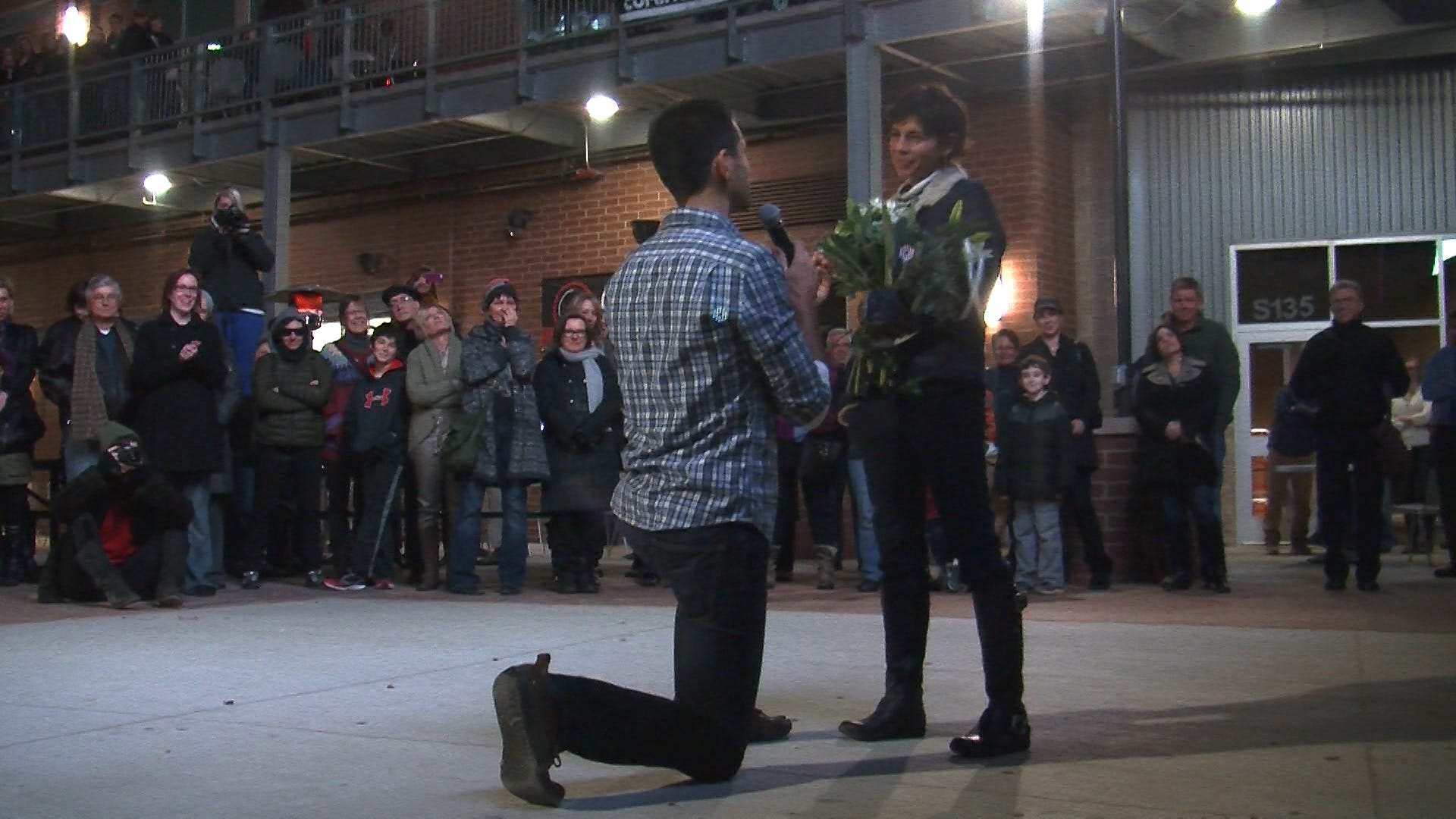
A flash mob marriage proposal using Bruno Mars’ music, specifically the hit "Marry You," involves a choreographed group dance that surprises a partner in a public or meaningful location. Success requires selecting the right song, organizing a dance troupe (professional or friends), securing a high-quality sound system, and hiring a videographer to capture the moment for a "viral-style" memory.
The concept of the flash mob proposal became a global phenomenon in the early 2010s, largely catalyzed by the upbeat, soulful, and unabashedly romantic discography of Bruno Mars. As we move through 2026, the trend has evolved from grainy YouTube uploads to high-production cinematic events. Whether you are aiming for a nostalgic tribute to the classic "Marry You" era or a high-energy "Uptown Funk" performance, executing this requires meticulous planning and a deep understanding of the logistics involved.
The Cultural Impact: Why Bruno Mars is the Gold Standard
To understand why a Bruno Mars flash mob remains the premier choice for proposals, one must look at the specific musicality of his work. In May 2012, Isaac Lamb’s proposal to "Marry You" became one of the first truly viral proposal videos, garnering tens of millions of views. It set a blueprint that remains effective today: a catchy beat, lyrics that state the intention clearly, and a tempo that is "danceable" for people of all skill levels.
The "Marry You" Phenomenon
"Marry You" is unique because it captures a sense of spontaneous, joyful impulsiveness. The 145 BPM (beats per minute) tempo provides a "walking-pace" rhythm that makes it easy for non-professional dancers to stay in sync. The lyrics—"It’s a beautiful night, we’re looking for something dumb to do"—strip away the overwhelming pressure of a formal ceremony, replacing it with a sense of fun and celebration.
Alternative Bruno Mars Tracks
While "Marry You" is the traditional choice, 2026 trends see couples branching out into other parts of his catalog:
- "Just the Way You Are": Best for "Slow-Mo" flash mobs or contemporary lyrical dance sequences.
- "Uptown Funk": Ideal for high-energy, high-skill dance troupes focusing on a party atmosphere rather than a sentimental one.
- "Treasure": A disco-inspired choice for couples who love a retro aesthetic.
Step 1: Evaluating Your Partner's Personality
Before booking a dance studio, you must perform a "personality audit." A flash mob is an inherently public and high-pressure event. While the intent is romantic, for some, the "spectacle" can be overwhelming.
- The Extrovert: Likely to enjoy the attention and might even want to join in once they realize what is happening.
- The Introvert: May feel "trapped" by the crowd. For these partners, consider a "micro-flash mob" in a semi-private location like a rented gallery or a quiet park corner.
- The Traditionalist: Might prefer the dance as a precursor to a private moment. Ensure the choreography leads to a clear "quiet zone" where the actual question can be asked.
Step 2: Professional vs. DIY Choreography
One of the biggest decisions is whether to hire professionals or use friends and family. This choice impacts the budget, the rehearsal schedule, and the final aesthetic.
Hiring Professional Dancers
In 2026, several agencies specialize exclusively in "Proposal Experiences." Hiring pros ensures that the performance looks polished and that the "reveal" is timed perfectly. Professionals are also more adept at handling "the elements"—they can adapt if a passerby gets in the way or if the music cuts out briefly.
Organizing Friends and Family
The "DIY" approach is often more sentimental. Seeing a sibling or a best friend jump into the dance adds a layer of emotional depth that professionals cannot replicate. However, this requires significant management. You will need a choreographer (or a very talented friend) to create a routine that is simple enough for "non-dancers" but complex enough to look intentional.
| Feature | Professional Troupe | Friends & Family (DIY) |
|---|---|---|
| Cost | $1,500 – $5,000+ | $0 – $500 (Travel/Food) |
| Execution | High-precision, theatrical | Emotional, personal, varied skill |
| Rehearsal Time | Minimal for you; they handle it | Significant (4–8 weeks of practice) |
| Risk Factor | Low (reliability is high) | High (missed steps, late arrivals) |
| Visual Impact | Cinematic and polished | Authentic and "Viral-ready" |
Step 3: Logistics and Venue Selection
A flash mob is only as good as its location. You need a space that allows for a "crowd" to form without being so congested that the dance is obscured.
Public Spaces and Permits
In most major cities in 2026, "spontaneous" gatherings of more than 15-20 people for commercial or high-production filming often require a "Small Event" or "Film" permit.
- Check Local Ordinances: Public parks, piers, and plazas often have specific rules regarding amplified sound.
- The "Decoy" Plan: You need a reason for your partner to be at the location at exactly 2:00 PM. A "lunch reservation" or a "meeting with a friend" are standard decoys.
- Acoustics: Wind and traffic can drown out music. Ensure you have a professional-grade portable PA system (like a Bose S1 Pro+ or similar) that can cut through ambient noise.
Technical Requirements
- Audio: Bluetooth is risky due to interference. Use a wired connection or a high-end wireless transmitter from the music source to the speakers.
- Video: You should have at least three camera angles.
- The "Long Shot": Captures the whole dance.
- The "Reaction Cam": Hidden close to where the partner will be standing.
- The "POV/Close-up": Often a gimbal-mounted camera that moves in for the actual proposal.
Step 4: Choreography Tips for Bruno Mars Tracks
When choreographing to Bruno Mars, the movement should reflect the "Groove." His music is rooted in Funk, Soul, and Pop, meaning the dance should emphasize the "downbeat."
- The "Staggered Entry": Don’t have everyone start at once. Start with one person (perhaps a "street performer" or a "passerby") and add 2–3 dancers every 16 bars.
- The "Bridge" Slowdown: Most Bruno Mars songs have a bridge where the energy dips. Use this for a "tableau" or a moment where the dancers part to create a path for the proposer.
- The Big Finish: The final chorus should be the highest energy. This is where the "proposer" enters the circle or makes their move.
Step 5: The Proposal Execution
The dance is the "opening act," but the proposal is the "headliner."
- The Transition: As the music fades or loops into a softer instrumental version of the song, the dancers should create a "frame" around the couple.
- The Speech: Keep it brief. The adrenaline will be high for both of you. A 30-60 second heartfelt statement is more effective than a long monologue.
- The Ring: Ensure the ring is in a secure pocket (zippers are your friend during a dance) or held by a designated "ring bearer" who steps forward at the last second.
Common Mistakes to Avoid
- Poor Audio Quality: If the partner can’t hear the music, they will just be confused by the people moving around them.
- Over-complicating the Dance: If the dancers are focused too much on difficult steps, they lose their facial expressions and the "joy" of the moment.
- Forgetting the Permit: Security guards or park rangers can shut down a flash mob in seconds if you haven't cleared the activity, leading to an awkward ending.
- Ignoring the Weather: Have a "Plan B" indoor location. Silk suits and expensive rings do not pair well with sudden downpours.
Estimated Costs in 2026
While a DIY proposal can be done for the cost of a ring and some pizza for your friends, a high-quality production typically follows this budget:
- Professional Choreographer: $300 – $800.
- Professional Dancers (4-6 people): $1,000 – $2,500.
- Professional Videography (2-3 operators + Editing): $1,500 – $3,500.
- Permits and Venue Fees: $100 – $500.
- Sound Equipment Rental: $150 – $300.
Frequently Asked Questions
Can I actually get Bruno Mars to show up for my proposal?
While Bruno Mars has been known to participate in charitable events or surprise fans, having him appear at a private proposal is extremely rare and usually reserved for high-profile celebrity events or multi-million dollar bookings. Most "Bruno Mars Proposals" utilize his music and a professional dance troupe to recreate the "Bruno" vibe rather than the artist himself.
Is "Marry You" still the best song to use in 2026?
"Marry You" remains the most popular choice because the lyrics are a literal proposal. However, if you want something more modern, consider "Leave the Door Open" (Silk Sonic) for a smoother, R&B-style surprise, or "Uptown Funk" if you want a high-energy party atmosphere. "Marry You" is considered a "classic" and is generally safer for a traditional flash mob.
How many dancers do I need for it to look like a "flash mob"?
To achieve the "growing crowd" effect, you typically need at least 8 to 12 dancers. Anything fewer than 5 people often feels like a "small group performance" rather than a flash mob. If your budget or friend group is small, focus on a high-traffic area where the dancers can blend in with the existing crowd before the music starts.
What happens if my partner says "No" in front of the crowd?
This is the primary risk of any public proposal. To mitigate this, ensure you have had serious "pre-discussions" about marriage and your future together. A proposal should be a surprise when and how it happens, but the fact that you want to marry each other should be a settled matter before you involve a crowd and a choreography team.
Do I need to buy the rights to the song for the video?
If you are uploading the video to YouTube, TikTok, or Instagram, the platforms' automated licensing agreements usually allow you to use the music in exchange for the artist/label running ads on your video or limiting monetization. For a private video used only for family, you do not need a license. If you plan to use the video for a commercial purpose, you would need to contact the music publisher (usually Warner Music Group for Bruno Mars) for a synchronization license.
How long should the flash mob last?
The ideal duration is between 3 and 5 minutes. Anything longer risks losing the partner's attention or making the "surprise" feel like a long performance they have to sit through. The music should build quickly, peak, and transition into the proposal within the length of a standard radio edit.
Next Steps for Planning
If you are ready to move forward, your first action should be securing the date and the "decoy" plan. Once you have a fixed time and place, you can begin the 8-to-12-week process of hiring dancers or organizing rehearsals. Always prioritize the partner’s comfort and the quality of the audio-visual capture, as the video is the lasting legacy of the event.