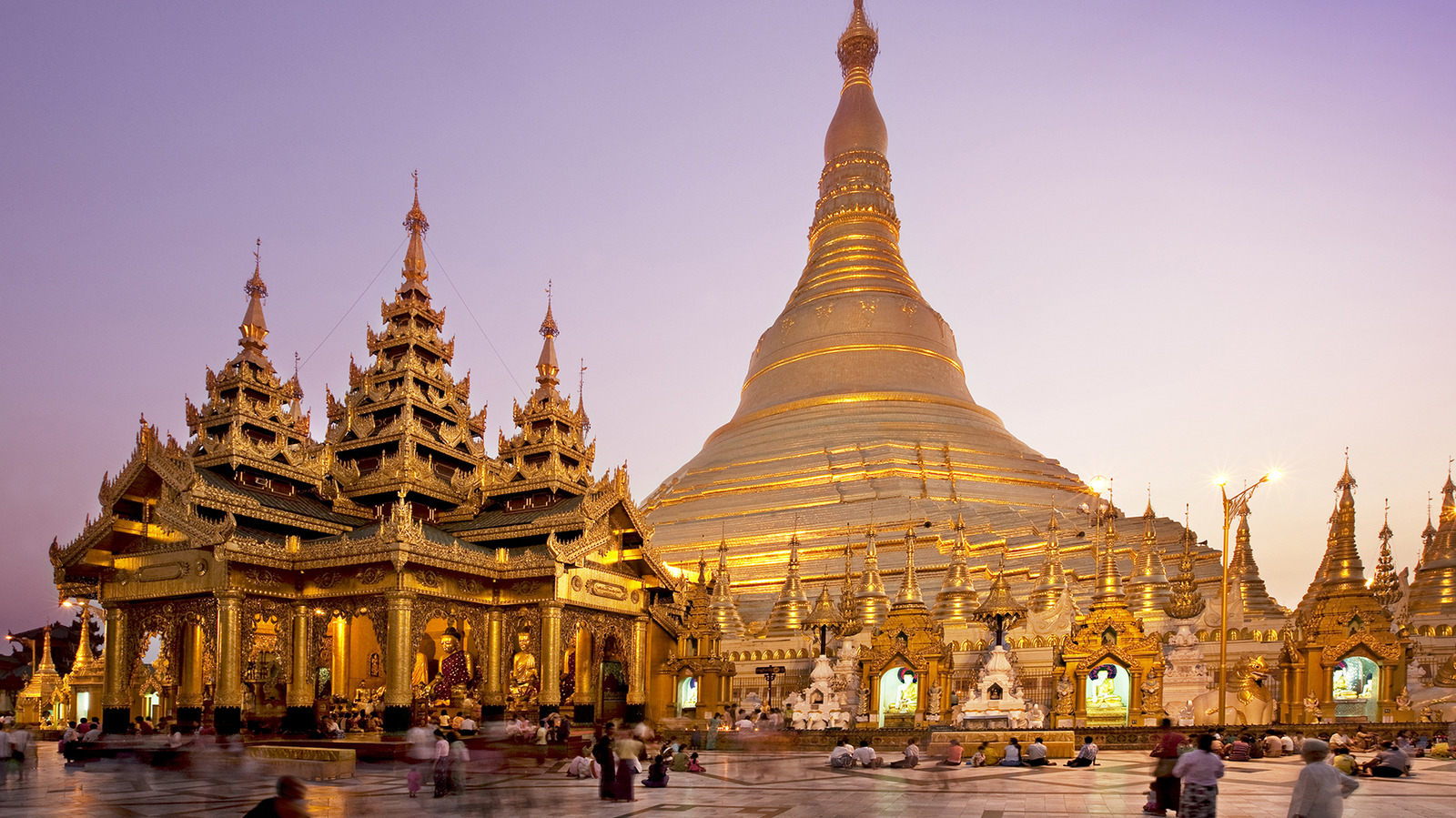
Angkor Wat is the largest religious monument in the world, located in Siem Reap, Cambodia. Originally constructed as a Hindu temple dedicated to Vishnu for the Khmer Empire, it gradually transformed into a Buddhist site. Renowned for its classical Khmer architecture, it serves as a powerful symbol of Cambodian national identity.
Historical Origins and the Vision of Suryavarman II
Angkor Wat was commissioned in the first half of the 12th century by King Suryavarman II, who reigned from 1113 to approximately 1150 AD. Unlike many other Khmer temples of the era, which were typically dedicated to Shiva, Angkor Wat was uniquely dedicated to Vishnu. This shift represented a significant theological pivot within the Khmer court, elevating the status of Vishnu as the supreme protector of the empire.
The temple was designed to serve as the king’s state temple and capital city. It was not merely a place of worship but a funerary monument where the king’s ashes were to be interred, linking him eternally with Vishnu. The construction process was a monumental feat of engineering, involving the quarrying and transport of over 5 million tons of sandstone from the holy Kulen Mountains, located roughly 40 kilometers away. Thousands of laborers, stonemasons, and artisans worked for nearly 30 years to realize the king’s vision, though some of the intricate bas-reliefs remained unfinished at the time of his death.
In the centuries following its completion, the political and religious landscape of the region shifted. By the late 13th or early 14th century, the Khmer Empire moved toward Theravada Buddhism. Consequently, Angkor Wat was adapted to Buddhist practice. Statues of Vishnu were frequently modified or replaced with images of the Buddha, and the site became a major pilgrimage destination for monks across Southeast Asia. Unlike many other sites in the Angkor Archaeological Park, Angkor Wat was never fully abandoned, partly because its massive moat provided a natural defense against the encroaching jungle.
Architectural Mastery and the Symbolism of Mount Meru
The architecture of Angkor Wat is a physical representation of Hindu cosmology. The temple is designed as a "temple mountain," a recreation of Mount Meru, the home of the gods. This symbolism is executed through a sophisticated combination of concentric galleries, towers, and water features.
The Layout: Quincunx Towers and the Moat
The most striking feature of the temple is its five central towers, arranged in a quincunx—a shape resembling the five dots on a die. The central tower represents the peak of Mount Meru, while the surrounding towers represent its lesser peaks. These towers are reached by ascending three successive rectangular galleries, each higher than the one before it. This verticality was intended to evoke the feeling of climbing a celestial mountain.
Surrounding the entire 162.6-hectare complex is a massive moat, measuring 1.5 kilometers by 1.3 kilometers and approximately 190 meters wide. Beyond its aesthetic beauty, the moat serves a critical structural purpose: it stabilizes the temple’s foundation by maintaining constant groundwater levels. Without this hydraulic engineering, the heavy sandstone structures would have likely collapsed into the soft, sandy soil over the centuries.
Bas-Reliefs: The Churning of the Sea of Milk
Angkor Wat is world-famous for its extensive bas-reliefs, which cover the walls of the outer gallery for nearly 600 meters. These carvings are not merely decorative; they are narrative tapestries depicting scenes from the Hindu epics, the Ramayana and the Mahabharata.
The most celebrated of these is the "Churning of the Sea of Milk" located in the east gallery. It depicts 88 asuras (demons) and 92 devas (gods) using the serpent Vasuki to churn the cosmic ocean to retrieve the nectar of immortality (amrita). The level of detail—from the expressions on the faces of the deities to the rhythmic movement of the sea creatures below—demonstrates a peak in Khmer artistic achievement that remains unparalleled in the ancient world.
Planning a Visit in 2026: Logistics and Regulations
Visiting Angkor Wat in 2026 requires careful planning to navigate the regulations managed by the APSARA National Authority, the governing body responsible for the protection of the Angkor Archaeological Park. As tourism has evolved, the authorities have implemented stricter controls to ensure the physical integrity of the site while managing the influx of international visitors.
The Angkor Pass and Entry Requirements
Access to the temple is granted via the Angkor Pass, which must be purchased at the official ticket center or through the authorized online portal. In 2026, visitors can choose between three primary ticket durations. It is important to note that the pass is non-transferable and includes a printed photograph of the visitor for verification at various checkpoints throughout the park.
| Ticket Type | Validity Period | 2026 Estimated Price (USD) | Best For |
|---|---|---|---|
| 1-Day Pass | Valid for 1 day | $37 | Travelers on a very tight schedule focusing only on the main temple. |
| 3-Day Pass | Valid for any 3 days within 10 days | $62 | Most visitors; allows time for the "Big Circuit" and "Small Circuit." |
| 7-Day Pass | Valid for any 7 days within 1 month | $72 | History enthusiasts, photographers, and those visiting remote temples. |
Cultural Etiquette and the Code of Conduct
The Angkor Visitor Code of Conduct is strictly enforced. Because Angkor Wat remains a functioning religious site, visitors must adhere to specific standards of behavior:
- Dress Code: Shoulders and knees must be covered. Wraps and scarves are often not accepted as a substitute for permanent clothing (like long pants or skirts) when entering the upper levels of the temple (the Bakan).
- Smoking and Littering: The entire park is a smoke-free zone. Littering carries heavy fines to protect the delicate ecosystem.
- Touching Carvings: The oils from human skin can damage the ancient sandstone and the lichens growing on it. Visitors are prohibited from touching the bas-reliefs.
- Respecting Monks: If you encounter monks, ask for permission before taking photographs, and women should avoid physical contact with them.
Beyond the Main Temple: The Greater Archaeological Park
While Angkor Wat is the "crown jewel," the surrounding Angkor Archaeological Park covers 400 square kilometers and contains dozens of other significant structures. A comprehensive visit in 2026 usually involves exploring the "Small Circuit" and "Big Circuit."
Bayon Temple: The Faces of Avalokiteshvara
Located in the center of the ancient city of Angkor Thom, Bayon is famous for its 54 towers decorated with over 200 massive stone faces. These faces, characterized by a serene "Angkor smile," are believed to represent the bodhisattva Avalokiteshvara, though they also bear a striking resemblance to King Jayavarman VII, who commissioned the temple. Bayon's architecture is more compact and labyrinthine than Angkor Wat’s, offering a stark contrast to the latter’s grand symmetry.
Ta Prohm: Nature’s Reclamation
Ta Prohm is perhaps the most photographed temple after Angkor Wat, largely because it has been left in a state of "controlled ruin." Huge silk-cotton trees and strangler figs grow directly out of the stone walls, their roots snaking through doorways and windows. This site provides a hauntingly beautiful example of the struggle between human construction and the power of nature. Conservationists here work to maintain a delicate balance, ensuring the trees do not cause the structures to collapse while preserving the "lost in the jungle" atmosphere that made it famous.
Conservation and Sustainable Tourism in the Modern Era
As of 2026, the preservation of Angkor Wat faces challenges from climate change and high visitor traffic. The APSARA National Authority, in collaboration with international teams such as the German Apsara Conservation Project (GACP) and the World Monuments Fund, utilizes advanced technology to monitor the site.
One of the primary concerns is the impact of heavy monsoon rains and rising humidity on the sandstone. Bio-deterioration—caused by algae, fungi, and lichens—can eat away at the intricate carvings. Specialist conservators use laser cleaning and chemical consolidants to stabilize the stone without changing its appearance. Furthermore, the 2026 management plan emphasizes "green transport" within the park, encouraging the use of electric shuttles and bicycles to reduce the carbon footprint and vibration damage caused by heavy buses.
Frequently Asked Questions
What is the best time of day to visit Angkor Wat?
The most popular time is sunrise, as the sun rises directly behind the central towers during the equinox. However, this is also the most crowded time. For a quieter experience, consider visiting during the "lunch hour" (12:00 PM to 2:00 PM) when many tour groups return to town, or in the late afternoon to see the golden hour light on the west-facing facade.
Can I hire a guide at the temple?
Yes, official guides licensed by the Ministry of Tourism are available. They are easily identified by their yellow or light-blue shirts and official ID badges. Hiring a guide is highly recommended for understanding the complex iconography of the bas-reliefs and the historical context that is not always apparent from signage alone.
How do I get to Angkor Wat from Siem Reap?
The temple complex is approximately 6 kilometers from the center of Siem Reap. Most visitors use "remorks" (Cambodian tuk-tuks), which can be hired for the day. Bicycles and electric motorbikes are also popular options for those wanting more autonomy. Private cars and vans are available for those who prefer air conditioning.
Is Angkor Wat accessible for travelers with mobility issues?
Access can be challenging due to uneven stone floors, steep stairs, and high thresholds. However, recent improvements have added some wooden ramps and walkways in the main areas. The uppermost level (the Bakan) requires climbing very steep, narrow stairs and is not accessible for those with significant mobility impairments.
Are there places to eat inside the park?
There are numerous small restaurants and food stalls located across from the main entrance of Angkor Wat and near other major temples like Bayon and Ta Prohm. These serve traditional Cambodian dishes. In 2026, many of these facilities have been modernized to follow stricter hygiene and waste management standards.
Practical Recommendation for Travelers
For the best experience in 2026, purchase your Angkor Pass online at least 48 hours in advance to avoid the morning queues at the ticket center. Plan to spend at least three full days in the park; attempting to see "everything" in one day often leads to temple fatigue and missed details. Always carry a reusable water bottle to stay hydrated in the tropical heat, and utilize the refill stations located at major temple entrances to help reduce plastic waste within the UNESCO World Heritage site.