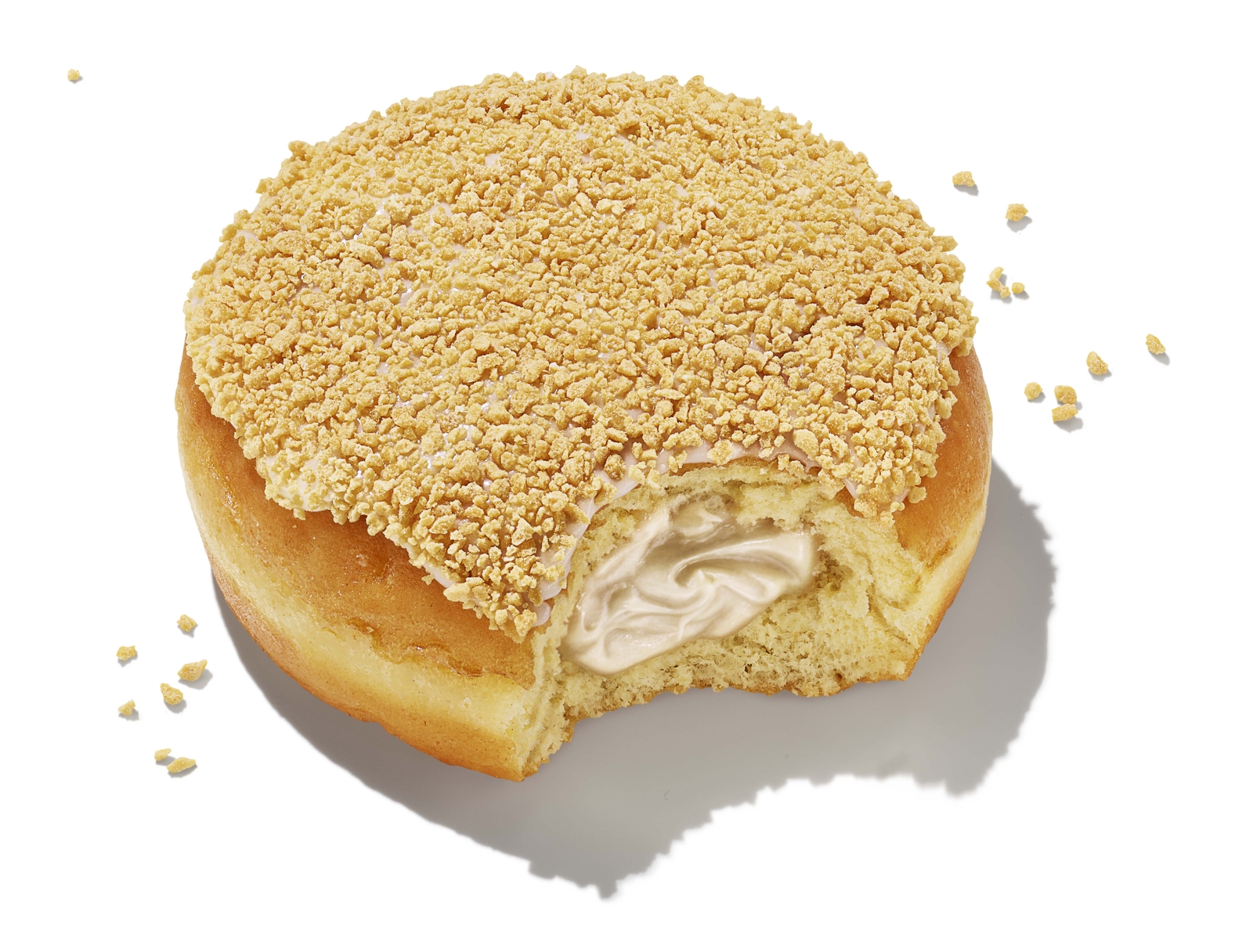
Dunkin’ donuts are generally prepared using one of two methods: daily delivery from a Centralized Manufacturing Location (CML) or the "Just-Baked-On-Demand" (JBOD) system using pre-frozen dough. While they are sold daily, most individual locations no longer bake donuts from scratch on-site, relying instead on regional kitchens or rapid-finish ovens to maintain inventory.
The Evolution of Dunkin’ Baking: From Scratch to Scale
To understand if Dunkin’ donuts are "fresh," one must first define what freshness means in the context of a global fast-food giant. In the early decades of the company, the "Time to Make the Donuts" ad campaign featuring Fred the Baker was a literal representation of the business model. Most franchises had a dedicated baker who arrived in the midnight hours to mix dough, proof it, fry it, and glaze it before the morning rush.
However, as the brand expanded to over 13,000 locations globally, the "scratch-baking" model became difficult to sustain. Maintaining quality control across thousands of independent operators, each with different skill levels and equipment, led to significant product variance. By the early 2000s, Dunkin’ (then Dunkin' Donuts) shifted toward a modernized supply chain. In 2026, the traditional image of a flour-covered baker in the back of every store is largely a thing of the past. Today, the focus is on "fresh delivery" and "on-demand finishing," which prioritizes consistency and speed over traditional artisanal methods.
The Two Main Production Methods
The majority of Dunkin' locations in 2026 utilize one of two primary production systems. The "freshness" of your specific donut depends almost entirely on which system your local franchise uses.
1. Centralized Manufacturing Locations (CMLs)
A CML is a massive, high-volume industrial bakery that serves a specific geographic region—often dozens or even hundreds of Dunkin' outlets. These facilities operate through the night, producing thousands of donuts using automated equipment.
Once the donuts are fried and cooled, they are loaded onto temperature-controlled trucks and delivered to individual stores between 2:00 AM and 5:00 AM. In this model, the donut you eat at 8:00 AM was likely fried at 11:00 PM the previous night. While technically "made today," these donuts have undergone a transit period.
2. Just-Baked-On-Demand (JBOD)
The JBOD system is more common in smaller kiosks, gas station outposts, or locations that lack easy access to a CML. In this setup, the store receives "pucks" of pre-formed, frozen dough from a central warehouse.
When inventory runs low, employees place these frozen pucks into a specialized high-speed oven that thaws and finishes the baking process. While this ensures the donut is "warm" and was "baked" within the hour, it is not a fresh-fried product. The texture of a baked, formerly frozen donut differs significantly from a traditional yeast-raised donut that has been freshly fried in oil.
The Finishing Process: Frosting and Filling
Regardless of whether a store uses a CML or JBOD system, the "finishing" of the donut often happens at the retail level. This is the stage where the donuts are filled with jelly or cream and dipped in chocolate or vanilla frosting.
In many CML-serviced stores, donuts arrive "naked" (unadorned) or pre-glazed. The local staff then applies the specialized toppings and seasonal decorations. This step is crucial for the perception of freshness. Frosting that is applied in-store doesn't have time to dry out or crack during transit, which helps the donut retain its visual appeal and moisture.
However, some high-volume locations receive fully finished donuts directly from the CML. In these cases, the "freshness" is entirely dependent on the efficiency of the delivery logistics. If a delivery truck is delayed or if the CML has a production issue, the quality of the product at the counter may suffer.
The Chemistry of Staling: Why "Fresh" Matters
The primary enemy of donut freshness is a process called starch retrogradation. When a donut is fried or baked, the starch molecules in the flour absorb water and expand. As the donut cools, those starch molecules begin to re-align into a crystalline structure, pushing water out and causing the dough to become tough, dry, and crumbly.
For Dunkin' donuts produced in a CML, this process begins hours before the customer ever takes a bite. To combat this, commercial donut mixes include emulsifiers and enzymes designed to slow down retrogradation. While these additives help the donut stay soft for a longer period, they can also result in a different mouthfeel compared to an artisanal donut made with just flour, water, yeast, and fat.
| Feature | CML Delivery | JBOD (Baked-on-Demand) | Scratch Baking (Rare) |
|---|---|---|---|
| Production Site | Regional Industrial Bakery | In-Store Oven (from frozen) | In-Store Kitchen |
| Primary Method | Fried | Baked | Fried |
| Arrival Time | 2:00 AM - 5:00 AM | Throughout the day | 3:00 AM - 6:00 AM |
| Texture | Soft, but can be "bready" | Denser, more cake-like | Crispy exterior, airy interior |
| Consistency | Extremely High | High | Variable |
| Additives | Higher (Preservatives) | Moderate | Low |
Comparing Dunkin’ to Competitors
When evaluating freshness, it is helpful to look at how Dunkin' compares to its primary rivals, most notably Krispy Kreme and local "mom-and-pop" bakeries.
Krispy Kreme operates on a "hub-and-spoke" model but maintains a high number of "Hot Light" stores. In these locations, the donuts are made on a visible assembly line within the store. When the "Hot Now" sign is lit, customers are getting donuts that are literally seconds old. This provides a level of freshness that Dunkin's distribution model generally cannot match.
Local Bakeries almost always use scratch-baking methods. Because they produce smaller batches and sell them immediately, they do not need the same level of preservatives or emulsifiers found in mass-produced donuts. However, local shops often have limited hours and inconsistent availability, which is the trade-off for higher-quality freshness.
Dunkin' has positioned itself as a coffee-first brand that offers convenient, consistent food. Their freshness model is optimized for the morning commute—getting a predictable product into the hands of millions of people as quickly as possible.
How to Identify the Freshest Donuts at Dunkin'
If you are looking for the freshest possible experience at a Dunkin' location, consider the following factors:
- Visit Early: Most CML deliveries happen once a day in the early morning. The donuts you buy at 6:00 AM are hours fresher than those you buy at 2:00 PM. Unlike some bakeries that discount "day-old" donuts, Dunkin' generally clears its racks at the end of the business day, but the quality peak is always in the morning.
- Observe the Glaze: Look at the glazed donuts (like the classic Honey Dip). If the glaze looks "wet" or transparent, the donut is likely fresher. If the glaze has turned white, opaque, or started to flake off in dry chunks, the donut has likely been sitting out for several hours and has lost significant moisture.
- Check for Seasonal Varieties: Seasonal or promotional donuts often have higher turnover rates. Because they are being ordered more frequently, the staff is more likely to be replenishing those trays or finishing them more often than a niche flavor like Old Fashioned or Butternut.
- Ask About Delivery Times: While it might seem overly detailed, most franchise employees know exactly when the truck arrives. If you are a regular, knowing the delivery window can help you time your visit for the freshest batch.
The Impact of Delivery Apps on Freshness
The rise of delivery services like DoorDash and Uber Eats has complicated the "freshness" equation. In 2026, a significant percentage of Dunkin' orders are fulfilled via third-party delivery.
When a donut is placed in a cardboard box and then inside a delivery bag, it creates a micro-environment. If the donut is warm (from a JBOD oven), the steam can make the frosting melt or the dough become soggy. If the donut is from a CML, the transit time from the store to your house adds yet another layer of time between production and consumption. For the best experience, physical pickup is always superior to delivery for yeast-based pastries.
Are They "Real" Donuts?
A common critique of the modern Dunkin' system is that because they are often baked (JBOD) or mass-produced (CML) rather than fried fresh on-site, they lack the soul of a "real" donut. From a technical culinary perspective, a donut is defined by being fried dough. The JBOD "baked" versions technically move closer to the category of a muffin or cake in terms of their crumb structure.
However, for the average consumer, the distinction is minor. Dunkin' maintains strict proprietary recipes for their flour mixes and fillings, ensuring that even a donut made in a CML in New Jersey tastes identical to one served in Florida. This industrial consistency is the hallmark of the brand, even if it sacrifices the artisanal "fresh from the fryer" quality.
Frequently Asked Questions
Does Dunkin' throw away donuts at the end of the day?
Yes, the standard policy for Dunkin' franchises is to discard unsold donuts at the end of each business day to ensure that "day-old" products are not sold the following morning. Many locations participate in food waste reduction programs or donate unsold goods to local shelters, though health department regulations sometimes limit these options.
Are the "munchkins" made differently?
Munchkins (donut holes) follow the same production path as full-sized donuts. They are either produced at a CML and delivered daily or baked from frozen pucks in a JBOD system. Because of their high surface-area-to-volume ratio, Munchkins tend to dry out faster than regular donuts, making them more sensitive to the timing of your visit.
Why do some Dunkin' donuts taste like they were frozen?
If a donut feels particularly dense or has a slightly rubbery texture, it was likely produced using the JBOD system. Frozen dough pucks do not always achieve the same lift and aeration as fresh yeast-raised dough, and the baking process—while faster—doesn't create the same delicate "fry crust" as traditional methods.
Can you ask for a "warm" donut at Dunkin'?
Unlike Krispy Kreme, Dunkin' does not typically have a "hot" line. If you ask for a warm donut, employees might offer to put it in the "Sandwich Station" oven for a few seconds. However, this is not recommended for frosted or filled donuts, as it will melt the sugar and ruin the texture of the filling.
Are the bagels and croissants also made at a CML?
Generally, yes. Most secondary bakery items like bagels, croissants, and muffins are delivered alongside the donuts from the CML. Some locations may bake certain items from frozen dough on-site to keep up with midday demand, but the majority of the "baking" is handled at the regional level.
Final Recommendation
To get the freshest experience at Dunkin' in 2026, visit between 6:00 AM and 8:00 AM. Focus on locations that have high foot traffic, as these stores have the highest turnover and are most likely to receive the largest, most frequent deliveries from their regional CML. If you prioritize a "warm" donut experience, check if the store uses the JBOD system, but be aware that this often results in a denser, baked texture rather than a traditional fried one. For those seeking a truly artisanal, scratch-baked product, a local independent bakery remains the best choice, but for consistency and convenience, Dunkin’s modern supply chain provides a reliable, if industrialized, alternative.