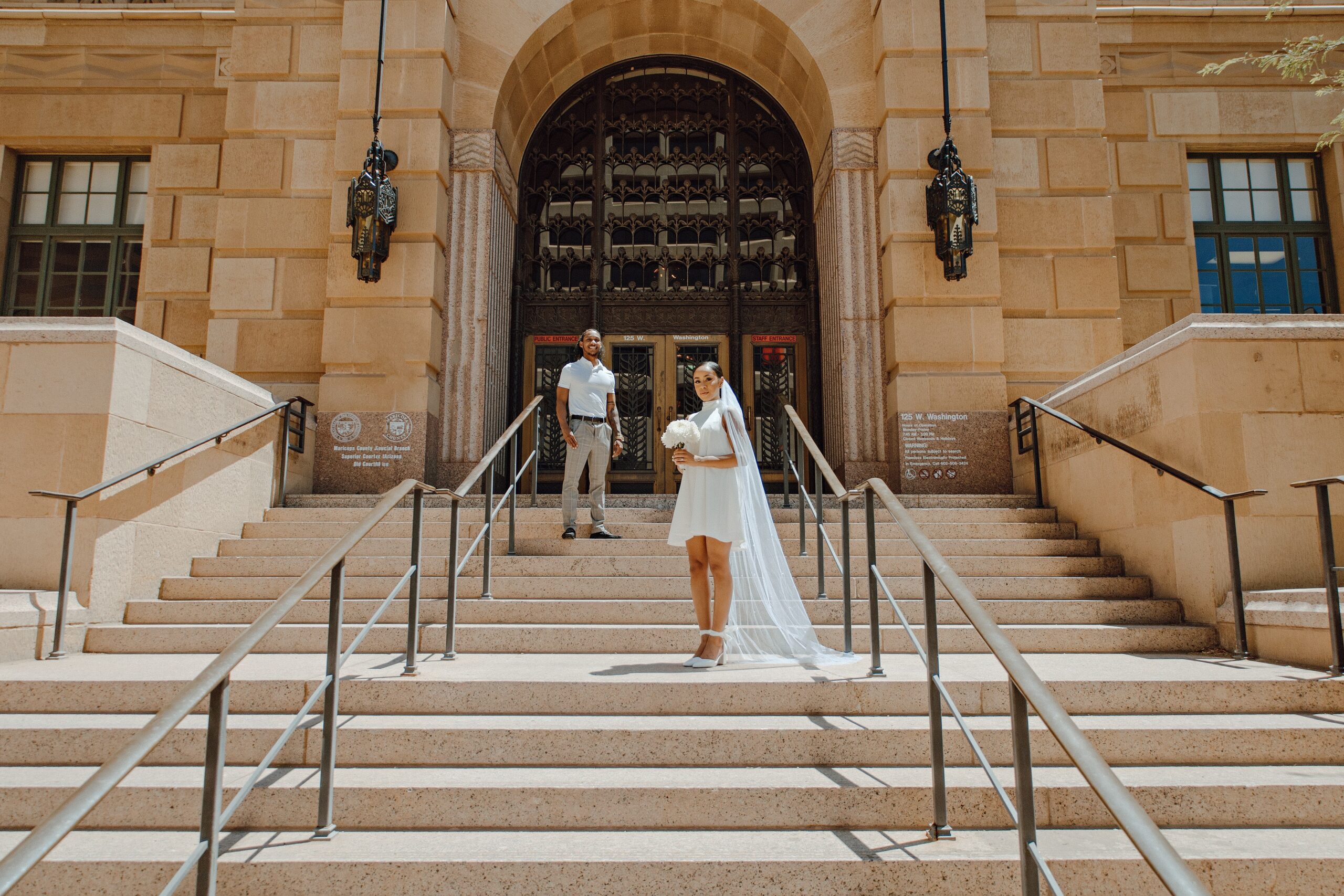
A courthouse wedding ceremony is a legally binding civil union performed by a government official, such as a judge, court clerk, or justice of the peace, within a municipal building or judicial facility. It serves as an efficient, cost-effective alternative to traditional ceremonies, focusing primarily on the legal execution of the marriage contract rather than religious or elaborate social customs.
Understanding the Legal Foundation of a Courthouse Wedding
To successfully navigate a courthouse wedding ceremony in 2026, one must first distinguish between the marriage license and the marriage certificate. The license is the legal authorization to marry, while the certificate is the document proving the marriage has occurred. In most jurisdictions, these are two separate steps that require careful timing.
The process begins with the application for a marriage license. In 2026, most municipal clerks require couples to submit an application online through a secure government portal before appearing in person. Requirements generally include valid government-issued identification—such as a REAL ID-compliant driver's license or a passport—proof of residency (in some jurisdictions), and social security numbers. If either party was previously married, original or certified copies of divorce decrees or death certificates are mandatory.
Many states enforce a mandatory waiting period between the issuance of the license and the performance of the ceremony. This period usually ranges from 24 to 72 hours. Conversely, licenses also have an expiration date, often 30 to 90 days after issuance. Failing to coordinate the ceremony within this window necessitates a re-application and a second fee payment. It is critical to verify these local statutes via official websites like USA.gov to ensure compliance with current state laws.
Step-by-Step Logistics for the Ceremony
Once the license is secured, the couple must schedule the ceremony itself. While some smaller jurisdictions still allow "walk-in" weddings, the standard in 2026 for most urban and suburban courthouses is a strict appointment-only system. These appointments are often booked weeks or even months in advance, particularly for popular dates such as Valentine’s Day or numerically significant sequences (e.g., 06/26/26).
On the day of the ceremony, punctuality is paramount. Couples should arrive at least 30 minutes early to clear security. Courthouse security protocols are similar to airport screenings; metal detectors and X-ray machines are standard. Prohibited items, such as pocket knives or certain liquids, should be left at home to avoid delays. After passing security, the couple typically checks in at the Clerk of the Court’s office or a designated "Marriage Bureau" window to present their license and identification one final time.
The ceremony itself is brief, usually lasting between 10 and 15 minutes. It takes place in a courtroom, a judge’s chambers, or a dedicated ceremonial room. The official will lead the couple through basic vows and the exchange of rings if desired. After the "I dos," the official, the couple, and the required witnesses sign the marriage license. In most states, the court then files the document with the county recorder, and a certified marriage certificate is mailed to the couple several weeks later.
Witness Requirements and Guest Limitations
A significant technical detail often overlooked is the requirement for witnesses. While some jurisdictions provide a witness for a small fee, most require the couple to bring at least one or two adults (18 years or older) to observe the ceremony and sign the license. These witnesses must also carry valid photo identification.
In 2026, guest limits remain a primary constraint of courthouse weddings. Due to the physical size of judges' chambers or small ceremony rooms, many courthouses limit the number of guests to between 5 and 10 people, including the witnesses and photographers. Some larger metropolitan City Halls may accommodate up to 20 guests in specialized rotunda spaces, but these often require higher "facility use" fees.
For couples wishing to include more friends and family, it is advisable to check if the courthouse offers a "Virtual Witness" or streaming option. While many courts phased out remote ceremonies after the early 2020s, some high-volume jurisdictions have maintained hybrid infrastructure, allowing a limited number of remote viewers to observe via a secure government link.
Financial Considerations and Fee Structures
One of the primary drivers for choosing a courthouse wedding is the significant cost savings. While a traditional wedding in 2026 can easily exceed $35,000, a courthouse ceremony typically costs less than $500, including the license fee and the ceremony fee.
| Fee Type | Estimated Cost Range (2026) | Notes |
|---|---|---|
| Marriage License | $30 – $100 | Varies by state and county; non-refundable. |
| Ceremony Fee | $25 – $150 | Paid to the court or the officiant at the time of booking. |
| Witness Fee | $0 – $25 | Only applicable if the court provides a witness. |
| Certified Copies | $10 – $30 per copy | Essential for name changes and insurance updates. |
| Security/Facility Surcharge | $0 – $50 | Common in historic or high-security buildings. |
These fees are generally payable via credit card through online portals, though some local municipalities still require cash or money orders for in-person transactions. It is important to note that the marriage license fee is separate from the ceremony fee. Furthermore, certified copies of the marriage certificate are rarely included in the initial price and must be ordered separately to facilitate legal name changes or updates to social security and insurance records.
Planning Attire and Photography
While the setting is administrative, the attire for a courthouse wedding is entirely at the couple's discretion. In 2026, trends show a wide spectrum of choices, from full formal wedding gowns and tuxedos to "city-hall chic" (such as white jumpsuits or tailored suits) and casual wear. The only restriction is usually a basic dress code enforced by the building (e.g., no swimwear or excessively revealing clothing).
Photography is a vital component for most couples, but it requires tactical planning in a government building. Most courthouses allow photography within the designated ceremony room, but they strictly prohibit it in hallways, near security checkpoints, or outside other active courtrooms to protect the privacy of other citizens. Professional photographers are usually counted toward the guest limit, so couples must prioritize their guest list accordingly. If the courthouse is an architecturally significant building, such as the San Francisco City Hall or the New York City Marriage Bureau, couples often spend more time taking photos on the exterior steps or in the public plazas than they do inside the building.
Common Pitfalls and Troubleshooting
The most common mistake couples make is failing to account for the "waiting period" or the "expiration date" of the license. If you fly into a destination for a courthouse wedding, you must ensure you arrive early enough to meet the residency or waiting period requirements. For example, if a state requires a 3-day wait, you cannot arrive on a Thursday and marry on a Friday.
Another issue involves the "Officiant’s Authority." If you choose to bring an outside officiant to perform a ceremony within a courthouse space (where permitted), that individual must be registered with that specific county or state. Using an unregistered officiant can result in an invalid marriage, requiring a legal "re-do."
Finally, couples often forget to bring their original documents. Photocopies of IDs or divorce decrees are rarely accepted. In 2026, digital versions of IDs are becoming more common, but many clerk offices still mandate physical, plastic IDs for scanning and verification purposes. Always carry the physical document to avoid being turned away.
Why Choose a Courthouse Ceremony in 2026?
The appeal of the courthouse wedding continues to grow as couples prioritize financial freedom and minimize the stress of large-scale event planning. A civil ceremony provides a "legal-first" approach, allowing the couple to be lawfully wedded without the 12-to-18-month lead time required for traditional venues.
Beyond the logistical ease, many couples use the courthouse ceremony as a "paperwork day" before a larger destination celebration or a symbolic ceremony later in the year. This ensures that the legal complexities of marriage—such as international laws or religious requirements—are handled simply and affordably within their home jurisdiction.
Frequently Asked Questions
Can we write our own vows for a courthouse wedding?
Yes, most judges and officiants allow for personalized vows, provided they are kept brief. Since courthouse appointments are often scheduled in 15-minute increments, it is best to limit personal readings to one or two minutes. You should inform the clerk or the officiant of your intent to exchange custom vows when you check in.
Is a courthouse wedding legally different from a church wedding?
No. From a legal standpoint, a marriage performed by a civil servant at a courthouse is identical to one performed by a religious leader in a place of worship. Both require a valid marriage license and result in a legally recognized marriage certificate. The only difference is the setting and the nature of the ceremony (secular vs. religious).
Do we need an appointment for the marriage license, the ceremony, or both?
In 2026, most jurisdictions require separate appointments for each. The first appointment is to apply for and receive the marriage license. After the mandatory waiting period (if applicable), a second appointment is required for the actual ceremony. In some smaller counties, you may be able to do both on the same day if you have met the waiting period requirements in advance.
Can we get married at any courthouse?
Generally, you can get married at any courthouse within the state that issued your marriage license. However, marriage licenses are usually state-specific. You cannot use a license issued in Nevada for a ceremony in a California courthouse. Some counties also require that the ceremony take place in the same county where the license was issued, so it is vital to verify this with the National Association of Counties or your local registrar.
What happens if we miss our appointment?
Courthouse schedules are typically very tight. If you are more than 10 or 15 minutes late, the court will likely cancel your slot, and you will have to reschedule for a future date. In high-demand areas, the next available appointment could be weeks away. If you miss the appointment and your license expires before you can get a new one, you will have to pay for a new license.
Practical Recommendation
If you are planning a courthouse wedding ceremony in 2026, your first action should be to visit the official website of the County Clerk or Registrar in the jurisdiction where you intend to marry. Download their specific checklist of required documents and confirm their current appointment lead times. Booking your ceremony date at least two months in advance is recommended to ensure you secure your preferred time. Additionally, consider hiring a local photographer who has experience with that specific courthouse; they will know the best "permitted" photo spots and the specific security quirks of the building, ensuring a smoother and more memorable experience.