When your air conditioning system fails in the humid North Texas climate, addressing the issue promptly is essential to maintaining home habitability and preventing secondary damage to your property. Effective A/C repair in Arlington, TX, involves accurate troubleshooting of common electrical or mechanical failures, verifying technician credentials, and navigating local service options to restore climate control systems to their original manufacturer specifications.
Understanding the Climate Challenge in Arlington
Arlington’s position within the Dallas-Fort Worth metroplex places significant demand on residential and commercial cooling systems. During the peak summer months, ambient temperatures frequently exceed 100 degrees Fahrenheit, necessitating systems that run for extended periods. This constant operation accelerates the wear on critical components such as capacitors, blower motors, and compressor units. Understanding that your system is a heat-exchange device—not a device that "makes cold"—is the first step in diagnosing why your home may not be cooling effectively.
When to Seek Professional Assistance
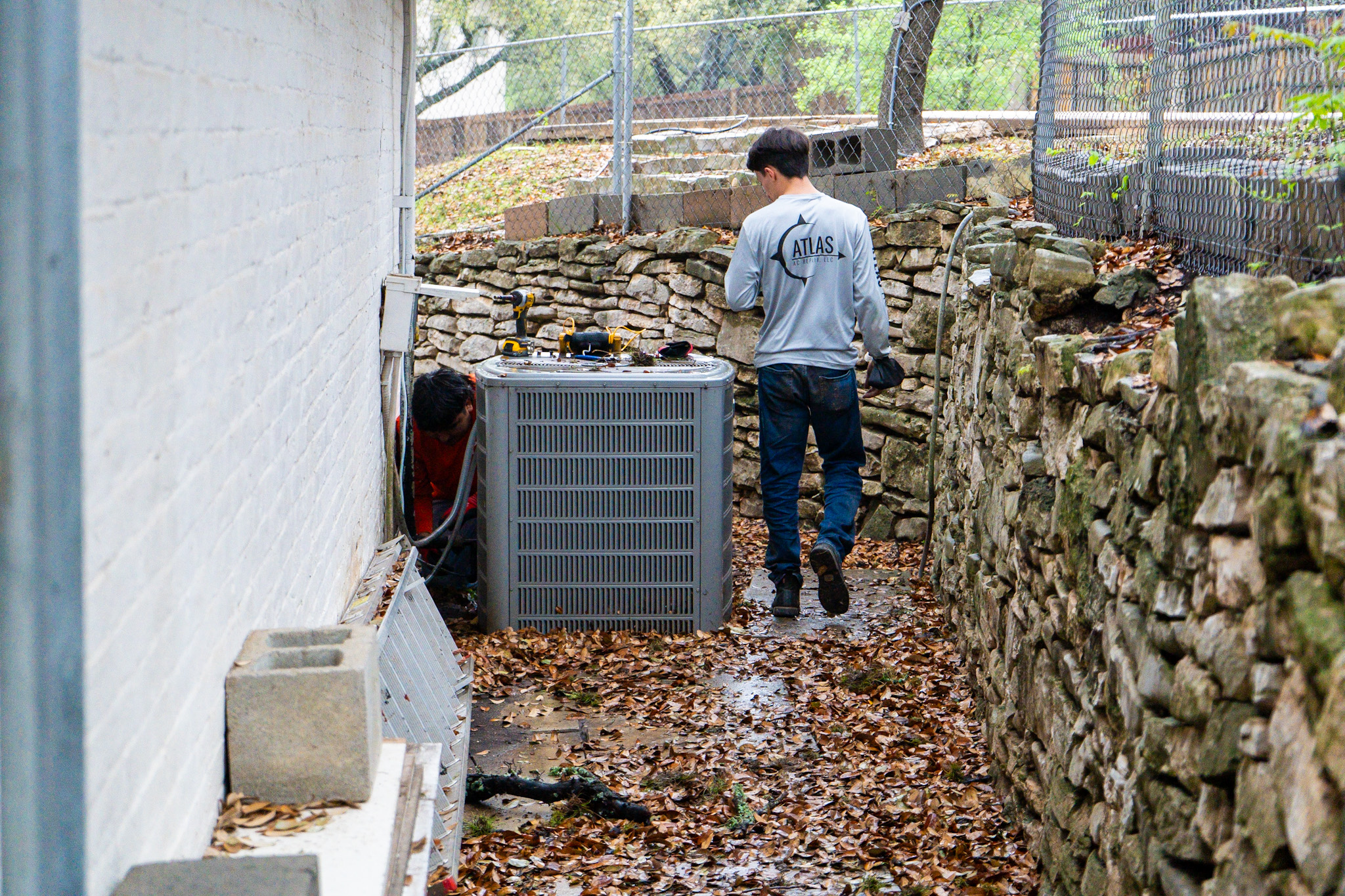
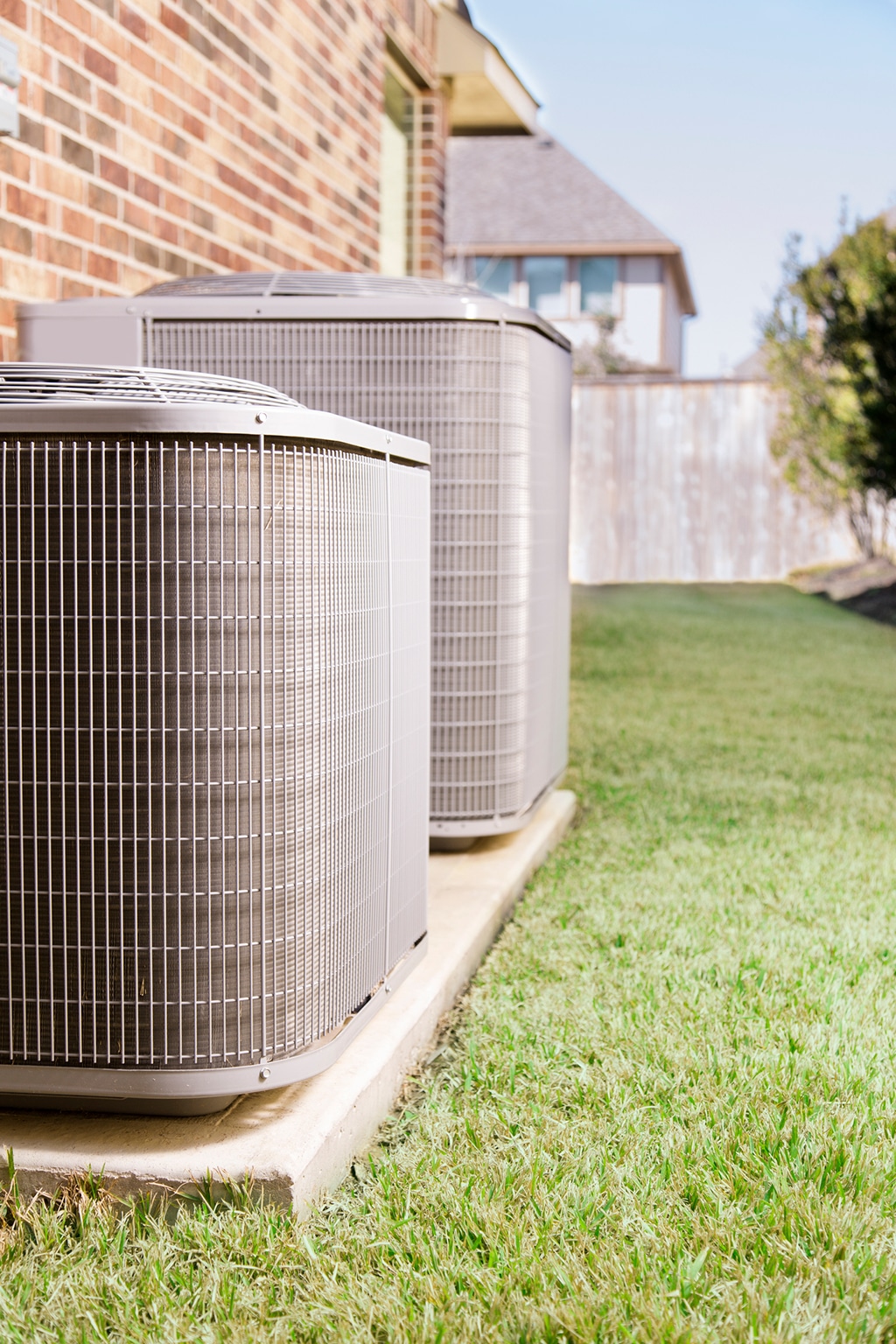
Homeowners should distinguish between routine maintenance and emergency repairs. While tasks such as changing air filters or clearing debris from the outdoor condenser unit can be performed by the occupant, internal system failures generally require a licensed professional.
You should contact a professional service provider if you observe:
- Inconsistent Airflow: If air is blowing but the pressure is significantly lower than normal, it may indicate a failing blower motor or an obstructed evaporator coil.
- Warm Air Output: When the system runs but supplies warm air, the issue is often a failed compressor, a refrigerant leak, or a broken reversing valve in heat pump systems.
- Unusual Noises: Screeching, grinding, or banging sounds often point to mechanical failures, such as loose fan blades, motor bearing failure, or loose internal components.
- Water Leaks: Pooling water near the indoor unit suggests a clogged condensate drain line, which can lead to interior water damage if left unaddressed.
- Electrical Failures: Frequent breaker trips or burning odors from vents indicate a potential fire hazard and should result in an immediate system shutdown.
Licensing and Regulatory Requirements in Texas
In the state of Texas, heating, ventilation, and air conditioning (HVAC) work is strictly regulated. All technicians and contracting companies performing repairs must hold a license issued by the Texas Department of Licensing and Regulation (TDLR).
Before hiring a company for A/C repair in Arlington, follow these verification steps:
- Request the License Number: Every advertisement and estimate provided by a contractor must include their Texas HVAC license number.
- Verify via the TDLR Database: Visit the official Texas Department of Licensing and Regulation website to confirm the license is active and in good standing.
- Insurance Check: Ensure the contractor carries General Liability insurance and workers' compensation. This protects you from financial liability if an injury occurs on your property during the repair process.
Comparing Repair Strategies vs. System Replacement
Deciding between a repair and a full system replacement requires an evaluation of the system’s age, the cost of the repair, and the remaining expected lifespan of the unit.
| Factor | Repair | System Replacement |
|---|---|---|
| System Age | Under 10 years | Over 12–15 years |
| Repair Cost | Less than 30% of new unit cost | Exceeds 50% of new unit value |
| Frequency | First or second major failure | Repeated, chronic failures |
| Efficiency | Restores original SEER rating | Significantly higher SEER2 efficiency |
| Warranty | Parts-only coverage remaining | New comprehensive manufacturer warranty |
Most central air conditioning systems are designed to last between 12 and 15 years with consistent maintenance. If your system is approaching or exceeding this age, high-cost repairs (such as replacing a compressor) may offer poor long-term value compared to an investment in a modern, energy-efficient system.
Common Troubleshooting Steps for Homeowners
Before calling for service, ensure the issue is not related to user-controlled settings. These simple checks can save the cost of a service call:
- Thermostat Settings: Ensure the thermostat is set to "Cool" and the temperature is at least 3–5 degrees lower than the current indoor ambient temperature.
- Power Supply: Check the electrical breaker panel in your home to ensure the HVAC circuit breaker has not tripped. Additionally, verify that the service disconnect switch located next to the outdoor unit is in the "On" position.
- Air Filters: A clogged filter restricts airflow, which can cause the evaporator coil to freeze, resulting in a system that stops cooling. Inspect your filter and replace it if it appears grey or opaque.
- Drain Lines: If the system is equipped with a float switch, a backed-up condensate drain can shut the system off to prevent water damage. If the drain line is clear, the system should reset automatically.
The Role of Preventive Maintenance
The most effective way to avoid emergency A/C repair in Arlington is through biannual preventive maintenance. In a climate as demanding as Texas, it is recommended to have a professional inspection performed once in the spring (for cooling) and once in the fall (for heating).
A standard maintenance visit should include:
- Cleaning the Coils: Debris and dust on the condenser coils prevent efficient heat transfer, forcing the system to work harder.
- Refrigerant Level Verification: Low refrigerant indicates a leak. A technician should find and repair the leak rather than simply "topping off" the system, as refrigerant should not be consumed during normal operation.
- Electrical Connection Check: Tightening electrical connections prevents arcing and potential fire hazards.
- Lubrication: Applying lubricant to moving parts such as fan motors and bearings extends the life of these components.
Choosing the Right Service Provider
When selecting an HVAC company in Arlington, prioritize reliability and local reputation. Look for companies that provide clear, written estimates before beginning any work. Avoid contractors who provide "ballpark" pricing over the phone without seeing the system or those who attempt to pressure you into immediate, expensive replacements without offering repair alternatives. Ask for a breakdown of costs, specifically distinguishing between labor and parts.
Frequently Asked Questions
Why is my A/C blowing warm air? Warm air usually indicates a loss of cooling capacity. This can be caused by a dirty air filter, a tripped circuit breaker for the outdoor unit, a failed capacitor, or a refrigerant leak. Check your filter and breaker first; if these are operational, a technician must test the refrigerant pressure and compressor function.
How often should I change my A/C filter? In Arlington, where dust levels can be high and systems run frequently, it is generally recommended to change your filter every 30 to 90 days. If you have pets or suffer from allergies, you may need to change it more frequently to ensure proper airflow and indoor air quality.
Can I fix a refrigerant leak myself? No. Refrigerant is a controlled substance regulated by the Environmental Protection Agency (EPA). Only certified technicians with the appropriate recovery equipment are legally permitted to handle refrigerant or repair leaks in an HVAC system.
What is the expected cost for an A/C service call? Service call fees (or "trip charges") vary significantly based on the company's overhead and distance. This fee covers the technician’s time to arrive and diagnose the issue. Once the diagnosis is complete, you should be provided with an itemized quote for the specific repair needed.
How do I know if my capacitor is bad? A common sign of a failing capacitor is that the outdoor fan is not spinning, or you hear a humming sound coming from the unit. The capacitor provides the initial "start" boost to the motor. If it fails, the system cannot function. This is a common and relatively affordable repair.
Final Next Action
If your system is not cooling, start by checking your thermostat settings and your air filter. If these are functioning correctly, locate your system's model number and contact a licensed HVAC contractor in Arlington. Provide the model number to the dispatcher to help them better prepare for the potential parts required for your specific unit, and always verify their license status via the official TDLR portal before authorizing work.