In most instances, the death benefit received from a life insurance policy is not considered taxable income to the beneficiary. According to the Internal Revenue Code, life insurance proceeds paid because of the death of the insured are generally excluded from gross income. However, exceptions arise when interest is earned on a delayed payout, when a policy is sold, or when the policy's cash value is accessed during the insured's lifetime.
Life insurance serves as a foundational pillar of financial planning, providing a safety net for survivors. While the core promise of a tax-free payout remains largely intact in 2026, the complexities of tax law—especially regarding estate taxes and cash value accumulation—require a nuanced understanding. Whether you are a beneficiary expecting a payout or a policyholder managing a permanent life policy, understanding the specific triggers for taxation is essential for preserving wealth.
The General Rule: Income Tax and Death Benefits
The most common question regarding life insurance is whether the lump-sum payment received by beneficiaries is subject to federal income tax. Under Section 101(a)(1) of the Internal Revenue Code, death benefits are generally exempt from income tax. This means if a policy provides a $500,000 death benefit, the beneficiary typically receives the full $500,000 without having to report it as income on their Form 1040.
This tax-exempt status applies regardless of whether the policy is term life insurance or a permanent variety like whole life or universal life. The logic behind this exemption is that life insurance is viewed as a mechanism for replacing the economic value of a human life, rather than a traditional profit-generating investment.
Interest Income on Delayed Payouts
While the principal death benefit is tax-free, any interest earned on that benefit is taxable. If an insurance company holds the proceeds for a period before paying the beneficiary—perhaps due to a lengthy claims process or a specific settlement option—the interest accrued during that time is considered taxable income.
For example, if a $1,000,000 policy earns $5,000 in interest before it is distributed, the beneficiary will receive $1,005,000. They will owe income tax on the $5,000, but the $1,000,000 remains tax-exempt. The insurance company will typically issue a Form 1099-INT to the beneficiary and the IRS to report this interest.
Taxation of Living Benefits and Cash Value
Permanent life insurance policies, such as whole life, universal life, and variable life, include a "cash value" component that grows over time. Accessing this money while the insured is still alive—often called "living benefits"—carries different tax implications than the death benefit.
Policy Withdrawals and the Cost Basis
When you withdraw money from the cash value of a life insurance policy, the IRS follows a "First-In, First-Out" (FIFO) accounting method. This means your first withdrawals are considered a return of the premiums you have paid into the policy, known as your cost basis.
Withdrawals are tax-free as long as they do not exceed the total amount of premiums paid. Once you withdraw more than your cost basis, the excess amount is considered "gain" and is taxed as ordinary income.
Policy Loans
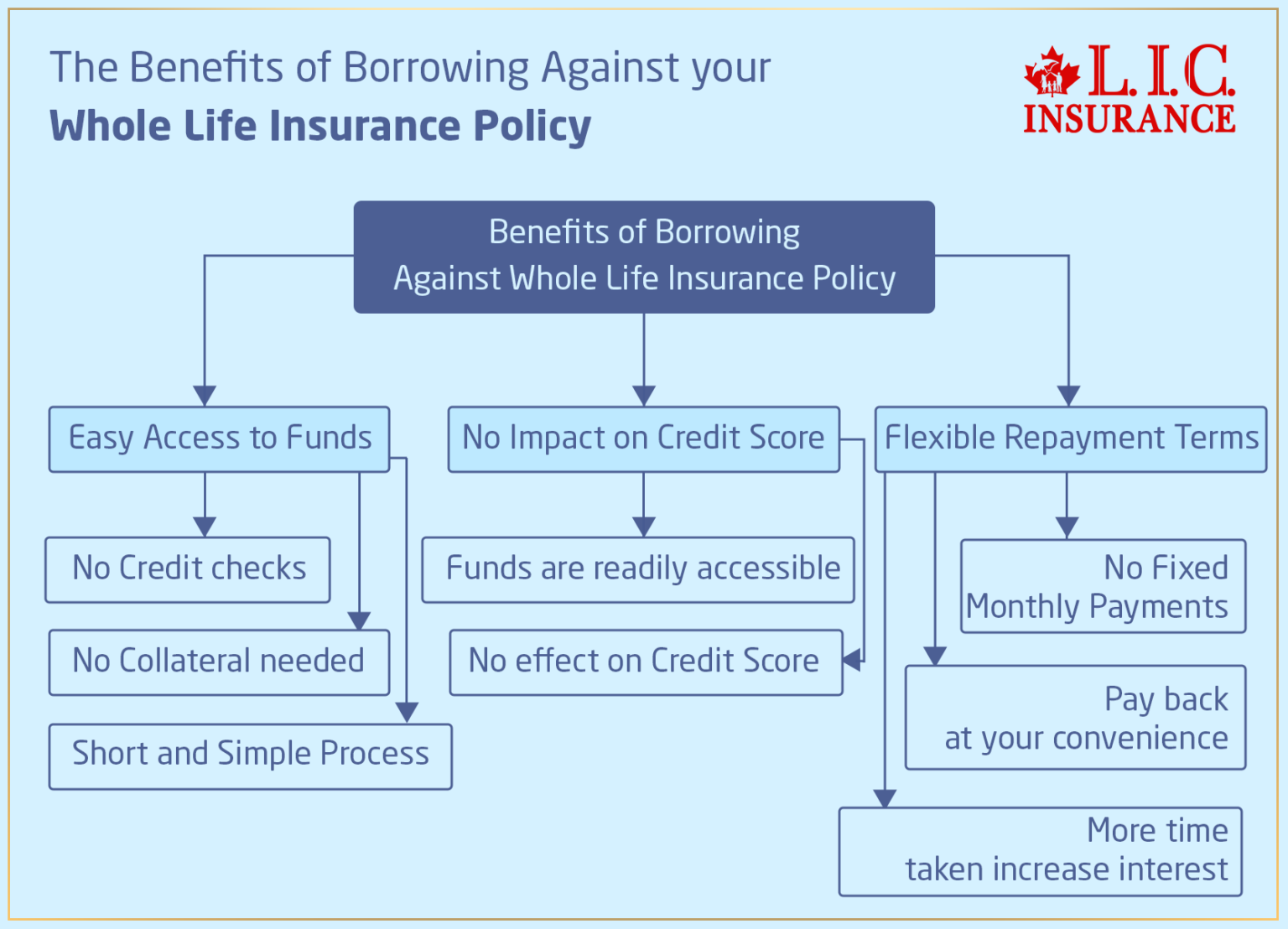
One of the most attractive features of permanent life insurance is the ability to take out a loan against the cash value. Under normal circumstances, policy loans are not considered taxable income, even if the loan amount exceeds the cost basis. This is because the IRS views the transaction as a loan rather than a distribution.
However, caution is required. If the policy lapses or is surrendered while a loan is outstanding, the unpaid loan balance (minus the cost basis) becomes taxable as ordinary income. This can lead to a "tax "bomb," where the policyholder owes significant taxes despite not receiving any new cash at the time of the lapse.
Surrendering a Policy
If a policyholder decides to cancel (surrender) their permanent life insurance policy for its cash value, they will be taxed on any amount received that exceeds the total premiums paid. For instance, if you paid $40,000 in premiums over 20 years and the surrender value is $55,000, you would owe income tax on the $15,000 gain.
Dividends
Dividends paid by mutual life insurance companies are generally treated as a return of premium. As such, they are not taxable until the total dividends received exceed the total premiums paid into the policy. If dividends are left with the insurer to earn interest, that specific interest earned is taxable in the year it is credited.
The Impact of Modified Endowment Contracts (MECs)
In the 1980s, the IRS introduced the "7-pay test" to prevent life insurance from being used purely as a tax-advantaged investment vehicle. If a policy is funded too quickly—meaning the premiums paid during the first seven years exceed the amount needed to pay up the policy in seven years—it is reclassified as a Modified Endowment Contract (MEC).
Once a policy becomes a MEC, the tax rules change significantly:
- LIFO Taxation: Withdrawals and loans are taxed on a "Last-In, First-Out" basis. This means gains are taxed first, before the tax-free return of basis.
- Penalty Tax: If the policyholder is under age 59.5, a 10% federal penalty tax applies to the taxable portion of any distribution, similar to an early withdrawal from an IRA.
It is important to note that a MEC classification does not change the tax-free nature of the death benefit; it only affects how money is taxed while the insured is alive.
Life Insurance and Estate Taxes in 2026
While life insurance proceeds are generally free from income tax, they are not always free from estate tax. As of 2026, the estate tax landscape has shifted significantly due to the sunsetting of the Tax Cuts and Jobs Act (TCJA) provisions at the end of 2025. With lower exemption thresholds now in effect, more estates are potentially subject to federal taxation.
The "Incidents of Ownership" Rule
If the deceased person owned the policy at the time of death, the full value of the death benefit is included in their "gross estate" for federal estate tax purposes. The IRS defines "incidents of ownership" broadly. If you have the right to change beneficiaries, borrow against the cash value, or cancel the policy, you are considered the owner.
If the total value of the estate (including the life insurance) exceeds the 2026 federal exemption limit—which has reverted to approximately $7 million per individual, adjusted for inflation—the estate may owe taxes as high as 40% on the excess.
Using an Irrevocable Life Insurance Trust (ILIT)
To avoid having life insurance proceeds counted toward the taxable estate, many individuals use an Irrevocable Life Insurance Trust (ILIT). By having the trust own the policy, the insured individual gives up all incidents of ownership. Upon their death, the proceeds flow into the trust for the benefit of heirs without being subject to estate taxes.
However, individuals must be aware of the "three-year rule" (IRC Section 2035). If you transfer an existing policy into an ILIT and die within three years of the transfer, the IRS will still include the proceeds in your taxable estate.
Employer-Provided Life Insurance (Group Term)
Many employees receive life insurance as a benefit through their workplace. The tax treatment here depends on the amount of coverage provided.
- Up to $50,000: The cost of the first $50,000 of group term life insurance coverage is a tax-free benefit to the employee.
- Above $50,000: If an employer provides more than $50,000 in coverage, the "imputed cost" of the excess coverage is considered taxable income to the employee. This is calculated using IRS "Table I" rates, which are based on the employee's age. The amount is reported on the employee's W-2 as "other compensation."
Policy Transfers and the Transfer-for-Value Rule
The general rule of tax-free death benefits can be voided if a policy is sold or transferred for "valuable consideration." This is known as the Transfer-for-Value Rule.
If a policy is sold to a third party (a life settlement), the death benefit is no longer entirely tax-free. The purchaser will owe income tax on the portion of the death benefit that exceeds the price paid for the policy plus subsequent premiums. There are exceptions to this rule, such as transfers to the insured person, to a partner of the insured, or to a corporation in which the insured is an officer or shareholder.
Comparison of Tax Scenarios for Life Insurance
| Scenario | Income Tax Status | Estate Tax Status |
|---|---|---|
| Lump-Sum Death Benefit | Generally Tax-Free | Taxable if owned by deceased |
| Interest on Death Benefit | Taxable as Ordinary Income | N/A |
| Cash Value Withdrawal (Up to Basis) | Tax-Free | N/A |
| Cash Value Withdrawal (Above Basis) | Taxable as Ordinary Income | N/A |
| Policy Loan (Non-MEC) | Tax-Free (unless policy lapses) | N/A |
| Dividends | Generally Tax-Free | N/A |
| Employer-Provided (> $50k) | Taxable (Imputed Income) | Generally Tax-Free to Beneficiary |
| Life Settlement (Sale of Policy) | Taxable for the Buyer | N/A for the original owner |
Accelerated Death Benefits for Chronic or Terminal Illness
Many modern policies include "accelerated death benefit" riders. These allow a policyholder to access a portion of the death benefit early if they are diagnosed with a terminal illness (usually defined as having less than 24 months to live) or a chronic illness requiring long-term care.
Under IRC Section 101(g), these payments are generally treated as if they were paid by reason of the death of the insured, meaning they are tax-free. This provides critical liquidity for medical expenses without the burden of an immediate tax bill. For chronic illness triggers, there are specific per-diem limits set by the IRS that must be followed to maintain the tax-free status.
Common Pitfalls and Planning Mistakes
Navigating life insurance taxation requires avoiding several common errors that can inadvertently trigger a tax liability:
- The "Goodman Triangle" (The Unholy Trinity): This occurs when three different people occupy the roles of the insured, the owner, and the beneficiary. For example, if a wife owns a policy on her husband’s life, but names their adult child as the beneficiary. When the husband dies, the IRS views the death benefit as a taxable gift from the wife to the child, rather than a tax-free insurance payout.
- Lapsing a Policy with a Loan: As mentioned earlier, if a policy with an outstanding loan is allowed to lapse because the cash value can no longer cover the internal costs, the loan is treated as a distribution. If the loan exceeds the premiums paid, the policyholder receives a tax bill despite having no cash to pay it.
- Naming the "Estate" as Beneficiary: While it might seem simpler to name your estate as the beneficiary, this makes the proceeds available to creditors and subjects the funds to the probate process. Furthermore, it ensures the proceeds are included in the taxable estate for estate tax calculations.
Frequently Asked Questions
1. Are life insurance premiums tax-deductible?
For individuals, life insurance premiums are almost never tax-deductible. They are considered a personal expense. For businesses, premiums are generally not deductible if the business is a direct or indirect beneficiary of the policy (which is usually the case with key person insurance).
2. Is the payout taxable if I inherit the policy from someone else?
If you inherit the ownership of a policy on someone else's life, there is no immediate income tax. However, the value of that policy may be subject to estate taxes in the original owner's estate. If the insured person later dies while you own the policy, the death benefit remains tax-free to you as the beneficiary under the general rule.
3. What happens if I receive the death benefit in installments?
If you choose to receive the death benefit over several years (an annuity or installment option), each payment consists of two parts: a tax-free portion of the principal and a taxable portion of interest. The insurance company provides a breakdown of these amounts.
4. Does the 2026 estate tax change affect my existing policy?
Yes. With the lowering of the estate tax exemption in 2026, policies that were previously "safe" within a $13 million estate may now push an estate over the new $7 million threshold. It is a critical time to review ownership structures and consider the use of trusts.
5. How are "Viatical Settlements" taxed?
A viatical settlement involves selling a policy when the insured is terminally or chronically ill. These are generally tax-free under the same rules as accelerated death benefits, provided the purchaser is a licensed viatical settlement provider.
Summary and Next Actions
The primary takeaway for 2026 remains that life insurance death benefits are largely tax-free, but the nuances of how you own and access the policy can change that reality. To ensure your beneficiaries are protected and your tax liability is minimized:
- Review Beneficiary Designations: Avoid the "Goodman Triangle" by ensuring the owner and the beneficiary are either the same person or that the insured is the owner.
- Audit Policy Loans: If you have an outstanding loan on a permanent policy, monitor the cash value to ensure the policy does not lapse.
- Evaluate Estate Exposure: Given the 2026 reduction in estate tax exemptions, consult with a tax professional or estate attorney to determine if moving your policy into an Irrevocable Life Insurance Trust (ILIT) is necessary.
- Verify MEC Status: Before making large "catch-up" premium payments into a permanent policy, confirm with the insurer that the payment will not trigger MEC status.
By staying proactive and understanding the internal revenue codes governing these contracts, you can ensure that your life insurance remains the powerful, tax-efficient tool it was intended to be.
Disclaimer: This article is for informational purposes only and does not constitute legal, tax, or financial advice. Tax laws are subject to change and interpretation. Please consult with a qualified tax professional or estate attorney regarding your specific situation.