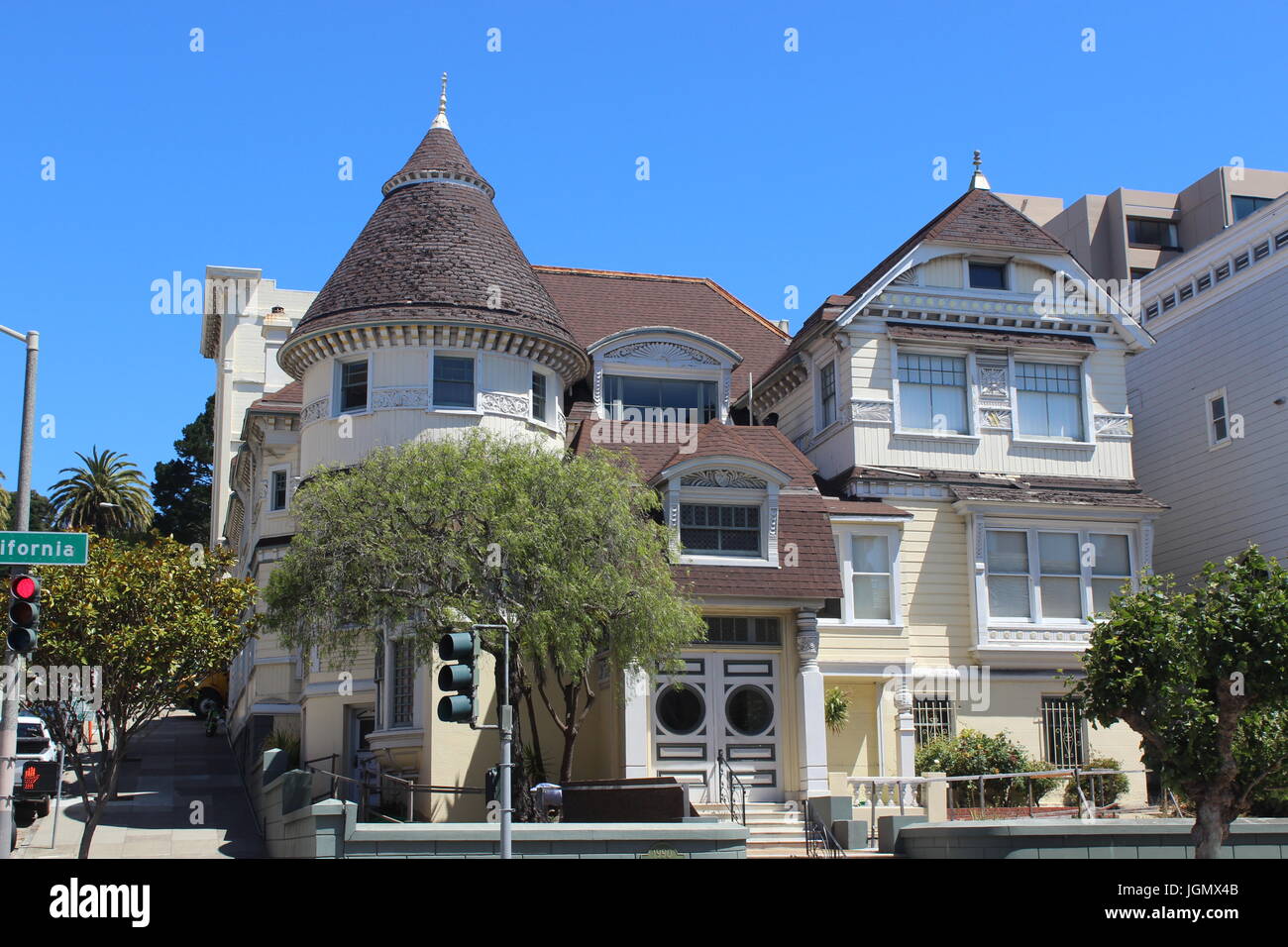
The Atherton House in Detroit history refers primarily to the residences of the prominent Atherton family, most notably the Ross Atherton estate and the historical Atherton luxury apartments. These structures represent the architectural peak of Detroit’s "Gilded Age" and the subsequent shift toward high-density luxury living during the city’s industrial boom in the early 20th century.
The Origins of the Atherton Legacy in Detroit
To understand the history of the Atherton House, one must first look at the trajectory of Detroit itself. In the late 19th and early 20th centuries, Detroit underwent a radical transformation from a regional mercantile hub to the "Arsenal of Democracy" and the automotive capital of the world. This transition created immense wealth, which manifested in the construction of grand estates in neighborhoods like Boston-Edison, Arden Park-East Boston, and Indian Village.
The Atherton family, led by figures such as Ross Atherton, was deeply embedded in this growth. Their involvement in real estate, industry, and the social fabric of the city necessitated residences that mirrored their status. While "Atherton House" is often used to describe the family's primary residence in the Arden Park area, the name also carries weight in the context of the Atherton Apartments—a testament to the city’s early 20th-century urban planning and the movement toward sophisticated, multi-family dwellings for the rising professional class.
As of 2026, these structures serve as critical touchstones for historians and preservationists. They offer a physical narrative of the city's rise, its mid-century challenges, and the concerted efforts of the 21st century to restore Detroit’s architectural heritage.
The Ross Atherton Estate: Architectural Excellence
The most historically significant "Atherton House" is the Ross Atherton residence, located within the prestigious Arden Park-East Boston Historic District. Built during an era when Detroit's elite sought to outdo one another with European-inspired designs, the house stands as a prime example of Tudor Revival architecture, blended with elements of the Arts and Crafts movement.
Design and Construction Materials
The construction of the Ross Atherton estate utilized materials that were, at the time, symbols of ultimate durability and luxury. The exterior is characterized by heavy limestone detailing, intricate brickwork, and hand-carved timber framing. These materials were chosen not only for their aesthetic appeal but for their ability to withstand the harsh Midwestern winters.
Internally, the house featured:
- Quarter-sawn Oak: Used extensively in the grand foyer and the main staircase to provide a sense of warmth and permanence.
- Pewabic Tile: A staple of Detroit high-society homes, these handcrafted tiles were often found in the solariums and bathrooms, showcasing the city's local artisan culture.
- Lead-Glass Windows: Custom-designed windows that allowed for filtered natural light while maintaining the privacy of the residents.
The Architect’s Vision
The architects commissioned by the Athertons often belonged to the same circles as those who designed the Fisher Mansion or the Whitney. The goal was to create a "total work of art" (Gesamtkunstwerk), where the architecture, landscaping, and interior design functioned as a cohesive unit. The layout of the Ross Atherton house followed the traditional Victorian social hierarchy, with grand public rooms for entertaining and a sequestered service wing for the household staff.
The Atherton Apartments: A Shift in Urban Living
As Detroit’s population exploded in the 1920s, the "Atherton House" concept evolved. The Atherton Apartments were constructed to meet the demand for luxury living within the city’s inner ring. This move represented a significant shift in Detroit’s history, as wealthy residents began to embrace the convenience of high-end apartment living over the maintenance-heavy requirements of large estates.
Located near the burgeoning cultural center and the magnetic draw of the Grand Boulevard area, the Atherton Apartments featured amenities that were revolutionary for the time. These included underground parking, integrated refrigeration systems, and on-site concierge services. The architectural style leaned more toward Neo-Classical and Art Deco, reflecting the modern, fast-paced spirit of the roaring twenties.
Technical Specifications of Historic Atherton Properties
| Feature | Ross Atherton Estate (Arden Park) | The Atherton Apartments (Midtown/New Center Area) |
|---|---|---|
| Era Built | Circa 1915–1917 | Circa 1924 |
| Architectural Style | Tudor Revival / Arts and Crafts | Neo-Classical / Art Deco Influence |
| Primary Materials | Limestone, Brick, Slate, Oak | Re-enforced Concrete, Terra Cotta, Marble |
| Historical Status | Part of National Historic District | Local Historic Designation |
| Original Purpose | Single-family Private Mansion | Multi-family Luxury Residential |
| Current Use (2026) | Private Residence / Historic Site | Restored Luxury Condominiums |
The Socio-Economic Context of the Atherton Influence
The history of the Atherton House is inseparable from the racial and economic shifts that defined Detroit in the mid-20th century. Like many properties in the Arden Park and Boston-Edison areas, the Atherton holdings were subject to the changing demographics of the city.
The Great Migration and Neighborhood Change
During the Great Migration, Detroit saw a massive influx of African Americans seeking industrial jobs. This led to a period of "white flight" where many of the original owners of the grand houses on West Boston Boulevard and Arden Park moved to the burgeoning suburbs like Grosse Pointe and Bloomfield Hills.
However, the Atherton properties often remained in high demand. In the 1950s and 60s, these homes were frequently purchased by the city's new elite—African American doctors, lawyers, and business leaders who sought the same status symbols as their predecessors. This era of ownership was crucial because it prevented many of these architectural masterpieces from being subdivided into boarding houses or falling into complete disrepair.
Preservation and the 21st Century Renaissance
By the early 2000s, many historic Detroit homes faced a crisis of neglect. However, the period between 2010 and 2026 has seen a massive resurgence in interest in the Atherton House and its contemporaries. Historic tax credits, local grants, and a renewed appreciation for craftsmanship have driven a "restoration boom."
Modern owners of the Atherton House are no longer just residents; they are stewards of history. Restoration projects in 2026 focus on:
- Energy Retrofitting: Installing geothermal heating and cooling systems that do not compromise the historic integrity of the plasterwork and timber.
- Masonry Restoration: Specialized tuck-pointing to preserve the unique brick patterns.
- Digital Archiving: Using 3D scanning to document the original moldings and carvings for future preservation.
Common Myths and Misconceptions
Throughout Detroit's history, several myths have circulated regarding the Atherton House. Clarifying these is essential for accurate historical research.
The "Underground Railroad" Connection
A common rumor suggests that many of the older Atherton-associated properties contained tunnels used in the Underground Railroad. While Detroit was a major terminal (code-named "Midnight"), the Ross Atherton House and the Atherton Apartments were built long after the Civil War ended. Any "tunnels" found are typically coal chutes or service corridors used by domestic staff in the early 20th century.
The Prohibition Legend
Given the Athertons’ social standing during the 1920s, local legends often suggest the house was a hub for bootlegging. While Detroit was indeed the primary entry point for illegal Canadian spirits during Prohibition, there is no verified historical record linking the Atherton family to organized smuggling. However, like many homes of the era, the house did feature "hidden" cabinets and basement storage areas designed to keep a private collection discreet.
How to Research the Atherton House Today
For those looking to verify specific deeds, architectural plans, or family genealogies related to the Atherton House, several resources are vital.
The Burton Historical Collection
Located within the Detroit Public Library, the Burton Historical Collection is the premier repository for Detroit’s history. It contains original photographs, city directories, and personal papers belonging to the Atherton family. Researchers can trace the exact lineage of property ownership through the libers and deeds stored here.
The Detroit Historical Society
The society provides context on how the Atherton family interacted with other industrial titans. Their exhibits often feature artifacts from the Gilded Age of Detroit, providing a sense of the lifestyle led by the occupants of these grand homes.
Wayne County Register of Deeds
To understand the legal history and the transitions of the "Atherton House" through various economic cycles, the Register of Deeds offers the most concrete evidence. This is particularly useful for identifying the specific years the properties changed hands and the valuations placed on them during Detroit’s peak and subsequent downturns.
The Future of the Atherton Legacy
As we look at the status of the Atherton House in 2026, it is clear that its value has transcended simple real estate. It has become a symbol of Detroit's resilience. The fact that these structures have survived the city's most turbulent years is a testament to the quality of their construction and the dedication of the community.
The Atherton Apartments have recently undergone a major renovation, transitioning into "smart" luxury units that retain their 1920s facades. This blend of historical aesthetics and modern technology is the blueprint for Detroit’s urban renewal. Meanwhile, the Ross Atherton estate remains a crown jewel of the Arden Park district, frequently featured in historic home tours that draw visitors from across the country.
Frequently Asked Questions
Where is the primary Atherton House located?
The most famous residence associated with the family is located in the Arden Park-East Boston Historic District. Additionally, the Atherton Apartments are situated in the New Center/Midtown area of Detroit.
Can you tour the Atherton House?
In 2026, the Ross Atherton estate remains a private residence. However, it is frequently included in the annual "Historic Boston-Edison and Arden Park Home Tours." These tours usually take place in the spring or early autumn and offer a rare look at the interior craftsmanship.
Who was Ross Atherton?
Ross Atherton was a prominent figure in early 20th-century Detroit, involved in real estate development and the ancillary industries that supported the city's automotive growth. His family was known for their philanthropic efforts and their role in the city's high society during the 1910s and 20s.
Is the Atherton House considered a haunted location?
While Detroit has many "haunted" legends, the Atherton House is generally not cited in paranormal circles. Its history is characterized more by industrial success and architectural preservation than by the tragedies often associated with "haunted" mansions.
How has the value of the Atherton House changed?
Historically, the house was worth a fortune in the 1920s, saw a significant decline during the city's mid-century economic crisis, and has seen a massive appreciation in value between 2015 and 2026. Today, it is considered a high-value asset due to its historic designation and the scarcity of well-preserved Tudor Revival estates.
Practical Recommendations for Historians and Homeowners
If you are researching the Atherton House or live in a similar historic property in Detroit, prioritize the following actions:
- Consult the Detroit Historic District Commission: Before making any alterations to a property with the Atherton name or within its district, ensure you are compliant with local preservation ordinances.
- Invest in Specialist Restoration: Traditional modern contractors often lack the skills to handle 100-year-old masonry or leaded glass. Seek out contractors who specialize in "Historic Restoration."
- Document Everything: If you discover original artifacts or documents within these homes, donate copies to the Burton Historical Collection to help preserve the city’s narrative for the next century.
The Atherton House remains more than just a building; it is a survivor of the American Dream's various iterations in Detroit, standing as a monument to the city’s past and a beacon for its future.