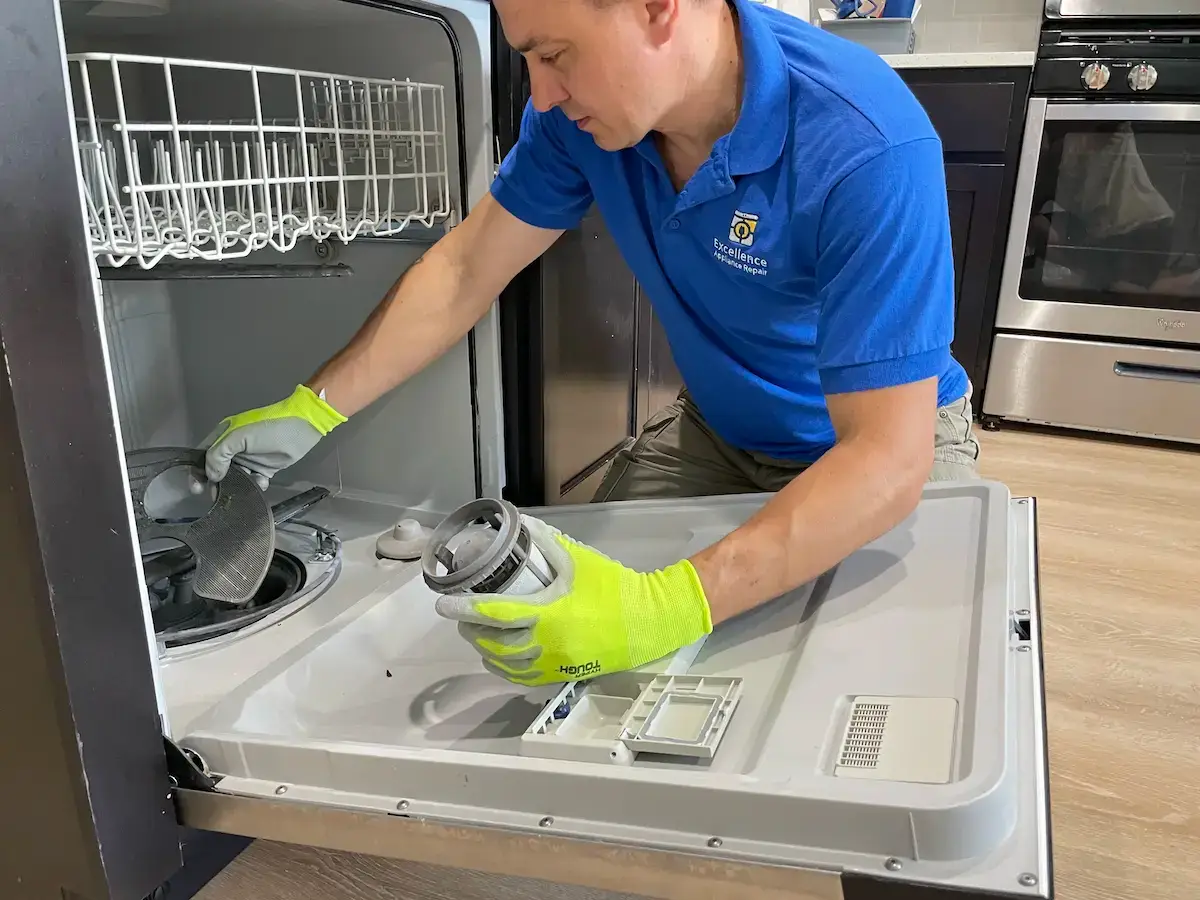
When a major household appliance fails in the Greater Houston area, homeowners and property managers often seek reliable, specialized expertise to restore functionality quickly. ASI Appliance Repair services in Houston represent a segment of the local market focused on professional diagnostics, part procurement, and technical installation for residential and commercial hardware. Understanding how to vet these services, interpret diagnostic reports, and manage repair expectations is essential for maintaining the longevity of your home systems.
Understanding Appliance Repair Service Models in Houston
In a city as sprawling as Houston, appliance repair services generally operate under two primary business models: authorized service providers and independent repair firms. When searching for "ASI appliance repair services," residents encounter organizations that prioritize specific brands or broad, multi-brand diagnostics.
Authorized service providers are often vetted by manufacturers, meaning they have access to genuine OEM (Original Equipment Manufacturer) parts and current technical bulletins for specific machine versions. Independent firms may offer broader scheduling flexibility but rely on third-party supply chains. For homeowners, the primary decision involves balancing the need for speed against the long-term benefit of using manufacturer-certified installation and repair techniques, which are more likely to preserve existing warranties.
The Diagnostic Process: What to Expect
Professional appliance repair in 2026 begins with a structured diagnostic protocol. Whether you are dealing with a refrigerator that has lost cooling capacity or a dishwasher that fails to drain, the technician should follow a standardized workflow.
- Initial Assessment: The technician connects diagnostic tools to the appliance’s control board to retrieve error codes. Modern appliances in 2026 are increasingly digitized, and these error logs provide a history of electrical surges, sensor failures, or mechanical jams.
- Component Testing: Once the error is identified, the repair service must verify the physical state of the component. This involves checking continuity in wiring, examining capacitors for swelling, and testing pump or motor resistance.
- Estimation and Approval: Before any permanent alteration is made, a transparent service provider should supply a written estimate. This document must itemize the cost of parts, labor hours, and any service call fees.
Key Considerations for Houston Homeowners
Houston’s climate presents unique challenges for appliance longevity. High humidity and extreme heat often lead to accelerated degradation of refrigerator compressor coils and HVAC-integrated systems. When engaging a repair service, it is critical to confirm that they understand the impact of local environmental conditions on hardware performance.
Furthermore, verify the service provider’s licensing and insurance status. In Texas, while general appliance repair may not always require a state-level contractor license for every minor task, services involving gas lines (like stoves or dryers) or high-voltage electrical hardwiring must be performed by licensed professionals. Ensure the company you select carries adequate general liability insurance to protect your property during the repair process.
Comparing Repair Scenarios: When to Repair vs. Replace
Determining whether to invest in a repair or commit to a full replacement is a frequent dilemma. In 2026, the decision-making process typically relies on the "50% rule": if the cost of the repair exceeds 50% of the cost of a comparable new appliance, replacement is usually the more economical choice.
| Appliance Type | Average Life Expectancy | Common Repair Indicators |
|---|---|---|
| Refrigerator | 10–15 Years | Compressor noise, leaks, ice build-up |
| Dishwasher | 7–12 Years | Failure to drain, leaking seals, pump noise |
| Washing Machine | 8–14 Years | Drum imbalance, electronic timer failure |
| Electric Dryer | 10–13 Years | Failure to heat, thermal fuse breakage |
| Gas Range | 13–15 Years | Igniter failure, burner clogging, gas leaks |
Addressing Common Appliance Failures
Most repair requests stem from three common categories: electrical failure, mechanical wear, and sensor malfunction.
Electrical failures often occur due to power fluctuations, which are not uncommon in the Houston electrical grid. In these instances, a repair service should check the power input and the control board's integrity. A simple reset of the circuit breaker is occasionally the fix, but if the control board is burnt, board-level repair or replacement is required.
Mechanical wear involves parts that move frequently, such as agitators, drive belts, or gaskets. These parts are designed to be replaceable. A high-quality repair service will emphasize the use of high-grade, compatible replacements rather than "universal" parts that may lead to premature failure.
Sensor malfunctions are a hallmark of modern smart appliances. If a sensor reports false readings to the main computer, the entire system may lock up as a safety precaution. Recalibrating these sensors or cleaning them of debris (such as lint or calcium buildup) often restores functionality without requiring a full hardware replacement.
Best Practices for Appliance Maintenance
To avoid frequent service calls, homeowners should perform proactive maintenance. For refrigerators, this includes cleaning the condenser coils at least twice a year to ensure efficient heat exchange. For dishwashers, inspecting and cleaning the filter system prevents food debris from entering the pump assembly, which is a frequent cause of drain failures. For dryers, ensuring the venting system is clear of lint is not just a performance issue; it is a critical fire safety measure.
Frequently Asked Questions
1. How quickly can I get an appointment for appliance repair in Houston? Availability depends on the season and the nature of your emergency. Most reputable services in 2026 offer 24–48 hour turnaround times for critical failures. During peak summer months, when heavy usage puts stress on refrigerators and HVAC units, lead times may extend. It is advisable to maintain a contact list of verified services before an emergency occurs.
2. Are OEM parts always necessary for repairs? While OEM parts are manufactured to the specific tolerances of your appliance, high-quality third-party aftermarket parts can sometimes provide similar performance at a lower price point. However, for critical internal components like compressors or motherboards, using OEM parts is strongly recommended to ensure safety and warranty compliance.
3. Is there a charge for the initial diagnostic visit? Yes, most professional services charge a "service call" or "trip fee." This covers the travel expenses and the time taken for a certified technician to perform the diagnostic. If you choose to proceed with the recommended repair, many companies will apply this fee toward the final labor costs.
4. Can I troubleshoot my appliance before calling a professional? Absolutely. Start by verifying that the appliance is properly connected to power, checking that breakers haven't tripped, and inspecting the owner's manual for specific error code definitions. However, avoid attempting internal repairs on sealed systems or high-voltage components unless you have the appropriate training and tools, as this can void warranties or create safety hazards.
5. How do I verify if a repair service is legitimate? Look for verifiable business registration, consistent positive feedback on independent review platforms, and transparent communication regarding pricing and service limitations. Avoid companies that provide vague quotes over the phone without conducting a proper on-site inspection of the unit.
Recommended Next Actions
If your appliance is currently failing, start by recording the model and serial number—usually located on a sticker inside the door or on the back panel. Search for a provider with specific experience with your brand, and request an itemized estimate that includes a warranty on both parts and labor. Before the technician arrives, clear the area around the appliance to provide them with the necessary space to conduct a safe and efficient assessment. Ensuring your appliances are well-maintained is the most effective way to avoid the inconvenience and expense of unexpected failures.