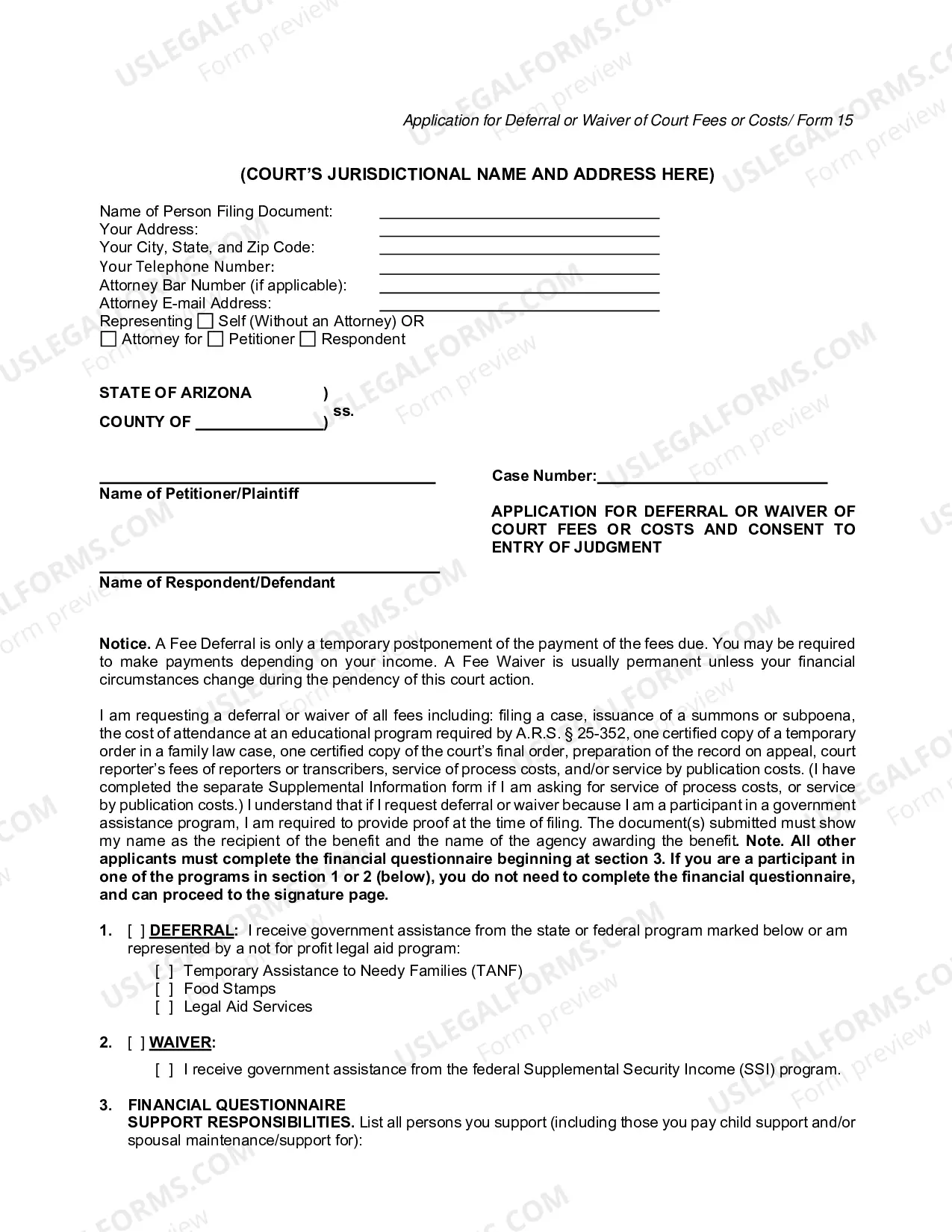
Arizona State University (ASU) offers application fee waivers primarily for students demonstrating financial hardship, military members, veterans, and participants in specific educational enrichment programs. Eligibility is verified through documentation like the NACAC waiver form or proof of military service. Applicants must select the waiver option during the online application process to bypass the payment step successfully.
The process of applying to a major university like Arizona State University involves various administrative hurdles, one of the most immediate being the application fee. As of 2026, these fees represent a necessary cost for the university to process thousands of domestic and international files, but they can also pose a significant barrier to entry for talented students from diverse economic backgrounds. Understanding the specific mechanics of the Arizona State application fee waiver is essential for ensuring that your path to higher education remains focused on your academic potential rather than your current financial constraints.
Understanding ASU Application Fees in 2026
Before exploring how to waive the fee, it is important to understand the standard cost structure at Arizona State University for the 2026 academic cycle. Application fees are non-refundable and vary based on the applicant's residency status and the level of study they are pursuing.
For undergraduate domestic applicants (including Arizona residents and non-residents), the fee is typically $70. For international undergraduate applicants, the fee increases to $115, reflecting the additional administrative oversight required for evaluating foreign transcripts and visa eligibility. Graduate application fees follow a similar structure but can vary significantly by department or specific professional school.
These fees cover the digital infrastructure of the ASU Admission Services portal, the labor involved in holistic transcript review, and the verification of secondary materials. However, ASU maintains a firm commitment to accessibility, ensuring that no qualified student is deterred from applying simply because they cannot afford the initial filing cost.
Primary Eligibility Criteria for Financial Hardship
The most common route to an Arizona State application fee waiver is through the demonstration of financial hardship. ASU adheres to national standards set by major educational organizations to identify students who qualify for a fee exemption.
NACAC Fee Waiver Participation
The National Association for College Admission Counseling (NACAC) provides a standardized fee waiver form that ASU accepts. To qualify for a NACAC waiver, a student must meet at least one of the following criteria:
- The student is eligible for the Federal Free or Reduced Price Lunch (FRPL) program.
- The student's family income falls within the Income Eligibility Guidelines set by the USDA Food and Nutrition Service.
- The student is enrolled in a federal, state, or local program that aids students from low-income families (e.g., TRIO programs such as Upward Bound).
- The student's family receives public assistance.
- The student lives in federally subsidized public housing, a foster home, or is homeless.
College Board and ACT Waivers
If you were eligible for a fee waiver for the SAT or ACT, you are likely eligible for an ASU application fee waiver. The College Board and ACT organizations provide waiver credits directly through their respective student portals. When you apply to ASU via the Common Application, you can indicate that you have used a testing waiver, which the university will then verify against the testing agency's database.
TRIO and Special Program Participation
Students who have participated in TRIO programs—including Talent Search, Upward Bound, and Student Support Services—are highly encouraged to request a waiver. Documentation from a program director or a counselor is generally sufficient for ASU to process this request. These programs are specifically designed to support first-generation and low-income students, and the waiver is a standard component of that support network.
Military and Veteran Fee Waivers
Arizona State University is consistently ranked as one of the most "veteran-friendly" institutions in the United States. As part of this commitment, ASU provides application fee waivers for many individuals associated with the armed forces.
Active Duty and Veterans
Active-duty members of the U.S. Military, as well as veterans who have been honorably discharged, are eligible for a waiver. This applies to all branches, including the National Guard and Reserves. To secure this waiver, applicants typically need to provide proof of service, such as a DD-214 form or current military orders.
Dependents and Spouses
While waivers for dependents and spouses are not always automatic, ASU often provides specific windows or programs where these fees are waived. It is recommended that military-affiliated families contact the ASU Pat Tillman Veterans Center to inquire about current 2026 incentives or specific scholarship-linked waivers that may cover application costs.
Step-by-Step Guide to Requesting the Waiver
Securing a waiver requires proactive communication and specific steps within the application portal. You cannot simply skip the payment and expect the application to be processed; the waiver must be officially "claimed" and verified.
- Select Your Application Platform: Whether you use the ASU direct application or the Common App, locate the section titled "Application Fee" or "Fee Waiver."
- Indicate Eligibility: In the application, select the specific reason you are eligible for the waiver (e.g., "Financial Hardship," "Military," or "Program Participant").
- Submit the Application: Most platforms allow you to submit the application without immediate payment if the waiver box is checked. However, your application status will remain "Incomplete" until the documentation is verified.
- Upload Documentation to "My ASU": Once you submit your application, you will receive login credentials for the My ASU portal. This is where you will see a "Priority Task" or "To-Do" list. Upload your signed NACAC form, military orders, or TRIO verification letter here.
- Monitor Verification: It typically takes 5 to 10 business days for the admissions office to review and approve the waiver. Once approved, the fee task will disappear from your dashboard.
Graduate Application Fee Waivers
Waivers for graduate programs at ASU are handled differently than undergraduate waivers. Because graduate admissions are often decentralized and managed by individual colleges (such as the W. P. Carey School of Business or the Ira A. Fulton Schools of Engineering), the rules can vary.
McNair Scholars
ASU waived application fees for participants in the Ronald E. McNair Post-Baccalaureate Achievement Program. This federal program prepares undergraduate students for doctoral studies through involvement in research and other scholarly activities. McNair scholars must provide a letter from their program director to the ASU Graduate College.
GEM Fellowship and Peace Corps
Applicants who are GEM Fellows (National Consortium for Graduate Degrees for Minorities in Engineering and Science) or those who have completed service in the Peace Corps or AmeriCorps may be eligible for waivers. These organizations emphasize service and diversity, aligning with ASU's charter of inclusion.
Department-Specific Waivers
Some departments offer "application fee grants" for students who attend virtual open houses or recruitment fairs. In 2026, many departments continue to use these incentives to attract high-caliber candidates. Always check the specific graduate program’s "Admissions" page before submitting your payment.
Comparison of Waiver Types and Requirements
The following table summarizes the primary categories of fee waivers available at Arizona State University for the 2026 cycle and the documentation required for each.
| Waiver Category | Eligible Group | Required Documentation | Verification Method |
|---|---|---|---|
| Financial Hardship | Low-income domestic students | NACAC Form or SAT/ACT Waiver | Upload to My ASU Portal |
| Military Service | Active duty, Veterans, Reserves | DD-214 or Military Orders | Pat Tillman Veterans Center |
| National Programs | TRIO, Upward Bound, Gear Up | Letter from Program Director | Upload to My ASU Portal |
| Graduate Scholars | McNair Scholars, GEM Fellows | Certification of Participation | Graduate College Review |
| Service Orgs | Peace Corps, AmeriCorps Alum | Description of Service/Certificate | Admissions Office |
Common Mistakes and Troubleshooting
Navigating the waiver process can lead to delays if not handled correctly. Applicants should be aware of several common pitfalls:
- Paying the Fee and Asking for a Refund: This is the most common error. ASU explicitly states that application fees are non-refundable. If you pay the fee and later realize you were eligible for a waiver, the university will not reimburse the payment. You must secure the waiver before any money is exchanged.
- Missing Signatures: Hardship waivers like the NACAC form require a signature from a high school counselor or a social service official. Unsigned forms will be rejected, delaying the review of your academic credentials.
- International Hardship Requests: Currently, ASU does not offer hardship waivers for international students. International applicants are expected to cover the $115 fee as part of the financial certification process required for studying in the United States.
- Wrong Application Type: Ensure you are selecting the correct student type (Freshman, Transfer, or Graduate). Using a waiver meant for a freshman on a transfer application may lead to processing errors.
Frequently Asked Questions
Can I get an ASU application fee waiver if I am a transfer student?
Yes, transfer students are eligible for application fee waivers if they meet the same financial hardship or military criteria as first-year students. Transfer applicants often use the NACAC Transfer Fee Waiver form, which must be verified by a financial aid officer at their current or previous institution to prove they received a Pell Grant or other need-based aid.
Does applying with a fee waiver affect my chances of admission?
No. Arizona State University follows a need-blind admission policy for domestic students. The admissions officers reviewing your academic transcripts and personal statements generally do not see whether you paid the fee or used a waiver. Using a waiver has zero impact on the competitiveness of your application or your eligibility for merit-based scholarships.
How long does it take for a waiver to be processed?
After you upload the necessary documentation to the My ASU portal, it typically takes 7 to 10 business days for the status to update. During peak application seasons (November and January), this may take slightly longer. If the "Application Fee" task remains on your to-do list for more than two weeks after submission, contact the ASU Admission Services office directly.
Are there specific dates when the application fee is waived for everyone?
ASU occasionally participates in "College Application Month" or state-specific events where fees may be waived for Arizona residents during a specific week. However, these events are not guaranteed every year. It is best to check the ASU Admissions events calendar for any 2026 promotional periods.
What should I do if my fee waiver is denied?
If your waiver is denied, the My ASU portal will usually provide a reason (e.g., "Ineligible Documentation"). You can appeal this by providing additional evidence of financial need, such as a FAFSA Student Aid Report (SAR) showing a low or zero Student Aid Index (SAI). If you still do not qualify, you will be required to pay the standard fee before your application can move to the evaluation stage.
Is the fee waiver applicable to ASU Online?
Yes, the fee waiver policies for ASU Online are identical to those for the physical campuses in Tempe, Downtown Phoenix, Mesa (Polytechnic), and Glendale (West). Whether you are applying for an online degree or an on-campus experience, the eligibility criteria for hardship and military waivers remain the same.
Practical Recommendations for 2026 Applicants
For students planning to join the Sun Devil community in 2026, the best course of action is to prepare your documentation early. If you believe you qualify for a waiver, do not wait until the day of the application deadline to seek counseling approval or military records.
- Consult your counselor in the early fall to have your NACAC or College Board forms signed and ready for digital upload.
- Verify your "My ASU" access immediately after submitting the initial application shell to ensure you can monitor the waiver's progress.
- Engage with the university through official channels like the ASU Admission Services page if you encounter any technical hurdles within the portal.
By following these steps, you ensure that your application moves swiftly through the administrative phase and into the hands of the admissions committee, moving you one step closer to your goals at Arizona State University.