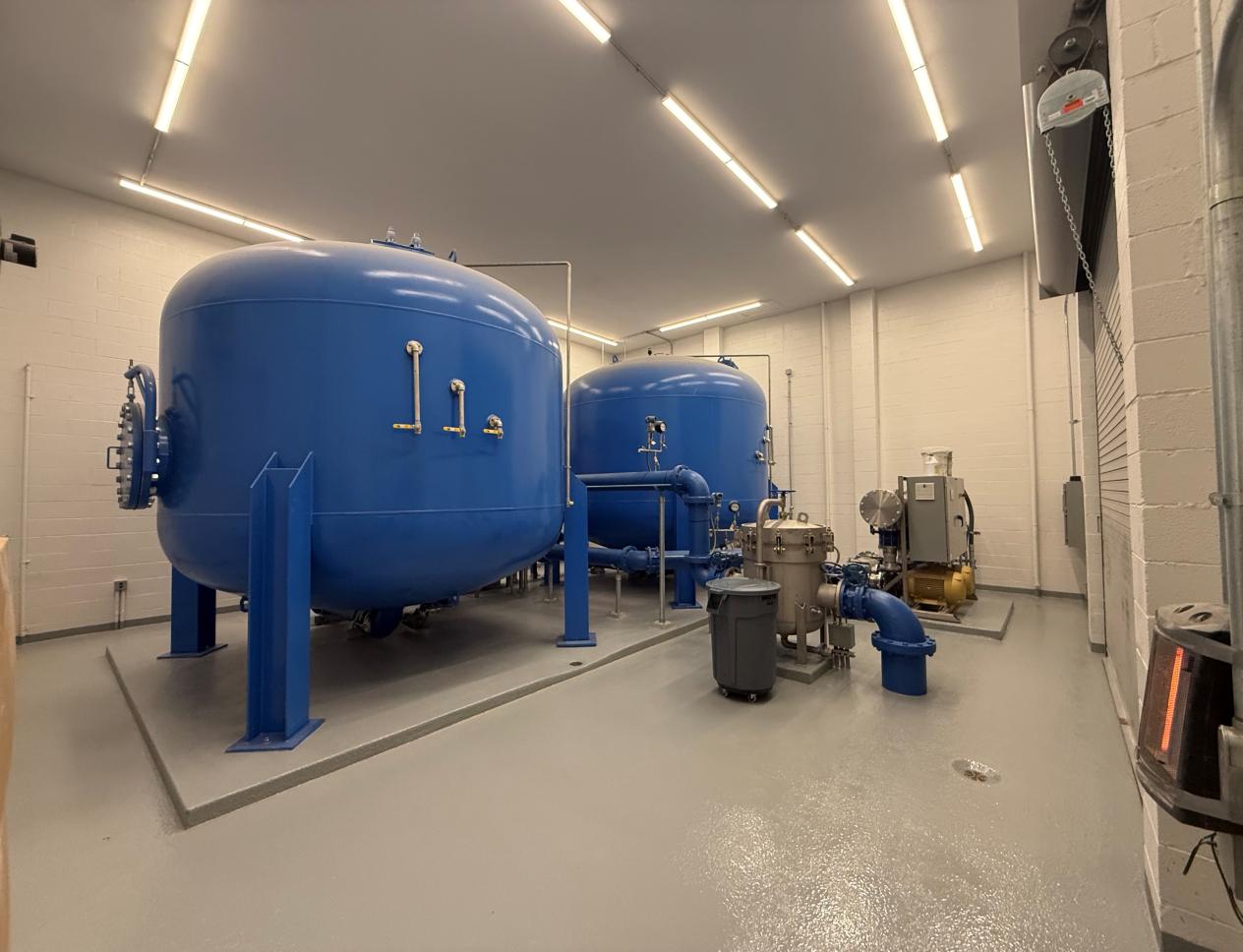
Aqua New Jersey is a state-regulated utility provider delivering water and wastewater services to approximately 175,000 residents in 11 New Jersey counties. As a subsidiary of Essential Utilities, it manages critical infrastructure, ensures compliance with strict NJ DEP safety standards, and provides essential billing and emergency support to residential and commercial customers across the Garden State.
Who is Aqua New Jersey?
Aqua New Jersey (often referred to simply as Aqua) is one of the largest investor-owned water utilities in the United States. In New Jersey, it operates as a localized subsidiary of its parent company, Essential Utilities, Inc. (formerly Aqua America). Unlike municipal water departments, which are run by local city or township governments, Aqua is a private entity regulated by the New Jersey Board of Public Utilities (BPU).
The company's primary mission is to provide reliable, safe drinking water and efficient wastewater treatment. In the 2026 operational landscape, Aqua New Jersey manages a complex network of wells, surface water treatment plants, and thousands of miles of underground piping. Because it is an investor-owned utility, its profit margins and service rates are strictly overseen by state regulators to ensure that infrastructure investments do not place an undue or arbitrary burden on the consumer.
The presence of Aqua in New Jersey is characterized by a "patchwork" service area. Rather than serving entire contiguous regions, Aqua typically serves specific municipalities or developments where they have acquired the rights to provide water service, often taking over older, failing municipal systems to modernize them with private capital.
Service Areas and Coverage in New Jersey
Aqua New Jersey does not serve the entire state but maintains a significant presence in several key counties. Their service territory is divided into various systems, each with its own specific water sources and infrastructure requirements.
As of 2026, Aqua New Jersey provides service to residents and businesses in the following counties:
- Sussex County: Serving several residential developments and townships.
- Warren County: Including the Phillipsburg area, which is one of their largest concentrations of customers.
- Hunterdon County: Targeted service areas in various townships.
- Morris County: Limited service areas in specific municipalities.
- Mercer County: Providing critical water and wastewater services to growing suburban corridors.
- Monmouth County: Serving several coastal and inland communities.
- Gloucester County: Significant operations in the southern portion of the state.
- Burlington and Camden Counties: Managing localized water systems in diverse residential neighborhoods.
It is important for residents moving into these counties to verify their specific provider, as one street may be served by Aqua while the next is served by New Jersey American Water or a municipal provider. This verification can usually be done via the property's closing documents or by visiting the Aqua Service Area map.
Understanding the Regulatory Framework: The NJ BPU
Because Aqua New Jersey is a monopoly provider in its designated service areas, it cannot set its own prices at will. Every rate increase, service fee change, or major infrastructure project must be vetted and approved by the New Jersey Board of Public Utilities (BPU).
The BPU acts as a watchdog for the consumer. When Aqua seeks a rate adjustment, they must submit a formal filing that justifies the need for additional revenue—typically to cover the costs of capital improvements like new treatment plants or pipe replacements. During these proceedings, the New Jersey Division of Rate Counsel represents the interests of the public, often challenging the utility’s requests to ensure that customers pay only what is necessary for safe, reliable service.
In 2026, the regulatory focus remains heavily on the "Water Quality Accountability Act," which requires utilities like Aqua to meet strict benchmarks regarding asset management and cyber-security of water systems. This regulatory oversight ensures that while Aqua is a for-profit entity, its operations are aligned with the public health and safety goals of the state.
Water Rates, Billing, and 2026 Pricing Structures
Water billing for Aqua New Jersey customers is generally divided into two main components: a fixed service charge and a volumetric consumption charge.
- Fixed Service Charge: This is a set monthly fee based on the size of your water meter (typically 5/8 inch for most residential homes). This fee covers the cost of maintaining the service line, meter reading, and billing administration, regardless of how much water you use.
- Volumetric Consumption Charge: This is the cost for the actual water consumed, measured in units (usually hundreds of cubic feet or gallons).
Summary of Typical Billing Components (Estimated 2026)
| Component | Description | Frequency |
|---|---|---|
| Facility/Service Charge | Covers infrastructure and fixed costs. | Monthly |
| Consumption Rate | Charged per 1,000 gallons or 100 cubic feet. | Monthly |
| Purchased Water Adjustment | Pass-through cost if Aqua buys water from another source. | Variable |
| Wastewater Fee | Only applicable if Aqua provides sewer services. | Monthly |
| NJ State Tax/Surcharges | Regulatory assessments required by the state. | Monthly |
Payment Options
Aqua offers several ways for New Jersey residents to manage their accounts:
- AquaVantage Portal: An online dashboard for paperless billing and usage tracking.
- Auto-Pay: Direct debit from a checking or savings account.
- Pay-by-Phone: A dedicated 24/7 automated line for credit card payments.
- Walk-in Locations: Limited third-party payment centers (like Western Union or specific grocery stores) may accept payments for a fee.
Water Quality and Safety Standards
One of the most critical aspects of Aqua’s operation in New Jersey is maintaining compliance with the Safe Drinking Water Act (SDWA) and the regulations set by the New Jersey Department of Environmental Protection (NJ DEP).
The Annual Water Quality Report
Every year, Aqua is required to publish a Consumer Confidence Report (CCR) for each of its water systems. This report provides a detailed breakdown of the minerals, elements, and potential contaminants detected in the water supply. In 2026, these reports are digitized and easily accessible by entering your zip code on the Aqua website.
Addressing PFAS and Emerging Contaminants
New Jersey has some of the strictest standards in the nation for "forever chemicals" known as PFAS (Per- and Polyfluoroalkyl Substances), including PFOA and PFOS. Aqua New Jersey has invested millions of dollars into advanced filtration systems—such as Granular Activated Carbon (GAC) and ion exchange resins—to ensure their water remains below the NJ DEP's stringent Maximum Contaminant Levels (MCLs).
Lead Service Line Replacement Mandate
In accordance with New Jersey law (P.L. 2021, c. 183), all water utilities in the state are mandated to identify and replace all lead service lines by the year 2031. As of 2026, Aqua New Jersey is in the peak phase of this replacement cycle.
- Identification: Aqua uses historical records and physical inspections to find lead pipes.
- Replacement: The company replaces the utility-owned portion and the customer-owned portion of the lead line at no direct immediate cost to the individual homeowner, though the costs are eventually recovered through the general rate base.
Infrastructure and Investment Projects
In 2026, much of the "explanation" for your water bill lies in infrastructure investment. Aging infrastructure is the primary challenge for water companies in the Northeast. Aqua New Jersey manages a multi-year capital improvement plan that focuses on three main areas:
- Water Main Replacement: Replacing old cast-iron pipes with modern ductile iron or plastic piping to reduce water loss through leaks and prevent water main breaks.
- Treatment Plant Modernization: Upgrading pumps, motors, and digital control systems to increase energy efficiency and reliability.
- Storage Tank Maintenance: Periodically cleaning, painting, and retrofitting water storage towers to ensure adequate pressure for fire protection and peak morning usage.
These projects are often disruptive, involving road closures and temporary water shutdowns. Aqua typically provides notice via their "WaterSmart" alert system, which sends text or email notifications to residents affected by planned work.
Managing Your Aqua Account: A Practical Guide
For new or existing residents, managing the relationship with Aqua is relatively straightforward but requires attention to the online tools provided.
Starting or Transferring Service
If you are moving into an area served by Aqua, you must contact them at least several days before your closing or lease start date. You will need to provide:
- The service address.
- Legal name and contact information.
- Social Security Number for an identity check (some deposits may be required if credit history is insufficient).
- Date the service should be transferred into your name.
Reading Your Meter
Most Aqua customers in New Jersey now have Automated Meter Reading (AMR) or Advanced Metering Infrastructure (AMI). These systems use radio frequencies or cellular signals to transmit your usage data directly to the company. This eliminates the need for estimated bills and ensures that you are only charged for what you actually use.
If you suspect a leak, you can check your meter (usually located in the basement or a meter pit near the curb). Most modern digital meters have a "leak detector" icon (often a small faucet or triangle) that flashes if water is flowing continuously for a 24-hour period.
Emergency Procedures and Reporting Issues
Water emergencies can happen at any time. Aqua New Jersey maintains a 24/7 emergency dispatch center. Residents should contact the emergency line immediately for:
- Water Main Breaks: Large volumes of water bubbling up from the street or sidewalk.
- No Water Service: Sudden loss of pressure or complete lack of water.
- Water Quality Changes: Significant discoloration (brown or "rusty" water) or unusual odors.
Emergency Contact Number: 877.987.2782
In the event of a "Boil Water Advisory," Aqua is required to notify customers via local media, their website, and direct alerts. During these events, water must be brought to a rolling boil for at least one minute before being used for drinking, cooking, or brushing teeth.
Environmental Stewardship and Conservation
In 2026, water conservation is a priority in New Jersey, especially during the hot summer months when "drought watches" are common. Aqua promotes several conservation initiatives to help customers lower their bills and protect the local watershed:
- Outdoor Watering Restrictions: Depending on the region, Aqua may enforce odd/even watering days to manage peak demand.
- Rebate Programs: In some service areas, Aqua offers incentives for installing high-efficiency toilets or smart irrigation controllers.
- Watershed Protection: Aqua manages thousands of acres of land surrounding their reservoirs to prevent runoff and pollution from entering the raw water supply.
FAQ
How do I find out if Aqua provides my water?
The fastest way is to use the address search tool on the Aqua Water website. You can also look at the water meter in your home; it often has the company's name or logo on the dial cover. If you are a renter, your landlord or the local municipal clerk can confirm the provider.
Why is my Aqua water bill higher than my neighbor’s in another town?
Water rates are based on the specific costs of the "system" serving your area. Some systems require more expensive treatment (such as removing specific minerals) or have older pipes that require more frequent repairs. Additionally, if your neighbor is served by a municipal system, their rates might be subsidized by local property taxes, whereas Aqua’s rates reflect the full cost of service.
Is Aqua water safe to drink directly from the tap?
Yes, Aqua water meets or exceeds all federal EPA and state NJ DEP standards. The company conducts thousands of tests annually for hundreds of different substances. If you have concerns about the plumbing inside your older home (such as lead solder), you may choose to use a certified point-of-use filter.
What should I do if I can’t pay my water bill?
Aqua New Jersey participates in the H2O Help to Others program. This program provides financial assistance to qualifying low-income customers. Additionally, the state of New Jersey often has "Low Income Household Water Assistance Programs" (LIHWAP) that can provide one-time grants to prevent service disconnection.
Does Aqua New Jersey handle my sewer/trash too?
In some municipalities, Aqua provides both water and wastewater (sewer) services. However, they do not handle trash or recycling. If they provide your sewer service, it will typically appear as a separate line item on your monthly water bill, often calculated based on your winter water usage.
Final Recommendations for Residents
To make the most of your service with Aqua New Jersey in 2026, it is highly recommended to register for an online account and sign up for WaterSmart alerts. These tools provide the transparency needed to monitor your usage, catch leaks early, and stay informed about local infrastructure projects that might affect your daily commute or water pressure. If you are buying a home, always request a "final meter reading" to ensure you aren't paying for the previous owner's consumption. Lastly, stay engaged with the NJ BPU public hearings if you wish to have a voice in how water rates are determined in your community.