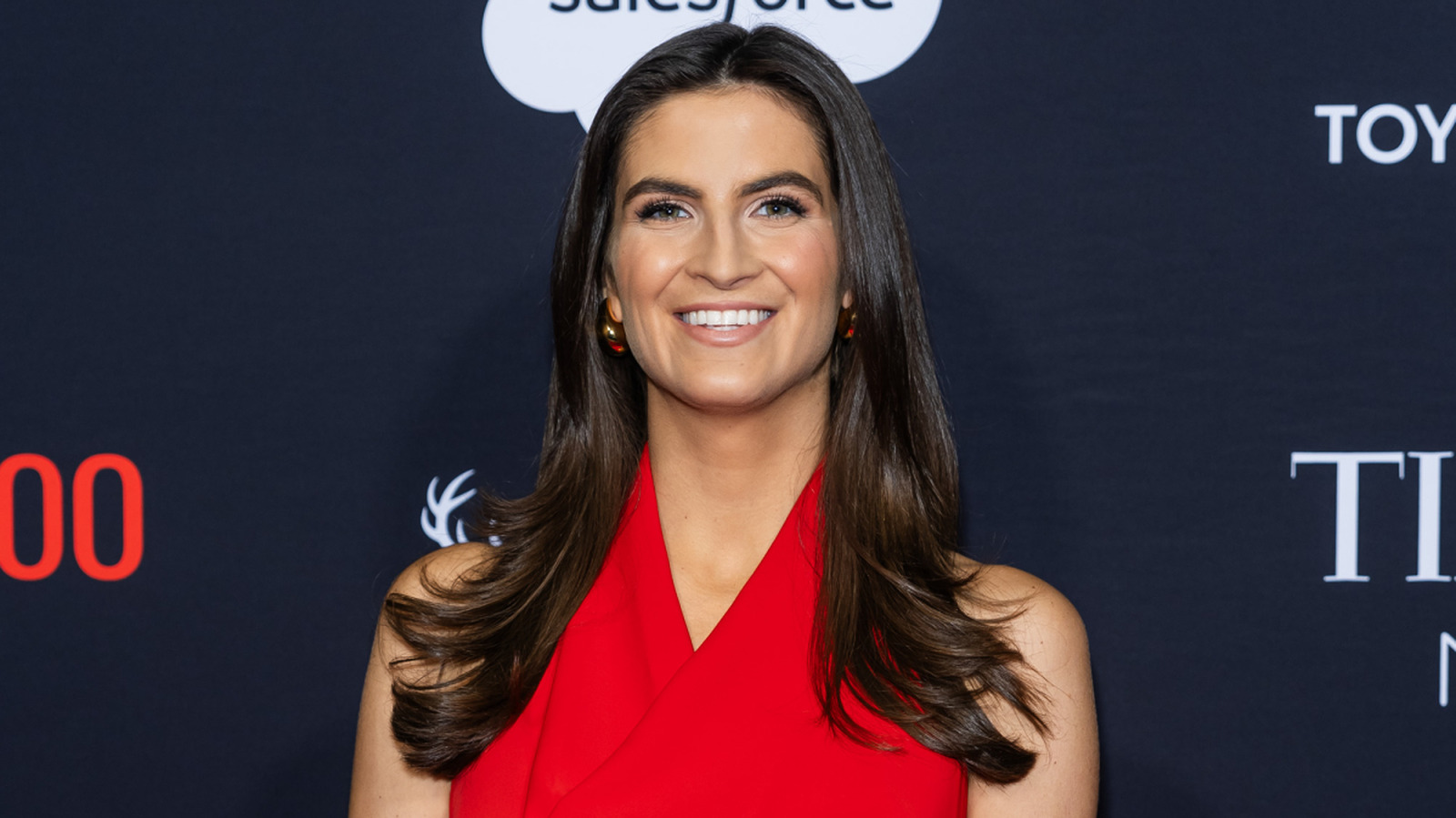
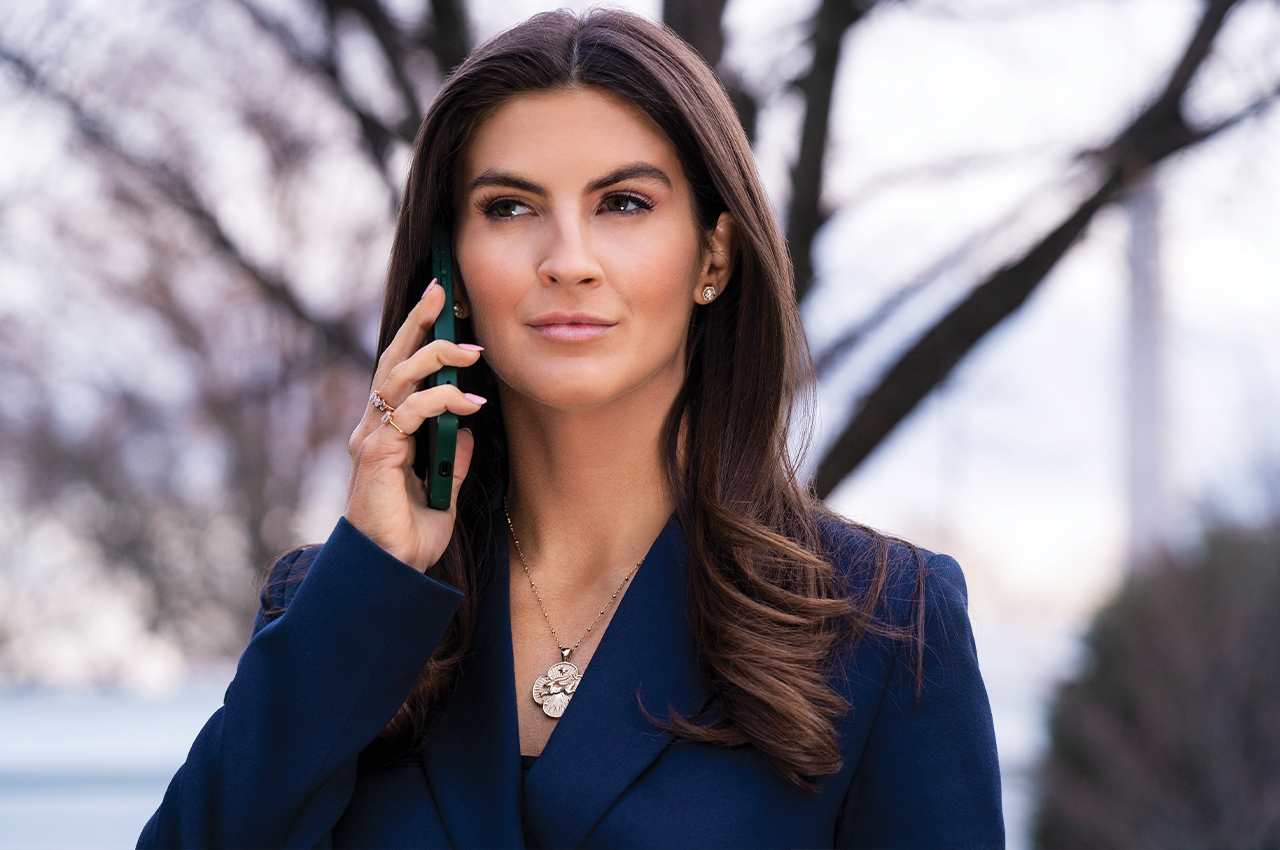
Kaitlan Collins is an American citizen. Born and raised in the United States, she holds U.S. citizenship by birth. As a prominent journalist and television anchor, her professional career has been centered within the American media landscape, particularly through her work as a White House correspondent and prime-time anchor for CNN.
The Background of Kaitlan Collins
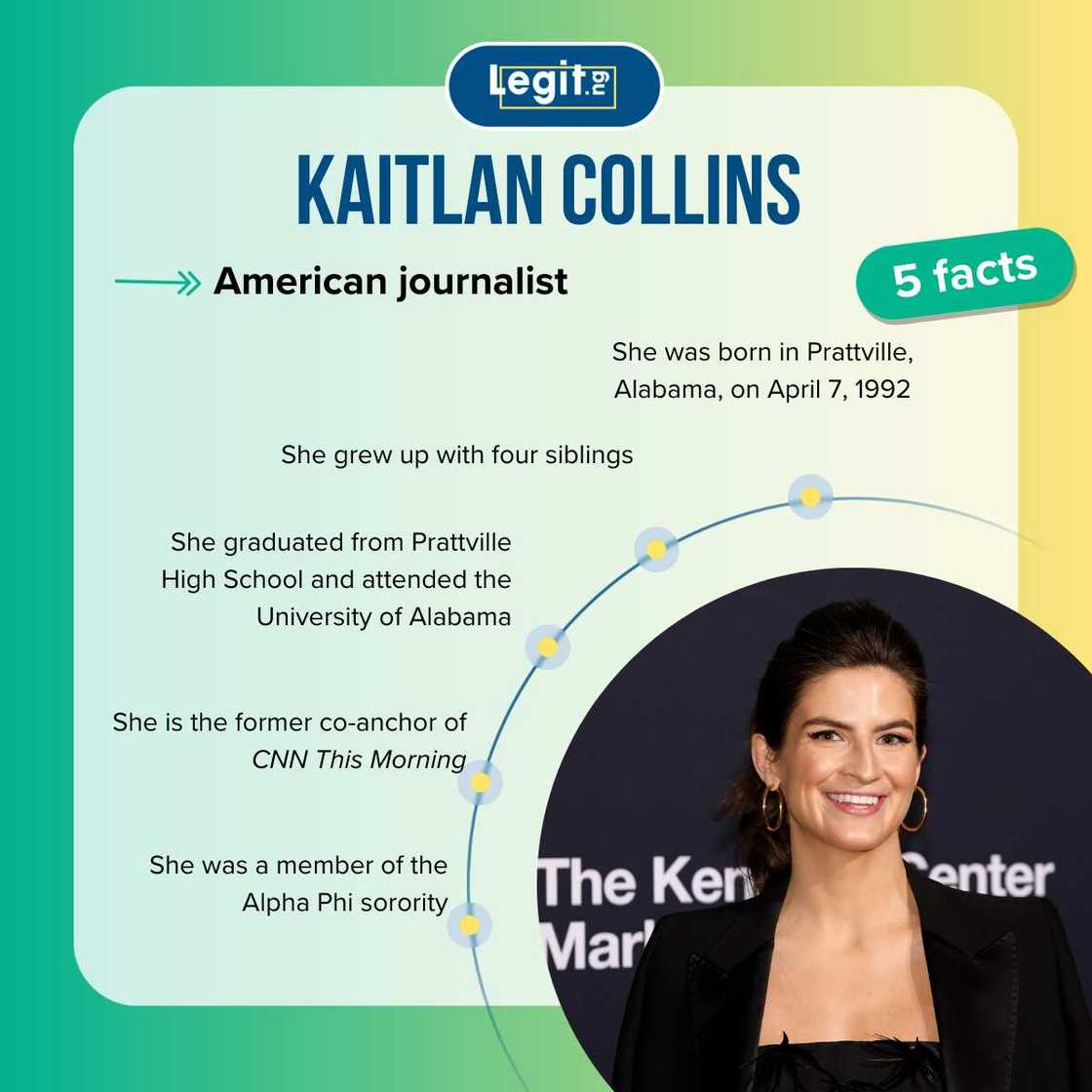
Kaitlan Collins is a widely recognized figure in contemporary American political journalism. To understand her nationality, one must look at her birthplace and her trajectory through the American educational and professional systems. She was born in Alabama, a state in the southeastern region of the United States. Her upbringing in Alabama provided the foundational environment that eventually led her to pursue a career in journalism and political science.
The distinction of nationality for public figures often arises from curiosity regarding their cultural heritage or the breadth of their international experience. In the case of Collins, her identity is firmly rooted in the United States. She attended the University of Alabama, where she graduated with a Bachelor of Arts degree in political science and journalism. This academic path, focused on the structures of the American government and the practice of media within the U.S. framework, aligns with her career as a reporter covering the nuances of domestic and foreign policy from the perspective of an American correspondent.
Defining American Citizenship
Under the Fourteenth Amendment to the United States Constitution, individuals born within the territory of the United States are granted citizenship by birth, often referred to as jus soli or "right of the soil." Kaitlan Collins fits this criterion perfectly. Her status as an American citizen is a matter of legal record, consistent with her birth in the United States.
For many followers of political media, questions about a reporter's nationality are often conflated with questions about their reporting style, their upbringing, or their neutrality. However, the legal definition of nationality remains distinct from an individual's editorial focus. Collins has spent her professional life reporting on the U.S. government, including covering the administrations of President Donald Trump and President Joe Biden. Her work requires a deep understanding of U.S. federal statutes, executive orders, and the legislative processes of the American Congress, all of which are subjects generally addressed by domestic journalists.
Professional Context and Media Presence
Kaitlan Collins rose to prominence rapidly in the field of journalism. Her tenure as a White House correspondent placed her at the center of the American political process. This role demands a specific type of expertise: the ability to analyze and communicate complex policy shifts and political maneuvering to an American audience.
Her professional journey includes several key milestones that underscore her standing as a domestic journalist:
- Early Reporting: She began her career with The Daily Caller, where she covered political news and developed the investigative skills that would later define her style.
- Transition to CNN: She joined CNN in 2017. Her progression from White House reporter to lead anchor reflects a significant career trajectory within a major American news network.
- Prime-Time Anchoring: As of 2026, her role as a primary host on CNN’s evening programming involves synthesizing daily political events for a national audience, further cementing her identity as a domestic journalist reporting for an American public.
Geographic and Cultural Context
While Kaitlan Collins is American, her Southern upbringing in Alabama has occasionally been noted in profiles regarding her career. The American South has a distinct cultural and historical identity that often influences the perspective of those who grew up there. This regional nuance, however, does not alter the fundamental legal fact of her nationality.
In the context of American journalism, reporters often bring a variety of regional experiences to the national newsroom. These experiences can influence their approach to interviewing, their understanding of the diverse constituencies across the U.S., and their ability to relate to stories that originate outside of the coastal media hubs like Washington, D.C., or New York City.
Comparing Professional Roles and Backgrounds
To better understand the niche that figures like Kaitlan Collins occupy, it is helpful to look at the professional standards expected of high-level political correspondents in the United States.
| Aspect | Description |
|---|---|
| Citizenship | American (by birth) |
| Primary Beat | Federal Government and Politics |
| Educational Focus | Political Science and Journalism (University of Alabama) |
| Professional Scope | Domestic policy, White House relations, national elections |
| Reporting Style | Investigative, fast-paced, direct inquiry |
This table highlights that while audiences may search for "nationality," the underlying intent often relates to the journalist's connection to the political power structures they cover. The intersection of citizenship and professional mandate is a common focal point in political media analysis.
Why Nationality Matters in Political Reporting
In the United States, the question of a journalist's nationality is sometimes conflated with the concept of bias. Viewers may perceive a reporter's focus on specific issues as an indicator of their personal background or origin. However, professional standards for major news networks, including those practiced by CNN, emphasize the importance of neutral reporting regardless of personal background.
For a journalist like Kaitlan Collins, the expectation is that her reporting is guided by the ethics of journalism rather than the particulars of her national or regional heritage. Her work is subject to the scrutiny of the American public, and her adherence to the facts of the political beat remains the primary metric of her success.
Common Misconceptions Regarding Public Figures
It is not uncommon for search queries regarding the nationality of public figures to be driven by speculation rather than fact. In an era of globalized media, audiences often assume that prominent personalities may have dual citizenship or international origins. In the case of Kaitlan Collins, the facts are straightforward.
Some factors that lead to these queries include:
- Name Origin: Names that do not immediately suggest a specific heritage or that sound uncommon can occasionally trigger curiosity.
- Professional Travels: As a high-profile journalist, she frequently travels for assignments. International travel can sometimes be misinterpreted by casual observers as being based or originating from outside the U.S.
- Ambiguous Social Media Discourse: Unverified online rumors or fan-generated content often circulate inaccuracies about the personal lives of public figures.
It is important to rely on verified biographical data. Official records regarding her birth in Alabama and her public career trajectory provide the only accurate basis for understanding her background.
Next Actions for Readers
If you are researching Kaitlan Collins for academic or professional purposes, you should prioritize primary sources such as her official network biography or verified press releases from CNN. Avoid relying on unofficial fan sites or social media threads that may speculate on personal details.
If you are looking to understand her specific impact on journalism, look into the transcripts of her interviews with government officials or her documented reporting during major legislative events. These sources will provide a clearer picture of her professional contribution to the American news cycle than searches regarding her personal biographical data.
Frequently Asked Questions
Is Kaitlan Collins a citizen of another country? No. Kaitlan Collins is an American citizen. There is no evidence to suggest she holds citizenship in any country other than the United States.
Did Kaitlan Collins study abroad? While her professional career has taken her to various locations for reporting, her foundational education was completed at the University of Alabama, a public research university in the United States.
How does her nationality influence her reporting? Nationality does not dictate the editorial stance of professional journalists. Kaitlan Collins’s reporting is defined by her adherence to journalistic standards and the requirements of her role at CNN, rather than by her status as a U.S. citizen.
Is Kaitlan Collins considered an investigative journalist? Yes, her background includes a strong emphasis on investigative work. She is known for her direct questioning style, particularly during her time covering the White House, where she gained a reputation for pressing officials for clear answers.
Where can I find official information about her career? Official information regarding her role, titles, and professional history can be found on the CNN press room website or her official professional profiles linked through the network’s corporate pages.
What is the significance of her background in Alabama? Her Alabama background is part of her personal history, but it is primarily cited in profiles to provide context for her early life. It is standard for media profiles to detail the birthplace and educational background of prominent correspondents to give readers a sense of their journey to national prominence.
Conclusion and Recommendations
When investigating the background of public figures, accuracy is paramount. Kaitlan Collins’s nationality is unequivocally American, a fact established by her birth in the United States and supported by her entire professional career within American media. For those following her work, the most meaningful way to engage is through her reporting and the analysis she provides on the current state of American politics in 2026. Prioritize official network bios and primary reporting footage to ensure that you are gathering information from reliable and verified sources.