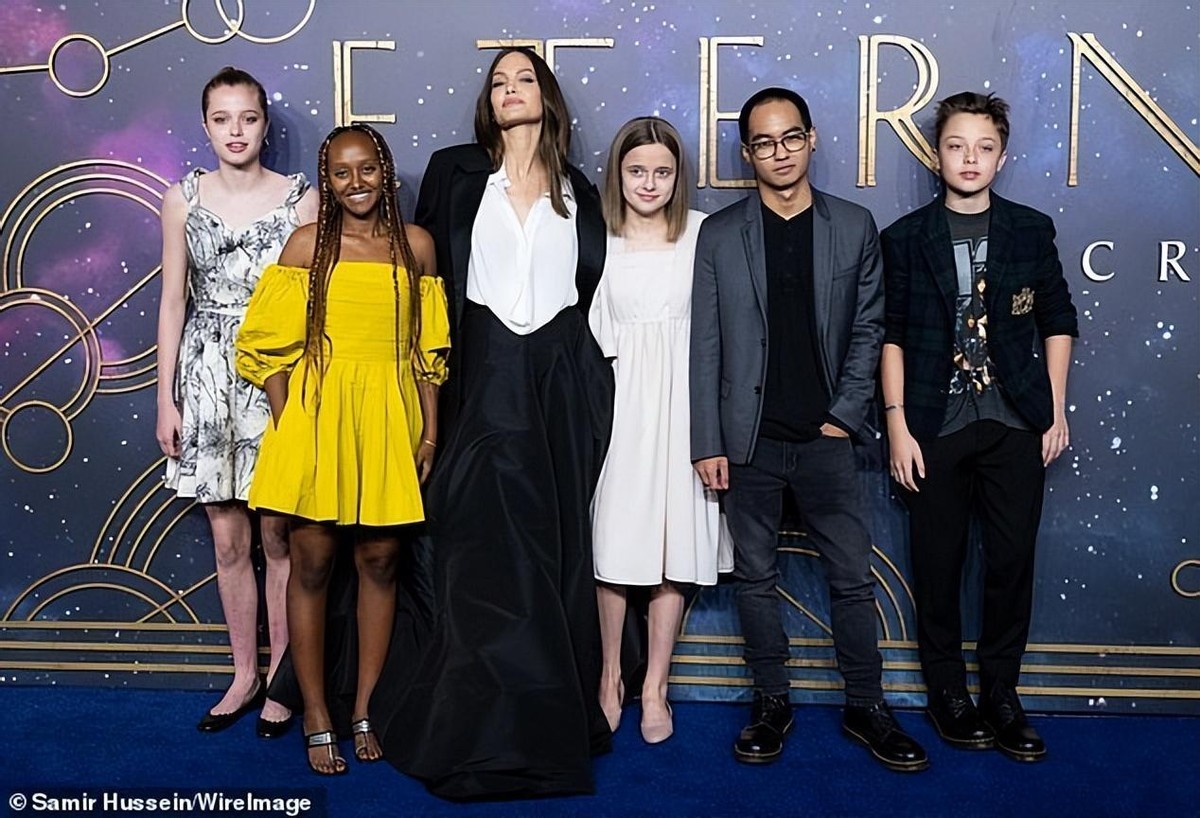
Angelina Jolie is widely regarded as a "Deep Winter" in the seasonal color analysis system. Her appearance is defined by high-contrast features, cool undertones, and a natural intensity that allows her to carry saturated, jewel-toned palettes and stark monochrome combinations that would overwhelm individuals with lighter or more muted color profiles.
Understanding the Seasonal Color Analysis System
Seasonal color analysis is a system used to determine which colors best harmonize with an individual's natural skin tone, eye color, and hair color. The framework is derived from the work of Johannes Itten and further popularized in the 1980s by Suzanne Caygill and Carole Jackson. By categorizing individuals into one of four primary seasons—Spring, Summer, Autumn, or Winter—and then into sub-seasons based on contrast and depth, the system provides a roadmap for selecting clothing, makeup, and hair colors that enhance one’s natural appearance.
The core principle involves identifying whether a person’s undertones are cool (blue-based) or warm (yellow-based) and whether their overall coloring is light, deep, clear, or muted. When a person wears colors that align with their seasonal palette, the skin appears more even, eyes seem brighter, and overall features look balanced. Wearing colors that clash with one's natural season often results in a washed-out complexion or an appearance that emphasizes shadows and imperfections.
Why Angelina Jolie Fits the Deep Winter Category
To understand why Angelina Jolie is classified as a Deep Winter, one must examine the interaction between her skin, hair, and eyes. A Deep Winter is characterized by high contrast between the skin and hair, with cool undertones that may also lean slightly neutral.
- Skin Tone: Jolie possesses a clear, cool-toned complexion. While she has experimented with various hair colors throughout her career, her natural hair is a deep, dark brown, which provides a high degree of contrast against her skin.
- Eye Color: Her eyes are a striking blue-green-gray. The intensity of her iris color, combined with the dark limbal ring (the outer border of the iris), is a hallmark of the Winter profile.
- Contrast Levels: The most significant indicator of her season is the stark contrast between her dark features and her skin. Winters are the only season that can truly "own" black without it looking heavy or aging. Jolie’s ability to wear sharp, saturated colors—such as emerald green, royal blue, and pure white—without those colors dominating her face confirms her position in the Winter category.
The Deep Winter Palette: Characteristics and Application
The Deep Winter palette is defined by depth and intensity. Because this sub-season sits on the border of Autumn (the "Deep" influence), it can handle a slightly wider range of intensity than a "Clear Winter." However, the overriding requirement for a Deep Winter is a cool base.
Defining Characteristics of the Palette
- Cool and Saturated: The primary colors in this palette are jewel-toned. Think sapphires, rubies, and deep, dark emeralds.
- High Contrast: The palette relies on the combination of very light (like ice white or icy silver) and very dark (black, charcoal, navy) shades.
- Avoidance of Warmth: Muted, earthy, or overly golden tones are generally avoided. Colors such as mustard yellow, warm olive, or brownish-oranges can make a Deep Winter appear jaundiced or tired.
Clothing and Style Choices
When analyzing Jolie’s red carpet appearances over the last two decades, her most successful looks consistently leverage the Deep Winter palette. She frequently favors classic black floor-length gowns, which provide a clean, high-contrast silhouette. When she transitions away from black, she gravitates toward deep, cool-toned saturated hues like navy or dark burgundy.
The effectiveness of these choices lies in how they frame her face. Because her features are naturally sharp and high-contrast, the clothing acts as a supporting element rather than a distraction. If she were to wear soft, pastel, or muted autumn tones, the lack of color intensity would cause her features to fade.
Comparison of Seasonal Profiles
To better illustrate where Jolie fits, it is helpful to compare the Deep Winter profile against other common seasonal classifications.
| Season | Primary Descriptor | Key Characteristics | Contrast Level |
|---|---|---|---|
| Deep Winter | Saturated/Cool | Dark hair, high contrast, cool base | Very High |
| Clear Spring | Bright/Warm | Bright, clear eyes, warm undertones | High |
| Soft Summer | Muted/Cool | Low-to-medium contrast, soft features | Low |
| Deep Autumn | Deep/Warm | Dark, rich features, warm undertones | Medium-High |
As shown in the table, the distinction between Deep Winter and Deep Autumn is subtle. Both possess depth, but the critical difference is the temperature of the pigment. While a Deep Autumn would look radiant in a warm, brick-red, that same color would clash with the cool, blue-based skin of a Deep Winter.
Makeup and Hair Color Considerations
For an individual with a Deep Winter palette, makeup choices should prioritize definition and cool-toned pigments.
- Lip Color: True reds, deep berries, and cool-toned plums are ideal. Avoid peachy or orange-based nudes, which will clash with the cool undertones of the skin.
- Eye Makeup: Charcoal, slate, and navy liners are far more effective than brown liners. A classic smokey eye in black or deep gray aligns perfectly with the seasonal requirements.
- Hair Color: Jolie has moved between different shades of brown and blonde. Her most "harmonious" hair colors are consistently dark, cool-toned browns or jet-blacks. When she opts for lighter shades, they often lean toward platinum or ash-blonde—shades that maintain a cool temperature—rather than honey or golden blonde, which can introduce unwanted yellow tones to her complexion.
Common Misconceptions in Color Analysis
A frequent mistake in analyzing celebrity color seasons is focusing on hair color rather than inherent skin and eye characteristics. Many observers mistakenly assume that anyone with dark hair is a "Winter" or that anyone with light hair is a "Summer."
In reality, seasonal analysis is about the undertone. An individual can dye their hair any color, but their skin’s undertone remains constant. Because Jolie’s skin is naturally cool-toned, her "seasonal home" remains the Winter category regardless of whether her hair is dyed a light shade. However, her overall aesthetic is noticeably stronger and more refined when her hair color is deep and dark, as it restores the natural high-contrast balance of her face.
Next Steps: Identifying Your Own Season
If you are inspired by Angelina Jolie’s seasonal profile to identify your own, follow these steps to verify your characteristics:
- Draping Test: Use fabrics of different colors (specifically, pure white vs. cream; hot pink vs. coral) held up to your face in natural daylight. Observe which color makes your skin tone look even and reduces the appearance of shadows under your eyes.
- Evaluate Undertones: Look at the veins on the inside of your wrist. If they appear blue or purple, you likely have cool undertones. If they appear green or olive, you likely have warm undertones.
- Contrast Assessment: Consider the difference between the color of your hair, eyes, and skin. If there is a sharp difference (e.g., dark hair, light skin, bright eyes), you are likely in a high-contrast season like Winter or Spring.
- Consultation: For a professional, objective result, consider booking a session with a certified color analyst who uses physical drapes rather than digital filters, as screens often distort color accuracy.
Frequently Asked Questions
Does wearing your correct color season actually matter? Yes, it matters in terms of visual balance. Wearing colors within your natural seasonal harmony ensures that you appear vibrant and healthy. When you wear colors that conflict with your skin's undertones, the color competes with your face, often casting shadows that highlight dark circles or uneven skin texture.
Can a Deep Winter ever wear warmer colors? While the goal of seasonal analysis is to optimize your wardrobe, fashion is personal. If you love a warm-toned garment, you can make it work by using accessories or makeup that balance the temperature. For example, a Deep Winter wearing a warm-toned dress can wear a cool-toned lipstick or a silver necklace to pull the overall look back toward a neutral or cool balance.
Are celebrities always accurately typed by the public? Not always. Public opinion is often based on red carpet lighting or heavy makeup, which can obscure natural coloring. Professional analysis requires assessing an individual without artificial tanning, heavy foundation, or colored contact lenses. Angelina Jolie’s classification as a Deep Winter is highly consistent due to her visible features in high-definition photography over many years.
Does age change your color season? No, your seasonal color palette is determined by your natural coloring, which does not change throughout your life. However, as skin loses some of its natural pigment or becomes more translucent with age, you may find that the extreme intensity of your palette requires slight adjustments, such as opting for slightly softer versions of your best colors.
Is Deep Winter the same as "True Winter"? They are related but distinct. A "True Winter" is purely cool and bright. A "Deep Winter" has a secondary influence from the Autumn season, meaning they can handle slightly deeper, slightly less "sharp" colors than a True Winter, though they must still adhere to the cool-toned foundation.
Final Recommendation
To mirror the sophistication of Angelina Jolie’s style, focus on building a core wardrobe around high-contrast, cool-toned neutrals like charcoal, navy, and true black. Prioritize jewel tones such as deep amethyst or royal blue for statement pieces. When selecting makeup, favor berry-toned lipsticks and cool-gray eyeshadows. By adhering to the Deep Winter palette, you ensure that your wardrobe complements your natural features, creating a cohesive, high-impact aesthetic that works in harmony with your natural coloring.