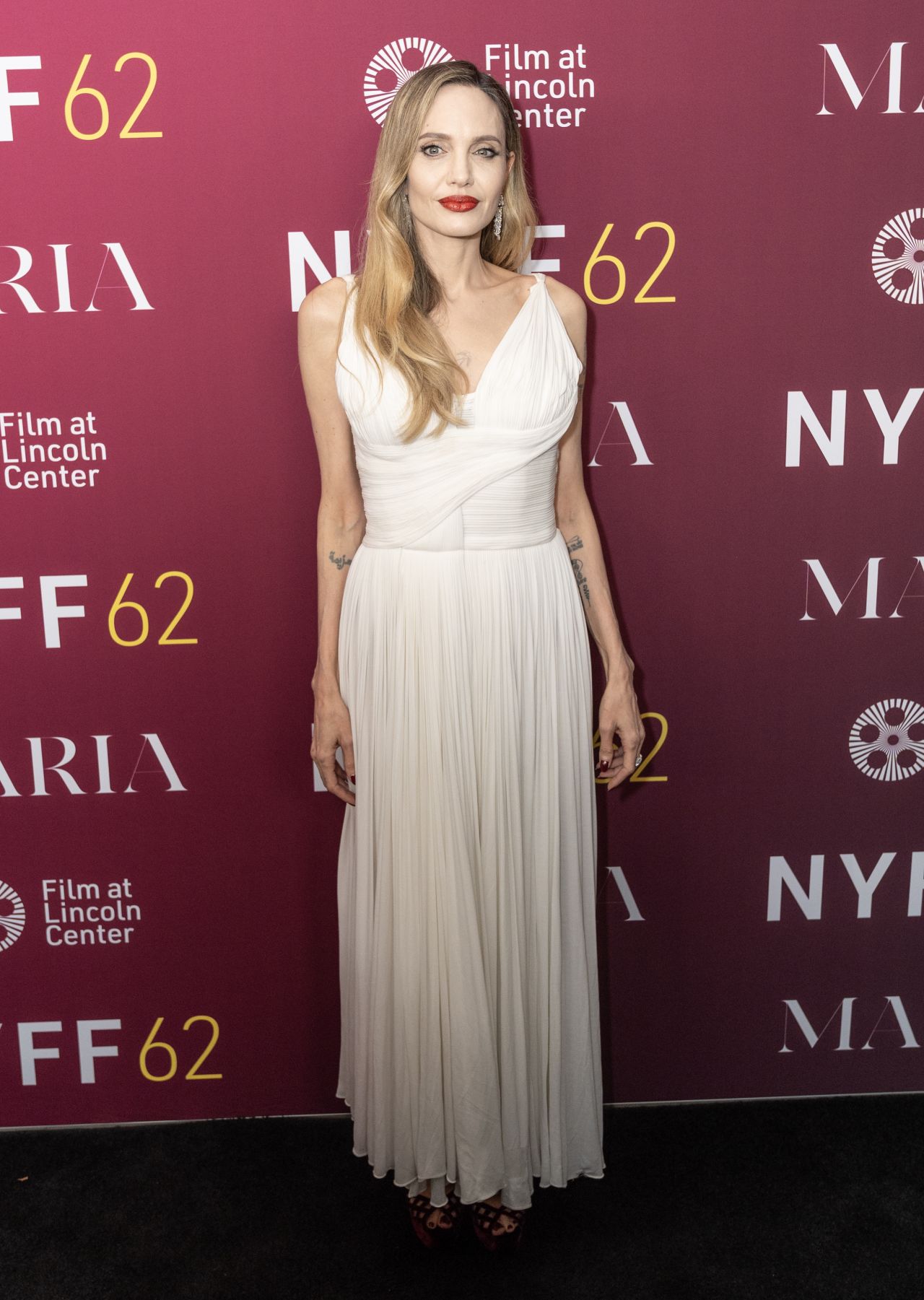
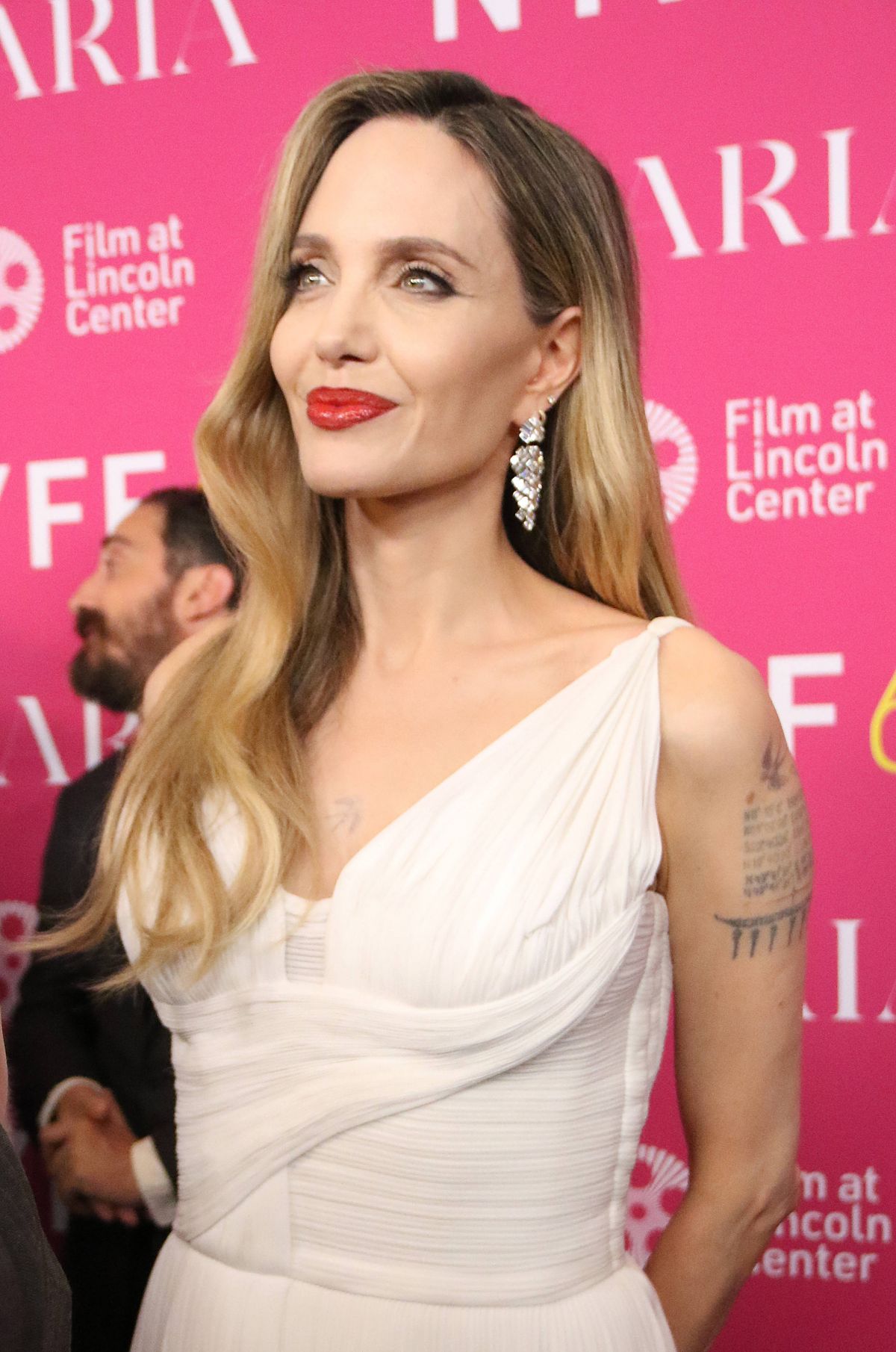
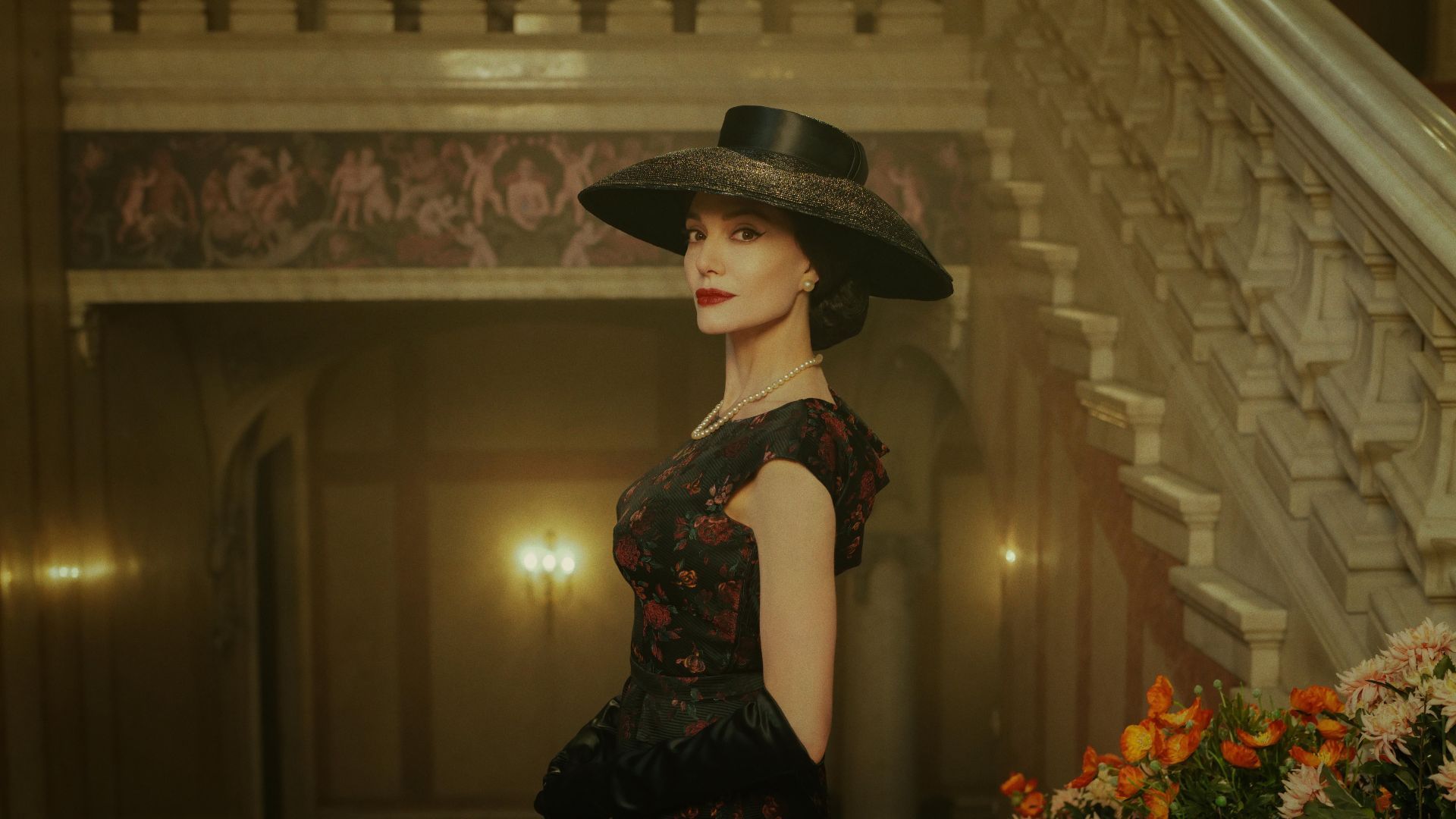
As of 2026, Angelina Jolie’s most recent major cinematic project is Maria, a biographical drama directed by Pablo Larraín. In this film, Jolie portrays the legendary opera singer Maria Callas during her final days in 1970s Paris. The production explores the intersection of the artist’s public legacy and her isolated, private struggle, marking a significant return to character-driven biographical cinema for the actress.
The Scope of the Production
Maria serves as the final installment in Pablo Larraín’s unofficial trilogy exploring iconic 20th-century women, following Jackie (2016) and Spencer (2021). For audiences seeking to understand the scope of the film, it is essential to view it as a psychological character study rather than a traditional, chronological biopic. The narrative focuses primarily on the twilight of Callas’s life, utilizing a nonlinear structure to weave in memories of her operatic triumphs and the personal turmoil that defined her later years.
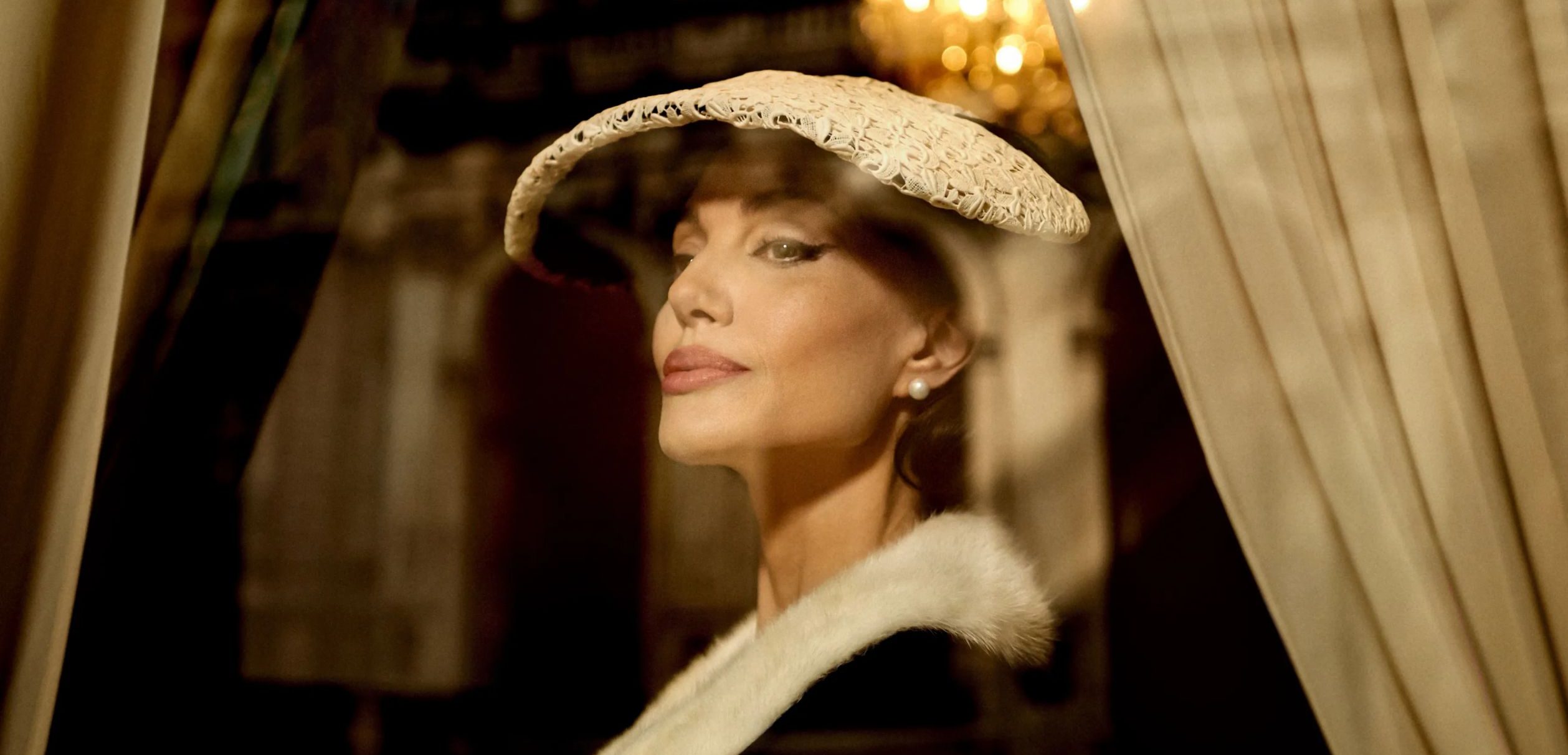
The film distinguishes itself through its aesthetic approach. Much like Larraín’s previous works, the visual language is deliberate, emphasizing claustrophobia and the surreal nature of fame. Jolie’s involvement was central to the production’s development, as the project relied heavily on the star’s ability to embody the fragility and intensity associated with Callas. For those interested in the technical aspects of the film, it was produced with a focus on immersive sound design, ensuring that the operatic sequences remain a cornerstone of the viewer’s experience.
Plot Context and Historical Foundation
The narrative is set in Paris, 1977. Maria Callas, often referred to as "La Divina," is depicted in a state of self-imposed seclusion. The script, penned by Steven Knight, addresses the complex relationship between Callas’s public persona—the most famous opera singer in the world—and the woman grappling with her declining voice, loneliness, and the memory of past relationships, including her high-profile affair with Aristotle Onassis.
Understanding the historical backdrop is key to navigating the film’s tone. The 1970s represented a period where the media’s treatment of celebrity began to shift, and the film leans into this by portraying the paparazzi and public scrutiny as a constant, intrusive force in Callas’s life. It is not a documentary of her career; it is a meditation on the cost of artistic perfection and the erosion of identity when the "diva" mask is removed.
Comparative Analysis: Recent Roles and Artistic Direction
To place Maria within the broader context of Angelina Jolie’s filmography, it is helpful to contrast this performance with her recent work. The following table provides a comparison of recent roles to illustrate the shift in her selection of material.
| Film Title | Year | Genre | Focus |
|---|---|---|---|
| Those Who Wish Me Dead | 2021 | Action/Thriller | High-stakes survival and physical prowess. |
| Eternals | 2021 | Superhero/Action | Ensemble-driven, global scale, mythical lore. |
| Maria | 2024 | Biographical Drama | Psychological intimacy and vocal performance. |
| Without Blood | 2024 | Drama/War | Directing and production-focused exploration of trauma. |
As seen in this data, Maria represents a departure from the action-heavy or ensemble-based films that dominated the early 2020s. It signals a move toward roles that demand a singular, concentrated performance, often involving a mix of period-accurate styling and intense emotional heavy lifting.
Artistic Preparation: Vocal Training and Transformation
One of the most frequently asked questions regarding Jolie’s performance is the preparation required to portray a world-class opera singer. The production invested significant resources into vocal training. While the film blends Jolie’s own voice with original recordings of Maria Callas to achieve a seamless sonic profile, the physical act of singing—the diaphragm control, the jaw tension, and the posturing—was a subject of rigorous study for the actress.
The transformation involved more than just technical singing skills; it required an understanding of the 1970s aesthetic. Costume designers and makeup artists collaborated to reflect the specific style of the era, focusing on a look that felt lived-in and weary rather than purely glamorous. This commitment to verisimilitude ensures that the audience remains grounded in the 1970s setting, avoiding the trap of modernizing a historical figure for contemporary appeal.
How to Access and View the Film
As of 2026, the film is widely available on major digital streaming platforms and through home media distribution. Depending on your region, you may find the title on services that hold exclusive distribution rights for streaming or via digital storefronts where it can be rented or purchased individually.
- Verification: Check your local streaming aggregation sites to see which specific platform currently hosts the film in your country, as licensing agreements can vary by territory.
- Hardware Requirements: Given the emphasis on the operatic score and high-definition cinematography, ensure your display settings are adjusted to cinematic modes if possible. Using external soundbars or high-fidelity headphones is highly recommended to capture the nuance of the film’s sound mix.
- Cost Considerations: Digital rentals generally follow standard industry pricing models, while subscription services may offer it as part of a monthly library fee. Be aware of regional pricing differences.
Addressing Common Audience Inquiries
Is this a documentary about Maria Callas? No, it is a fictionalized biographical drama. While it is based on historical events and the life of Callas, the screenplay utilizes creative license to explore her emotional state in her final days, meaning it prioritizes thematic resonance over objective historical record.
Do I need to be an opera fan to enjoy the film? Not necessarily. While the film features significant operatic segments, the core of the story is the psychological exploration of a woman grappling with her past. The music serves as a narrative device to illustrate her inner world, rather than acting as a barrier to understanding the plot.
What is the age rating for the film? The film is generally rated for adult audiences due to its thematic elements, which include drug use, intense emotional distress, and complex adult relationships. Check your local ratings board for specific regional guidelines.
Does Angelina Jolie sing throughout the entire film? The film utilizes a hybrid approach. It incorporates the original archival recordings of Maria Callas to preserve the authenticity of the singer’s voice, blended with Jolie’s own vocal performance for specific scenes. This technique is standard in modern musical biopics to ensure vocal accuracy without sacrificing the acting performance.
Will there be a sequel or further exploration of this subject? There are no plans for a sequel. Maria was designed as a self-contained cinematic exploration of a specific, defined period in Callas’s life.
Practical Recommendations for Viewers
For those planning to watch Maria, consider the following steps to enhance your viewing experience:
- Contextualize: Before starting the film, read a brief overview of Maria Callas’s career trajectory, specifically her final years in Paris. Having a baseline understanding of her status as an icon of the 20th century will make the film’s subtle visual cues more impactful.
- Environment: This film is a slow-burn psychological drama. Viewing it in an environment with minimal distractions will help you engage with the dense, atmospheric sound design.
- Post-Film Reflection: After viewing, look for interviews with the production team regarding the film’s specific visual language. Understanding the "Why" behind the directorial choices—such as the use of particular color palettes or the framing of the scenes—often transforms a second viewing into a much richer experience.
Ultimately, Angelina Jolie’s turn as Maria Callas marks a pivotal moment in her career, emphasizing her ability to anchor a film through sheer presence and emotional nuance. By focusing on the intersection of fame, loss, and the art of performance, the film stands as a significant contribution to 2026's cinematic landscape.