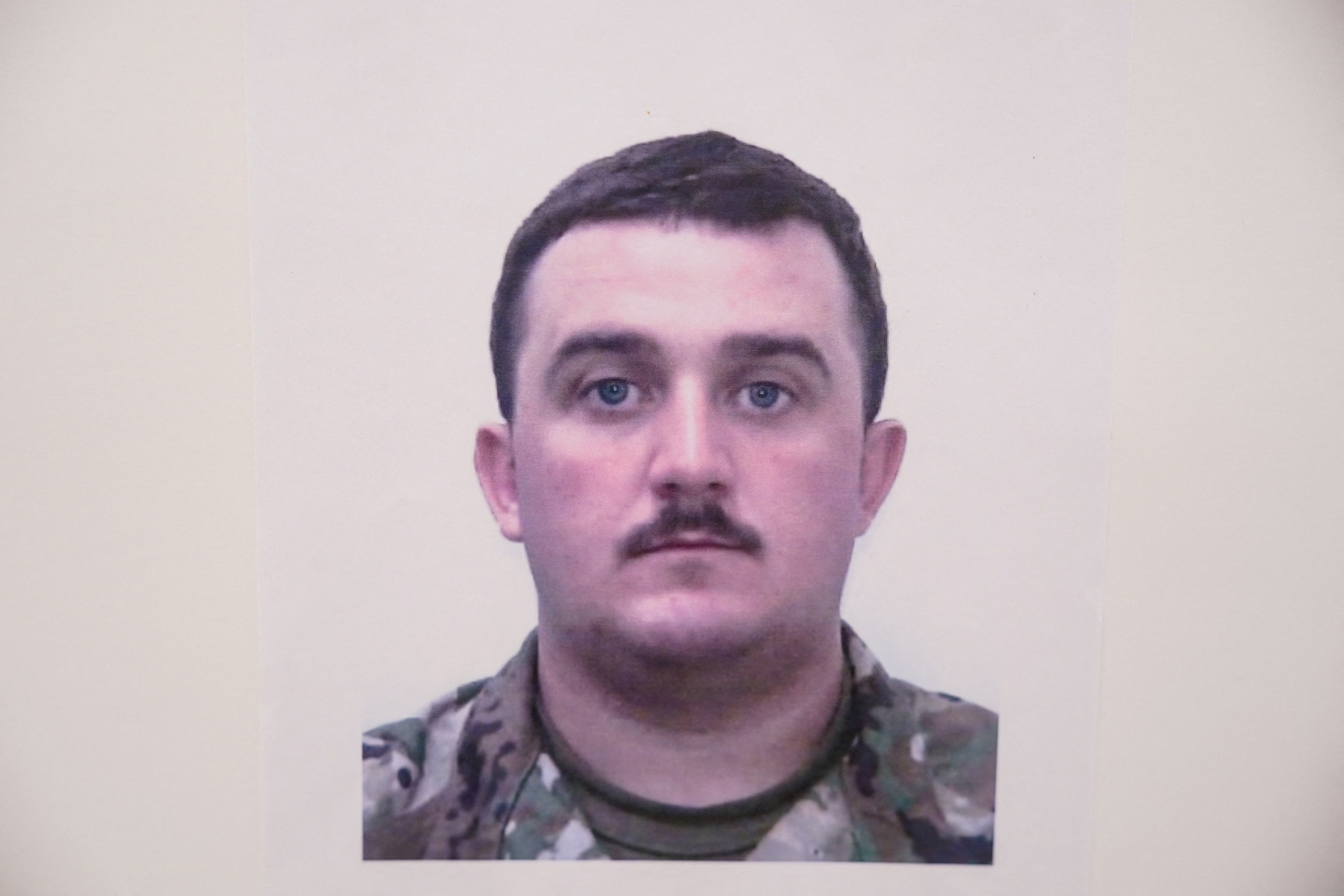
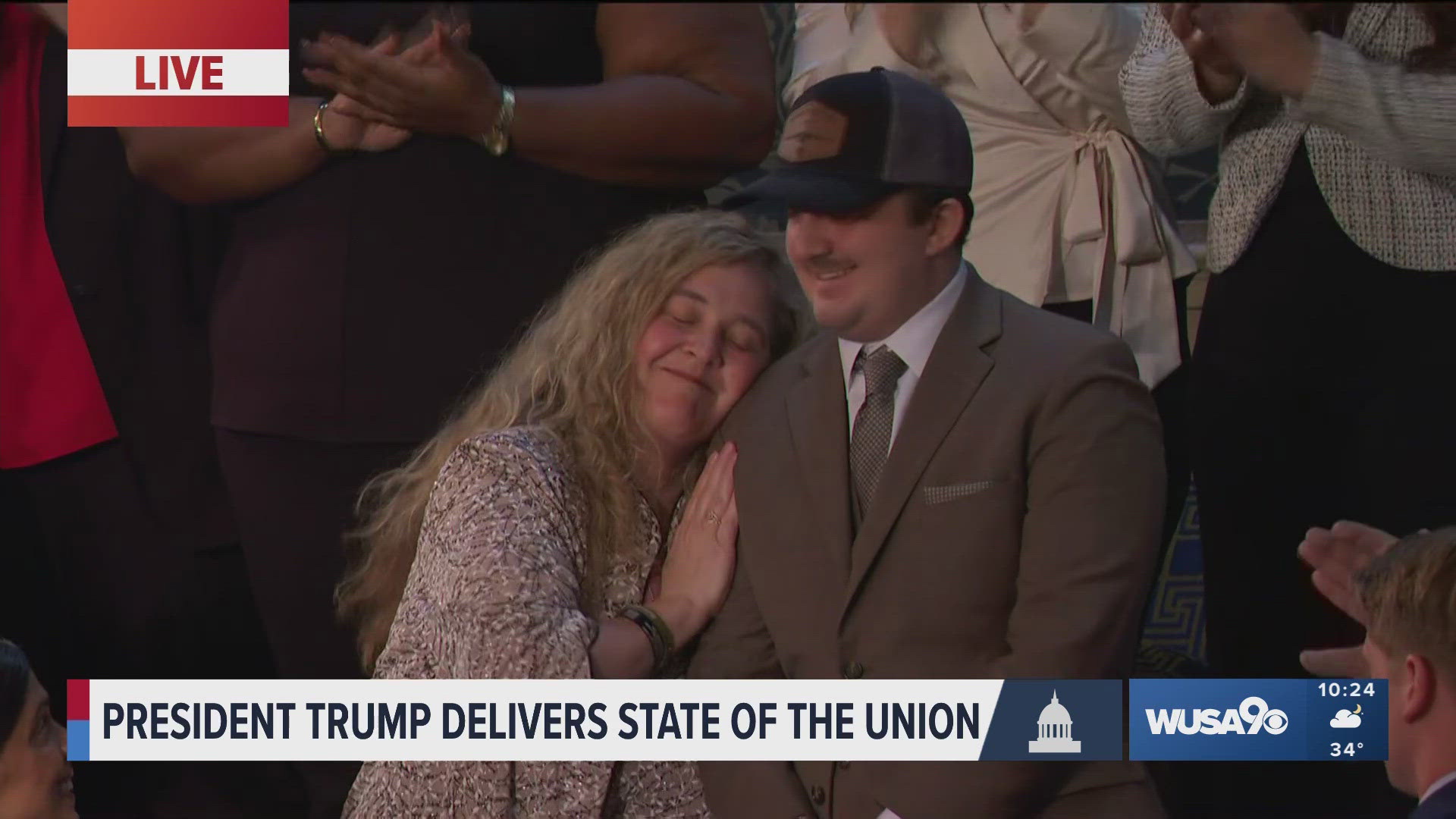
Andrew Wolfe was a member of the Minnesota National Guard who became the subject of intense public and military scrutiny in 2020 and 2021 due to his alleged ties to extremist ideologies. His case served as a catalyst for the Department of Defense to modernize its policies regarding social media activity, extremist affiliations, and the vetting processes for service members.
The Identity and Background of Andrew Wolfe
Andrew Wolfe served as a private in the Minnesota National Guard, a role that typically involves part-time service focused on both state-level emergency response and federal military readiness. While his military record prior to 2020 was relatively unremarkable, he gained national attention when investigative reports linked him to the "Boogaloo" movement—a decentralized, anti-government, and often accelerationist ideology.
The controversy surrounding Wolfe was not merely about his personal beliefs but about the compatibility of those beliefs with the Oath of Enlistment. In the United States military, every member swears to support and defend the Constitution against all enemies, foreign and domestic. When reports surfaced that a serving member was active in groups that openly discussed civil unrest or the subversion of government authority, it raised significant questions about internal security and the integrity of the National Guard.
The Investigation into Extremist Affiliations
The investigation into Andrew Wolfe began following external reports and internal monitoring of social media platforms. In late 2020 and early 2021, investigative journalists and watchdog organizations, such as the Southern Poverty Law Center and local outlets like the Star Tribune, highlighted social media posts attributed to Wolfe. These posts reportedly showed him wearing tactical gear and expressing support for "Boogaloo" tropes, including references to a second American civil war.
The Role of Social Media in the Military Context
For the Minnesota National Guard, the challenge was twofold: protecting the individual’s First Amendment rights while maintaining the "good order and discipline" required by the Uniform Code of Military Justice (UCMJ). Military members do not forfeit their right to free speech, but that speech is subject to limitations that do not apply to civilians.
The investigation focused on several key areas:
- Active Participation: Whether Wolfe was merely a consumer of content or an active participant in organizing or promoting extremist groups.
- Uniform and Representation: Whether any inflammatory content was posted while in uniform or in a manner that suggested the military endorsed his views.
- Threat Assessment: Determining if his affiliations posed a direct threat to fellow service members or the civilian populations the Guard is sworn to protect during deployments.
Department of Defense Instruction 1325.06 and the Wolfe Case
The Andrew Wolfe case coincided with a broader federal effort to address extremism within the ranks. In early 2021, Secretary of Defense Lloyd Austin ordered a one-day "stand-down" across the entire Department of Defense (DoD) to discuss extremism. This was followed by a revision of DoDI 1325.06, the primary instruction governing "Handling Dissident and Protest Activities Among Members of the Armed Forces."
The updated guidelines, which were fully implemented by 2022 and remain the standard in 2026, clarified what constitutes "active participation" in extremist activities. Under these rules, "liking," "sharing," or "retweeting" extremist content can be grounds for disciplinary action if it is determined that the service member is promoting the group's goals. Wolfe’s case was one of several that highlighted the need for these specific definitions, as previous iterations of the policy were often criticized for being too vague to enforce.
The Disciplinary Outcome and Discharge Process
Following the investigation by the Minnesota National Guard’s internal affairs and military police units, the Guard moved to separate Andrew Wolfe from service. In the military, "separation" can take several forms, ranging from an Honorable Discharge to a Dishonorable Discharge (which usually requires a court-martial).
In cases involving social media and extremist affiliations, the military often pursues an Administrative Separation. This allows the branch to remove a service member who is deemed "unsuited" for military life without the lengthy legal process of a full criminal trial, provided the evidence of policy violation is clear. Wolfe was ultimately discharged from the Minnesota National Guard. This action sent a clear message to the 13,000 other members of the Minnesota Guard regarding the boundaries of acceptable off-duty behavior.
Freedom of Speech vs. Military Necessity
The legal debate surrounding Andrew Wolfe often centered on the "Pickering-Connick" test, a legal framework used to determine when a government employee’s speech is protected. However, the military standard is even more restrictive. The Supreme Court has historically granted military commanders significant leeway to restrict speech that undermines the mission.
Balancing Rights and Responsibilities
| Category | Civilian Standard (First Amendment) | Military Standard (UCMJ/DoDI) |
|---|---|---|
| Political Speech | Highly protected, including extremist views. | Restricted; must not imply official endorsement. |
| Social Media | Mostly unrestricted by the state. | Subject to monitoring; "active participation" in extremist groups is prohibited. |
| Association | Free to join any legal group. | Prohibited from joining groups that advocate for the use of force to deny others' rights. |
| Uniform Use | Protected as symbolic speech (mostly). | Strictly prohibited for any political or unauthorized public event. |
Critics of the Wolfe discharge argued that the military was overreaching into the private lives of its members. Conversely, proponents argued that extremist infiltration of the National Guard posed an existential threat to domestic security, especially during high-tension events like the civil unrest in Minneapolis following the death of George Floyd, where the Guard was heavily deployed.
Evolution of National Guard Vetting (2021–2026)
In the years following the Andrew Wolfe controversy, the National Guard Bureau (NGB) and the Minnesota National Guard implemented more rigorous vetting procedures. By 2026, these processes have become a standard part of both initial enlistment and periodic background reinvestigations.
- Continuous Evaluation (CE): Instead of a background check every five or ten years, service members are now subject to automated "continuous evaluation" that flags legal issues or significant changes in public records in real-time.
- Social Media Screening: While controversial, the military has refined its ability to screen public-facing social media profiles for indicators of extremist involvement during the recruitment phase.
- Enhanced Training: Soldiers now receive annual training on how to recognize recruitment tactics used by extremist groups, both online and in person.
- Reporting Mechanisms: The "Insider Threat" program has been expanded to encourage service members to report "concerning behavior" among their peers, similar to the "See Something, Say Something" campaigns used in civilian aviation.
Impact on the Minnesota National Guard’s Public Image
The Minnesota National Guard is one of the largest and most active Guard units in the United States. The Wolfe incident was a significant PR challenge for an organization that prides itself on being "Citizen-Soldiers" who reflect the values of their community.
The leadership of the Minnesota National Guard, including the Adjutant General, took a proactive stance post-Wolfe to reinforce the idea that the Guard is an inclusive organization. They emphasized that while individual soldiers hold diverse political views, the organization must remain apolitical and focused on service. This shift was crucial for maintaining the trust of the local population, particularly in the diverse urban centers of Minneapolis and St. Paul.
Frequently Asked Questions
What exactly did Andrew Wolfe do to be investigated?
Andrew Wolfe was investigated because of his online activity and alleged associations with the "Boogaloo" movement. Investigative reports identified him as a participant in social media circles that promoted anti-government sentiment and discussed civil conflict. The military viewed these associations as a violation of the standards of conduct required for service members.
Was Andrew Wolfe charged with a crime?
In most cases involving extremist social media posts, unless there is a direct threat of violence or a specific plan to commit a crime, the service member is not charged in a civilian or military criminal court. Instead, they face administrative action, which can result in a discharge from the military. Wolfe’s departure was an administrative separation rather than a criminal conviction.
Can a National Guardsman be fired for their political views?
A National Guardsman cannot be "fired" for simply holding conservative or liberal political views. However, they can be discharged if those views cross the line into "prohibited extremist activities," which include advocating for the overthrow of the government, supporting terrorism, or participating in groups that promote discrimination based on race, religion, or gender.
How does the National Guard monitor social media in 2026?
By 2026, the National Guard utilizes a combination of automated screening for public posts and a robust internal reporting system. The military does not typically have the authority to access private messages without a warrant or probable cause, but any information shared publicly or reported by other service members is subject to review under DoDI 1325.06.
What is the "Boogaloo" movement mentioned in this case?
The "Boogaloo" movement is a loosely organized American extremist group that surfaced around 2019–2020. Its members often describe themselves as pro-gun and anti-government. The term "Boogaloo" refers to a hypothesized second American civil war. Because of its focus on government subversion, the DoD considers active participation in this movement to be incompatible with military service.
Final Recommendations for Service Members and Families
The case of Andrew Wolfe serves as a critical reminder of the professional risks associated with digital footprints. For current and aspiring National Guard members, it is essential to understand that military service is a 24/7 commitment to a specific set of values.
- Audit Your Digital Presence: Service members should regularly review their social media history and privacy settings. Association with groups that use inflammatory or anti-government rhetoric can have career-ending consequences.
- Understand DoDI 1325.06: Every member should be familiar with the 2021/2022 updates to the Department of Defense instructions regarding extremist activities. Ignorance of the policy is not a valid defense in administrative separation proceedings.
- Consult Legal Assistance: If a service member is placed under investigation for their social media activity, they should immediately seek counsel through the Trial Defense Service (TDS), which provides military lawyers to represent soldiers in administrative and judicial matters.
The Andrew Wolfe incident ultimately helped the military define the boundaries of digital conduct in the 21st century, ensuring that the "Citizen-Soldier" remains a symbol of national stability rather than a source of domestic concern.