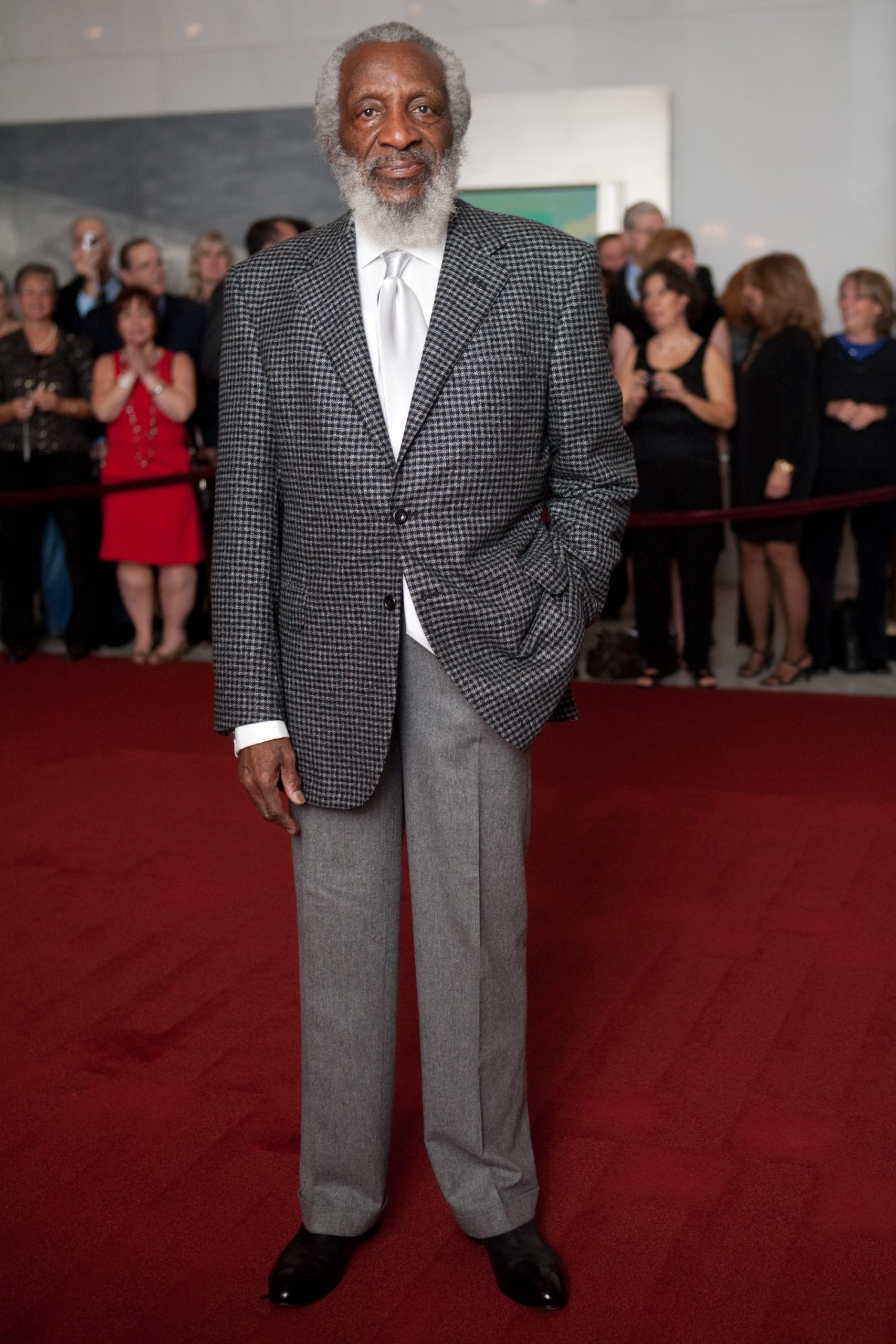
American theatre director, actor, and writer Andre Gregory has an estimated net worth between $1.5 million and $5 million. His accumulated wealth stems from a multi-decade career in experimental theatre, iconic film appearances—most notably co-writing and starring in the 1981 classic My Dinner with Andre—book publishing royalties, and family financial assets.
Understanding Andre Gregory's Financial Profile
Determining the net worth of prominent figures in avant-garde theatre requires analyzing non-traditional career economics. Unlike mainstream Hollywood actors or corporate executives whose compensation structures appear in SEC filings or union databases, theatrical directors and independent film creators generate income across diverse, often erratic streams.
Andre Gregory's total assets reflect a balance between commercial film royalties, theatrical grants and stipends, book publications, visual art sales, and personal family wealth. Born in Paris in 1934 to affluent Russian-Jewish parents who relocated to the United States ahead of World War II, Gregory benefited from a background of financial stability. His father, Albert Gregory, was a wealthy industrialist and financier, which afforded Andre the creative independence to pursue non-commercial, experimental performing arts without the urgent pressure to seek lucrative studio contracts early in his career.
Over a artistic career spanning more than six decades, Gregory built a sustainable financial estate by diversifying his creative output. While experimental theatre rarely produces massive fortunes, long-term royalties from landmark independent films and published literature have provided stable residual returns well into his later years.
Major Income Sources and Revenue Streams
Andre Gregory's lifetime earnings stem from four primary verticals: independent filmmaking and acting, theatrical directing and company leadership, literary publications, and private investments or family assets.
Andre Gregory Revenue Streams
- Film & Television Royalties
- Co-writing & starring: "My Dinner with Andre" (1981)
- Film adaptations: "Vanya on 42nd Street" (1994), "A Master..."
- Supporting roles: "The Last Temptation of Christ", etc.
- Theatrical Directing & Production
- Founder of The Manhattan Project (1968–1978)
- Regional theatre directing & international festival stipends
- Publishing & Fine Arts
- Memoir: "This Is Not My Memoir" (2020)
- Screenplay & dramatic rights
- Visual art, paintings, and drawings
- Family Background & Private Assets
- Private inheritance & family estate assets
- Long-term real estate holdings in New York
1. Film Royalties, Screenwriting, and Acting Roles
The most publicly visible engine of Andre Gregory's financial profile is his work in cinema. His most famous cinematic achievement remains My Dinner with Andre (1981), directed by Louis Malle and co-written with actor-playwright Wallace Shawn.
- My Dinner with Andre (1981): Produced on a modest budget, the film became a legendary critical and commercial success in arthouse cinema. Beyond initial box office returns, the film established a decades-long secondary market through physical media (VHS, DVD, Criterion Collection Blu-rays) and international streaming licensing agreements. As co-writer and star, Gregory receives ongoing royalty distributions.
- Vanya on 42nd Street (1994): Adapted from Gregory’s three-year rehearsal process of Anton Chekhov’s Uncle Vanya in an abandoned theater, this Louis Malle-directed film remains a staple of dramatic cinema catalogs, generating steady backend returns.
- A Master Builder (2014): Directed by Jonathan Demme, this adaptation of Henrik Ibsen’s play featured Gregory in the lead role of Halvard Solness, adding to his late-career screen credits and residual pools.
- Character Acting Roles: Gregory accepted selective supporting roles in major commercial and independent films, including The Protocol (1984), The Mosquito Coast (1986), The Last Temptation of Christ (1988), Demolition Man (1993), and Celebrity (1998). Screen Actors Guild (SAG-AFTRA) residual structures ensure ongoing payments for global television broadcasts and digital streams of these major studio films.
2. Experimental Theatre Directing and The Manhattan Project
In 1968, Gregory co-founded The Manhattan Project, an avant-garde theatrical ensemble that revolutionized American regional and off-Broadway theatre. His landmark 1970 production of Alice in Wonderland toured internationally for several years, receiving critical acclaim and institutional funding.
Unlike commercial Broadway producers who profit from high ticket sales and long runs in large venues, avant-garde theatre leaders work primarily within non-profit frameworks. Directing income during this era came from artistic director stipends, grant awards from philanthropic foundations (such as the National Endowment for the Arts and the Ford Foundation), box-office percentages from touring runs, and university residency fees. While these activities generated moderate immediate cash flow, they solidified Gregory's prestige, enabling him to command high fees for masterclasses, guest directing engagements, and public speaking engagements later in life.
3. Literary Rights and Publishing Royalties
Writing represents another stable component of Gregory's wealth portfolio:
- Published Plays & Screenplays: Published editions of My Dinner with Andre have been continuously in print through Grove Press and other drama publishers since the early 1980s. Educational institutions and theatrical programs worldwide regularly purchase licenses and print editions of the text for study.
- This Is Not My Memoir (2020): Co-authored with Todd London and published by Farrar, Straus and Giroux, Gregory’s autobiography provided an influx of publishing revenue via upfront advances and ongoing book sales. The memoir offers deep insight into his creative process, personal relationships, and complex financial history.
4. Family Assets and Real Estate
A key context for Andre Gregory's net worth is his family background. His father, Albert Gregory, amassed substantial wealth through international business ventures across Europe and North America. Inherited capital provided Andre with financial stability throughout his adult life, permitting him to take extended sabbaticals—such as his famous multi-year travels through Europe, Asia, and North Africa in the mid-1970s—without depleting his personal solvency.
Additionally, long-term property ownership in desirable urban real estate markets, particularly New York City, has historically represented a major portion of high-net-worth cultural figures' underlying equity.
Financial Breakdown & Career Comparison
To understand how Andre Gregory's career earnings compare across different decades and creative mediums, the following table details his primary projects, financial structures, and long-term residual value.
| Career Phase / Major Work | Era | Primary Financial Structure | Revenue Type | Long-Term Financial Impact |
|---|---|---|---|---|
| The Manhattan Project | 1968–1978 | Non-profit foundation grants, touring stipends | Salary / Artistic Director Fee | Established professional reputation; low direct capital accumulation |
| My Dinner with Andre | 1981 | Independent film deal, co-writing royalties | Residuals, Box Office, Home Video, Streaming | High; primary ongoing source of film residual income |
| Hollywood Supporting Roles | 1984–1998 | SAG-AFTRA standard scale and union residuals | Performance Fees, Global Residuals | Moderate; steady secondary stream from studio distribution |
| Vanya on 42nd Street | 1994 | Independent feature release, international distribution | Film Rights, Residuals | Moderate; sustained distribution through Criterion Collection |
| Literary Publications | 1981–Present | Book advances, publisher royalties | Royalties & Educational Licensing | Moderate; steady annual income from scripts and 2020 memoir |
| A Master Builder | 2014 | Independent production deal | Equity Share, Distribution Sales | Modest; focused on critical prestige rather than commercial return |
The Economics of Avant-Garde Theatre vs. Commercial Cinema
Understanding Andre Gregory's net worth requires examining the sharp contrast between the economics of non-profit experimental theatre and commercial media.
- Commercial Cinema & TV
- Large upfront actor fees
- Contractual backend equity
- Structured SAG-AFTRA residuals
- Global streaming licensing
- Avant-Garde Theatre
- Low upfront stipends
- Dependent on grant funding
- Limited venue capacities
- Long rehearsal cycles
- Sustained Lifetime Wealth
Directing for Process vs. Profit
In commercial theatre, directors earn royalties based on weekly gross box office receipts. A successful Broadway run can yield tens of thousands of dollars per week for a director. In contrast, Andre Gregory prioritized lengthy, non-commercial rehearsal processes. For example, his production of Vanya on 42nd Street involved nearly three years of unpublicized rehearsals in front of small, invited audiences without formal ticket sales.
Because this methodology prioritizes artistic experimentation over immediate financial return, capital accumulation during active rehearsal periods was minimal. Income during these cycles depended heavily on private grants, university lectureships, and personal capital reserves.
Long-Tail Monetization Through Cinema
Where Gregory’s theatrical work yielded limited direct revenue, its adaptation into cinema provided long-tail financial returns. By collaborating with filmmakers Louis Malle and Jonathan Demme, Gregory converted his ephemeral theatrical experiments into permanent cinematic works.
Distributors like the Criterion Collection regularly remaster and reissue these projects. Under SAG-AFTRA and Writers Guild of America (WGA) agreements, co-writers and featured performers receive residual payments whenever these films are broadcast, streamed, or sold in physical formats globally.
Evaluating Net Worth Estimates for Cultural Figures
When evaluating online reports concerning Andre Gregory's net worth—which typically state figures between $1.5 million and $5 million—several methodological considerations apply:
- Absence of Public Disclosures: Unlike corporate executives or public company officers, private artists are not required to publicly disclose tax returns, investment portfolios, or bank balances. Net worth estimates are synthesized from reported project budgets, published book advances, known union scale minimums, real estate records, and industry standards.
- Impact of Private Family Wealth: Public net worth calculators frequently underestimate figures for individuals born into wealthy families because personal trusts, private asset transfers, and non-real-estate holdings remain confidential.
- Fluctuating Residual Values: Streaming platforms operate on different residual formulas than traditional television syndication or physical media sales. Consequently, annual royalty checks for 1980s and 1990s independent films experience variable valuation adjustments year over year.
Real Estate Assets and Current Status
In his tenured career as a foundational figure in modern American performing arts, Andre Gregory has maintained a comfortable lifestyle based in the northeastern United States, particularly New York.
Real estate in New York City and surrounding art hubs represents a stable component of long-term wealth preservation for artists of his generation. While exact valuation of personal residences remains private, long-held real estate assets acquired during the mid-to-late 20th century in the New York metropolitan area have appreciated significantly over the decades.
Additionally, Gregory has engaged in visual arts, producing paintings and drawings that have been featured in galleries. Sales of fine art represent an incremental income stream that supplements theatrical and publishing royalties.
Frequently Asked Questions
How much did Andre Gregory make from My Dinner with Andre?
Exact contract terms for My Dinner with Andre (1981) were never publicly disclosed. However, as co-writer and co-star of an independent art-house film made on a low budget, Gregory earned initial talent fees along with contractual backend royalties. The film's long-term success on home media and Criterion Collection releases has provided steady residual income for over four decades.
Is Andre Gregory from a wealthy family?
Yes. Andre Gregory was born in Paris to Albert Gregory, a successful Russian-Jewish industrialist and financier. His father's financial success provided the family with substantial resources, enabling Andre to pursue non-commercial, avant-garde theatrical directing without immediate financial hardship.
What is Andre Gregory's main source of ongoing income today?
His primary ongoing sources of revenue include film and television residuals (governed by SAG-AFTRA and WGA contracts), royalties from book sales—including his 2020 memoir This Is Not My Memoir—and theatrical publishing rights for My Dinner with Andre.
What is the estimated net worth of Andre Gregory?
Public estimates place Andre Gregory's net worth between $1.5 million and $5 million. This reflects his decades of work as a director, actor, and writer, combined with long-term royalties and family asset holdings.
Did Andre Gregory earn significant money from Broadway?
No. Andre Gregory spent the majority of his career working in off-Broadway, regional, and experimental theatre environments—most notably with The Manhattan Project. These sectors focus on artistic innovation rather than commercial Broadway box-office returns, relying primarily on non-profit grants, salaries, and stipends.
Strategic Summary and Takeaway
Andre Gregory’s financial footprint illustrates how long-term wealth is sustained in the non-commercial arts. By leveraging foundational family stability, maintaining ownership of literary and screenwriting rights, and selectively participating in mainstream film projects, Gregory built an enduring estate while prioritizing artistic integrity over commercial compromise.
For researchers and observers evaluating the economics of modern theatre and independent cinema, Gregory serves as a classic model of long-tail artistic monetization: transforming live, non-profit theatrical work into permanent media assets that generate sustainable residual returns across multiple decades.
EDITORIAL CATEGORY METADATA: