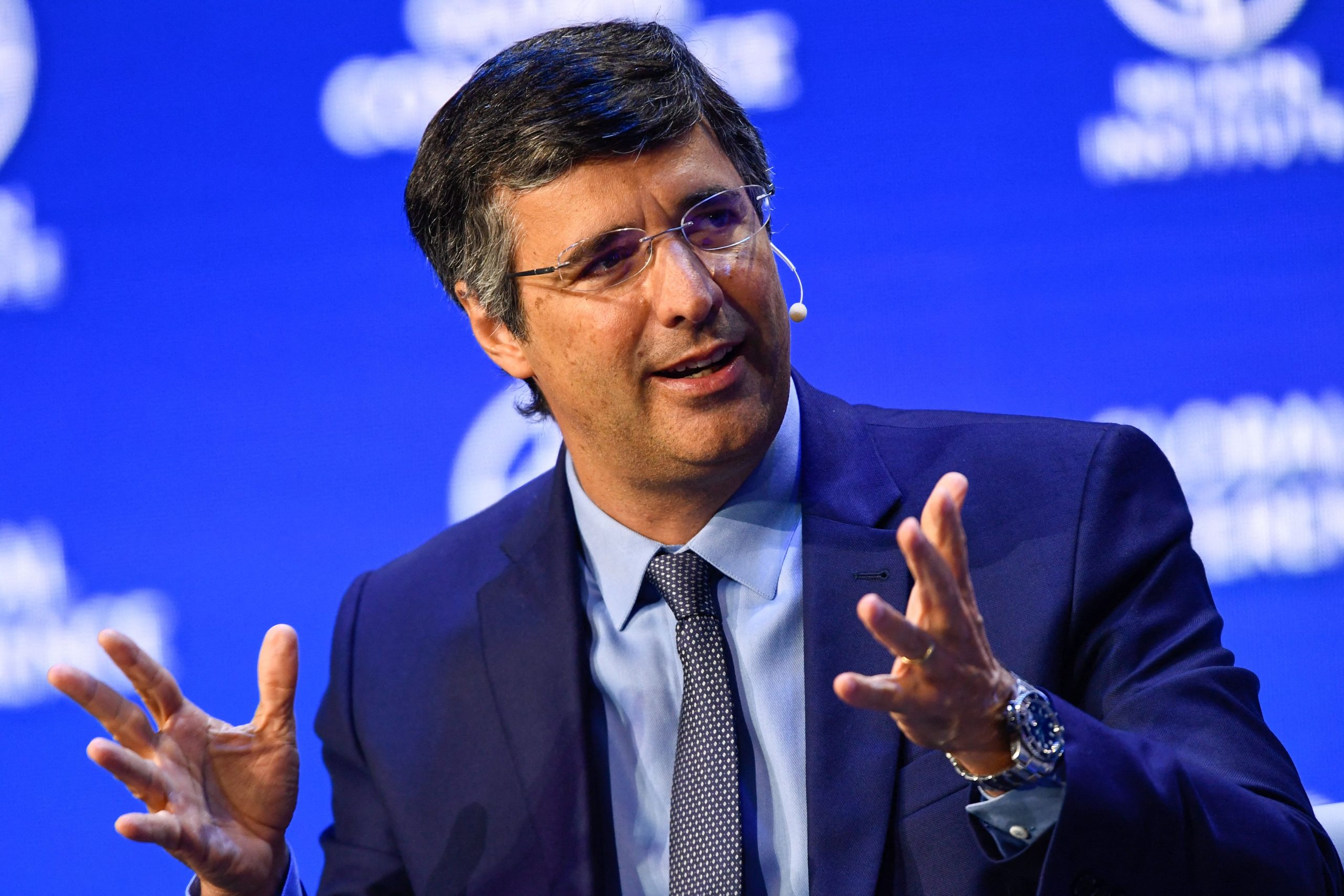
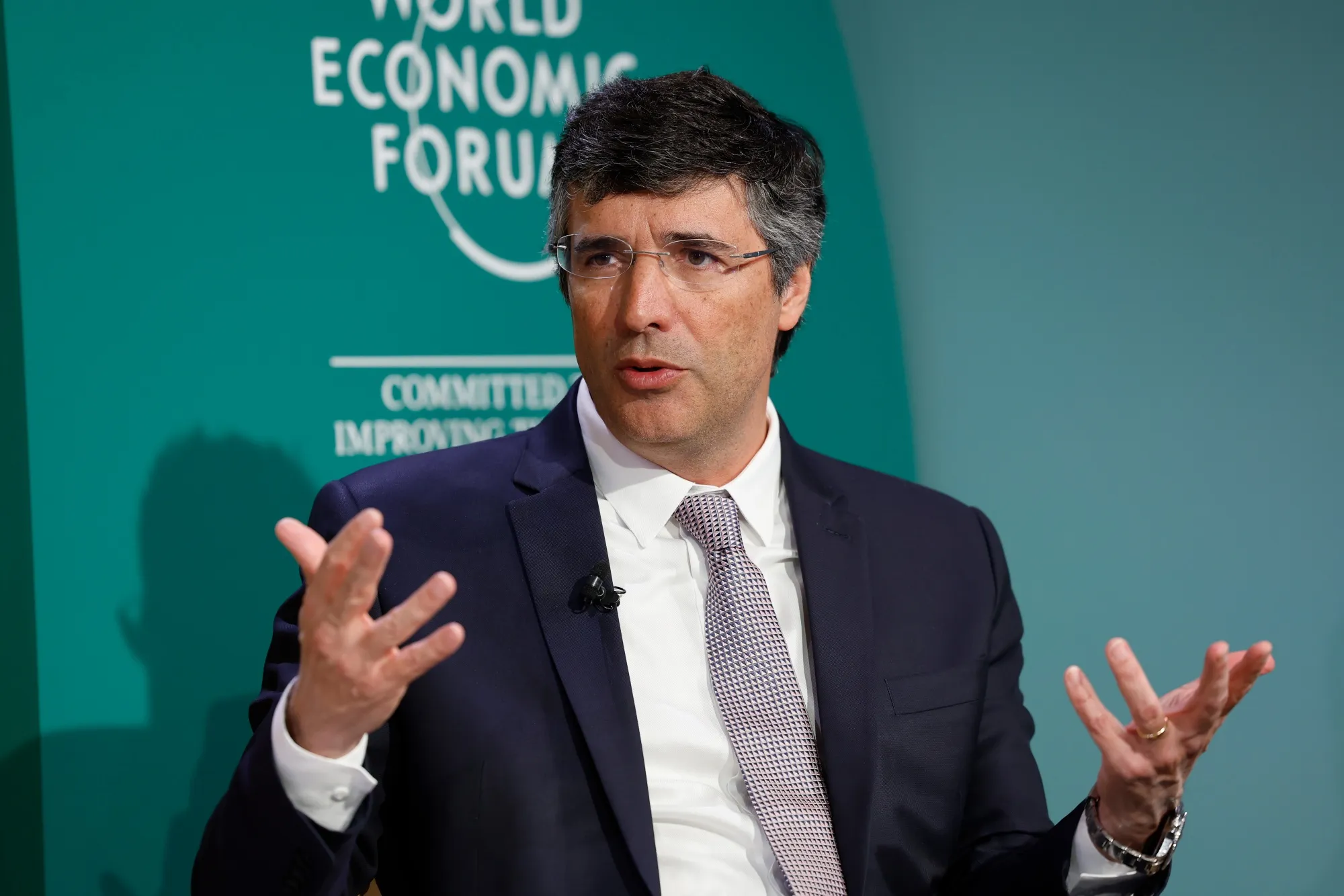
André Santos Esteves is the Chairman and controlling shareholder of BTG Pactual, the largest investment bank in Latin America. As of 2026, he remains a central figure in global finance, overseeing a multi-billion dollar empire that spans investment banking, asset management, and digital retail banking. Known for his aggressive deal-making and commitment to a meritocratic partnership model, Esteves has navigated significant volatility to cement his legacy as one of Brazil's most influential economic leaders.
The Foundations of a Financial Career
André Esteves did not follow the traditional path of a family-inherited fortune. Born in Rio de Janeiro, he studied Computer Science and Mathematics at the Federal University of Rio de Janeiro (UFRJ). This analytical background proved foundational when he joined Banco Pactual in 1989 as a systems analyst. In the late 1980s and early 1990s, the Brazilian financial markets were undergoing rapid modernization, and Esteves' ability to understand both the technical infrastructure and the underlying mathematics of finance allowed him to rise quickly through the ranks.
Within a year of joining the firm, Esteves moved into the trading department. His timing coincided with a period of hyperinflation and complex economic shifts in Brazil, where high-frequency adjustments and deep knowledge of fixed-income instruments were essential for survival. By 1993, at the age of 24, he became a partner at Pactual. His ascent was driven by a relentless work ethic and a sharp instinct for market arbitrage, which eventually positioned him to lead the firm's strategic direction.
The "Pactual culture" that Esteves helped cultivate was modeled after the early days of Goldman Sachs—a meritocratic environment where compensation was heavily weighted toward performance and equity ownership. This culture ensured that the firm's top talent was deeply invested in its long-term success, a trait that would define the bank's resilience in the decades to follow.
The UBS Acquisition and the Birth of BTG
A defining moment in the André Esteves profile is the 2006 sale of Banco Pactual to the Swiss giant UBS. The transaction, valued at approximately $3.1 billion, rebranded the entity as UBS Pactual. Esteves was appointed head of fixed income, currencies, and commodities (FICC) at UBS globally, moving to London to oversee these operations. This role gave him a vantage point over the global financial crisis of 2008, an experience that would shape his future risk-management strategies.
However, the integration with a large, bureaucratic European bank clashed with the agile, partnership-driven spirit of the original Pactual team. In 2008, Esteves left UBS to form BTG (Banking and Trading Group) with several former partners. By 2009, in a move that demonstrated his strategic opportunism, BTG purchased Pactual back from UBS for roughly $2.5 billion—a lower price than the initial sale. This reunified entity became BTG Pactual, and the firm quickly moved to dominate the Latin American investment banking landscape.
The subsequent IPO of BTG Pactual in 2012 raised $1.1 billion, making it one of the most successful listings for a financial institution in the region. By this time, Esteves was widely recognized as the "Golden Boy" of Brazilian finance, known for his proximity to political leaders and his role in the country’s largest mergers and acquisitions.
Legal Challenges and Institutional Resilience
No comprehensive profile of André Esteves is complete without addressing the events of late 2015. As part of the wide-ranging "Operation Car Wash" (Lava Jato) investigation into corruption in Brazil, Esteves was arrested on allegations of attempting to obstruct justice. The arrest sent shockwaves through the financial markets, causing BTG Pactual’s shares to plummet and sparking a liquidity crisis as investors rushed to withdraw funds.
During this period, Esteves stepped down from his executive roles to protect the institution. The bank, led by his longtime partners, executed a masterclass in crisis management, selling off non-core assets—such as its stake in the Swiss bank BSI and various infrastructure holdings—to maintain a robust capital position.
By 2018, the Brazilian Supreme Court (STF) acquitted Esteves, citing a lack of evidence. The prosecution's case was eventually dismissed, and his name was cleared of the charges. In 2022, the case was officially closed, and Esteves formally returned as the Chairman of the Board. This period of his life is often cited by financial analysts as a testament to the "institutionalization" of BTG Pactual; the bank proved it could survive and thrive even in the absence of its founder, a rare feat for a partnership-led firm in an emerging market.
Strategic Realignment: The 2026 Landscape
By 2026, André Esteves has overseen a significant transformation of BTG Pactual from a pure-play investment bank into a diversified financial powerhouse. The most notable shift has been the aggressive expansion into digital retail banking and wealth management. Recognizing that the high-margin world of investment banking is cyclical, Esteves steered the bank toward building a "platform" model that caters to high-net-worth individuals and small-to-medium enterprises (SMEs).
Expansion into Digital Markets
The launch of BTG Pactual Digital was a direct response to the rise of fintech disruptors in Brazil. Instead of ignoring the trend, Esteves leveraged the bank's existing reputation for sophistication to capture a segment of the market that desired institutional-grade investment products through a mobile interface. By 2026, this division has become a major contributor to the bank's fee-based income, providing a stable counterweight to the volatility of capital markets.
Global Footprint and ESG Focus
Under Esteves' guidance, BTG Pactual has expanded its physical presence in New York, London, and across Latin America (specifically Chile, Colombia, and Mexico). Furthermore, the bank has integrated Environmental, Social, and Governance (ESG) criteria into its lending and investment frameworks. This is not merely a branding exercise; Esteves has publicly stated that the cost of capital is increasingly tied to sustainability, and for a bank to remain competitive in the 2026 global market, it must lead in green financing.
| Milestone Year | Event | Strategic Impact |
|---|---|---|
| 1989 | Joined Banco Pactual | Entry into the financial sector as a systems analyst. |
| 2006 | Sale to UBS | Established Esteves as a global player in FICC. |
| 2009 | Repurchase of Pactual | Formation of BTG Pactual; return to independent partnership. |
| 2012 | BTG Pactual IPO | Access to public capital markets for regional expansion. |
| 2015 | Legal Crisis | Tested the bank's liquidity and institutional resilience. |
| 2018 | Acquittal | Restoration of Esteves' role in the financial ecosystem. |
| 2021-2025 | Digital Transformation | Pivot toward retail banking and scalable wealth management. |
| 2026 | Current Status | Chairman; focused on tech integration and LatAm dominance. |
Net Worth and Asset Portfolio
André Esteves consistently ranks as one of the wealthiest individuals in Brazil. His net worth is primarily derived from his controlling stake in BTG Pactual. Unlike many billionaires who diversify into unrelated industries, Esteves has kept the vast majority of his wealth tied to the financial services sector, reflecting his confidence in the firm he built.
Beyond his shares in BTG, Esteves has invested in real estate and education. One of his most significant non-financial legacies is the founding of Inteli (Institute of Technology and Leadership). Launched with a massive personal endowment, Inteli is a non-profit university in Brazil designed to train the next generation of tech leaders using project-based learning. This initiative mirrors his own career path—combining technical proficiency with leadership—and aims to address the chronic shortage of high-level tech talent in Latin America.
Management Style and Philosophy
The André Esteves profile is often characterized by his "hands-on" approach. Even as Chairman, he is known to be deeply involved in the bank's most complex deals. His management philosophy is rooted in several core tenets:
- Long-term Greed: A term often used within the bank to describe the sacrifice of short-term gains for long-term institutional stability and reputation.
- Meritocracy: The belief that talent and hard work should be the only drivers of career progression, regardless of seniority or background.
- Intellectual Curiosity: Esteves encourages his team to be polymaths—understanding politics, technology, and global macro-trends rather than just balance sheets.
- Operational Agility: Despite the bank's size, Esteves maintains a structure that allows for rapid decision-making, which is crucial in the volatile Brazilian market.
Professional Advice and Jurisdictional Context
Disclaimer: This profile is for informational purposes only and does not constitute financial, legal, or investment advice. André Esteves and BTG Pactual operate under the regulations of the Banco Central do Brasil (BCB) and the Comissão de Valores Mobiliários (CVM). Investors should conduct their own due diligence before engaging with any financial institution.
For those looking to follow the career of André Esteves or understand the performance of BTG Pactual, it is essential to monitor the Brazilian "Selic" interest rate and the country’s fiscal policy. As a major player in fixed income and equity markets, the bank’s valuation is highly sensitive to the domestic macroeconomic environment.
Frequently Asked Questions
What is André Esteves' current role at BTG Pactual?
As of 2026, André Esteves serves as the Chairman of the Board and is the bank's largest individual shareholder. While he is no longer the CEO (a role held by Roberto Sallouti), he remains the primary strategic visionary and a key figure in the bank's partnership structure.
Was André Esteves cleared of all legal charges?
Yes. Following his arrest in 2015, the Brazilian Federal Supreme Court (STF) eventually acquitted him. The court determined that there was no evidence of wrongdoing and that the initial accusations were unfounded. He has since been fully reinstated in his professional capacities and remains in good standing with international regulators.
How did André Esteves start his career?
He started as a systems analyst/intern at Banco Pactual in 1989. He did not come from a banking family; his rise was based on his performance in the trading and fixed-income departments during a period of significant economic volatility in Brazil.
What is Inteli, and why did André Esteves found it?
Inteli (Institute of Technology and Leadership) is a non-profit tech university in São Paulo founded by Esteves and his family. The goal is to develop Brazil’s future technology leaders through a curriculum that emphasizes coding, data science, and business management, addressing the talent gap in the region's digital economy.
Is BTG Pactual a public company?
Yes, BTG Pactual is traded on the B3 (Brazilian Stock Exchange) under the ticker BPAC11. It is one of the most liquid financial stocks in the Latin American market and is a component of the IBOVESPA index.
Next Steps for Researchers and Investors
To gain a deeper understanding of the André Esteves profile and his impact on the markets, interested parties should:
- Review Annual Reports: Examine BTG Pactual’s annual filings, specifically the "Management Discussion and Analysis" (MD&A) sections, which often reflect Esteves’ strategic outlook.
- Monitor IBOVESPA Trends: Since BTG is a bellwether for the Brazilian economy, its performance is closely tied to the broader market index.
- Follow Inteli’s Growth: For insight into his philanthropic and long-term tech vision, track the graduates and partnerships emerging from the Inteli Institute.
- Track CVM Filings: In Brazil, major shareholders must disclose changes in their positions; monitoring these filings provides transparency into Esteves' ongoing commitment to the firm.