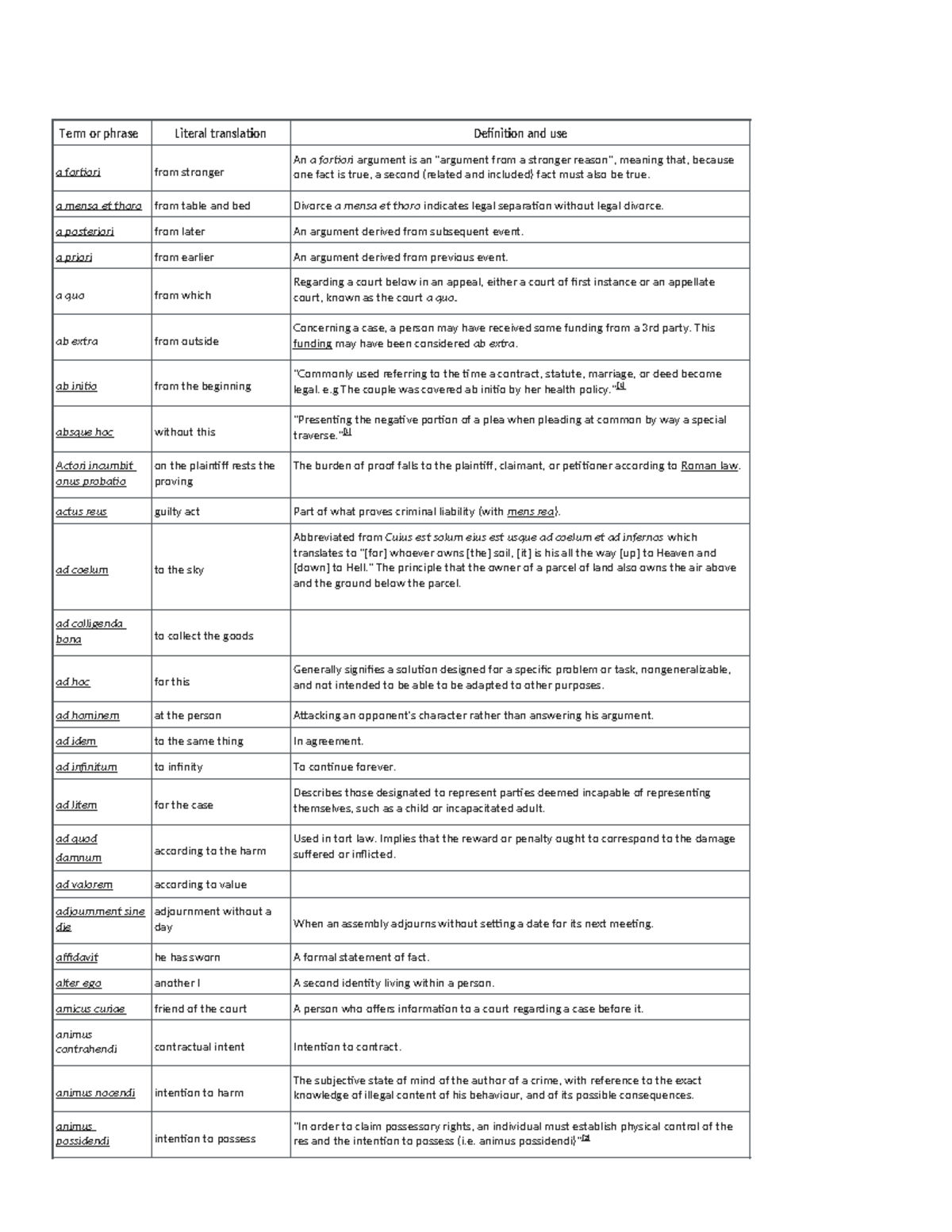
The Latin phrase amica mea translates literally to "my female friend." In Latin, the noun amica is the feminine form of amicus, specifically denoting a friend of the female gender. When paired with the possessive pronoun mea (my), the phrase identifies a specific female companion, and its usage fluctuates between casual friendship and more intimate, romantic connotations depending on the historical and literary context.
Linguistic Deconstruction of Amica Mea
To understand amica mea fully, one must first look at the morphological components of the phrase within the Latin language. Latin is a highly inflected language, meaning that the endings of words change to signify grammatical function, gender, number, and case.
Amica: The Noun
The root of the word is amicus, which derives from the verb amare ("to love"). In Classical Latin, amicus serves as both a noun (a friend) and an adjective (friendly). When the suffix changes to -a (amica), the noun shifts to the feminine gender. This is a primary feature of the first declension in Latin, where most nouns ending in -a are feminine.
Mea: The Possessive Pronoun
Mea is the nominative singular feminine form of the possessive adjective meus, mea, meum. It must agree with the noun it modifies in gender, number, and case. Because amica is feminine and singular, the pronoun must take the feminine form mea. If the noun were masculine (amicus), the pronoun would shift to meus.
The Evolution of Meaning and Context
While the dictionary definition of amica is "female friend," the term does not always map directly onto modern English concepts of platonic friendship. Throughout Roman history and literature, the word underwent significant shifts in implication.
Platonic vs. Romantic Connotations
In many classical texts, amica describes a comrade or a companion. However, it was frequently used to describe a mistress or a lover, particularly in the works of Roman elegiac poets like Catullus or Ovid. In these contexts, the "friendship" often implied an intimate, sexualized relationship outside of the institution of marriage (matrimonium).
When someone in ancient Rome referred to an amica, the nuance of whether they were a platonic friend or a lover often depended on the surrounding text and the status of the woman involved. For a Roman citizen, a wife was a uxor. A woman with whom one had a non-marital, potentially long-term sexual or romantic relationship was often referred to as an amica.
Usage in Religious and Liturgical Contexts
Outside of secular literature, the phrase amica mea appears in sacred texts, most notably in the Canticum Canticorum (The Song of Songs or Song of Solomon). In this context, the term is used by the male speaker to address his beloved. Here, the translation "my beloved" or "my dear friend" carries a sense of spiritual and romantic devotion, stripping away the illicit connotations often found in the works of secular poets.
Grammatical Variations and Case Usage
Latin speakers used the case system to define the role of the noun within a sentence. Understanding how amica mea changes is vital for anyone reading primary sources or classical Latin inscriptions.
| Case | Singular (My female friend) | Plural (My female friends) |
|---|---|---|
| Nominative | Amica mea | Amicae meae |
| Genitive | Amicae meae | Amicarum mearum |
| Dative | Amicae meae | Amicis meis |
| Accusative | Amicam meam | Amicas meas |
| Ablative | Amica mea | Amicis meis |
The most common usage is the Nominative (the subject of the sentence, e.g., "My friend arrives") or the Vocative (used for direct address, e.g., "Come here, my friend"). The Accusative (amicam meam) is common when the friend is the object of an action, such as in the phrase "I see my friend."
Comparing Amica with Other Terms
It is helpful to compare amica with other related terms to better understand its precise boundaries.
- Amicus vs. Amica: Amicus is the default masculine form. In a group of mixed gender, amici (masculine plural) is used to refer to friends as a whole, even if females are included.
- Socius/Socia: A socius is more of an ally, partner, or associate rather than a friend based on affection. Socia would be the female counterpart for a business partner or political ally.
- Uxor: This is the specific legal term for a wife. It is rarely interchangeable with amica, as the latter lacks the legal standing and societal contract associated with marriage.
Usage in Modern Literature and Media
In contemporary times, the use of amica mea is largely restricted to academic settings, historical fiction, or stylistic flourishes in writing. When authors use the phrase today, they are usually deliberately evoking a classical or archaic tone.
For instance, in a 2026 academic study or a period-accurate novel, using amica mea signifies a connection to Roman culture. The term is rarely used in common conversation, as Latin is no longer a living, evolving language for daily social interaction. However, in the context of Christian liturgy or specific traditional prayers, amica mea remains a recognizable, static term of endearment.
Common Mistakes and Misinterpretations
A frequent error among Latin learners is assuming that amica always implies a "girlfriend" in the modern, casual sense of "someone I am dating."
- Over-Romanticization: While amica can mean mistress, it is also used in letters between educated women or in philosophical texts to describe a bond of deep intellectual friendship. Do not assume romance without context.
- Gender Confusion: Beginners often struggle with the declension patterns. Confusing amica with the neuter or masculine forms can lead to incorrect translations when the phrase is used as an object in a sentence.
- Modern English Interference: The English word "amity" or "amicable" comes from the same Latin root. However, being "amicable" refers to a state of peace or friendliness, which is a broader social state than the individual person referred to as an amica.
Practical Guidance for Translators and Researchers
If you are encountering amica mea in a text you are researching, follow these steps to ensure an accurate interpretation:
- Analyze the Verb: Look at the surrounding verbs. If the text involves high-emotion verbs or describes a domestic setting, the term likely refers to a lover or a partner. If it describes communal activities or philosophical discussion, it is likely a standard friendship.
- Identify the Source Period: A text from the late Roman Republic will likely use amica with the specific cultural baggage of the era’s social norms. A text from the Middle Ages, especially a religious text, will likely strip away the "mistress" connotation in favor of spiritual or idealized love.
- Check for Case: Ensure the phrase is actually amica mea. If the text reads amicae meae (genitive), it means "of my friend." Misinterpreting the grammatical case is the most common reason for inaccurate translation of classical Latin.
Frequently Asked Questions
Does amica mea always imply a romantic relationship?
No. While it can mean a mistress in classical literature, it is frequently used to describe a close, platonic female friend or a sister-in-arms. The definition depends entirely on the author’s intent and the cultural context of the document.
How do I say "my female friend" in the plural?
To refer to multiple female friends in the nominative case, use amicae meae. If you are referring to them as the object of a sentence (accusative), use amicas meas.
Is amica mea used in formal Latin correspondence?
Generally, no. Formal Roman correspondence preferred titles or descriptions of kinship. The use of amica is more common in poetry, private letters, or artistic descriptions of interpersonal relationships.
Can I use amica mea to describe a platonic friend today?
You can, but it will sound highly affected or literary. Since Latin is not a colloquial language, using it in casual conversation is an intellectual exercise rather than a standard way to refer to a companion.
Why is amica derived from the word for love?
In the Roman worldview, friendship (amicitia) was considered a form of love—not necessarily erotic, but a deep, binding affection and loyalty. The etymological link to amare reflects the high value Romans placed on the bond of friendship as a pillar of a well-lived life.
How does the word differ from the Spanish "amiga"?
Amiga is a direct descendant of the Latin amica. While the spelling is nearly identical, the modern Spanish term has a much broader, more colloquial range of use, including modern concepts of dating that the Latin amica would have categorized differently based on the status of the people involved.
Recommendation for Further Study
For those interested in the nuance of Roman social terminology, the best next step is to consult the Oxford Latin Dictionary. When reading classical works, pay close attention to the footnotes provided by the translator, as they often clarify whether the author intended the term amica to convey a platonic, romantic, or political alliance. For deep academic exploration, The Roman Novel and other secondary sources on the social history of the Roman family provide essential context on how labels like amica defined the boundaries of Roman society.