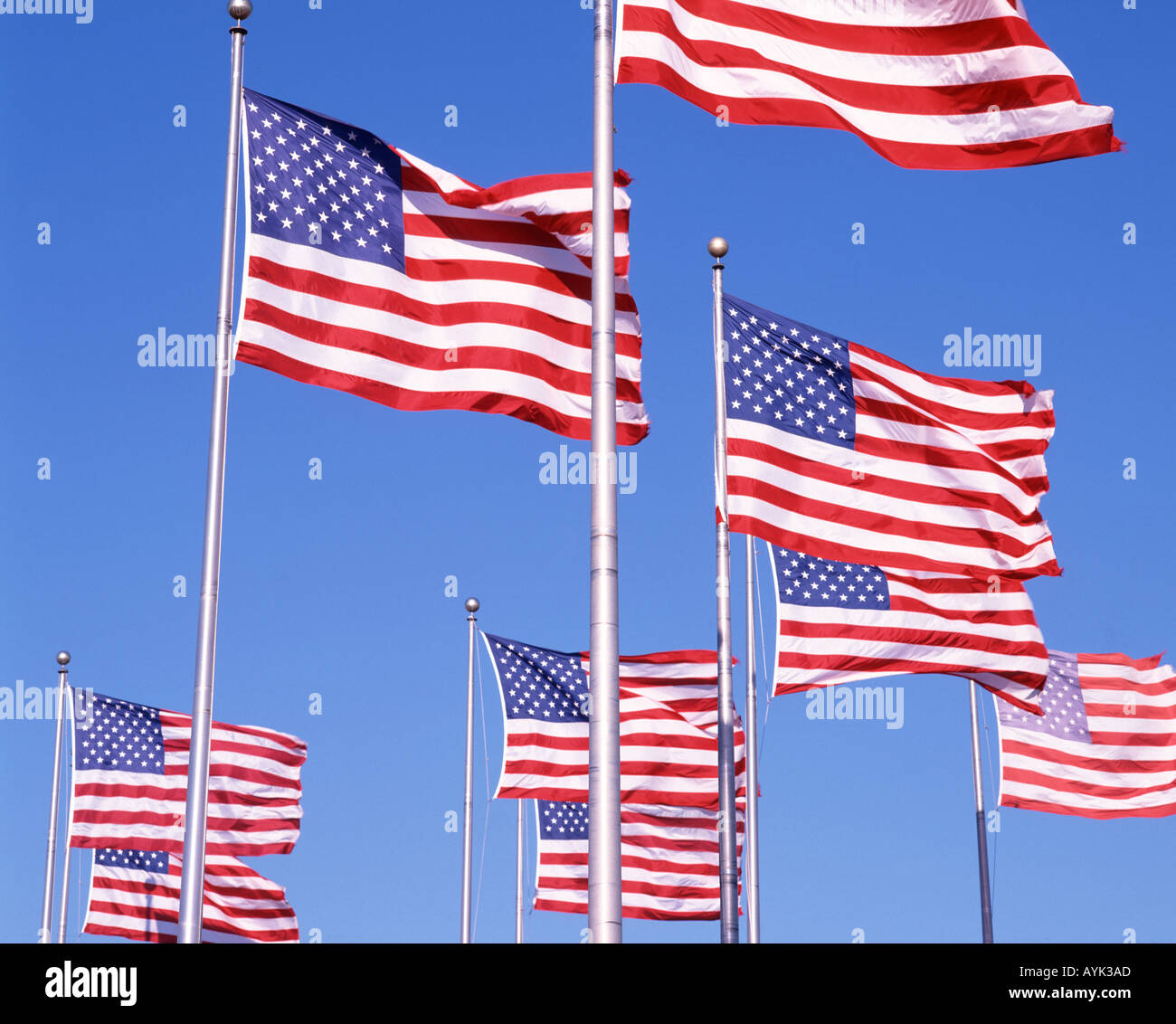
The American flag song, officially known as "The Star-Spangled Banner," features lyrics written by Francis Scott Key in 1814. Inspired by the sight of the American flag still flying over Fort McHenry after a massive British bombardment during the War of 1812, the poem was later set to music and became the official national anthem of the United States in 1931.
The Historical Origin of "The Star-Spangled Banner"
To understand the lyrics of the America flag song, one must first look at the volatile landscape of the War of 1812. In September 1814, British forces, fresh from burning Washington D.C., turned their sights toward Baltimore, a vital port city. Francis Scott Key, a 35-year-old lawyer and amateur poet, found himself in the middle of this military operation not as a soldier, but as a negotiator.
Key was tasked with securing the release of Dr. William Beanes, an American prisoner held by the British. While Key was successful in his negotiation, he and his companions were detained on a truce ship for the duration of the British assault on Baltimore. They were positioned approximately eight miles downriver from Fort McHenry, the primary defense of the city’s harbor. From this vantage point, Key witnessed the "perilous fight"—a 25-hour bombardment of the fort by British Congreve rockets and mortar shells.
The "Stars and Stripes" referenced in the song was a specific garrison flag commissioned by Major George Armistead. He had requested a flag so large that "the British will have no difficulty in seeing it from a distance." This flag, sewn by Mary Pickersgill, measured 30 by 42 feet. As the smoke cleared on the morning of September 14, 1814, Key saw this massive flag still waving. The emotional relief and patriotic fervor he felt prompted him to jot down lines of poetry on the back of a letter, which he titled "Defence of Fort M'Henry."
Full Lyrics of the American National Anthem
While most Americans are familiar with the first stanza, the "America flag song" actually consists of four complete verses. Each verse tracks the progression of the battle, from the uncertainty of the night to the triumphant realization of victory and the moral resolve of the young nation.
Verse 1: The Most Recognized Stanza
O say can you see, by the dawn’s early light, What so proudly we hailed at the twilight’s last gleaming, Whose broad stripes and bright stars through the perilous fight, O’er the ramparts we watched, were so gallantly streaming? And the rocket’s red glare, the bombs bursting in air, Gave proof through the night that our flag was still there; O say does that star-spangled banner yet wave, O’er the land of the free and the home of the brave?
Verse 2: The View from the Shore
On the shore dimly seen through the mists of the deep, Where the foe’s haughty host in dread silence reposes, What is that which the breeze, o’er the towering steep, As it fitfully blows, half conceals, half discloses? Now it catches the gleam of the morning’s first beam, In full glory reflected now shines in the stream: ’Tis the star-spangled banner, O! long may it wave O’er the land of the free and the home of the brave.
Verse 3: The Defeat of the Invaders
And where is that band who so vauntingly swore That the havoc of war and the battle’s confusion, A home and a country, should leave us no more? Their blood has washed out their foul footsteps’ pollution. No refuge could save the hireling and slave From the terror of flight, or the gloom of the grave: And the star-spangled banner in triumph doth wave, O’er the land of the free and the home of the brave.
Verse 4: The Moral Foundation
O thus be it ever, when freemen shall stand Between their loved home and the war’s desolation. Blest with vict’ry and peace, may the Heav’n rescued land Praise the Power that hath made and preserved us a nation! Then conquer we must, when our cause it is just, And this be our motto: “In God is our trust.” And the star-spangled banner in triumph shall wave O’er the land of the free and the home of the brave!
Analyzing the Meaning Behind the Phrases
The lyrics are rich with 19th-century military terminology and poetic metaphors. Understanding these terms provides a deeper technical appreciation of what Key was describing from his position on the water.
- Ramparts: These are the defensive walls or embankments surrounding a fort. In the context of Fort McHenry, the ramparts were the physical structures the soldiers stood behind while defending the harbor.
- Gallantly Streaming: This refers to the flag blowing in the wind. Key emphasizes the dignity of the flag even under fire.
- Rocket’s Red Glare: This refers specifically to the Congreve rockets used by the British. These were early versions of military rockets that left a distinct red trail in the sky, which ironically provided the light Key needed to see if the flag was still flying during the night.
- Bombs Bursting in Air: These were mortar shells designed to explode above the target to shower shrapnel. The fact that they "gave proof through the night" meant that every explosion illuminated the flag for a split second.
- The Towering Steep: This refers to the high points of the fort or the surrounding landscape where the flag was mounted, making it visible above the "mists of the deep."
Musical Composition: From Drinking Song to Anthem
A common technical misconception is that Francis Scott Key wrote the music. In reality, he wrote the words to fit a pre-existing melody. The tune is "To Anacreon in Heaven," which was the constitutional song of the Anacreontic Society, a 18th-century gentlemen's club of amateur musicians in London.
The music was composed by John Stafford Smith. Because the melody was already popular in the United States (often used for other patriotic parodies), Key’s brother-in-law, Joseph H. Nicholson, recognized that the words of "Defence of Fort M'Henry" fit the meter of Smith’s tune perfectly.
Technically, "The Star-Spangled Banner" is known for being notoriously difficult to sing. It spans one and a half octaves, which is a wider range than most popular or folk songs. The "low" notes of "say can you see" and the "high" notes of "the rocket's red glare" require significant vocal control, leading to frequent debates in the modern era about the best way to perform the anthem at sporting events and ceremonies.
The Path to Official Recognition
Although the song was popular throughout the 19th century, it was not the only patriotic song vying for the title of national anthem. For much of the 1800s, songs like "Hail, Columbia" and "My Country, 'Tis of Thee" (which used the melody of "God Save the King") served as de facto anthems.
The military was the first to give "The Star-Spangled Banner" official status. In 1889, the U.S. Navy began using it during flag raising. In 1916, President Woodrow Wilson signed an executive order designating it as the national anthem for military ceremonies. However, it took a long-standing campaign by veterans' organizations and a 1931 Act of Congress, signed by President Herbert Hoover, to make it the official national anthem of the United States.
| Song Title | Lyrics Written | Primary Theme | Official Status |
|---|---|---|---|
| The Star-Spangled Banner | 1814 | Military victory and the flag | Official Anthem (1931) |
| America the Beautiful | 1893 | Natural beauty and unity | Patriotic Hymn |
| God Bless America | 1918 | Prayer for peace and guidance | Patriotic Song |
| My Country, 'Tis of Thee | 1831 | Liberty and heritage | Former De Facto Anthem |
| Hail, Columbia | 1798 | Federal unity | Vice Presidential Anthem |
Controversies and the Third Verse
In recent years, the third verse of the song has come under scrutiny. Specifically, the lines "No refuge could save the hireling and slave / From the terror of flight, or the gloom of the grave" have been the subject of historical debate.
Historians note that during the War of 1812, the British military recruited "Colonial Marines"—formerly enslaved Black Americans who were promised freedom in exchange for fighting for the British Crown. Key, who was a slaveholder himself, may have been expressing his disdain for these specific troops. However, others argue that in the poetic language of the early 19th century, "hireling and slave" was a common literary device used to describe any mercenary force or those subservient to a monarch, contrasting them with the "freemen" described in the fourth verse. Because of these complexities and the aggressive tone toward the British "foe," the third verse is almost never performed in public settings.
Preservation of the Star-Spangled Banner Flag
The actual flag that inspired the lyrics still exists in 2026. It is one of the most prized artifacts at the Smithsonian Institution's National Museum of American History in Washington, D.C.
Over the decades, the flag suffered significant wear and tear, not just from the battle, but from "souvenir hunting" in the 19th century, where pieces of the flag were cut off and given to dignitaries. Today, the flag is housed in a state-of-the-art, climate-controlled laboratory with low lighting to prevent further degradation of the wool and cotton fibers. The preservation project, which began in the late 1990s, ensures that the "broad stripes and bright stars" remain visible for future generations.
Frequently Asked Questions
Why is the song called "The Star-Spangled Banner" instead of "The American Flag Song"?
While many people search for it as the "America flag song," the formal title was adopted because Francis Scott Key specifically referred to the flag as a "star-spangled banner" in the chorus of each verse. The title "Defence of Fort M'Henry" was used for the initial broadside printing, but "The Star-Spangled Banner" became the popular title once the poem was set to music.
Who was Mary Pickersgill?
Mary Pickersgill was a professional flag maker in Baltimore who, along with her daughter, two nieces, and an indentured servant, hand-sewed the garrison flag that flew over Fort McHenry. The flag was so large that they had to finish the sewing on the floor of a nearby brewery. Her contribution is essential to the "behind the stars and stripes" story, as the lyrics describe her specific handiwork.
Is "The Star-Spangled Banner" the only official song of the United States?
Yes, it is the only official national anthem. However, other songs have official designations. For example, "The Stars and Stripes Forever" by John Philip Sousa is the official National March of the United States. "America the Beautiful" and "God Bless America" are widely recognized patriotic songs but do not hold official statutory status as anthems.
Why do people stand and place their hand over their heart during the song?
This tradition is codified in U.S. federal law (36 U.S. Code § 301). The law states that during a rendition of the national anthem, when the flag is displayed, all present except those in uniform should stand at attention facing the flag with their right hand over their heart. This is intended as a mark of respect for the history and the values the flag represents.
Was the melody originally a drinking song?
Technically, "To Anacreon in Heaven" was the club song for a musical society. While the society met in taverns and members certainly drank, it was a sophisticated musical organization. The song was designed to showcase vocal talent, which is why the melody is so complex and difficult for the average person to sing today.
Practical Recommendation for Further Study
If you are interested in the technical history of the America flag song lyrics, the best next step is to visit the National Museum of American History website. They provide high-resolution images of the original manuscript written by Francis Scott Key and a detailed interactive breakdown of the Star-Spangled Banner flag's construction and conservation. For those interested in the musical evolution, the Library of Congress maintains digital archives of the various sheet music versions produced throughout the 19th century, allowing you to see how the song was adapted before it reached its final, standardized form.