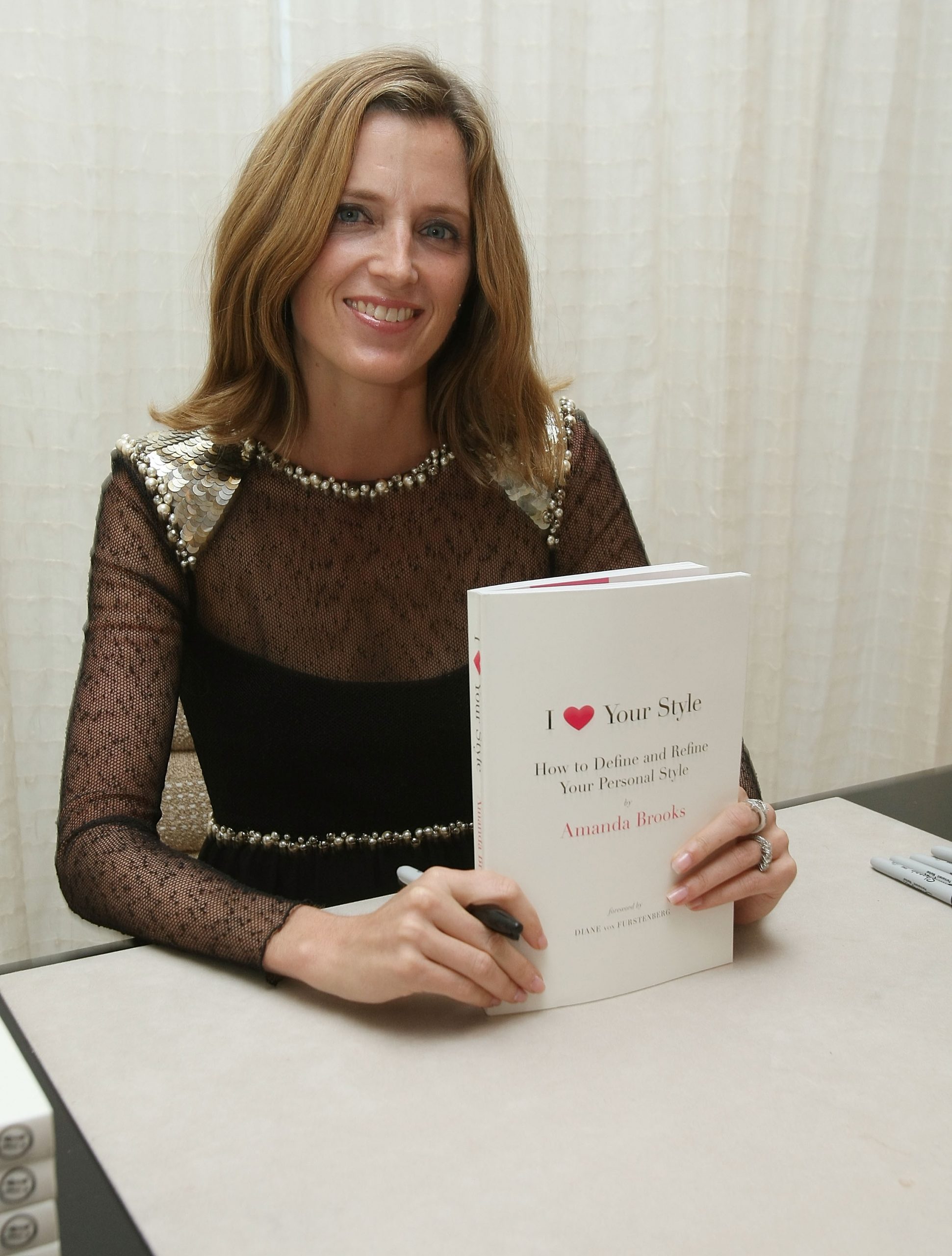
As of 2026, Amanda Valentine is recognized primarily as a creative professional in the fashion and entertainment industries, with a net worth estimated in the range of $1 million to $3 million. This figure is derived from her multi-faceted career as a fashion designer, stylist, and television personality, bolstered by her transition into broader media and creative consulting roles.
Professional Foundations and Career Development
Amanda Valentine’s financial standing is not the result of a single income stream, but rather the cumulative effect of a decade-long career characterized by versatility. To understand her current economic status, one must first examine the trajectory that moved her from a regional fashion identity to a national media presence.
She initially gained significant public recognition through her appearances on Project Runway. Her participation in both Season 11 and Season 13 of the series provided her with a platform that transcended traditional design work. In the entertainment industry, exposure on high-profile reality competitions acts as a catalyst for brand building. Unlike a standard salary role, this exposure allowed Valentine to transition into freelance styling, celebrity collaborations, and high-end design commissions.
Core Revenue Streams
The assessment of an individual’s net worth—particularly those working within the creative arts—requires an analysis of both active and passive income sources. For Valentine, these can be categorized into three primary pillars:
1. Fashion Design and Bespoke Services
The foundational source of Valentine’s income remains her work in fashion. Unlike mass-market retail entities, her business model focuses on custom design, personal styling, and boutique collections. This segment of the industry often commands higher margins per unit, as the value proposition lies in the creative labor and brand exclusivity rather than high-volume manufacturing. Over the years, she has maintained a presence in the Los Angeles creative scene, a market where the cost of services and the demand for unique, customized styling remain consistently high.
2. Media Appearances and Television
Television work provides a distinct financial advantage. Beyond the stipend paid for appearance on competition shows, the residual impact of such visibility creates "intellectual property" value. This value is realized through social media reach, endorsement opportunities, and invitations to professional speaking engagements. As of 2026, the value of a public-facing digital footprint is a critical component of one’s net worth, as it lowers the cost of customer acquisition for personal brands and service-based businesses.
3. Creative Consulting and Brand Partnerships
As designers evolve, they frequently shift from labor-intensive physical production to high-level consulting. Valentine has utilized her industry experience to consult on creative direction, aesthetic strategy, and collaborative projects. Partnerships with consumer brands—which often involve licensing her name or design sensibilities for limited-edition lines—serve as a high-margin income source that does not require the overhead of managing a physical atelier or retail store.
Understanding Net Worth in the Creative Industry
It is a common misconception that net worth is synonymous with annual salary. For a creative professional like Amanda Valentine, net worth represents the total value of assets—which includes equipment, intellectual property rights, potential brand equity, and savings—minus any liabilities.
| Revenue Source | Nature of Income | Impact on Net Worth |
|---|---|---|
| Personal Styling | Fee-for-Service | Immediate liquidity and cash flow. |
| Reality Television | Contractual/Appearance | Brand equity and increased rate card. |
| Custom Design | Asset-based | High margin, lower volume. |
| Brand Collaborations | Royalties/Licensing | Passive, scale-dependent income. |
The volatility of the fashion and entertainment sectors means that personal net worth can fluctuate based on the frequency of project cycles. In 2026, the consolidation of her brand into a more advisory and curated model suggests a focus on long-term stability rather than the high-overhead, high-risk model of seasonal fashion manufacturing.
Factors Influencing Financial Fluctuations
Several variables influence the trajectory of a professional like Amanda Valentine. First, the Los Angeles fashion landscape is highly competitive. Success depends on maintaining a "high-touch" client list, which requires constant networking and reputation management. Second, the digital economy has changed how stylists and designers monetize their work. In 2026, a significant portion of an individual’s financial worth is tied to their ability to influence market trends and command authority in a specific niche.
Tax considerations also play a role in how this net worth is structured. Because creative professionals are often independent contractors, they must manage their own tax liabilities, insurance, and retirement planning. Those with high net worths in this sector typically utilize corporate structures—such as S-corporations or LLCs—to manage their earnings, which protects personal assets and allows for the deduction of business-related expenses.
Common Misconceptions Regarding Celebrity Net Worth
Publicly available figures for net worth are frequently estimates and often rely on incomplete data. Many "net worth" aggregators do not account for hidden expenses, such as the high costs associated with maintaining a fashion business, travel, staff, and marketing.
When evaluating the wealth of a television personality, it is vital to distinguish between "gross income" and "net assets." An individual may generate significant annual revenue but retain little of it after reinvesting in their business. The estimated $1 million to $3 million range for Valentine accounts for her established career span, the valuation of her brand, and the accumulation of assets over a decade of consistent professional activity.
Frequently Asked Questions
1. Is Amanda Valentine’s net worth based solely on her television career? No. While her appearances on Project Runway provided significant visibility and established her brand, her income is derived primarily from professional services in fashion design, styling, and creative consulting.
2. How does an industry like fashion design impact long-term wealth? Fashion design is high-risk but high-reward. Long-term wealth in this field is typically built through brand equity, which allows for higher pricing on services and the potential for lucrative licensing deals with larger corporations.
3. What does it mean when a net worth figure is reported as a range? Net worth ranges represent the uncertainty inherent in private financial data. Because private citizens do not disclose tax returns, analysts estimate worth based on known assets, market rates for their services, and industry benchmarks for their level of experience.
4. Does Amanda Valentine still work in the fashion industry in 2026? Yes. She maintains a career as a creative professional, often shifting between direct design work, styling for private clients, and broader creative consulting, which remains a standard path for designers who have matured in their careers.
5. Are social media earnings included in these estimates? Yes. In 2026, social media is an integrated part of an influencer or designer’s business model. Earnings from brand partnerships and sponsored content are considered professional income and contribute to the overall valuation of a personal brand.
Strategic Financial Outlook
For individuals following the career of a creative entrepreneur, the primary takeaway is the importance of diversification. Reliance on a single source of income—such as television or retail design—is inherently risky. Amanda Valentine’s ability to pivot between different facets of the creative economy has allowed her to maintain professional relevance and financial stability.
If you are evaluating your own path in the creative industries, consider that your "net worth" is not just money in the bank; it is the sum of your professional reputation, the scalability of your services, and your ability to adapt your skills to new market demands. Focus on building assets that provide returns even when you are not actively trading time for money, such as establishing a strong personal brand, securing intellectual property rights, or cultivating a loyal, recurring client base.