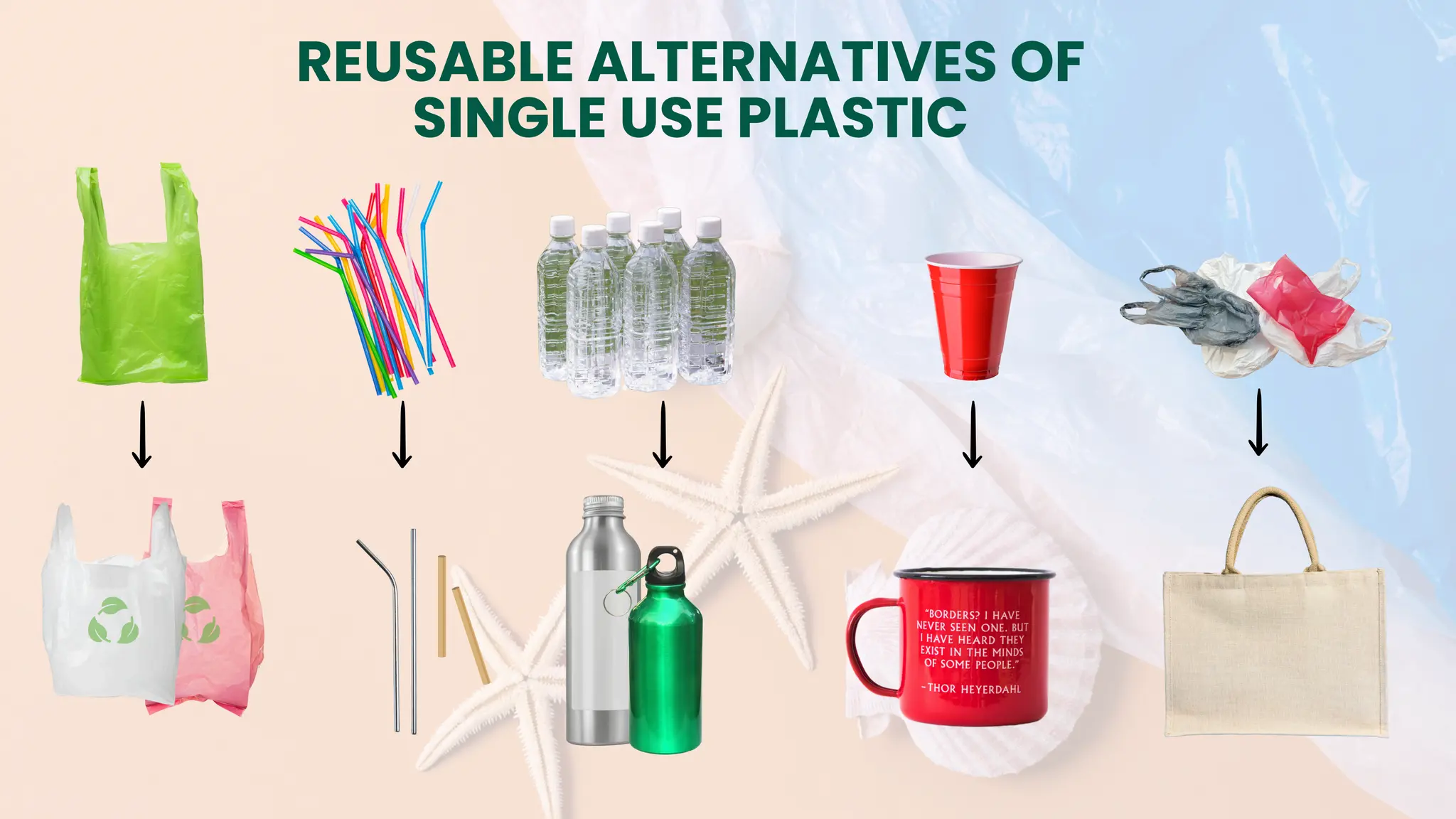
Finding effective alternatives for plastic bottles involves evaluating materials like stainless steel, glass, and aluminum based on durability, health safety, and environmental impact. For 2026, the focus has shifted toward high-grade 18/8 stainless steel for longevity and innovative plant-based compostable materials for single-use scenarios to significantly reduce microplastic pollution and carbon footprints.
The Evolution of Sustainable Hydration: Why We Are Moving Beyond Plastic
By 2026, the global perspective on plastic consumption has shifted from a matter of convenience to a critical environmental and public health priority. The primary driver for seeking alternatives for plastic bottles is the increasing awareness of microplastics—tiny particles less than five millimeters long—which have been detected in human blood, lung tissue, and even placentas. Traditional Polyethylene Terephthalate (PET) bottles, while technically recyclable, often degrade into these microplastics during use and after disposal.
Furthermore, the "circular economy" is no longer just a buzzword but a regulatory framework in many regions. Governments have implemented stricter extended producer responsibility (EPR) laws, making the production of single-use plastics more expensive for manufacturers. This economic shift has paved the way for more durable, safer, and truly recyclable materials to dominate the market. When we look at alternatives, we aren't just looking for "not plastic"; we are looking for materials that offer a net positive impact over their lifecycle, considering energy consumption in manufacturing, transportation weight, and end-of-life processing.
Stainless Steel: The Gold Standard for Durability and Performance
Stainless steel remains the leading alternative for plastic bottles in 2026 due to its unmatched durability and thermal properties. Most high-quality bottles use 18/8 food-grade stainless steel (also known as 304 grade), which contains 18% chromium and 8% nickel. This composition ensures the bottle is resistant to corrosion and does not leach metallic flavors into your water.
The Science of Vacuum Insulation
The most significant technical advantage of stainless steel is its ability to support double-wall vacuum insulation. In this construction, two walls of steel are welded together, and the air between them is removed to create a vacuum. Because a vacuum contains no atoms to vibrate, it prevents heat transfer by conduction and convection. This allows liquids to stay cold for up to 24 hours or hot for up to 12 hours, a feat no plastic bottle can achieve.
Environmental Trade-offs
While stainless steel is energy-intensive to produce—requiring mining for ore and high-heat smelting—its lifespan justifies the initial carbon expenditure. Studies suggest that a stainless steel bottle must be used approximately 50 to 100 times to offset the environmental cost of its production compared to a single-use plastic bottle. Given that these bottles can last a decade or more, they represent a massive win for the environment over time.
Glass: The Purest Choice for Chemical-Free Drinking
For those prioritized by taste purity and health, glass is the premier alternative for plastic bottles. Unlike plastic, glass is non-porous and chemically inert. This means it does not absorb odors or flavors from previous drinks, nor does it leach endocrine-disrupting chemicals like Bisphenol A (BPA) or its common replacements, BPS and BPF.
Borosilicate vs. Soda-Lime Glass
In 2026, most premium glass water bottles are made from borosilicate glass. This type of glass includes boron trioxide, which gives it a very low coefficient of thermal expansion. Practically, this means borosilicate glass can withstand "thermal shock"—you can pour boiling water into a chilled bottle without it cracking. Standard soda-lime glass, used in most jars and windows, is more susceptible to breaking under temperature changes.
Addressing the Fragility Issue
The main drawback of glass has always been its fragility. Modern designs have mitigated this through the use of high-grade silicone sleeves and reinforced bases. These sleeves provide a non-slip grip and a cushioning layer that protects the glass from minor drops. While heavier than plastic or aluminum, glass remains the best choice for office environments or home use where weight is less of a concern than material purity.
Aluminum: The Circular Economy Leader in Recyclability
Aluminum has gained significant traction as a single-use alternative for plastic bottles in 2026, particularly at large-scale events and in the beverage industry. Aluminum is "infinitely recyclable," meaning it can be melted down and reformed into new products repeatedly without losing its structural integrity.
Efficiency in Recycling
Recycling aluminum requires 95% less energy than producing new aluminum from bauxite ore. In contrast, plastic recycling is often "downcycling," where the material loses quality each time it is processed, eventually ending up in a landfill. Aluminum bottles are also significantly lighter than glass or steel, reducing the carbon emissions associated with shipping and logistics.
Technical Considerations: Liners and Coatings
It is important to note that aluminum is a reactive metal. To prevent it from reacting with acidic beverages (like soda or fruit juice), aluminum bottles must be lined with a protective coating. In 2026, industry standards have moved toward BPA-free epoxy or ceramic-polymer linings to ensure that the health benefits of moving away from plastic are not compromised by the liner itself.
Innovative Plant-Based and Compostable Solutions
As we look toward specialized alternatives for plastic bottles, bio-based materials have emerged as a solution for situations where reusables are not practical. These are often referred to as "bioplastics," but the technology has advanced significantly by 2026.
- PLA (Polylactic Acid): Derived from fermented plant starch (usually corn or sugarcane). While it looks like plastic, it is carbon-neutral in its growth phase. However, it requires industrial composting facilities to break down properly.
- PHA (Polyhydroxyalkanoates): A newer class of bio-polymers produced by microbial fermentation of sugar or lipids. PHA is unique because it is truly marine-biodegradable, meaning it will break down in the ocean or home compost bins much faster than PLA.
- Algae-based Packaging: Some startups are now producing edible or highly biodegradable "bottles" made from agar (seaweed). These are primarily used for short-term storage and immediate consumption at marathons or festivals.
Comparing the Top Alternatives for Plastic Bottles
To help you decide which material fits your lifestyle, the following table compares the most common alternatives based on technical specifications and performance metrics.
| Material | Durability | Weight | Thermal Insulation | Recyclability | Typical Lifespan |
|---|---|---|---|---|---|
| Stainless Steel | Very High | Medium/Heavy | Excellent (Vacuum) | High (Scrap metal) | 10+ Years |
| Borosilicate Glass | Moderate | Heavy | Poor (unless sleeved) | High | 5-7 Years |
| Aluminum (Reusable) | High | Light | Moderate | Very High | 3-5 Years |
| Silicone (Collapsible) | High | Very Light | None | Low | 2-4 Years |
| Plant-Based (PHA) | Low | Light | None | High (Compost) | Single-use |
Specialized Alternatives: Silicone and Ceramic
While steel, glass, and aluminum dominate the market, two other materials serve specific niches in the quest to replace plastic.
Silicone: The Traveler’s Choice
Food-grade silicone is a flexible, non-toxic polymer. Its primary advantage as an alternative for plastic bottles is its ability to be collapsed. This makes it ideal for travelers or hikers who need to save space when the bottle is empty. Silicone is stable at a wide range of temperatures and does not leach chemicals, though it can sometimes retain the scent of flavored drinks if not cleaned thoroughly.
Ceramic: The Artisanal Alternative
Ceramic bottles, often lined with a smooth glaze, offer a premium drinking experience. They provide a "neutral" taste similar to glass but with better natural insulation than single-wall glass. In 2026, "ceramic-lined" stainless steel bottles have become popular, combining the durability of steel with the flavor purity of a ceramic interior.
Practical Considerations for Choosing Your Alternative
When selecting the right alternative for plastic bottles, consider your specific daily "use case." A bottle that is perfect for a desk job might be a liability on a mountain trail.
- For Commuters: Look for a medium-sized (500ml-750ml) stainless steel bottle with a leak-proof cap. Ensure it fits in standard car cup holders.
- For Athletics: Weight is the primary factor. A single-wall aluminum bottle or a high-quality BPA-free reusable (like those made from Tritan Renew, which uses 50% recycled content) may be preferable to heavy steel.
- For Home/Office: Glass is the winner here. The weight is irrelevant, and the purity of taste encourages higher water consumption throughout the day.
- For Travel: Collapsible silicone bottles are the most efficient, allowing you to pass through airport security with an empty, compact container that can be filled once airside.
Addressing the Maintenance and Hygiene of Alternatives
One reason people revert to plastic is the perceived ease of use. However, maintaining alternatives for plastic bottles is straightforward with the right approach. Stainless steel and glass are generally dishwasher safe, but vacuum-insulated bottles should often be hand-washed to avoid damaging the vacuum seal.
Using a bottle brush is essential for reaching the bottom of narrow-neck bottles. For deep cleaning, a mixture of white vinegar and baking soda can remove mineral buildup or persistent odors. In 2026, many high-end bottles also feature UV-C light integrated into the cap, which can neutralize up to 99.9% of bacteria and viruses in the water and on the inner surfaces of the bottle.
Frequently Asked Questions
Is aluminum safer than plastic for drinking water?
Yes, aluminum is generally considered safer because it does not leach microplastics. However, you must ensure the bottle has a high-quality, BPA-free liner. Without a liner, aluminum can react with acidic liquids, which may lead to metallic leaching. In 2026, reputable brands use ceramic or inert resin linings to prevent this.
Can I put boiling water in a glass bottle?
You can only put boiling water in a glass bottle if it is made of borosilicate glass. Standard soda-lime glass will likely shatter due to thermal expansion. Always check the manufacturer's specifications. Borosilicate glass is the same material used in laboratory beakers and high-end ovenware, designed specifically for temperature resistance.
Are "compostable" bottles really better for the environment?
It depends on the disposal method. If a PLA (Polylactic Acid) bottle ends up in a landfill, it will not decompose much faster than traditional plastic because landfills lack the oxygen and heat required for composting. However, if sent to an industrial composting facility, or if the material is PHA (which is marine-biodegradable), the environmental impact is significantly lower than PET plastic.
Why are stainless steel bottles so expensive compared to plastic?
The cost reflects the material quality and the manufacturing complexity. Refining steel, creating a vacuum seal, and ensuring food-grade finishes require precision engineering. While the upfront cost is higher (typically $30–$60 in 2026), the "cost per use" over several years is far lower than buying bottled water.
Do reusable bottles have a "carbon debt"?
Yes. Every reusable bottle has an initial carbon footprint larger than a single-use plastic bottle. This is known as carbon debt. For a stainless steel bottle, you typically need to use it consistently for 2 to 6 months to "pay off" that debt. After that point, every use is a net gain for the environment.
Final Recommendation
To make a lasting impact in 2026, the best course of action is to invest in a high-quality 18/8 stainless steel vacuum-insulated bottle for your daily needs. It offers the best balance of health safety, thermal performance, and extreme durability. For those who prioritize taste above all else, a borosilicate glass bottle with a protective silicone sleeve is the ideal secondary choice for indoor environments. By moving away from plastic, you are not only reducing your personal exposure to microplastics but also contributing to a systemic reduction in global plastic pollution.