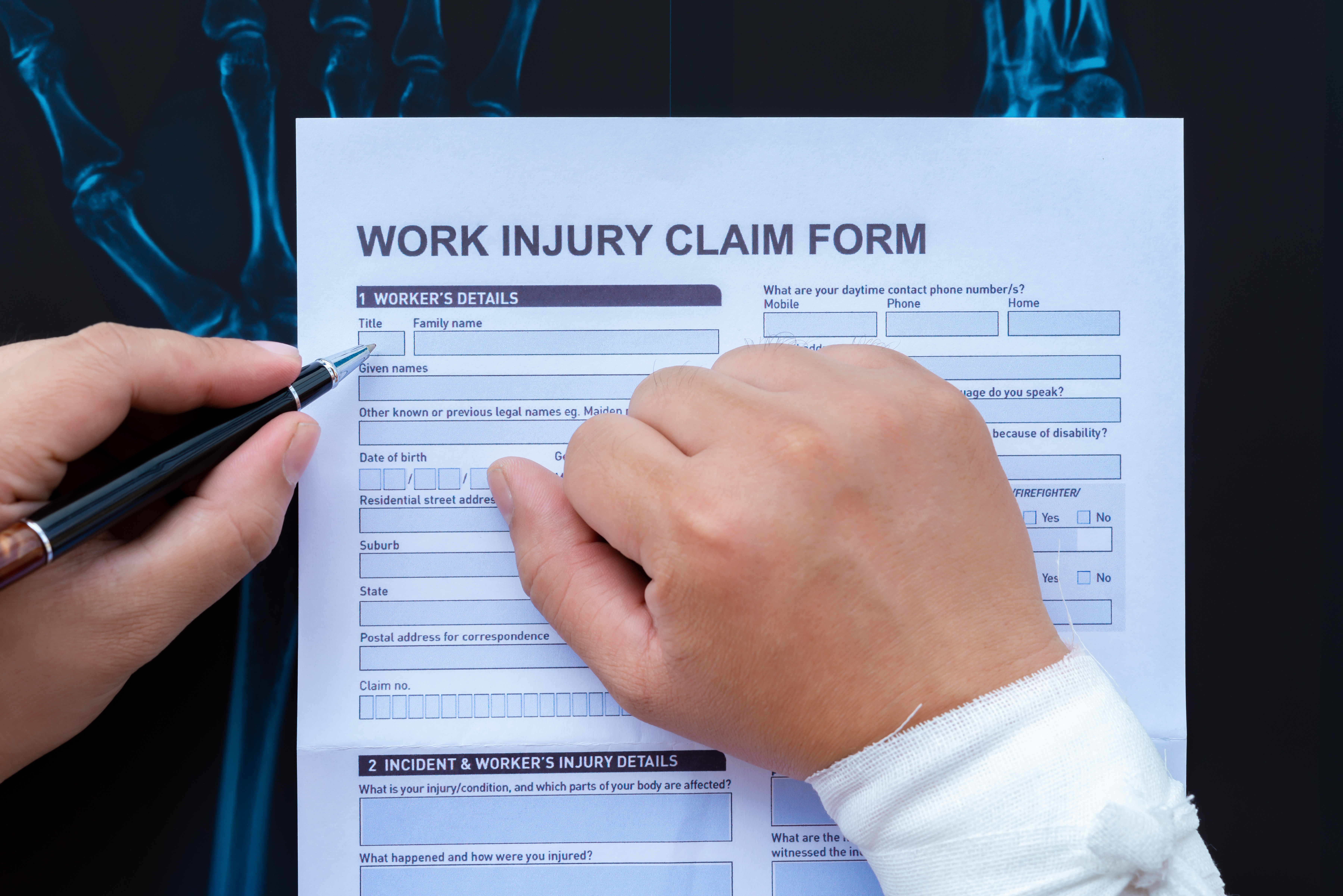
Allied Management operates primarily as a Third-Party Administrator (TPA) specializing in workers’ compensation claims management. They bridge the gap between employers, injured workers, and insurance carriers by overseeing medical treatment, wage reimbursement, and legal compliance required after a workplace injury occurs, ensuring efficient recovery for the employee and cost control for the employer.
Workers’ compensation is a foundational element of the American labor system, designed to provide a "no-fault" safety net for employees while protecting businesses from debilitating litigation. However, navigating the intersection of state mandates, medical necessity, and insurance premiums is notoriously complex. Organizations like Allied Management Services specialize in the granular administration of these claims, moving beyond simple paperwork to provide risk mitigation and medical case management. In 2026, as the workforce continues to evolve with hybrid models and automated industrial environments, understanding the role of a specialized administrator is essential for both HR professionals and staff members.
The Role of Allied Management as a Third-Party Administrator (TPA)
To understand Allied Management workers' compensation, one must first understand the function of a Third-Party Administrator. Unlike a traditional insurance company that may simply sell a policy and pay out claims, a TPA is hired by self-insured corporations or insurance carriers to handle the logistical, medical, and legal aspects of a claim.
Allied Management functions as the operational hub of the claim. When an injury is reported, they are responsible for investigating the validity of the incident, communicating with medical providers to ensure appropriate care, and calculating the exact indemnity (wage replacement) payments owed to the worker. For the employer, this service is invaluable because it removes the administrative burden from internal HR departments while providing expert oversight that can prevent "claim leakage"—the unnecessary costs associated with inefficient processing or fraud.
In the 2026 landscape, Allied Management utilizes advanced data analytics to identify trends in workplace injuries. By analyzing where and how accidents occur across their client base, they provide actionable insights that help businesses improve safety protocols, thereby reducing future premiums and protecting the workforce.
Core Components of the Workers' Compensation Process
When a claim is funneled through Allied Management, it follows a rigorous lifecycle designed to balance speed of care with fiscal responsibility. This process is generally divided into three distinct phases: reporting, adjudication, and recovery.
Initial Reporting and Triage
The process begins the moment an injury occurs. Allied Management emphasizes immediate reporting, often providing 24/7 intake portals. This "triage" phase is critical. In 2026, many of these initial assessments are supplemented by telemedicine, allowing injured workers to speak with a physician via video link within minutes of an incident. This immediate intervention often prevents minor injuries from escalating into chronic conditions and ensures that the "First Report of Injury" (FROI) is filed accurately with state regulators.
Adjudication and Medical Management
Once a claim is filed, an Allied Management claims adjuster is assigned. The adjuster’s role is to determine "compensability"—whether the injury actually occurred within the scope of employment. They review medical records, witness statements, and physical evidence.
Simultaneously, medical case managers—often registered nurses—oversee the treatment plan. They ensure the worker is seeing providers within the approved Medical Provider Network (MPN). This oversight is vital for "Utilization Review" (UR), a process where medical treatments are checked against evidence-based guidelines to ensure they are necessary and effective.
Indemnity and Wage Replacement
If an employee is unable to work for a period exceeding the state’s "waiting period" (usually 3 to 7 days), Allied Management calculates and issues temporary disability payments. These are typically two-thirds of the employee's average weekly wage, subject to state-mandated maximums and minimums. Accuracy here is paramount, as errors in calculation can lead to state audits or legal disputes.
Employer Benefits: Why Businesses Use Allied Management
Employers choose specialized management firms over generalist insurers for several strategic reasons. The primary goal is usually the reduction of the Experience Modification Rate (Ex-Mod). The Ex-Mod is a multiplier applied to insurance premiums based on a company's claims history compared to others in their industry.
- Aggressive Claims Closure: The longer a claim remains open, the more expensive it becomes. Allied Management focuses on "closing" claims by facilitating faster medical recoveries and aggressive return-to-work programs.
- Fraud Detection: While most claims are legitimate, insurance fraud remains a multi-billion dollar issue. Allied Management employs investigative units to identify red flags, such as unwitnessed injuries or delayed reporting, protecting the employer’s bottom line.
- Litigation Management: If a worker hires an attorney, the claim becomes "litigated," which significantly increases costs. Allied Management works to maintain transparent communication with the injured worker to resolve issues before they reach a courtroom, though they also manage the legal defense if litigation is unavoidable.
- Compliance Expertise: Workers’ compensation laws are determined by individual states, not the federal government. A business operating in multiple states (e.g., California, Texas, and Florida) faces vastly different legal requirements. Allied Management provides the localized expertise to ensure compliance in every jurisdiction.
Employee Rights and Responsibilities Under Management
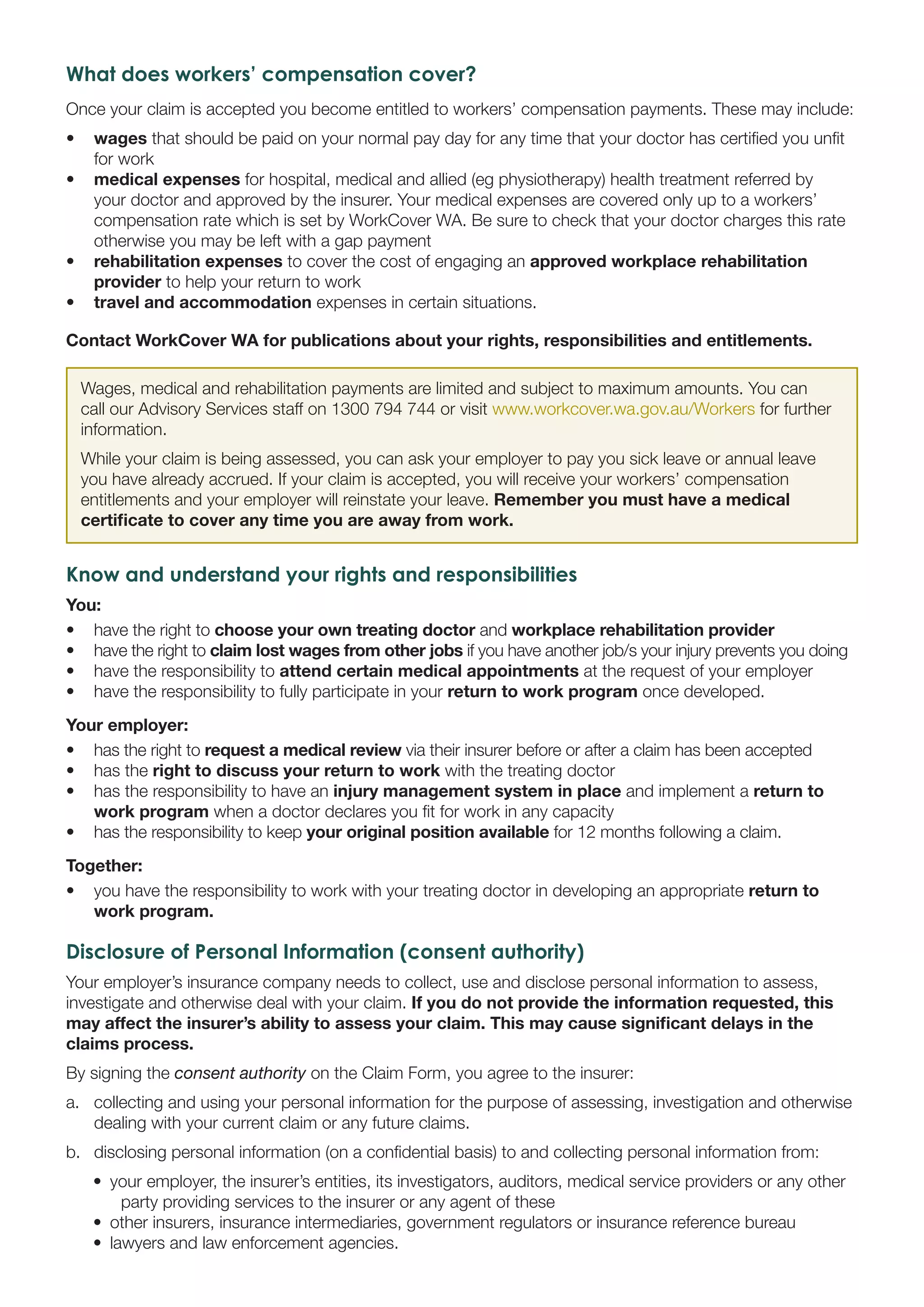
For the employee, the involvement of Allied Management means their claim is being handled by a professional entity rather than just their boss. This provides a layer of objectivity, though it also requires the employee to adhere to specific protocols.
Employees are entitled to all "reasonable and necessary" medical treatment to cure or relieve the effects of the injury. In 2026, this increasingly includes mental health support if the physical injury leads to secondary psychological issues like depression or PTSD.
However, the employee also has responsibilities. They must attend all scheduled medical appointments and "Qualified Medical Evaluations" (QME). Failure to participate in the medical process can give Allied Management the legal grounds to suspend benefit payments. Furthermore, if the employer offers "modified duty" (light-duty work) that fits within the doctor’s restrictions, the employee is generally required to accept it or risk losing their indemnity benefits.
Comparison: TPA Management vs. Traditional Insurance
The following table outlines the operational differences between utilizing a specialized TPA like Allied Management and relying on a standard insurance carrier’s internal claims department.
| Feature | Allied Management (TPA Model) | Standard Insurance Carrier |
|---|---|---|
| Primary Focus | Claims outcomes and cost containment | Policy sales and broad risk pooling |
| Caseloads | Usually lower per adjuster for higher touch | Often higher caseloads per adjuster |
| Medical Network | Highly curated Medical Provider Networks | Broad, generic provider lists |
| Data Transparency | Real-time employer access to claim notes | Periodic summary reports |
| Customization | Tailored return-to-work and safety plans | Standardized, one-size-fits-all protocols |
| Cost Structure | Fee-for-service or percentage of claims | Built into the annual premium |
Legal Framework and State Variations in 2026
As of 2026, workers' compensation remains a state-mandated insurance program. Allied Management must navigate these nuances carefully. For instance, in "monopolistic" states like Ohio or Washington, employers must buy insurance from a state fund, but they can still hire Allied Management to manage the administration of those claims.
In states like California, the system is highly regulated with strict timelines for denying or accepting a claim (usually 90 days). In Texas, workers' compensation is technically optional for employers ("non-subscribers"), but most choose to carry it or a similar private plan managed by administrators to limit their liability for workplace accidents.
It is important to note that workers' compensation is generally an "exclusive remedy." This means that by accepting these benefits, the employee gives up the right to sue the employer for negligence. Allied Management’s role is to ensure this "grand bargain" is upheld by providing the benefits the law requires so that the employer remains protected from civil lawsuits.
Common Challenges in Claims Management
Even with expert management, certain hurdles frequently arise. Understanding these can help stakeholders navigate the system more effectively.
- Delayed Medical Reporting: If a doctor is slow to submit the "PR-2" (Primary Treating Physician's Progress Report), Allied Management cannot authorize the next phase of treatment. This is a common source of frustration for injured workers.
- Maximum Medical Improvement (MMI): This is the point where a doctor determines the worker's condition has stabilized and is unlikely to improve further. Disputes often arise here if the worker feels they are still in pain, while the administrator seeks to transition the claim to "permanent disability" status or closure.
- Subrogation: If a third party caused the injury (e.g., an employee was hit by a car while driving for work), Allied Management will pursue "subrogation." This involves suing the third party's insurance to recoup the money paid out in workers' comp benefits.
Frequently Asked Questions
How do I check the status of my claim with Allied Management?
Injured workers should have a dedicated claim number and the contact information for their assigned claims adjuster. In 2026, Allied Management typically offers a secure online portal or mobile app where workers can view payment schedules, check the status of treatment authorizations, and upload medical documents directly. If you do not have your adjuster's information, contact your employer's HR department to request the "Notice of Provider" form.
What should I do if Allied Management denies my medical treatment?
Denials are often based on the results of a Utilization Review (UR). If a treatment is denied, you have the right to appeal through "Independent Medical Review" (IMR). This involves an independent physician reviewing the medical necessity of the request. It is crucial to adhere to the strict deadlines for filing an appeal, which are usually found on the back of the denial letter.
Can Allied Management choose which doctor I see?
In most states with a Medical Provider Network (MPN), the employer or their administrator (Allied Management) has the right to direct you to a doctor within that network for the initial stages of your care. If you wish to change doctors, you must usually select another physician from within the same network. Some states allow you to "pre-designate" your personal physician before an injury occurs, provided specific paperwork was filed beforehand.
How long does it take to receive my first check?
Once a claim is accepted and it is determined you cannot work, there is typically a waiting period (often 3 days). If your disability lasts longer than a specific duration (usually 14 days), you are often reimbursed for those initial waiting days. Checks are generally issued bi-weekly. If you haven't received a check within 14 days of your injury being reported and accepted, you should contact your adjuster immediately.
What is a "Compromise and Release" settlement?
A Compromise and Release (C&R) is a type of settlement where you receive a lump sum payment to close your claim entirely. This usually means you are giving up your right to future medical care for that injury in exchange for the cash. Allied Management often proposes these to "close out" long-term liabilities. It is highly recommended to consult with a legal professional before signing a C&R, as it permanently ends your access to benefits for that specific injury.
Practical Recommendations for 2026
For Employers: If you are currently using or considering Allied Management, prioritize the integration of your internal safety data with their claims platform. Reducing the "lag time" between an injury and the reporting of that injury is the single most effective way to lower total claim costs. Ensure your managers are trained in "empathetic intake"—treating the injured worker with respect from day one significantly reduces the likelihood of the worker seeking an attorney.
For Employees: Maintain a personal log of every interaction, medical appointment, and symptom. Workers' compensation is a document-heavy system. If Allied Management requests a statement, be factual and specific. Most importantly, follow your doctor's work restrictions precisely, even when you are at home. In 2026, insurers may use various methods to verify that an individual’s physical activity matches their reported disability level.
Disclaimer: This article provides general information about workers' compensation administration and does not constitute legal or financial advice. Laws vary significantly by jurisdiction; consult with a qualified attorney or insurance professional regarding specific claims or policies.