When organizations require high-performance magnetic materials for precision engineering, aerospace, or industrial automation, Alliance LLC stands as a critical link in the supply chain, providing specialized magnetic assemblies and components. Navigating the procurement of these materials requires a clear understanding of magnetic grades, thermal stability, and the specific application requirements that dictate which permanent magnet material—such as Neodymium or Samarium Cobalt—will ensure system reliability and operational longevity.
Understanding the Role of Alliance LLC in Magnet Supply
Alliance LLC functions as a specialized supplier that bridges the gap between raw magnetic material manufacturing and high-precision industrial integration. Unlike general hardware distributors, a supplier focused on high-performance magnets typically provides technical consultation, custom fabrication, and quality assurance that matches the rigorous standards of sectors like medical device manufacturing, automotive electric motors, and defense systems.
In 2026, the global supply chain for rare-earth magnets remains subject to complex regulatory frameworks and material availability fluctuations. Suppliers like Alliance LLC help mitigate these challenges by maintaining inventory of specialized grades that are not readily available through general industrial catalogs. Their role often extends beyond simple distribution to include magnetization profiling, surface coating recommendations to prevent corrosion, and assembly assistance to ensure that the magnets are integrated into the final design without compromising their magnetic properties.
Technical Classification of High-Performance Magnets
To make informed purchasing decisions, one must first categorize the magnets by their chemical composition and performance metrics. High-performance magnets are generally classified by their maximum energy product (BHmax), which is measured in MegaGauss-Oersteds (MGOe).
Neodymium Iron Boron (NdFeB)
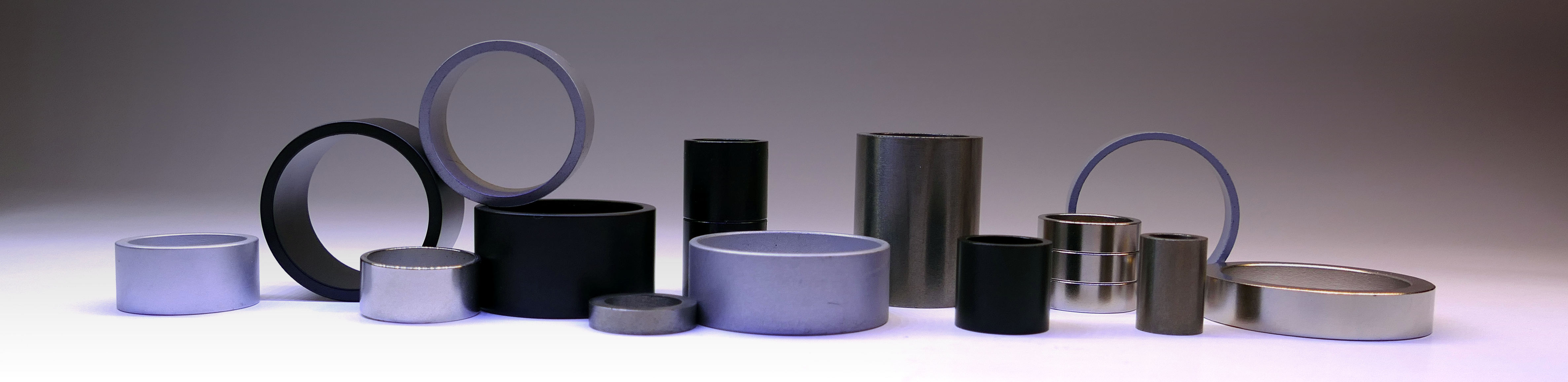
Known as the "king of magnets," NdFeB is the most powerful permanent magnet material available. It is the standard for high-torque motors and high-efficiency actuators. However, it is sensitive to heat; as temperatures rise, the magnetic flux density decreases. Procurement professionals must ensure that the specific "H," "SH," or "UH" temperature grades are selected if the magnet will operate in environments exceeding 80°C.
Samarium Cobalt (SmCo)
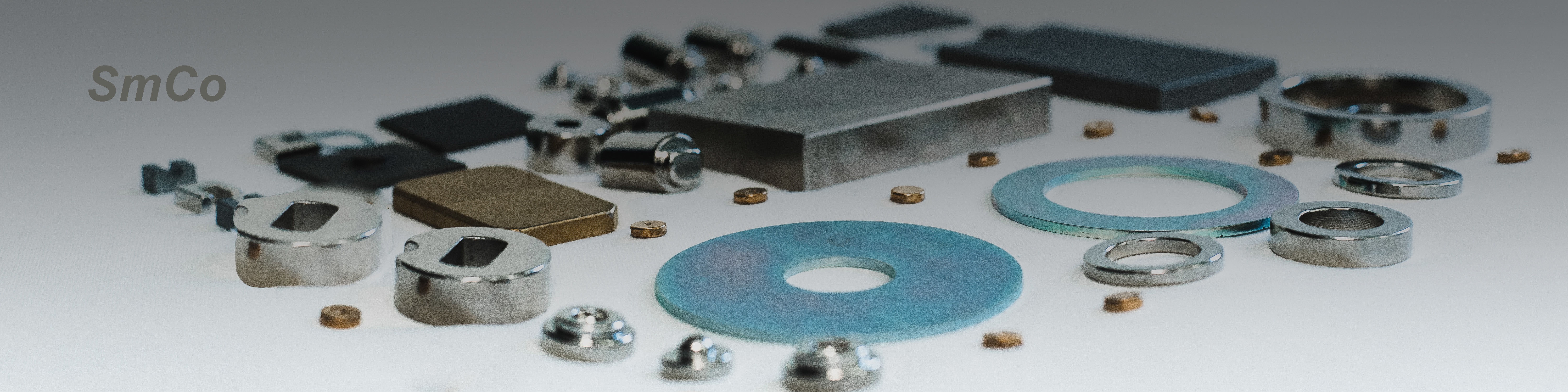
When the application involves extreme temperatures or corrosive environments, SmCo is often preferred over Neodymium. It maintains magnetic integrity at much higher temperatures and is naturally more resistant to oxidation. While it is more brittle and often more expensive than NdFeB, it is the standard for aerospace and vacuum applications where failure is not an option.
Ferrite and Alnico
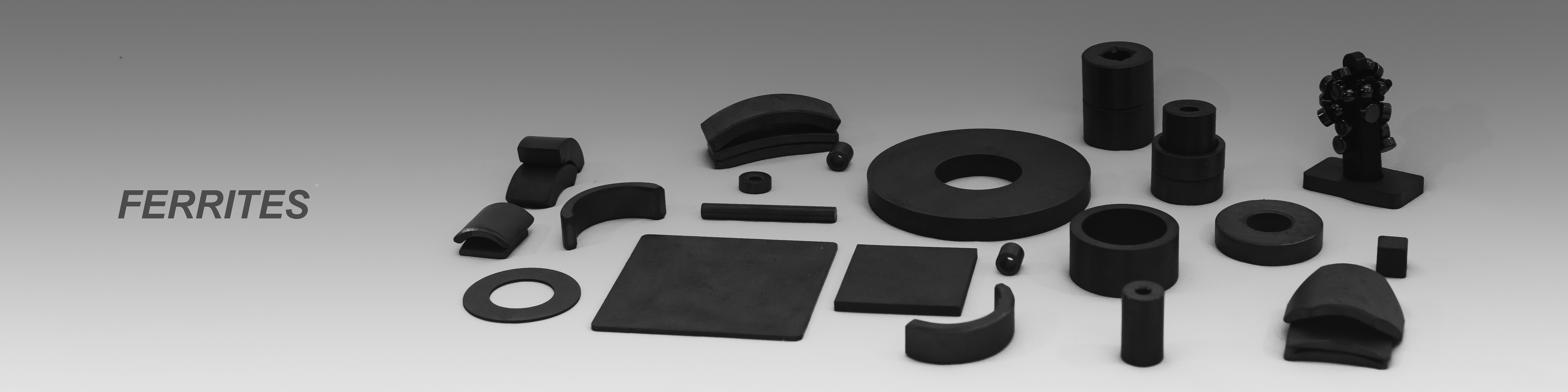
While technically distinct from rare-earth magnets, these are often supplied alongside high-performance materials. Ferrite (ceramic) magnets offer cost-effective solutions for high-volume, low-precision applications, while Alnico is utilized when exceptional temperature stability is required, even if the total magnetic field strength is lower than that of modern rare-earth alloys.
Factors Influencing Procurement Decisions
When sourcing from a supplier like Alliance LLC, technical specifications must be communicated with precision to avoid design failures. The following table provides a comparison of selection criteria for standard high-performance magnet applications.
| Feature | Neodymium (NdFeB) | Samarium Cobalt (SmCo) | Ferrite (Ceramic) |
|---|---|---|---|
| Max Energy (BHmax) | Very High (33–52 MGOe) | Moderate (16–32 MGOe) | Low (1–4 MGOe) |
| Curie Temperature | 310°C–370°C | 700°C–800°C | 450°C |
| Corrosion Resistance | Poor (Requires coating) | Excellent | Excellent |
| Mechanical Strength | Tough | Brittle | Brittle |
| Typical Use Case | EVs, Wind Turbines | Aerospace, Sensors | Speakers, DC Motors |
Environmental and Operational Requirements
The environment in which the magnet resides is the primary driver of material choice. If the magnet is exposed to moisture, chemicals, or salt spray, the coating becomes as important as the magnetic grade. Nickel-Copper-Nickel (Ni-Cu-Ni) is a standard protective plating for Neodymium, but in highly aggressive chemical environments, Epoxy or Gold coatings may be required to prevent the material from oxidizing and shedding particles.
Tolerances and Assembly
High-performance magnets are usually manufactured to tight mechanical tolerances. When an order is placed, clarify whether the magnets will be used in an automated assembly line, which may require specific sizing tolerances (e.g., +/- 0.05mm) to prevent jamming or misalignment during the pick-and-place process.
Steps to Procure and Verify Magnetic Materials
The process of working with a supplier like Alliance LLC involves more than a simple transaction. It requires a documented verification of quality and compliance.
- Define the Application Load: Before requesting a quote, define the operating temperature, required magnetic flux (Gauss), and any physical space constraints.
- Request Material Certification: For industrial applications, ensure that the supplier provides a Certificate of Conformance (CoC) or a full laboratory report detailing the grade and magnetic characteristics of the batch.
- Evaluate Coating Options: Discuss the anticipated environmental exposure with the technical sales team to select the appropriate coating, whether that is Zinc, Nickel, or a specialized polymer.
- Prototype Testing: Never move directly to bulk production. Request sample quantities to verify the magnetic pull force and mechanical fitment in your specific assembly.
- Quality Control Inspection: Upon receipt, verify dimensions and use a calibrated Gauss meter to confirm that the flux density matches the certified specifications.
Common Pitfalls in Magnet Procurement
A frequent mistake in industrial procurement is "over-specifying." Engineers may request the highest energy grade available (e.g., N52 Neodymium) when a lower, more stable grade (e.g., N42SH) would provide better performance at elevated temperatures. Over-specifying often leads to unnecessary costs and, in some cases, a design that is less robust against thermal fluctuations.
Another common oversight is the handling of the magnets. High-performance magnets are dangerous if mishandled. They can exert significant force, leading to pinch injuries, or they can shatter upon impact due to their brittle nature. Proper storage requires non-ferromagnetic containers and distance from sensitive electronics, credit cards, and medical implants like pacemakers.
Troubleshooting Performance Issues
If a magnetic system is not performing as expected, consider the following diagnostic steps:
- Thermal Demagnetization: If the magnet was exposed to temperatures exceeding its designated grade, it may have permanently lost a portion of its magnetic field. Re-testing the pull force at room temperature can confirm if the magnet has been "heat-damaged."
- Corrosion-Induced Weakening: If the surface coating has been scratched or breached, the core material will begin to rust. This can cause physical volume loss and decrease the effective magnetic field.
- Circuit Design: Remember that magnetic field strength is highly dependent on the "magnetic circuit"—the path through which the flux travels. A magnet that appears weak in isolation may perform perfectly when placed within the intended steel yoke or assembly.
Frequently Asked Questions
What certifications should I request for rare-earth magnets?
You should request a Certificate of Conformance (CoC) that guarantees the material grade, physical dimensions, and magnetic property consistency. If the magnets are for medical or aerospace use, inquire about ISO 9001 compliance and, if applicable, RoHS or REACH certifications to ensure compliance with environmental and safety standards.
How do I safely store high-performance magnets?
Store magnets in their original non-ferromagnetic packaging. Keep them away from iron-containing tools and metallic surfaces to prevent sudden, high-velocity collisions. Ensure they are kept at least 12 inches away from electronic devices, magnetic storage media, and medical equipment.
Why does my magnet lose strength over time?
Loss of strength is usually due to improper grade selection (thermal demagnetization) or environmental degradation (corrosion). Additionally, magnets can lose strength if they are placed in a high-intensity opposing magnetic field, which can partially demagnetize the material.
Can Alliance LLC provide custom magnet shapes?
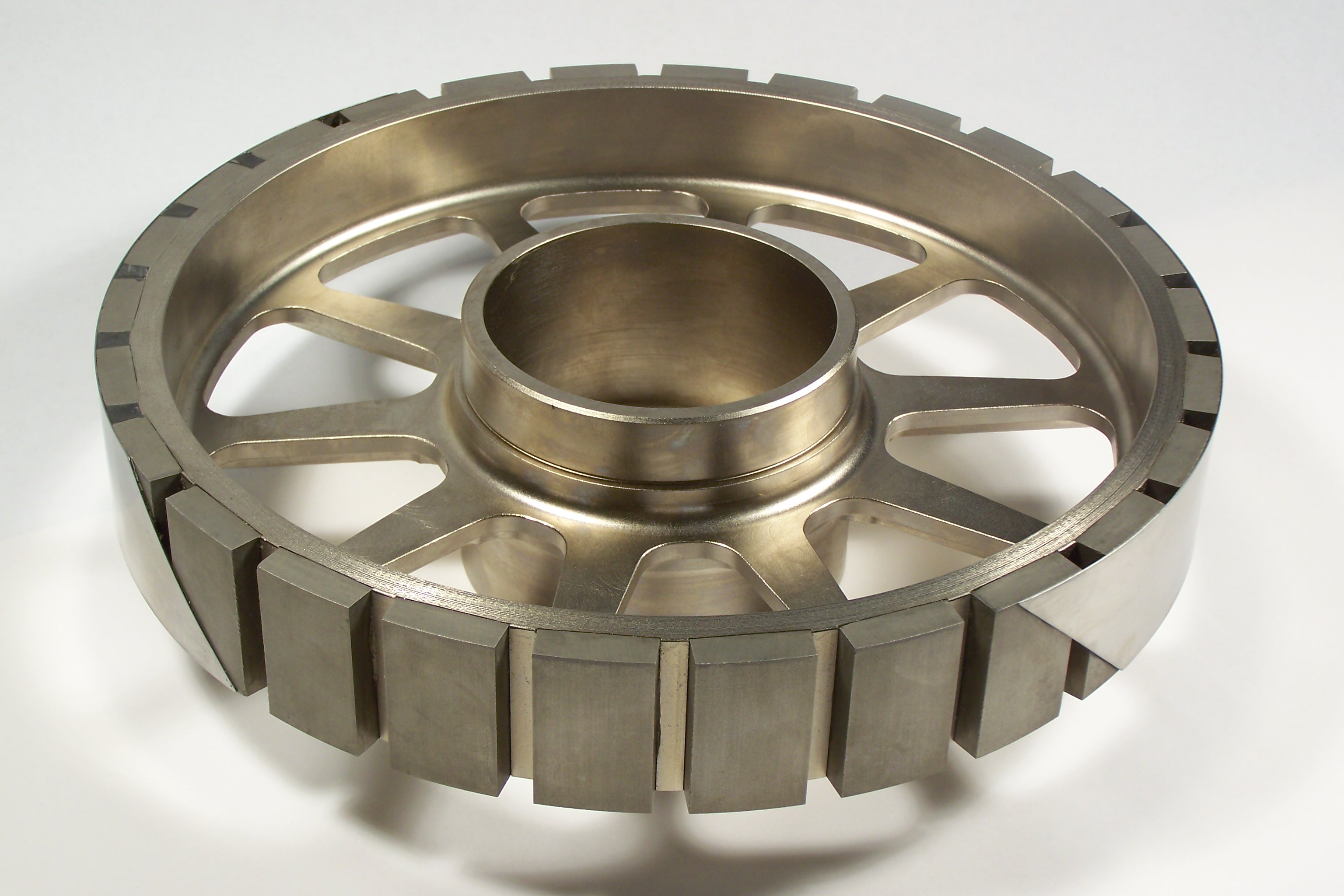
Yes, suppliers of this caliber typically offer custom fabrication services. While standard blocks, discs, and rings are common, many high-performance applications require complex geometries, such as arcs for motor segments or countersunk holes for mechanical mounting, which are achieved through precision grinding and EDM (Electrical Discharge Machining).
What is the typical lead time for custom magnet orders?
Lead times vary based on material availability and the complexity of the geometry. In 2026, standard off-the-shelf items typically ship within 48 to 72 hours, while custom-machined or custom-coated magnets may require four to eight weeks, depending on whether the raw material must be sourced and processed from scratch.
Next Steps for Your Project
To proceed with your procurement, document your system’s operational requirements in a formal request for information (RFI). Specify the temperature ranges, environmental conditions, and mechanical tolerances required. If you are integrating these magnets into a proprietary design, request a non-disclosure agreement (NDA) before sharing sensitive CAD files with the supplier’s engineering team. By aligning your technical requirements with the supplier's fabrication capabilities, you ensure that your magnetic system delivers the high-performance results required for your 2026 projects.