An allergy action plan for schools in practice is a standardized medical document that details a student’s specific triggers, symptoms, and emergency treatment protocols. In 2026, these plans are essential clinical tools used by educators and nurses to provide immediate, life-saving intervention during an anaphylactic event, ensuring student safety across all campus environments.
Managing life-threatening allergies in an educational setting requires more than just a signed piece of paper. It demands a living, breathing strategy that integrates medical precision with daily school operations. As food allergies continue to affect roughly one in thirteen children, the "practice" of these plans has evolved from simple notification to a robust framework of prevention, preparation, and response.
The Core Components of a Functional Allergy Action Plan
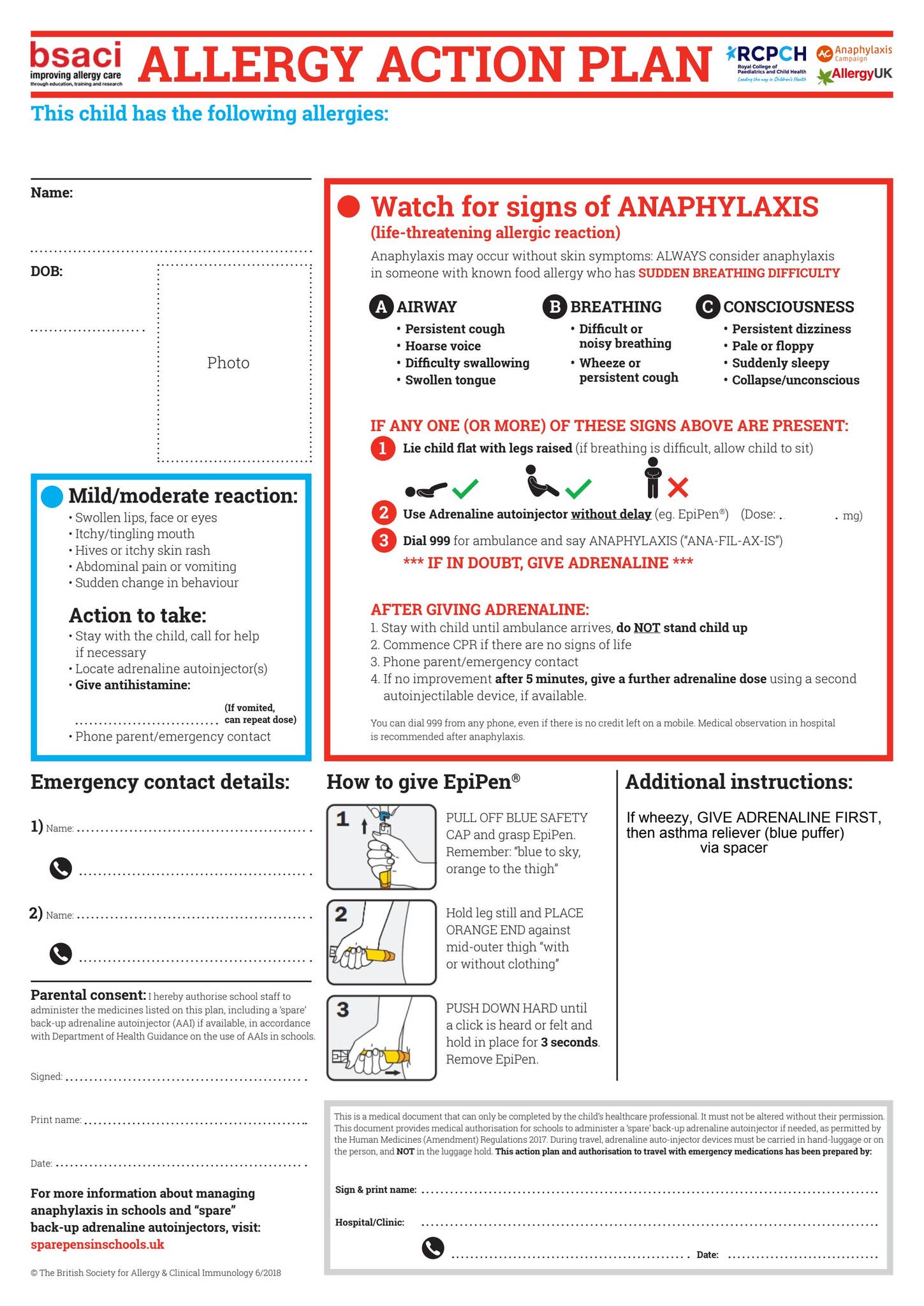
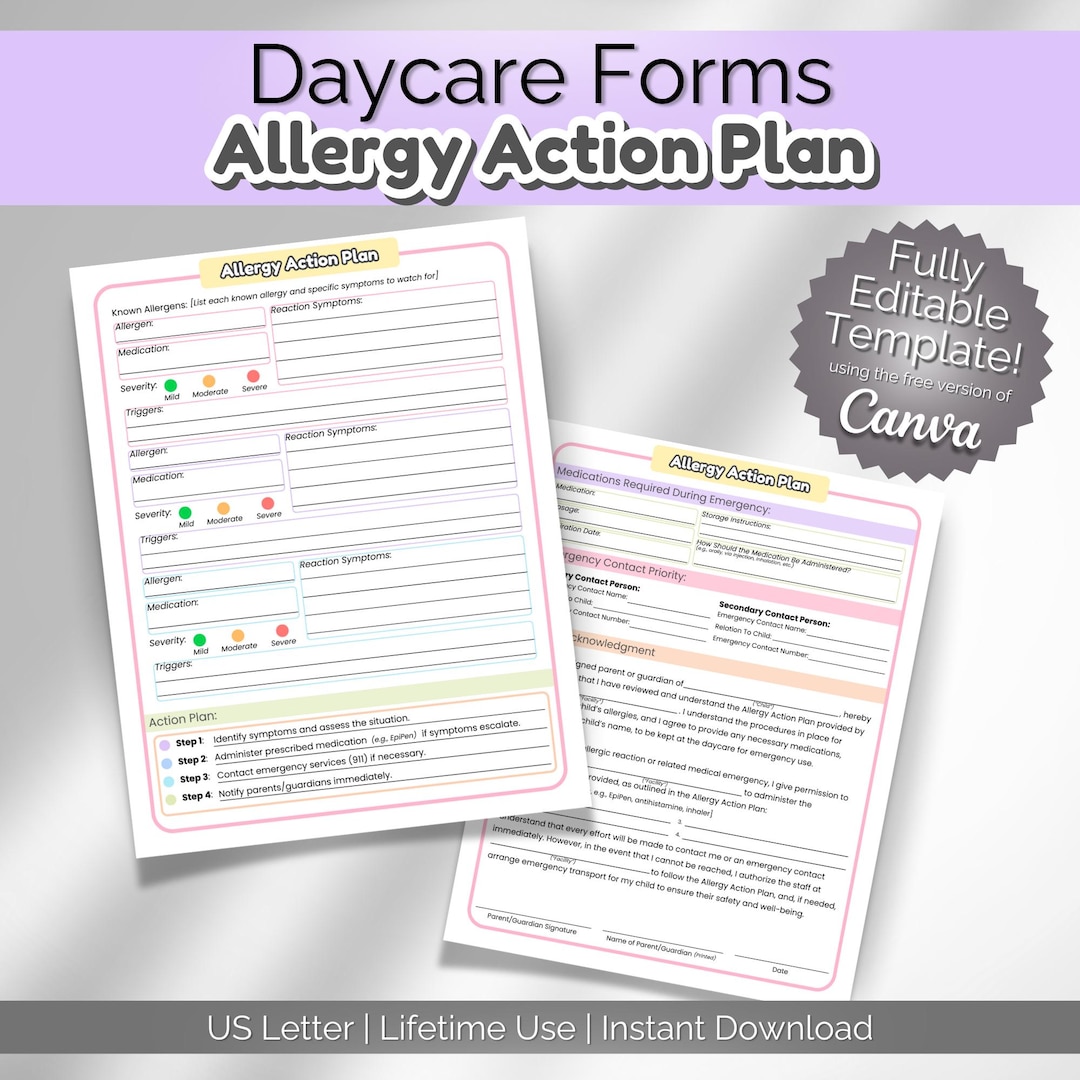
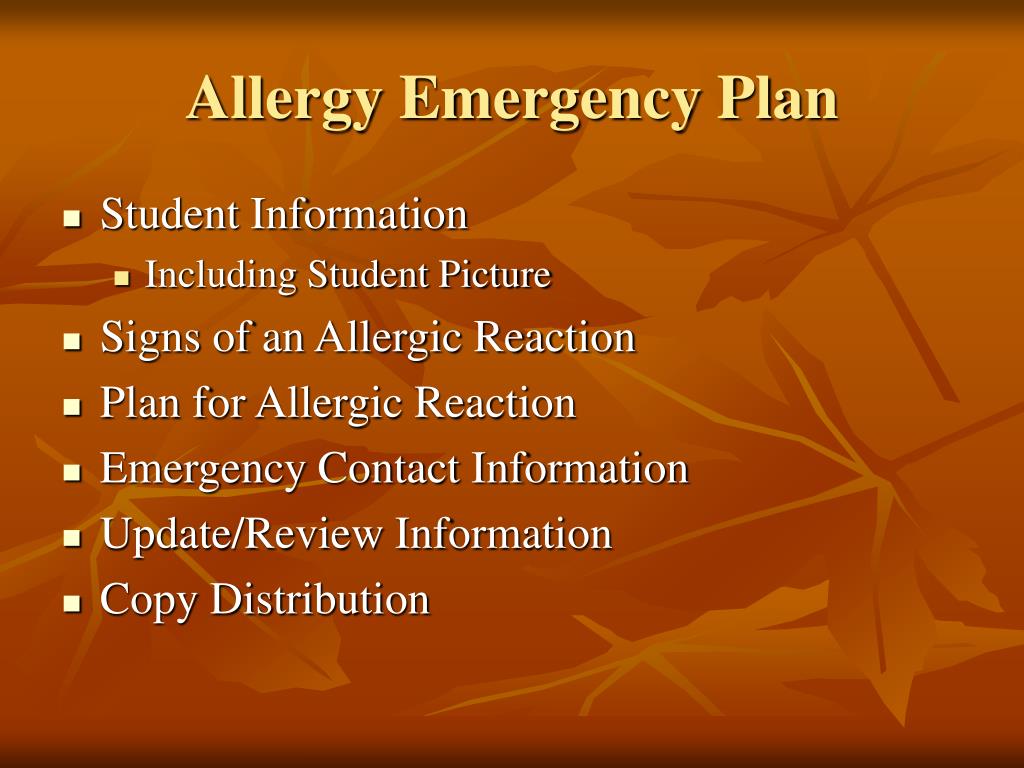
At its heart, an Allergy Action Plan (AAP)—often referred to as an Emergency Care Plan (ECP)—is a directive from a student’s licensed healthcare provider. For the plan to be effective in a school setting, it must contain specific, non-ambiguous data points that any staff member, regardless of medical training, can follow.
Student Identification and Triggers
Every plan must begin with a clear, recent photograph of the student. In a high-stress emergency, visual confirmation is vital, especially for "floating" staff or substitute teachers who may not know the student well. Following identification, the plan must explicitly list allergens. While peanuts and tree nuts are common, the plan must also account for less frequent but equally dangerous triggers like insect stings, latex, or specific medications.
Symptom Recognition and Categorization
A critical failure point in school allergy management is the delay in recognizing symptoms. Effective AAPs in 2026 categorize symptoms into "Mild" and "Severe."
- Mild Symptoms: Might include a few hives, itchy mouth, or mild nausea.
- Severe Symptoms: Include swelling of the tongue, difficulty swallowing, shortness of breath, a "sense of impending doom," or a drop in blood pressure.
The plan must define the threshold for when a "mild" reaction is treated with antihistamines versus when "severe" symptoms necessitate the immediate use of an epinephrine auto-injector.
Medication Orders and Dosage
The AAP serves as the legal authorization for school staff to administer medication. It must specify the exact brand (e.g., EpiPen, Auvi-Q, or generic equivalents) and the dosage (usually 0.15mg for smaller children or 0.3mg for those over 66 pounds). Crucially, the plan should indicate if a second dose of epinephrine is authorized if symptoms do not subside within 5 to 15 minutes.
Integrating the Plan into School Operations
Once the medical document is signed, the "in practice" phase begins. This involves the transition from a clinical document to a school-wide safety protocol. This integration usually happens through three distinct avenues: the Individualized Healthcare Plan (IHP), the Section 504 Plan, and staff training.
The Individualized Healthcare Plan (IHP)
While the AAP comes from the doctor, the IHP is written by the school nurse. The IHP takes the doctor’s orders and applies them to the school day. It answers questions like: Where will the epinephrine be stored? Who will carry it during a fire drill? How will the student be monitored during lunch? The IHP is the bridge between medical necessity and the school’s physical environment.
Section 504 Plans and Legal Protections
Under the Rehabilitation Act of 1973 and the Americans with Disabilities Act (ADA), students with life-threatening allergies are often eligible for a Section 504 Plan. This is a legally binding document that ensures the student has equal access to education by providing accommodations. In practice, this might include "nut-free" tables in the cafeteria, hand-washing protocols for the entire class after snacks, or the requirement that all field trip chaperones be trained in epinephrine administration.
Strategic Medication Placement
In 2026, the debate over "locked" medication cabinets has largely been settled in favor of accessibility. Best practices dictate that epinephrine should be stored in a secure but unlocked location known to all staff, such as a designated cabinet in the nurse’s office or a "red bag" that follows the student to recess and gym class. For older students, "self-carry" protocols are standard, provided the student has demonstrated the maturity and technique to handle their own device.
Training and Emergency Drills
A plan is only as good as the people executing it. In practice, this means that every adult who interacts with the student—teachers, bus drivers, cafeteria staff, and coaches—must undergo annual training.
Recognition and Response Training
Staff must be trained to recognize the "hidden" signs of anaphylaxis. A young child might not say, "I am experiencing airway constriction"; they might say, "My tongue feels hairy" or "There’s a frog in my throat." Training sessions should include "trainer" devices (auto-injectors without needles or medicine) to build muscle memory.
The "Anaphylaxis Drill"
Just as schools conduct fire or active shooter drills, high-performing schools in 2026 conduct "allergy drills." These simulations test the communication chain:
- Detection: A staff member identifies a reaction.
- Activation: The staff member calls for help (using a walkie-talkie or classroom intercom) without leaving the student alone.
- Administration: The trained responder arrives and administers epinephrine.
- EMS Notification: 911 is called immediately, specifying that "anaphylaxis" is occurring and "epinephrine has been administered."
Managing Common Challenges in Practice
Implementing an allergy action plan is rarely without hurdles. Navigating social dynamics and logistical gaps is essential for a truly safe environment.
The Cafeteria and "Safe Seating"
The use of "allergy-free tables" is a common but sensitive topic. While they provide a layer of physical safety, they can lead to social isolation. Many schools now favor "inclusive cleaning" protocols where all tables are cleaned with dedicated, allergen-removing wipes, and students are educated on "no-sharing" food rules to maintain a safer, integrated environment.
Field Trips and Off-Site Events
Field trips represent the highest risk for students with allergies. In practice, the student's AAP and medication must travel with a designated staff member who is trained in administration. The school must also verify that the trip location is within a reasonable response time for local emergency medical services (EMS).
Stock Epinephrine Policies
As of 2026, nearly every state has passed legislation allowing or requiring schools to maintain "stock" epinephrine. These are "unassigned" auto-injectors intended for students who experience their first-ever allergic reaction at school or for those whose personal devices fail. This is a critical safety net, as roughly 25% of anaphylactic events in schools occur in children with no prior history of allergy.
Comparison of School Management Documents
Understanding the differences between the various documents used in school allergy management is vital for administrators and parents.
| Document Type | Source | Legal Status | Primary Purpose |
|---|---|---|---|
| Allergy Action Plan (AAP) | Healthcare Provider | Medical Order | Emergency medical instructions/medication dosage. |
| Individualized Healthcare Plan (IHP) | School Nurse | Clinical Guideline | How the school nurse manages the condition daily. |
| Section 504 Plan | School Team/Parents | Federal Law | Civil rights protection and environmental accommodations. |
| IEP (Individualized Education Program) | Specialized Team | Federal Law | Used if the allergy impacts the student's ability to learn/requires specialized instruction. |
Digital Integration and 2026 Standards
The practice of allergy management has moved significantly toward digital integration. Modern School Information Systems (SIS) now flag students with life-threatening allergies with a digital icon (often a red cross or a medical alert symbol) next to their names in digital grade books and attendance rosters.
When a teacher clicks this icon, the PDF of the Allergy Action Plan is immediately accessible. This ensures that even a substitute teacher taking morning attendance is instantly alerted to the student's needs. Furthermore, some school districts have implemented "Smart" medication cabinets that alert the school nurse’s mobile device the moment an epinephrine kit is removed, streamlining the emergency response.
Common Mistakes in Plan Implementation
Even with a plan in place, certain oversights can jeopardize student safety.
- Expired Medication: One of the most common failures is keeping epinephrine past its expiration date. Schools must have a monthly audit system to check dates and the clarity of the liquid in the device window.
- Vague Instructions: Phrases like "give if needed" are dangerous. A plan should clearly state "Give epinephrine immediately for any of the following..."
- Lack of Post-Administration Protocol: Staff often forget that epinephrine is a temporary fix. It buys time, but it does not stop the reaction permanently. Every AAP must mandate an immediate 911 call and transport to a hospital, as a "biphasic" reaction (a second wave of symptoms) can occur hours later.
FAQs: Allergy Action Plans in Practice
Can a non-medical staff member legally administer an EpiPen?
Yes. In the vast majority of jurisdictions, "Good Samaritan" laws and specific school health statutes protect staff members who administer epinephrine in good faith during an emergency. Most state laws explicitly allow schools to train non-medical personnel (teachers, coaches, admins) to use auto-injectors because the risk of death from anaphylaxis far outweighs the risk of an incorrectly administered injection.
What happens if the student’s doctor and the school nurse disagree on the plan?
The physician’s signed medical order (the Allergy Action Plan) generally takes precedence regarding medical treatment. However, the school nurse has the authority to determine how that order is implemented within the school’s specific environment. If a conflict arises, a meeting involving the parents, the doctor, and the school health team is necessary to resolve discrepancies while prioritizing student safety.
How often should the Allergy Action Plan be updated?
At a minimum, the plan must be updated at the start of every new school year. However, a mid-year update is required if the student’s weight changes significantly (requiring a dosage change) or if they develop a new allergy. A "stale" plan from a previous year is often considered invalid by school districts for the current term.
Does an Allergy Action Plan cover asthma?
While many students with food allergies also have asthma, a standard AAP focuses on anaphylaxis. If a student has both, they should have a separate Asthma Action Plan. It is important to note that if a student is having a severe respiratory reaction and it is unclear if it is asthma or an allergy, epinephrine should be administered first, as it treats both, whereas an inhaler will not stop anaphylaxis.
Is the school responsible for providing the epinephrine?
Typically, parents are responsible for providing the student's personal, unexpired medication as prescribed by their doctor. However, as mentioned, "stock" epinephrine policies mean the school often maintains its own supply for emergency backup use, though this does not replace the parent's obligation to provide student-specific medication.
Practical Recommendation for Schools
To move from a passive plan to an active safety culture, schools should appoint a "Health Coordinator" for each building—usually the school nurse or a trained administrator. This individual should conduct a "medication audit" on the first Monday of every month, checking expiration dates and ensuring all AAPs are digitally accessible. Additionally, schools should transition to using standardized forms from recognized organizations like FARE (Food Allergy Research & Education) or the American Academy of Pediatrics (AAP), as these are widely recognized by EMS and medical professionals.
By treating the Allergy Action Plan as a dynamic operational manual rather than a static document, schools can ensure that every student with a life-threatening allergy is protected by a vigilant, prepared, and well-equipped community.