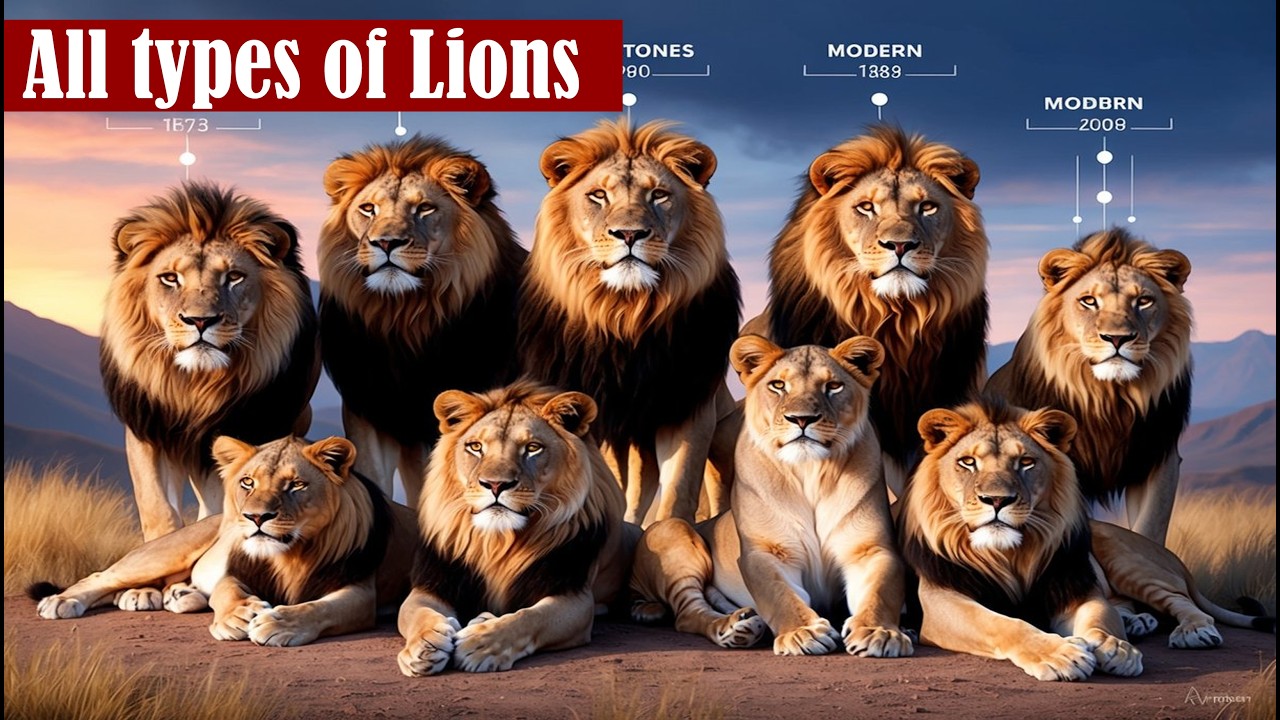
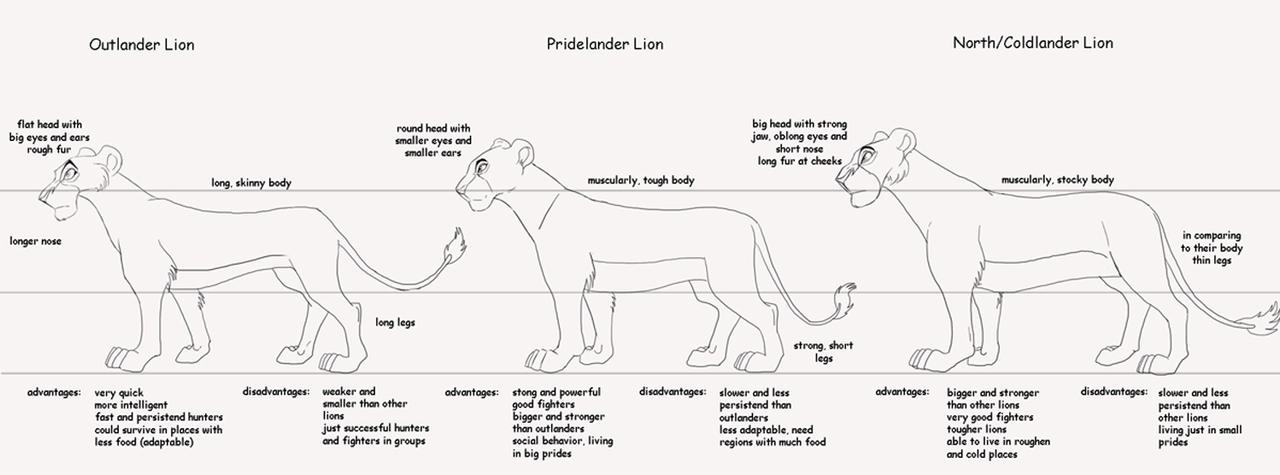
In the current landscape of 2026, the scientific classification of lions has shifted from numerous regional subspecies to two primary recognized subspecies: Panthera leo leo (the Northern lion) and Panthera leo melanochaita (the Southern lion). This guide explains these classifications, alongside extinct prehistoric species and rare genetic color variations.
The Evolution of Lion Taxonomy
For decades, both the scientific community and the general public categorized lions based on their geographic location. This led to the identification of nearly a dozen different subspecies, such as the Barbary lion, the Cape lion, and the Transvaal lion. However, extensive genetic research and morphological analysis conducted by the IUCN SSC Cat Specialist Group culminated in a major taxonomic revision.
The 2017 revision, which remains the gold standard in 2026, streamlined these into just two subspecies. This change was not merely academic; it fundamentally altered conservation strategies. By understanding that West African lions are more closely related to Asiatic lions than to their Southern African counterparts, conservationists have been able to better manage genetic diversity and translocation programs.
Panthera leo leo: The Northern Subspecies
The subspecies Panthera leo leo encompasses lion populations found in West Africa, Central Africa, and a small, isolated population in the Gir Forest of India. This grouping was a surprise to many because it combined African and Asian lions into a single category.
The Asiatic Lion (India)
The Asiatic lion is the only lion population existing outside of Africa. Historically, these lions ranged across Southwest Asia to eastern India. Today, they are confined to the Gir National Park and Wildlife Sanctuary in Gujarat.
Asiatic lions are slightly smaller than their African cousins. The most distinguishing physical feature of the Asiatic lion is a longitudinal fold of skin running along its belly, a trait rarely seen in African lions. Male Asiatic lions also tend to have shorter manes, which often leave their ears visible. Despite their isolation, they are genetically grouped under Panthera leo leo due to their shared ancestry with Northern African populations.
West and Central African Lions
These lions are among the most endangered big cats in the world. Populations in West Africa, such as those in the W-Arly-Pendjari Complex, are critically small. These lions are typically smaller in stature than Southern lions and often live in smaller prides due to the fragmented nature of their prey base and habitat. Their inclusion in the Panthera leo leo subspecies highlights their genetic proximity to the Asiatic lion, suggesting a historical migration route through the Middle East and Northern Africa.
Panthera leo melanochaita: The Southern Subspecies
The subspecies Panthera leo melanochaita refers to the lions of Eastern and Southern Africa. These are the "classic" lions most frequently depicted in wildlife documentaries and found in major reserves like the Serengeti, the Maasai Mara, and Kruger National Park.
Eastern African Populations
Lions in Ethiopia, Kenya, and Tanzania fall under this category. These populations are known for their massive prides and their ability to hunt large megaherbivores like buffalo and giraffes. The lions of the Serengeti are perhaps the most studied predators on earth, providing the bulk of our knowledge regarding lion social hierarchy, territoriality, and hunting strategies.
Southern African Populations
This group includes lions in Namibia, Botswana, Zimbabwe, and South Africa. This region is home to some of the largest individual lions ever recorded. In the Okavango Delta, lions have adapted to semi-aquatic hunting, frequently traversing floodwaters to pursue prey. In the Kalahari, the "Black-maned lions" have adapted to arid conditions, covering vast territories to find food and water.
Historical and Extinct Subspecies
While modern science recognizes only two living subspecies, several distinct types of lions have vanished within historical or prehistoric times. Understanding these "types" provides a window into the evolutionary resilience and eventual vulnerability of the species.
The Barbary Lion (Extinct in the Wild)
The Barbary lion, formerly known as Panthera leo leo in the old classification, was native to the Atlas Mountains of North Africa. They were famous for their massive, dark manes that extended over their shoulders and down to their bellies. While they were declared extinct in the wild in the mid-20th century, some individuals in captivity (notably in the Royal Palace of Morocco) are believed to carry Barbary ancestry.
The Cape Lion (Extinct)
The Cape lion lived in the southern tip of Africa. Similar to the Barbary lion, it was characterized by a very large, dark mane. It was hunted to extinction by the mid-19th century following the arrival of European settlers. Modern genetic testing suggests the Cape lion was likely the southernmost population of Panthera leo melanochaita rather than a separate species.
The American Lion (Panthera atrox)
Extinct for roughly 11,000 years, the American lion was a prehistoric giant. It was approximately 25% larger than modern lions, making it one of the largest felids to ever exist. It roamed North America, from Alaska to Mexico, during the Pleistocene epoch. Unlike modern lions, evidence suggests they may have been more solitary or lived in very small pairs.
The Eurasian Cave Lion (Panthera spelaea)
Frequently depicted in Paleolithic cave paintings, the cave lion was widespread across Europe and Northern Asia. It was slightly larger than the modern lion and adapted to the cold climates of the Ice Age. Recent discoveries of mummified cave lion cubs in the Siberian permafrost have allowed scientists to study their fur and anatomy with unprecedented detail, confirming they lacked the prominent manes of modern lions.
Comparison of Major Lion Types
| Lion Type | Scientific Name | Current Status (2026) | Primary Habitat | Distinguishing Feature |
|---|---|---|---|---|
| Northern Lion | P. l. leo | Endangered | West/Central Africa, India | Genetic link between Africa and Asia |
| Southern Lion | P. l. melanochaita | Vulnerable | East/Southern Africa | Largest extant populations; large manes |
| Asiatic Lion | P. l. leo (sub-pop) | Endangered | Gir Forest, India | Longitudinal belly fold; shorter mane |
| Barbary Lion | P. l. leo (extinct wild) | Extinct in the wild | Atlas Mountains | Massive mane covering the belly |
| American Lion | Panthera atrox | Extinct | North America | 25% larger than modern lions |
| Cave Lion | Panthera spelaea | Extinct | Eurasia | Adapted to cold; likely maneless |
Rare Genetic Variants: The White Lion
A common misconception is that the white lion is a separate subspecies or an albino. Neither is true. White lions are a rare color mutation of the Southern African lion (Panthera leo melanochaita), specifically found in the Timbavati region of South Africa.
This condition is known as leucism, which is caused by a recessive trait that results in a reduction of multiple types of pigment, not just melanin. Unlike albinos, white lions have normal pigmentation in their eyes (usually gold or blue) and paw pads. In 2026, white lions are still found in the wild in very small numbers, though the majority exist in captive breeding programs. There is ongoing debate among conservationists regarding the "value" of breeding white lions, as they are often viewed as a genetic anomaly rather than a conservation priority.
Hypothetical and Misidentified Types
The "Black Lion"
Reports and "photos" of black lions occasionally circulate on social media. However, there is no scientific evidence of melanistic lions ever existing. While melanism is common in other big cats like leopards and jaguars, it has never been documented in the genus Panthera leo. Most "black lion" images are digitally altered or depict lions covered in dark mud.
The Marozi (Spotted Lion)
The Marozi was a rumored "spotted lion" in the mountains of Kenya. While some cryptozoologists believe it was a separate subspecies or a lion-leopard hybrid, scientists generally agree that the Marozi sightings were likely of sub-adult lions who had not yet lost their juvenile spots, or perhaps a localized population with a genetic quirk that caused spots to persist into adulthood.
Prerequisite Factors for Lion Survival in 2026
To understand why these types are classified as they are today, one must look at the environmental and anthropogenic pressures they face.
- Habitat Fragmentation: This is the primary driver of the genetic divergence (and eventual merging) of lion types. As corridors disappear, populations become "islands," leading to the unique traits seen in Asiatic or West African lions.
- Prey Availability: The size and health of a lion "type" are directly correlated with the size of its prey. Southern lions are larger partly because they hunt larger, more abundant herds.
- Human-Wildlife Conflict: This factor is the leading cause of death for lions outside of protected areas. In 2026, integrated fencing and community-based conservation are the primary methods used to protect the remaining Panthera leo leo and Panthera leo melanochaita populations.
Frequently Asked Questions
Are African and Asiatic lions different species?
No, they are the same species (Panthera leo). Under the current taxonomic guidelines, they are even considered part of the same subspecies, Panthera leo leo. While they have physical differences due to thousands of years of isolation, their genetic makeup is similar enough that they are grouped together.
Why are some lions maneless?
Manelessness is often a result of environmental adaptation. In hot, humid environments like Tsavo, Kenya, or in the Gir Forest of India, a large mane can be a liability, causing the lion to overheat. Additionally, manes are linked to testosterone levels; in some areas, environmental factors or genetic bottlenecks can lead to reduced mane growth.
Can different types of lions interbreed?
Yes. All subspecies of Panthera leo can interbreed and produce fertile offspring. This is a key reason why they are classified as subspecies rather than separate species. In captivity, Northern and Southern lions have been crossbred, though this is discouraged in modern conservation to maintain the genetic integrity of the specific lineages.
How many lions are left in the wild in 2026?
Current estimates for 2026 place the total wild lion population at approximately 20,000 to 25,000 individuals. The vast majority of these belong to the Panthera leo melanochaita subspecies in Southern and Eastern Africa. The Northern subspecies (Panthera leo leo) is in a much more precarious position, with fewer than 1,000 individuals in West and Central Africa and roughly 600–700 Asiatic lions in India.
What is the difference between a lion and a mountain lion?
Despite the name, a mountain lion (also known as a cougar or puma) is not a "type" of lion. It belongs to the genus Puma, while true lions belong to the genus Panthera. Mountain lions are more closely related to house cats than they are to African or Asiatic lions.
Expert Recommendation for Wildlife Enthusiasts
For those interested in seeing these various types of lions, it is essential to prioritize ethical wildlife tourism. To see the Southern Lion, the Kruger National Park in South Africa or the Maasai Mara in Kenya offer the best opportunities to see healthy, large prides. To see the Asiatic Lion, the only option is the Gir National Park in India. When choosing a safari or tour, look for operators that contribute a portion of their proceeds to the IUCN Red List conservation efforts or the Lion Recovery Fund, as these organizations are instrumental in ensuring these majestic big cats survive through the 2020s and beyond.