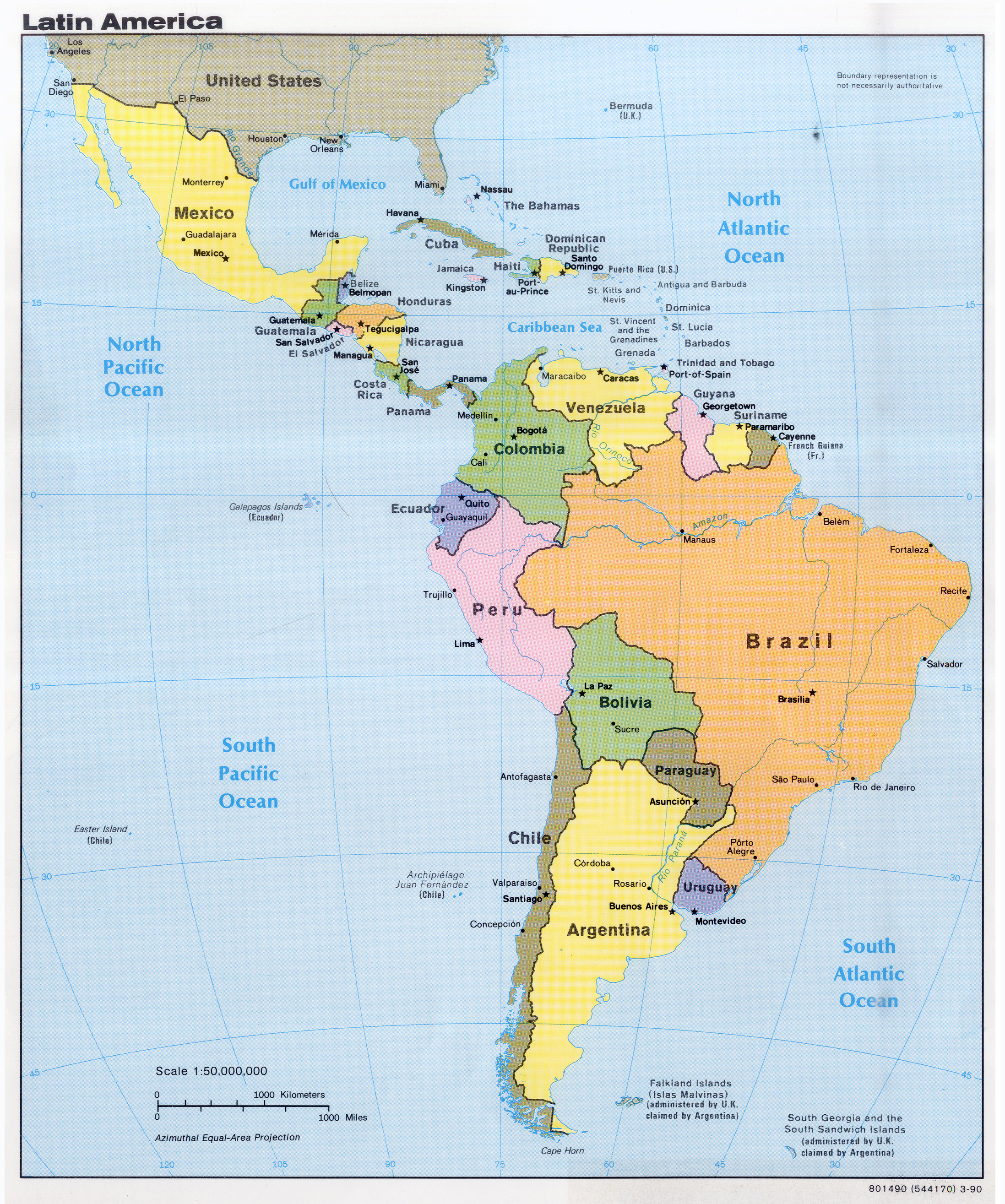
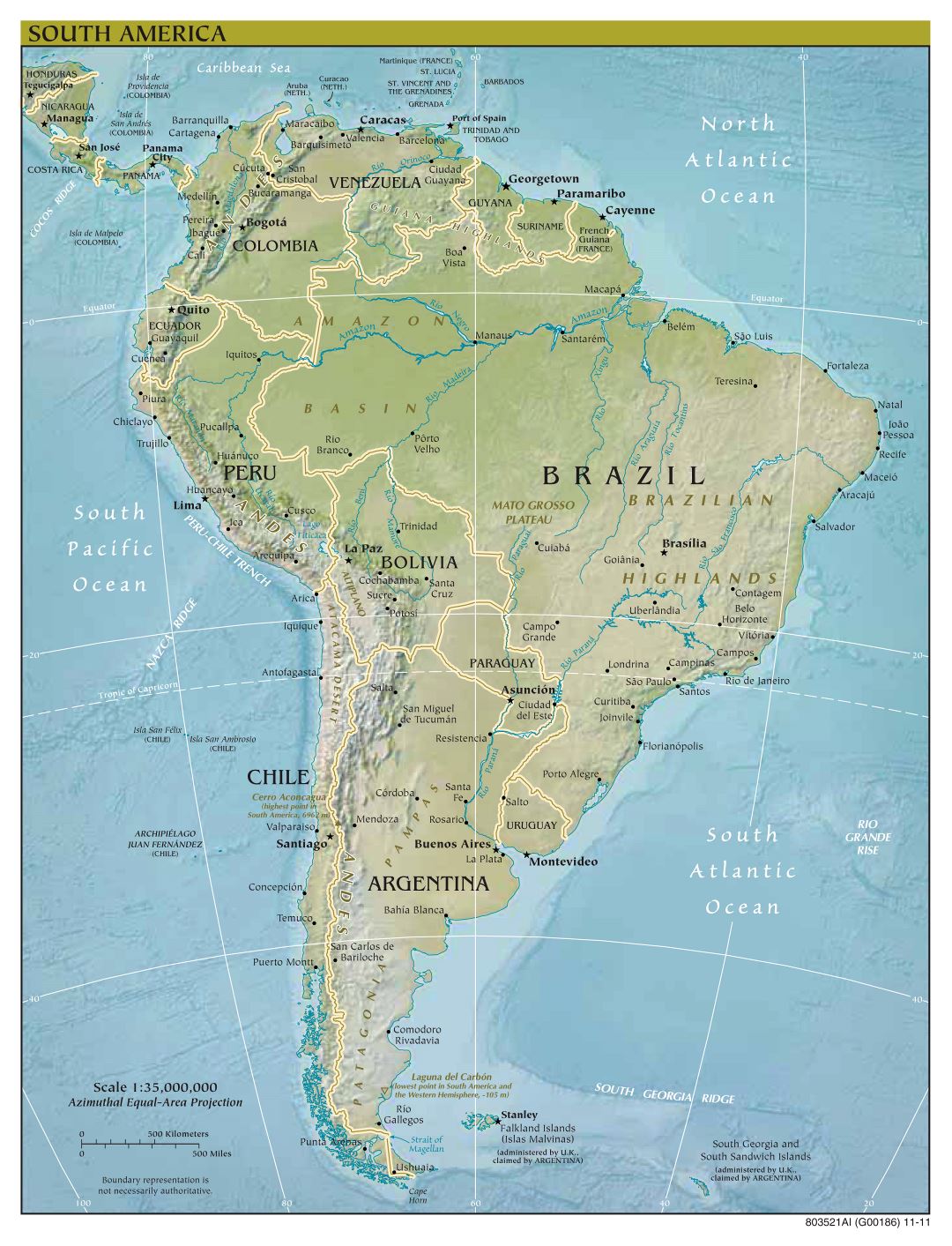
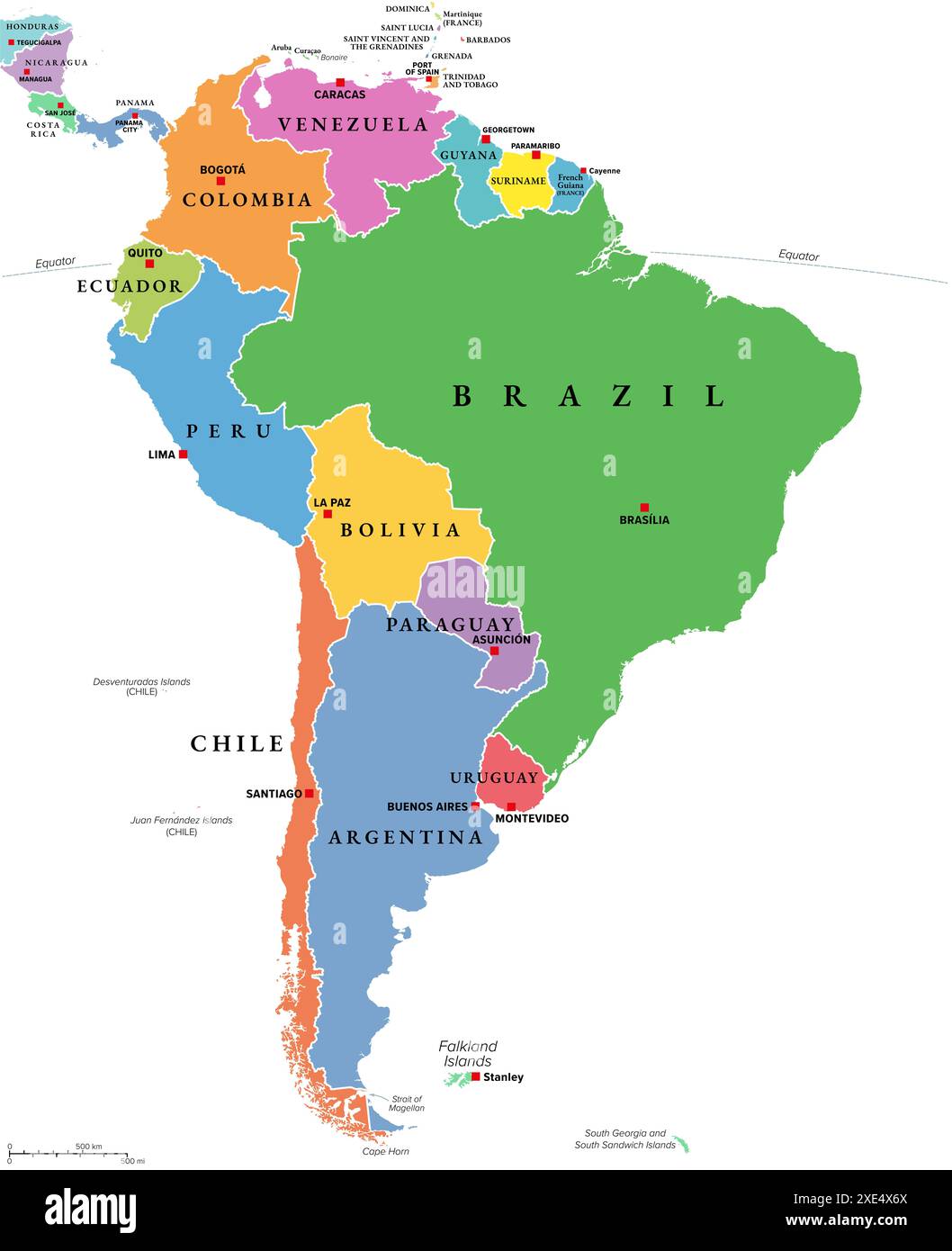
South America is home to 12 sovereign nations and one overseas territory, each featuring a capital city that serves as the epicenter of its political, cultural, and economic life. From the high-altitude administrative centers of the Andes to the bustling coastal metropolises of the Atlantic, these capitals represent a diverse tapestry of colonial heritage and modern urban development.
As of 2026, these cities remain the primary drivers of regional growth and international diplomacy. Understanding the capitals of South America requires looking beyond a simple list; it involves examining the unique geographic challenges, historical foundations, and administrative structures that define each location. This guide provides a detailed breakdown of every capital, including their specific roles, altitudes, and historical significance.
A Complete Reference of South American Capitals
South America is characterized by extreme geographic diversity, which is reflected in its capital cities. While most countries have a single designated capital, Bolivia is unique for maintaining two distinct functional capitals. Additionally, French Guiana, as an overseas department of France, is governed from Cayenne.
The following table provides a comprehensive overview of the capitals across the continent, reflecting data and administrative statuses relevant to 2026.
| Country | Capital City | Elevation (Approx. Meters) | Primary Function |
|---|---|---|---|
| Argentina | Buenos Aires | 25m | National Government & Major Port |
| Bolivia | Sucre / La Paz | 2,810m / 3,640m | Constitutional / Administrative |
| Brazil | Brasília | 1,172m | Federal District & Planned City |
| Chile | Santiago | 570m | National Government & Financial Hub |
| Colombia | Bogotá | 2,640m | Political & Cultural Center |
| Ecuador | Quito | 2,850m | Political Center & Historic Core |
| Guyana | Georgetown | -1m to 0m | Chief Port & Administrative Hub |
| Paraguay | Asunción | 43m | Political & Industrial Center |
| Peru | Lima | 155m | National Government & Culinary Hub |
| Suriname | Paramaribo | 3m | Administrative & Commercial Hub |
| Uruguay | Montevideo | 43m | National Government & Major Port |
| Venezuela | Caracas | 900m | Political & Economic Center |
| French Guiana (FR) | Cayenne | 10m | Territorial Administration |
The High-Altitude Capitals of the Andes
The Andes mountain range, stretching along the western edge of the continent, hosts some of the highest capital cities in the world. These locations present unique logistical and physiological challenges, but they also offer rich historical legacies rooted in both indigenous civilizations and Spanish colonial administration.
La Paz and Sucre, Bolivia
Bolivia’s dual-capital system is a result of historical conflict and regional compromise. Sucre is the constitutional capital, housing the Supreme Court of Justice. It is renowned for its well-preserved colonial architecture and is often referred to as the "White City." However, La Paz serves as the administrative capital, where the executive and legislative branches of the government reside. Sitting in a bowl-shaped depression surrounded by the high Altiplano, La Paz is the highest administrative capital in the world, with its suburbs reaching even higher altitudes.
Quito, Ecuador
Sitting just south of the equator, Quito is the second-highest capital city globally. Founded on the ruins of an ancient Inca city, its historic center is one of the best-preserved in the Americas, leading to its designation as one of the first UNESCO World Heritage sites. In 2026, Quito continues to balance its historical preservation with modern infrastructure needs, particularly in seismic monitoring and sustainable urban transport through its expanded metro system.
Bogotá, Colombia
Bogotá is located on a high plateau known as the Bogotá savanna. Often called the "Athens of South America" due to its numerous universities and libraries, it is a massive metropolitan area that serves as the heart of Colombian commerce. The city’s high altitude (2,640 meters) keeps temperatures cool year-round, despite its proximity to the equator.
The Atlantic and Pacific Coastal Capitals
While the Andean capitals are defined by elevation, the coastal capitals of South America are defined by their historical roles as trade gateways between the continent and the rest of the world.
Buenos Aires, Argentina
Located on the western shore of the Río de la Plata, Buenos Aires is one of the most visited cities in South America. Known for its European-style architecture and vibrant cultural life, it is a major global city. Buenos Aires functions as a federal district, separate from the province of the same name. Its port remains one of the busiest in the world, facilitating the export of Argentina's vast agricultural products.
Lima, Peru
Lima was founded by Spanish conquistador Francisco Pizarro in 1535 and served as the "City of Kings" during the colonial era. Unlike many other capitals that are nestled in the mountains, Lima is situated on the arid Pacific coast. Today, it is recognized globally as a culinary capital, blending traditional Andean ingredients with international techniques. Geographically, it is unique as the second-largest desert city in the world, after Cairo.
Montevideo, Uruguay
Montevideo is often ranked as having the highest quality of life among South American capitals. It sits on the southern coast of the country and serves as the headquarters for Mercosur, the regional trade bloc. The city is known for its relaxed pace, extensive coastal promenade (the Rambla), and its role as a hub for software development and financial services in the Southern Cone.
Georgetown and Paramaribo
On the northern coast, Georgetown (Guyana) and Paramaribo (Suriname) offer a distinct cultural atmosphere compared to their Spanish- and Portuguese-speaking neighbors. Georgetown features Victorian-era wooden architecture and is influenced heavily by Caribbean culture. Paramaribo, a former Dutch colony, is famous for its Dutch colonial buildings and its remarkably diverse population, reflecting roots from India, Indonesia, Africa, and Europe.
The Planned Capital: Brasília, Brazil
Perhaps the most geographically and architecturally significant capital on the continent is Brasília. Unlike most South American capitals that grew organically from colonial settlements, Brasília was meticulously planned and built in the late 1950s.
The decision to move the capital from Rio de Janeiro to the interior was driven by a desire to promote the development of Brazil's vast inland territory and to establish a capital that was not tied to the colonial past. Designed by architect Oscar Niemeyer and urban planner Lúcio Costa, the city is shaped like an airplane (or a bird) when viewed from above. It was inaugurated in 1960 and remains a masterpiece of modernist architecture, characterized by its wide avenues and monumental government buildings. As of 2026, Brasília continues to serve as a symbol of Brazilian federalism, though it faces modern challenges related to urban sprawl and social inequality in its "satellite cities."
Historical Evolution of South American Capitals
The location of these capitals was rarely accidental. During the colonial era, the Spanish and Portuguese crowns established administrative centers based on two primary factors: proximity to resources and ease of communication with Europe.
- Viceroyalties: Cities like Lima and Buenos Aires were the seats of Viceroyalties, making them the most powerful cities in the New World. Their infrastructure was designed to mirror the grandeur of Madrid or Lisbon.
- Strategic Defense: Coastal cities like Caracas and Montevideo were fortified to protect the colonies from pirates and rival European powers.
- Independence Movements: Following the wars of independence in the early 19th century, the newly formed republics often kept the colonial administrative centers as their capitals to ensure continuity of government, though Bolivia chose Sucre as a nod to the revolutionary leader Antonio José de Sucre.
Technical Comparisons and Urban Challenges
In 2026, the capitals of South America face a set of shared technical and environmental challenges. Many of these cities are dealing with the effects of rapid urbanization that occurred throughout the late 20th century.
- Seismic Activity: Capitals like Santiago, Quito, and Lima are located in highly active seismic zones. This has required the implementation of some of the world's most advanced building codes to mitigate the risk of earthquakes.
- Water Management: High-altitude cities like Bogotá and La Paz are increasingly focused on water security as glacial melt and changing precipitation patterns affect their primary reservoirs.
- Public Transit: To combat extreme traffic congestion, cities like Bogotá (with its TransMilenio) and Santiago (with its extensive Metro) have become leaders in urban mobility solutions.
Frequently Asked Questions
What is the highest capital city in South America?
La Paz, Bolivia, is the highest administrative capital in South America (and the world), sitting at an average elevation of 3,640 meters (11,942 feet) above sea level. However, if considering constitutional capitals, Quito, Ecuador, follows closely at approximately 2,850 meters.
Why does Bolivia have two capitals?
Bolivia has two capitals due to a historical conflict between the traditional elite in Sucre and the rising economic and political power in La Paz during the late 19th century. After a civil war in 1899, a compromise was reached: Sucre remained the constitutional and judicial capital, while La Paz became the seat of the executive and legislative branches.
Which South American capital is the largest by population?
As of 2026, Greater Buenos Aires and the metropolitan area of Bogotá are among the most populous. However, if looking strictly at city limits, Lima and Bogotá often vie for the top spot. When considering the largest metropolitan area associated with a capital, Buenos Aires remains a massive urban conglomerate with over 15 million residents in the wider region.
Is French Guiana a country?
No, French Guiana is an overseas department and region of France. Its capital is Cayenne. Because it is part of France, it uses the Euro as its currency and is part of the European Union, making it a unique anomaly on the South American continent.
Which capital was built specifically to be a capital?
Brasília is the most famous example of a planned capital in South America. It was constructed in just 41 months between 1956 and 1960 to replace Rio de Janeiro as the capital of Brazil.
Practical Recommendations for Travelers and Researchers
When researching or visiting these capitals, it is essential to account for the geographic and political nuances of each location. For those traveling to high-altitude capitals like Quito, Bogotá, or La Paz, a period of acclimatization is necessary to avoid altitude sickness.
For researchers focusing on regional policy, it is important to distinguish between the "Greater Metropolitan Areas" and the "City Districts," as population and economic data can vary significantly depending on the boundaries used. For the most accurate up-to-date socio-economic statistics, consult official government portals such as the Instituto Brasileiro de Geografia e Estatística (IBGE) for Brazil or the Instituto Nacional de Estadística y Censos (INDEC) for Argentina.