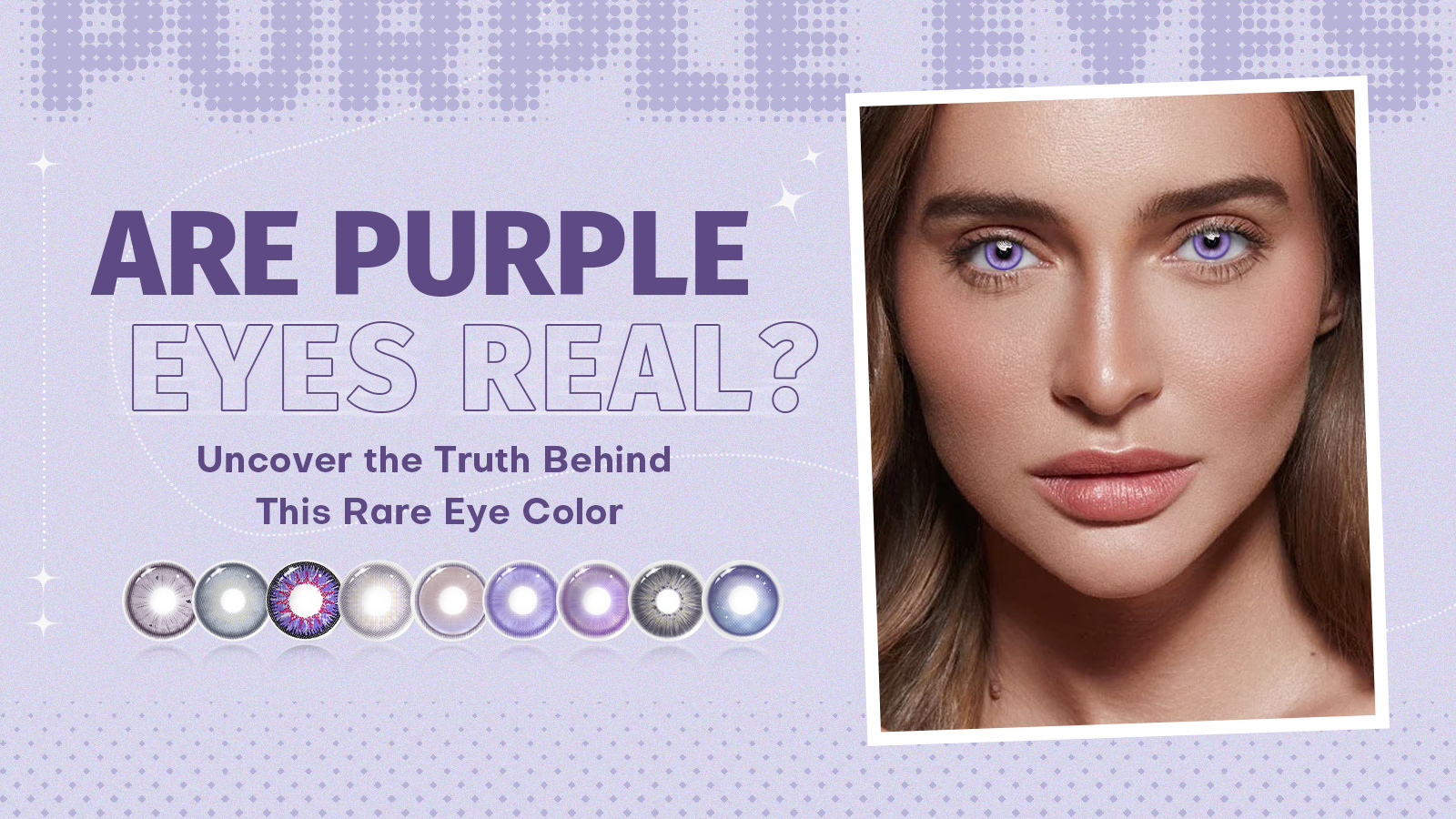
The phenomenon known as "Alexandria’s Genesis" describes a widely circulated internet myth claiming that individuals with a specific genetic mutation possess violet or purple-colored eyes, accompanied by superior health, longevity, and other superhuman traits. Despite its persistent presence in online folklore since the late 1990s, there is no scientific, medical, or genetic evidence to support the existence of this condition.
Origins of the Alexandria Genesis Legend
The story of Alexandria’s Genesis is a classic example of "creepypasta"—an urban legend that spread through early message boards, email chains, and later, social media platforms. The narrative typically follows a consistent, fictionalized structure: a young girl named Alexandria Augustine was born in London in 1329 with grey eyes that turned a deep, vibrant violet shortly after birth.
Proponents of the myth often assert that this mutation was a result of a spontaneous genetic event and that those affected are purportedly blessed with an immunity to common illnesses, a complete lack of body waste, and an extended lifespan reaching up to 150 years. As this story migrated from the nascent web into modern digital spaces, it became a fixture of "genetic curiosity" forums. However, it is essential to distinguish between this fabricated narrative and the documented reality of human genetic variation.
The Science of Human Eye Color
To understand why the purple eye myth is biologically impossible, one must first examine how eye color is determined. Human eye color is a polygenic trait, meaning it is influenced by the interaction of multiple genes, most notably OCA2 and HERC2, which regulate the production and concentration of melanin in the iris.
Melanin is the primary pigment responsible for the spectrum of human eye color, ranging from light blue to dark brown.
- Brown Eyes: High concentrations of melanin in the stroma of the iris.
- Blue/Grey Eyes: Low levels of melanin, causing light to scatter (the Tyndall effect), much like the way the atmosphere makes the sky appear blue.
Because there is no biological mechanism for the production of purple or violet pigment in the human iris, "purple" eyes simply do not exist as a naturally occurring genetic trait. While certain lighting conditions, makeup, or the wearing of colored contact lenses can create the optical illusion of violet irises, this is purely aesthetic and unrelated to any underlying genetic mutation.
Comparative Analysis of Eye Color Mutations
To provide context on how rare eye conditions actually manifest, we can look at documented medical phenomena. While true "purple" eyes are not a documented trait, there are several known conditions that result in atypical iris pigmentation.
| Condition | Cause | Clinical Appearance |
|---|---|---|
| Ocular Albinism | Reduced pigment in the iris | Often pale blue or pinkish due to blood vessels |
| Heterochromia | Genetic variation in melanin | Two different colors within one or both eyes |
| Waardenburg Syndrome | Genetic mutation affecting neural crest cells | Often causes bright, piercing, pale blue eyes |
| Alexandria’s Genesis | Fictional folklore | Violet or purple (No biological basis) |
The table above illustrates that while genetic mutations can significantly alter the appearance of the eye, they are bound by the chemistry of human pigmentation. Even in extreme cases of albinism, the lack of melanin does not result in a violet hue; it results in a lack of color, sometimes appearing pinkish or reddish because the blood vessels at the back of the eye are visible through the translucent iris.
Why the Myth Persists in Digital Culture
The longevity of the Alexandria’s Genesis myth is driven by psychological factors rather than scientific ones. Humans are naturally fascinated by rare genetic traits, and the promise of a "superhuman" evolution appeals to the imagination. The myth functions as an "internet miracle" that allows individuals to feel they are part of an exclusive, hidden group.
Furthermore, the lack of a central, authoritative source for the myth—combined with the ease of sharing images digitally—has allowed it to evolve. Every few years, a new social media post or forum thread "rediscovers" the story, often adding new, unsubstantiated details to make the claim seem more plausible. In 2026, the persistence of this myth serves as a reminder of the critical importance of digital literacy and the necessity of verifying extraordinary claims through peer-reviewed medical and genetic research.
Common Misconceptions and Troubleshooting the Facts
Individuals often confuse the myth with legitimate medical inquiries. If you are researching this topic, it is helpful to categorize common questions to avoid falling for misinformation:
1. Can people with blue eyes have children with purple eyes? No. Eye color inheritance is complex, but it is restricted to the range of brown, hazel, green, and blue. There is no recessive gene for "purple" pigmentation in humans.
2. Is there a medical test for Alexandria’s Genesis? No. Because the condition does not exist, no genetic screening or diagnostic test exists to identify it. Any product or service claiming to test for this mutation is fraudulent.
3. Are there historical figures who had purple eyes? While some celebrities, such as Elizabeth Taylor, were famously noted for having violet-hued eyes, this was not a genetic mutation. Her eyes were a very rare, pale blue-grey shade that, when combined with specific lighting, stage makeup, and contrast against her dark hair, appeared violet.
4. Could a future genetic modification cause purple eyes? While modern gene-editing technologies (such as CRISPR-Cas9) are theoretically capable of altering pigmentation in controlled laboratory settings, there is no medical or ethical framework for creating "purple eyes." Furthermore, eye color is controlled by multiple genes, making the modification of a single trait highly complex and potentially risky to vision health.
Addressing Health and Wellness Claims
The most dangerous aspect of the Alexandria’s Genesis myth is the claim that those affected have "superior" health, are immune to disease, or do not produce bodily waste. These claims are entirely unfounded.
Biologically, all human beings share the same fundamental metabolic processes. The idea that a single, mythical genetic mutation could bypass the necessity of homeostasis—the process by which the body maintains stable internal conditions—is physically impossible. If you encounter individuals or online groups attempting to sell "supplements" or "genetic activation programs" that claim to help you achieve the traits of Alexandria’s Genesis, you should consider these highly suspicious and potentially harmful. Relying on such misinformation can lead to the neglect of legitimate health concerns or financial exploitation.
Seeking Authentic Genetic Information
If you are interested in genetics, eye color, or rare ocular conditions, there are reputable sources available to provide accurate information. Instead of relying on urban legends, you can consult:
- The National Institutes of Health (NIH): Provides comprehensive databases regarding genetic disorders and the OCA2 gene.
- The American Academy of Ophthalmology (AAO): Offers reliable information on the biology of the iris and conditions that affect eye color.
- Peer-Reviewed Journals: Search platforms like PubMed or Google Scholar allow you to look up actual studies on human iris pigmentation and genetic mutations.
Final Recommendation for the Curious
The story of Alexandria’s Genesis is a fascinating piece of internet history, but it occupies the realm of fantasy, not biology. When encountering such myths, apply a "four-step verification" process:
- Identify the source: Is it a scientific institution or an anonymous social media user?
- Search for peer review: Is the claim supported by published medical literature?
- Assess biological feasibility: Does the claim violate known laws of human anatomy or chemistry?
- Beware of commercial ties: Is someone trying to sell you something based on the claim?
If a biological trait sounds too extraordinary to be true—such as glowing eyes, purple irises, or a immunity to biology itself—it is almost certainly a myth. By focusing on the genuine, complex beauty of human genetics, you can better appreciate the reality of our biological diversity without needing to rely on the fabrication of the purple eye myth.