Having a moderate drink or glass of wine after receiving your annual influenza vaccination will not typically ruin your body's immune response, but abstaining for a short period is often advised by medical professionals to help manage potential side effects and support optimal immune function.
Receiving the annual influenza vaccine is one of the most effective ways to protect yourself and your community against circulating flu strains. As millions of people line up for their annual shots at pharmacies, clinics, and workplaces, questions frequently arise regarding post-vaccination lifestyle choices. Among the most common inquiries is whether it is safe to consume alcohol after getting the injection. While there is no strict, absolute medical ban on having an occasional drink after your flu shot, understanding how alcohol interacts with your immune system, influences side effects, and impacts overall recovery can help you make an informed decision about your health.
Understanding How the Flu Vaccine Works
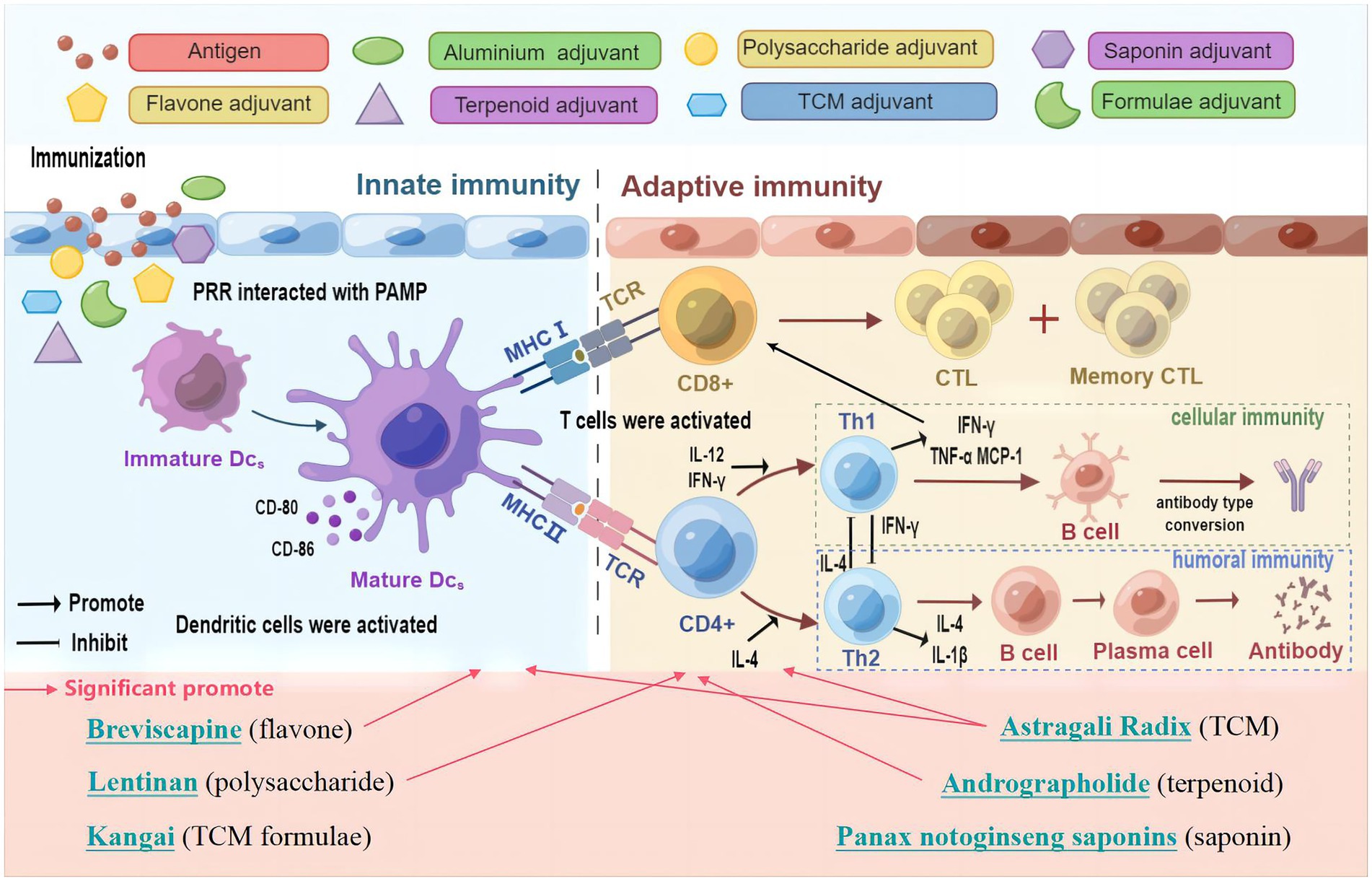
To understand why alcohol consumption matters after vaccination, it helps to look at the mechanics of how the flu shot stimulates the human body. The influenza vaccine introduces inactivated (killed) or weakened viral antigens to your immune system. These antigens cannot cause the flu, but they act as a training blueprint.
When your immune system detects these foreign proteins, white blood cells—specifically B-cells and T-cells—go to work. They identify the specific markers on the viral surface, produce targeted antibodies, and establish immunological memory. If you are exposed to the live influenza virus later in the season, your primed immune system recognizes it immediately and mounts a rapid defense, preventing severe illness, hospitalization, or worse outcomes.
This entire process requires significant cellular energy, protein synthesis, and precise biochemical signaling. Anything that disrupts cellular communication, causes systemic inflammation, or suppresses immune cell proliferation can theoretically blunt the effectiveness of this immune response or make the subsequent adjustment period more uncomfortable.
The Physiological Impact of Alcohol on the Immune System
Alcohol is a systemic toxin and a central nervous system depressant that affects nearly every organ system in the body, including the immune system. The extent of this impact depends heavily on the quantity and frequency of consumption.
Acute vs. Chronic Consumption
There is a distinct difference between having a single glass of beer or wine and engaging in heavy or binge drinking:
- Moderate Consumption: Occasional, low-to-moderate alcohol intake (such as one standard drink for women or up to two for men per day) has a minimal, transient effect on a healthy immune system. It is unlikely to significantly derail the vaccine response.
- Heavy or Binge Drinking: Binge drinking (consuming four or more drinks for women, or five or more for men, within a two-hour window) actively suppresses immune function. It impairs the ability of macrophages and neutrophils to fight pathogens, reduces lymphocyte proliferation, and disrupts the gut microbiome, which plays a massive role in regulating systemic immunity.
If heavy drinking occurs immediately after vaccination, it can compromise the body's ability to efficiently process the vaccine antigens and build robust, long-lasting antibody titers.
Potential Side Effects of the Flu Shot and How Alcohol Interacts With Them
Most people experience mild, temporary side effects following an influenza vaccination. These are signs that your immune system is responding actively to the shot. Common side effects include:
- Soreness, redness, or swelling at the injection site
- Low-grade fever
- Mild fatigue
- Headaches
- Muscle aches (myalgia)
Consuming alcohol can exacerbate several of these symptoms, making you feel significantly worse than you would otherwise.
| Flu Shot Side Effect | Potential Impact of Alcohol |
|---|---|
| Injection Site Pain | Alcohol does not directly worsen arm soreness, but systemic discomfort can amplify your perception of pain. |
| Dehydration | Alcohol is a potent diuretic. Combined with a mild fever or immune response, it accelerates dehydration, worsening headaches and fatigue. |
| Fatigue & Brain Fog | As a central nervous system depressant, alcohol deepens lethargy and impairs cognitive clarity during a time when rest is critical. |
| Stomach Upset | Both the immune response and alcohol can irritate the gastrointestinal tract, leading to nausea. |
Furthermore, if you take over-the-counter pain relievers such as ibuprofen or acetaminophen to manage your flu shot side effects, mixing those medications with alcohol introduces additional strain on your liver and stomach lining.
Guidelines from Health Authorities
Major public health institutions, such as the Centers for Disease Control and Prevention (CDC) and the World Health Organization (WHO), do not list alcohol avoidance as an official prerequisite for receiving the influenza vaccine. Official guidance focuses primarily on checking for severe allergies to vaccine components, ensuring you are not experiencing an acute, moderate-to-severe febrile illness at the time of the injection, and reporting any history of Guillain-Barré syndrome.
However, clinical advisors and primary care physicians frequently recommend moderation or abstaining from alcohol for 24 to 48 hours post-vaccination. This precautionary window aligns with the peak period of systemic side effects. If your body is already managing a low-grade fever and immune activation, withholding alcohol gives your system the best possible environment to recover quickly without unnecessary physiological stress.
Common Myths and Misconceptions
Several persistent myths surround alcohol and vaccination:
- Myth: Alcohol sterilizes your blood and kills the vaccine. Fact: The flu vaccine does not contain a live, replicating virus in standard injectable forms, and alcohol consumed orally does not act as an internal antiseptic or disinfectant.
- Myth: Drinking heavily the night before makes you immune-hardened. Fact: Chronic or acute heavy drinking suppresses immune function, making you more susceptible to infections, not less.
- Myth: A single beer will completely negate the vaccine. Fact: Clinical evidence does not suggest that a single, moderate drink ruins antibody production. The concern is primarily tied to heavy consumption and systemic dehydration.
Practical Recommendations for Recovery and Post-Vaccination Care
To maximize your comfort and ensure your immune system performs at its best after getting your flu shot, consider adopting the following practical strategies:
- Prioritize Hydration: Drink plenty of water before and after your vaccination. Proper hydration supports cellular transport and helps mitigate headaches and fatigue.
- Get Adequate Rest: Allow your body time to rest. Sleep is the primary window during which the immune system consolidates memory and manufactures antibodies.
- Delay Alcohol Consumption: If you plan to drink, consider waiting at least 24 hours until any localized soreness or low-grade systemic symptoms have resolved.
- Monitor Medications: Avoid mixing alcohol with pain relievers used to treat vaccine side effects to protect your liver and digestive tract.
- Consult Your Doctor: If you have underlying chronic health conditions, take immunosuppressive medications, or have specific concerns about your vaccine response, consult your healthcare provider for personalized medical advice.