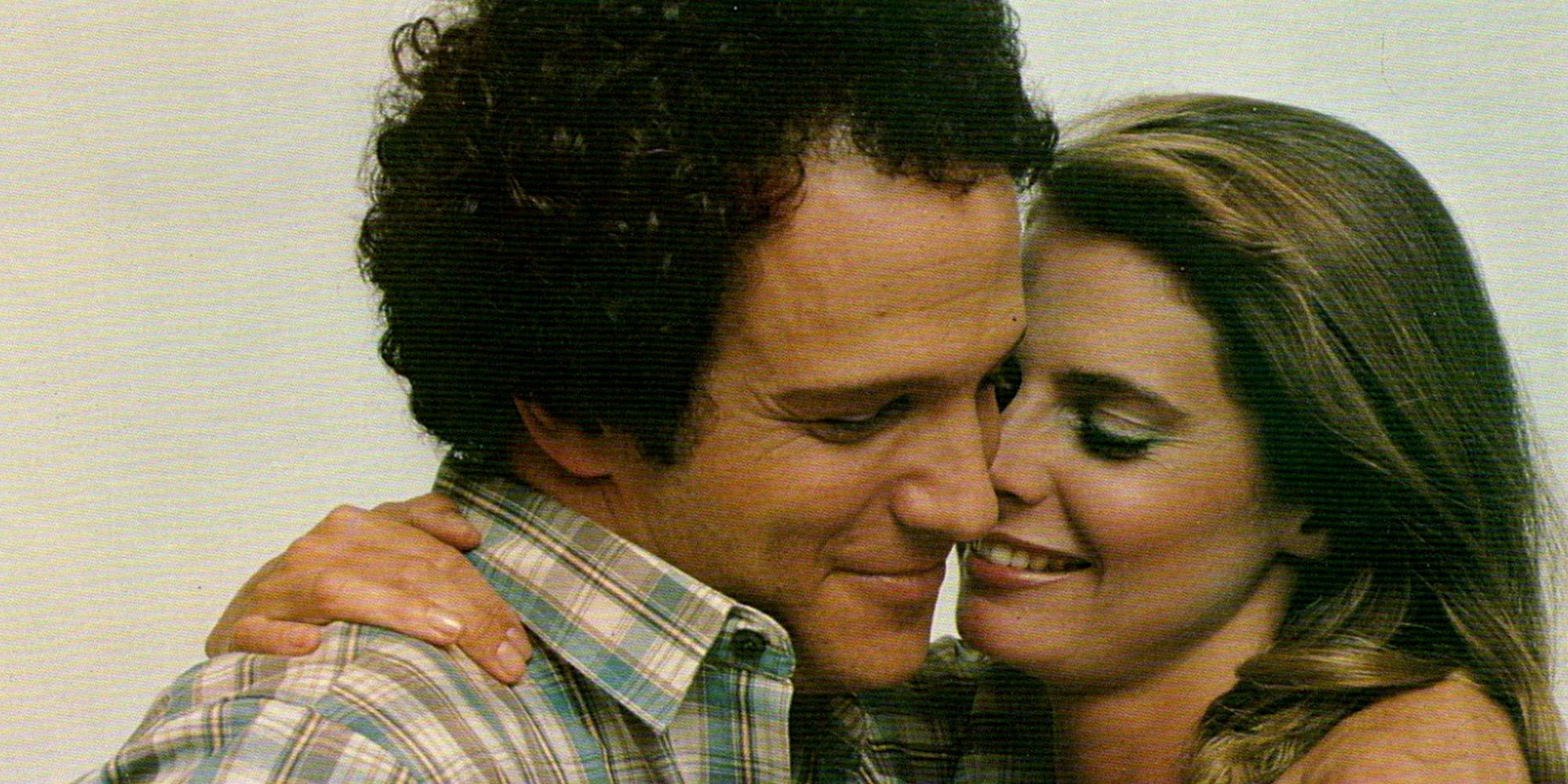
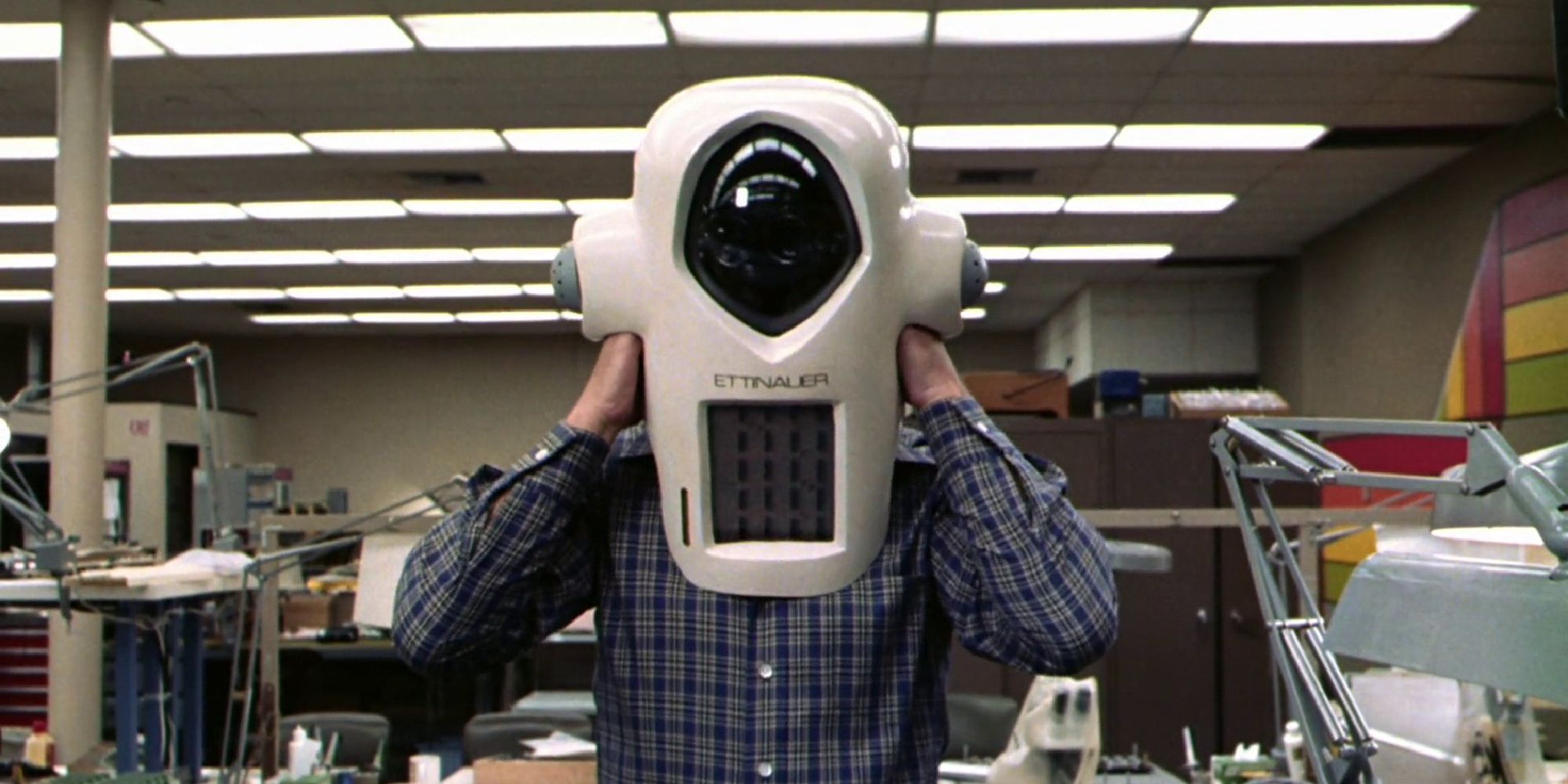
The recent unveiling of rare photographs and archival footage of Albert Brooks—most notably through the 2023 documentary Albert Brooks: Defending My Life—provides an unprecedented look at the career of a man often called "the comedian's comedian." These images reveal his transition from a conceptual stand-up artist to a visionary filmmaker, highlighting his private family history and the meticulously crafted visual language of his iconic motion pictures.
The Significance of the Unveiled Archives
For decades, Albert Brooks remained one of the most private figures in American comedy. Unlike his contemporaries, who often frequented the talk show circuit with personal anecdotes, Brooks utilized a persona that was deeply neurotic yet shielded. The "unveiling" of his personal pictures and home movies represents more than just a nostalgic trip; it is a technical map of how modern meta-humor was constructed.
The primary source for these newly available visuals is the collaborative project between Brooks and his lifelong friend, Rob Reiner. By 2026, these archives have become essential viewing for students of cinema and comedy, offering a glimpse into the Einstein family (Albert’s birth name) and the competitive, high-stakes environment of 1960s and 70s show business.
The Einstein Family Legacy
The unveiled pictures often focus on his father, Harry Einstein, a famous radio comedian known as "Parkyakarkus." Understanding these images is crucial for understanding Albert’s drive. Photographs showing a young Albert backstage at radio recordings provide context for his obsession with the mechanics of fame and the inherent "phoniness" he would later satirize in his own films.
The archival "unveiling" includes:
- Childhood portraits: Showing the stark contrast between his middle-class upbringing and the surreal nature of having a famous comedian father.
- Family gatherings: Rare shots with his brothers, including Bob Einstein (famed for his character Super Dave Osborne and his role on Curb Your Enthusiasm).
- The tragedy of the Roast: Documented accounts and related imagery of the night Harry Einstein passed away immediately after a performance at a Friars Club roast for Lucille Ball and Desi Arnaz—an event that profoundly shaped Albert’s dark comedic timing.
Analyzing the Visual Evolution of Brooks’s Career
When we discuss "Albert Brooks pictures," we are often referring to the striking visual compositions of his directorial efforts. From Real Life (1979) to Looking for Comedy in the Muslim World (2005), Brooks used the camera to enhance his social critiques.
The Conceptual Stand-Up Era (1970–1975)
Before he was a director, Brooks was "unveiling" a new kind of comedy through still photography and short films for Saturday Night Live. The pictures from this era show a performer who was not afraid to look foolish for the sake of a high-concept bit.
One of the most famous "unveiled" sequences involves his "Famous School for Comedians" short. The visual storytelling here predates the mockumentary style of This Is Spinal Tap by years. These images capture the grainy, handheld aesthetic of the 1970s, which Brooks used to parody the self-importance of educational documentaries.
The Directorial Masterpieces
As the 1980s progressed, Brooks's "pictures" became more polished. Lost in America (1985) remains a visual touchstone for the "yuppie" era. The unveiled behind-the-scenes photos from this production show Brooks and Julie Hagerty interacting with the Winnebago—a vehicle that serves as a secondary character in the film. These images highlight the deliberate framing Brooks used to show the isolation of the characters within the vast American landscape.
| Film Project | Visual Theme | Key "Unveiled" Element | Cultural Impact |
|---|---|---|---|
| Real Life (1979) | Verité Satire | Prototype 3D camera rigs | Predicted the rise of reality television aesthetics. |
| Modern Romance (1981) | Claustrophobic Obsession | Editing room sequences | Praised by Stanley Kubrick for its realistic depiction of obsession. |
| Lost in America (1985) | Americana/Freedom | The Winnebago as a cage | Defined the "mid-life crisis" visual trope for a generation. |
| Defending Your Life (1991) | High-Concept Afterlife | "Judgment City" architecture | Created a mundane, bureaucratic vision of the afterlife. |
| Finding Nemo (2003) | Digital Animation | Marlin's facial expressions | Brooks’s voice acting mapped to Pixar’s advanced visual rigging. |
How to Access the Unveiled Content
As of 2026, the primary repository for Albert Brooks's unveiled personal and professional archives is through high-definition digital platforms and curated physical media.
Streaming and Digital Platforms
The documentary Albert Brooks: Defending My Life is the most comprehensive source. Directed by Rob Reiner, it is currently available on Max (formerly HBO Max). This film serves as a curated gallery of the pictures discussed. It features:
- Restored footage from his legendary appearances on The Tonight Show Starring Johnny Carson.
- Private photographs from the Brooks family estate.
- Extended cuts of his early short films.
The Criterion Collection
Several of Brooks’s films have been inducted into the Criterion Collection, which is renowned for its "unveiling" of supplemental visual material. The Criterion releases of Lost in America and Defending Your Life include booklets and digital galleries featuring:
- Original storyboards: Showing how Brooks planned his complex satirical sequences.
- On-set photography: Captured by professional unit photographers, offering a high-fidelity look at his directing process.
- Deleted scene stills: Images from sequences that were cut to maintain the films' legendary tight pacing.
Technical Preservation of the Archives
The "unveiling" of these pictures was not merely a matter of opening a box. It required significant technical intervention. Many of the 16mm and 35mm prints of Brooks’s early shorts had begun to degrade.
Restoration Techniques
The restoration process involved 4K scanning of original camera negatives. This is particularly important for Real Life, where the colors of the late 70s suburban landscape were essential to the film's parody of the PBS series An American Family. By cleaning up the "noise" and correcting the color balance, archivists have allowed modern audiences to see Brooks’s vision with a clarity that was previously impossible.
For the still photographs, digital retouching was used to remove decades of dust and scratches from the Einstein family albums. This technical precision allows us to see the micro-expressions on the faces of comedy legends like Carl Reiner, Mel Brooks, and Jack Benny—all of whom appear in the "unveiled" photos as friends of the Einstein family.
Why the World is Watching Albert Brooks Now
The renewed interest in Albert Brooks in 2026 stems from a realization that he predicted many of the social dilemmas we face today. His films dealt with the surveillance state, the fragility of the American Dream, and the narcissism of the digital age long before they became daily realities.
The pictures unveiled in recent years show a man who was always "on," but who was also deeply analytical about the craft of performing. For younger comedians, these images are a blueprint for how to build a career based on integrity and a singular, uncompromising voice.
Impact on New Media
Modern creators on platforms like YouTube and TikTok often use a "meta" style that Brooks pioneered. The unveiling of his early sketches provides a historical link for these creators. Seeing the "pictures" of Brooks performing a ventriloquism act without a dummy, or a comedian "school" that teaches people how to be unfunny, shows that the deconstruction of media has a long and storied history.
Common Misconceptions About the Archives
When people search for "Albert Brooks pictures unveiled," there are often a few points of confusion that require clarification:
- The "Mel Brooks" Connection: Albert Brooks and Mel Brooks are not related, though they are close friends. The unveiled archives often show them together, leading some to believe they are family. (Albert's real surname is Einstein; Mel's is Kaminsky).
- Unfinished Projects: While many pictures show Brooks on sets of various films, they do not necessarily indicate "lost" movies. Brooks is known for his efficiency; most of what he shot ended up on the screen, or was discarded for specific narrative reasons.
- Personal Life: While the documentary "unveils" much, Brooks remains a private individual regarding his current family life. The focus of the unveiled pictures is almost entirely on his professional journey and his upbringing.
Frequently Asked Questions
Where can I see the rare photos of Albert Brooks with his father?
The most comprehensive collection is found in the Rob Reiner documentary Albert Brooks: Defending My Life. It features several minutes of archival family footage and still photos of Harry Einstein (Parkyakarkus) during the height of his radio fame.
Are there any "unveiled" pictures of his unused SNL sketches?
Yes, the Criterion Collection and certain HBO specials have released stills and segments of his short films that were produced for the first season of Saturday Night Live. These include behind-the-scenes images of the production of his "Short Films by Albert Brooks."
Is there a book of Albert Brooks’s photography?
While Albert Brooks is a visual director, he has not released a formal book of personal photography as of 2026. Most "pictures" associated with him are either film stills or archival press photos. However, his novel 2030: The Real Story of What Happens to America provides a different kind of "picture" of the future.
Did the unveiling of these pictures reveal anything about his acting method?
The archival footage reveals that Brooks was a proponent of a "naturalistic-neurotic" style. The pictures from the set of Broadcast News (directed by James L. Brooks), for example, show his intense preparation for the famous "sweating" scene, proving that his comedic timing was backed by rigorous physical commitment.
How does Albert Brooks feel about these pictures being made public?
In interviews surrounding the release of the 2023 documentary, Brooks expressed a mixture of pride and typical self-deprecation. He noted that while it was strange to see his entire life "unveiled" in 90 minutes, he trusted Rob Reiner to handle the legacy of the Einstein family with care.
Final Recommendations for Enthusiasts
For those looking to fully explore the visual history of Albert Brooks, the following steps are recommended:
- Watch the Documentary: Start with Defending My Life on Max for the best narrative context.
- Explore the Criterion Collection: Purchase or stream the Criterion editions of Real Life, Modern Romance, and Lost in America to see the high-resolution restorations and supplements.
- Research the Smothers Brothers Era: Look for archival clips of Brooks's early television appearances on YouTube or through the Paley Center for Media. These are the "pictures" that first unveiled his genius to a national audience.
- Follow Official Channels: While Brooks is not a prolific social media user, official estate updates often coincide with film festivals or museum retrospectives where even more rare images may be displayed.
The unveiling of Albert Brooks’s pictures serves as a vital reminder of the power of original thought in an industry often dominated by imitation. By studying these images, we don't just see a comedian's life; we see the evolution of American satire itself.